

Beauty & Personal Care Products
Compare beauty and personal care products by ingredients, format, intended use, and practical features. Explore focused categories to find options that fit your routine, preferences, and grooming needs.
149,462 products in catalog
149,462 results
Filters


Softsoap
Softsoap Moisturizing Liquid Hand Soap, Soothing Clean Aloe Vera - 7.5 Fl Oz (Pack of 6)
See current price


Essence cosmetics
essence | Lash Princess False Lash Effect Mascara | Gluten & Cruelty Free
See current price




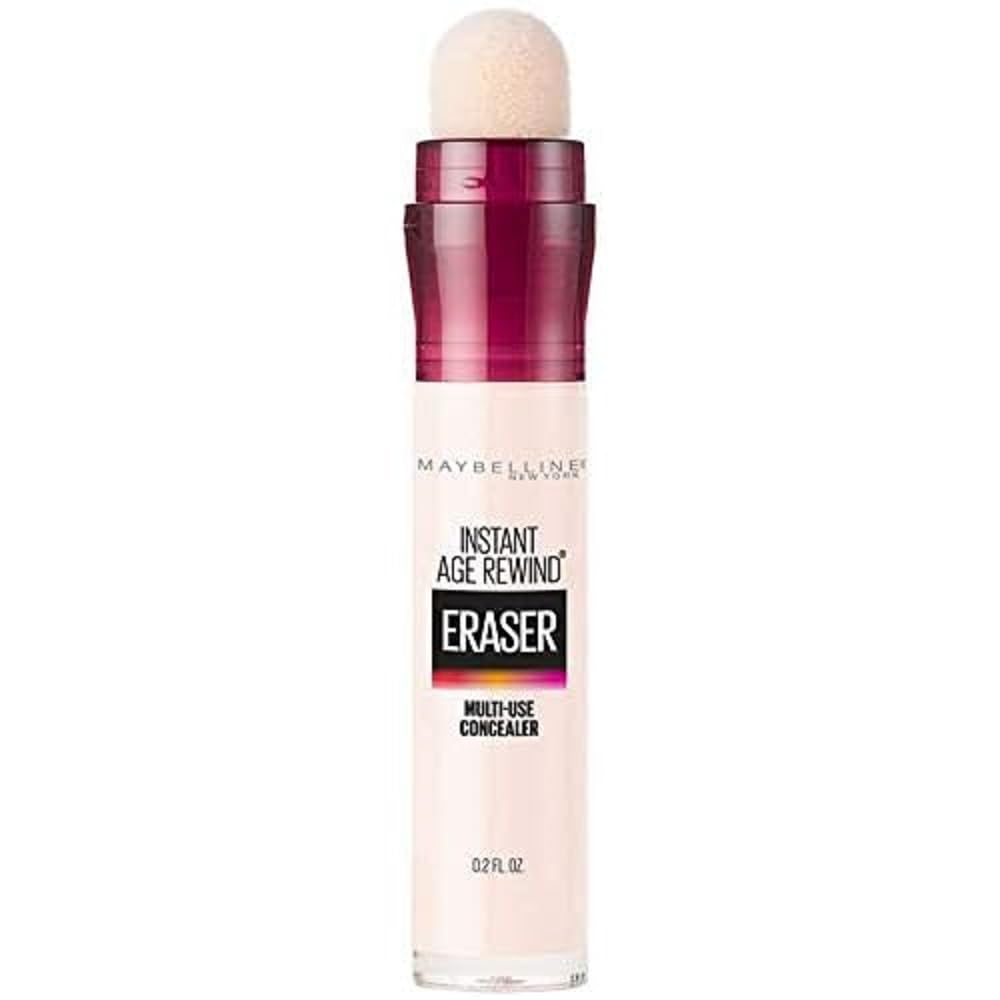
Maybelline New York
Maybelline New York Instant Age Rewind Eraser Dark Circles Treatment Multi-Use Concealer, 095, 1 Count (Packaging May Vary)
See current price


Dr Teal's
Dr Teal's Foaming Bath with Pure Epsom Salt, Soothe & Sleep with Lavender, 34 fl oz (Packaging May Vary)
See current price

Listerine
Listerine Total Care Anticavity Mouthwash Cinnamint, 1 Liter ( 1 QT 1.8 FL oz )
See current price


Burt's Bees, Inc.
Burt's Bees Essential Gift Set, 5 Travel Size Products - Deep Cleansing Cream, Hand Salve, Body Lotion, Foot Cream and Lip Balm
See current price


Popular brands in Beauty & Personal Care
Beauty and personal care covers everyday routines as well as specialized grooming, styling, and salon products. From cleansers, moisturizers, and cosmetics to hair tools, fragrance, and nail care, the right choice depends on how a product fits your needs rather than on appearance alone.
Use this catalog to compare specifications and features across product types. Check the product details for ingredients, compatibility, included accessories, size, application method, and care instructions before choosing an option.
Explore beauty and personal care categories
The catalog’s broadest areas are hair care, skin care, foot, hand and nail care, tools, and makeup. These categories include products for daily routines, occasional use, styling, grooming, and personal expression.
- Hair Care includes products for cleansing, conditioning, styling, treatment, and managing different hair types. Compare formulas, intended hair concerns, hold or finish, and whether a product is designed for use on wet or dry hair.
- Skin Care covers facial and body products such as cleansers, moisturizers, treatments, masks, and exfoliating products. Ingredients, skin type guidance, texture, application area, and routine placement are useful comparison points.
- Foot, Hand & Nail Care includes nail tools, polish-related products, hand care, foot care, and accessories. Consider the specific area of use, material, precision, and whether the product is intended for home or professional routines.
- Tools & Accessories is useful for brushes, applicators, organizers, mirrors, styling tools, and other equipment that supports a beauty routine. Compare dimensions, power requirements where applicable, attachments, and cleaning needs.
- Makeup includes complexion, eye, lip, and finishing products. Shade, finish, coverage, application format, and compatibility with other products can matter as much as the color shown in a listing.
For grooming and scent-related needs, browse Shave & Hair Removal, Personal Care, Fragrance, and Men's Grooming. Shoppers looking for professional settings can also compare Salon & Spa and Salon & Spa Equipment.
How to choose products for your routine
Start with the job the product needs to perform. A styling product, for example, may be intended to add hold, smoothness, volume, definition, or heat protection. A skin care product may focus on cleansing, hydration, exfoliation, or targeted care. Identifying the primary purpose helps narrow the selection before comparing smaller details.
Next, consider your routine and application preferences. A cream, gel, oil, spray, balm, powder, stick, wipe, or tool may produce a different experience even when products serve a similar purpose. Think about how quickly you want to apply it, whether it needs to be rinsed away, and how portable the format is.
Personal compatibility is also important. Look for guidance about hair type, skin type, age range where provided, sensitivity, color, and intended body area. If a product contains an ingredient or fragrance you avoid, read the complete product information and label carefully rather than relying only on the category name.
For products used near the eyes, on freshly shaved skin, or over irritated areas, follow the manufacturer’s directions. Stop using a product if it causes an unexpected reaction and seek appropriate professional advice when needed.
Key specifications and features to compare
Ingredients and formula
Ingredients can affect texture, scent, finish, cleansing strength, conditioning, and suitability for personal preferences. Compare the ingredient list and any stated free-from information directly. “Natural,” “clean,” or similar marketing language can have different meanings, so the full product description is more useful for an informed comparison.
For cosmetics, check whether the product is a powder, liquid, cream, pencil, balm, or stick, along with the stated finish and coverage. For hair and skin products, compare whether the formula is designed to be left on, rinsed out, layered, or used as an occasional treatment.
Size, format, and included items
The package size and format affect convenience, storage, and how easily a product fits into travel or a shared bathroom. For kits and sets, review exactly what is included rather than assuming that an image shows every component. Bundles may combine products for a particular routine, while individual items can be more suitable when replacing one specific product.
For tools, compare the dimensions, weight, handle design, attachments, storage case, and cleaning instructions. A compact tool may be easier to store, while a larger design may offer a different grip or working surface.
Power, heat, and controls
Powered beauty tools require additional attention to voltage, plug type, cord length, battery design, charging method, operating settings, and included adapters. Heat-producing tools should be compared by temperature controls, heat settings, surface or attachment type, and automatic shutoff information when listed.
Only use a powered or heated product as directed. Confirm that its electrical specifications match the intended location, and keep heat and electrical components away from water unless the product is specifically designed for that environment.
Shade, scent, and finish
Color products can look different depending on lighting, screen settings, and individual skin tone. Compare shade names, undertone descriptions, finish, opacity, and application method. If a product is intended to match another item, check the manufacturer’s stated shade system rather than assuming that similar names are interchangeable.
Fragrance is especially personal. Compare the format, such as spray, oil, rollerball, cream, or solid, along with the stated scent notes and intended application area. A fragrance product may be designed for the body, hair, room, or another use, so read the directions before applying it to skin.
Brands represented in the catalog
The catalog includes products from brands such as L'Oreal Paris, Revlon, Neutrogena, Dove, Bath & Body Works, Clinique, Olay, Maybelline New York, KISS, Maitys, Garnier, and WILLBOND. These names appear across different parts of the category, including cosmetics, skin care, hair care, body care, nail products, and accessories.
Brand familiarity can help narrow a search, but it should not replace checking the individual listing. Formulas, shades, packaging, intended use, and included accessories can differ within the same brand. Compare the specifications of the exact product and variant that matches your routine.
Practical tips for buying and using beauty products
- Check the intended area. A product made for hair, face, lips, eyes, nails, or body may not be suitable for another area. Follow the label and manufacturer guidance.
- Review compatibility. For makeup and skin care, consider whether the product is intended for your skin type or concerns. For hair tools and treatments, check hair type, texture, length, and styling method.
- Compare application tools. Some products require a brush, sponge, comb, applicator, or specific dispenser. Confirm whether that item is included or needs to be purchased separately.
- Plan for hygiene. Wash reusable brushes and tools according to their instructions. Keep containers closed, avoid sharing products intended for direct skin contact, and replace items when their condition changes.
- Store products appropriately. Heat, moisture, and direct sunlight can affect some formulas and tools. Use the storage guidance on the packaging and keep products out of reach of children and pets.
- Check dates and labels. Follow expiration, period-after-opening, batch, and storage information when provided. Inspect packaging for leakage, damage, or changes in smell, color, or texture.
- Think about travel. Leak-resistant packaging, solid formats, compact tools, protective caps, and included cases can make a product more convenient outside the home.
- Compare refill and replacement needs. For powered tools, check replacement heads or attachments. For cosmetics and skin care, consider whether the container allows controlled dispensing and helps prevent unnecessary exposure to air.
For adjacent shopping needs, K-Catalog also organizes Clothing, Shoes & Jewelry, Home & Kitchen, Electronics, Health & Household, Sports & Outdoors, and Tools & Home Improvement. These areas may be useful when comparing accessories, storage, personal wellness items, or equipment used alongside a beauty routine.
Frequently asked questions
How should I start comparing beauty and personal care products?
Begin with the product’s intended purpose and application area. Then compare formula, format, ingredients, size, shade or scent, compatibility, and any included accessories.
What should I check when choosing skin care?
Review the intended skin type or concern, active and supporting ingredients, texture, application frequency, and whether the product is rinsed off or left on. Read the label carefully, especially if your skin is sensitive.
How do I compare makeup products?
Compare shade, undertone, finish, coverage, formula, and application format. Also check whether the product is intended for the face, eyes, lips, or another area and whether an applicator is included.
What matters when choosing a beauty tool?
Look at dimensions, grip, attachments, material, cleaning requirements, power or charging details, heat settings, and storage. For electrical products, verify voltage and plug compatibility before use.
How can I choose a fragrance more confidently?
Compare the stated scent notes, format, intended application area, and concentration information when provided. Fragrance preferences are personal, so product descriptions and usage directions are important points of reference.
Are beauty products suitable for everyone?
No single product is suitable for every person. Check the label, ingredients, intended use, and any warnings. Patch testing may be appropriate for some products, and professional guidance can help with persistent sensitivity or specific concerns.