

Material Handling Products
Compare material handling equipment for lifting, moving, securing, and organizing loads. Browse product types and specifications to find options suited to your workplace, materials, and handling tasks.
1,713 products in catalog
1,713 results
Filters


Welcom
Magna Cart Personal 150 lb Capacity Aluminum Folding Hand Truck (Black/Red), 1 Pack
See current price



Cutequeen
Cutequeen Round Ceramic Industrial ferrite Magnets for Hobbies,Crafts and Science (18x4mm-27pcs, Black)
See current price


Barbra Streisand (Actor), Walter Matthau (Actor) Rated: G Format: Laser Disc
HELLO, DOLLY! starring BARBRA STREISAND - WALTER MATTHAU - MICHAEL CRAWFORD - LOUIS ARMSTRONG
See current price


Harper Trucks
Harper Trucks PGDY8635P 700 lb Capacity Glass Filled Nylon Convertible Hand Truck and Dolly,Black, Pack of 6
See current price

WEN
WEN 1320 lbs. Capacity 18 in. x 30 in. Hardwood Furniture Moving Dolly, Two Pack
See current price

Popular brands in Material Handling Products
Material handling products help workplaces move, position, secure, and store materials more efficiently. The right choice depends on the load, the route it must travel, how often it will be handled, and the surfaces or equipment involved.
K-Catalog brings together equipment across lifting, transport, mobility, securing, and specialized handling applications. Use the category links to narrow your search, then compare specifications and features before visiting Amazon to check current availability and price.
How to choose material handling equipment
Begin with the task rather than the product name. A tool for occasional positioning may have different requirements from equipment used throughout a work shift. Consider:
- Load characteristics: Account for the material’s weight, shape, dimensions, center of gravity, and whether it needs protection from scratches or crushing.
- Movement: Decide whether the load will be lifted vertically, rolled across a floor, pulled, pushed, loaded into a vehicle, or secured during transport.
- Work environment: Check compatibility with indoor or outdoor use, smooth or uneven surfaces, moisture, dust, temperature, and available clearance.
- Frequency and control: Repeated handling can make ergonomics, maneuverability, and adjustment features especially important.
- Safety requirements: Confirm that the equipment’s stated capacity, attachment method, locking system, and operating instructions suit the intended application.
Do not select equipment based only on a familiar product type. The mounting method, dimensions, materials, and rated capacity must all work together for the job.
Explore material handling product types
The catalog’s larger groupings include lifting and pulling equipment, casters, transport equipment, and industrial magnets. Each serves a different handling need:
- Pulling & Lifting includes equipment for raising, positioning, or drawing loads. Compare operating method, attachment points, reach, control, and rated capacity.
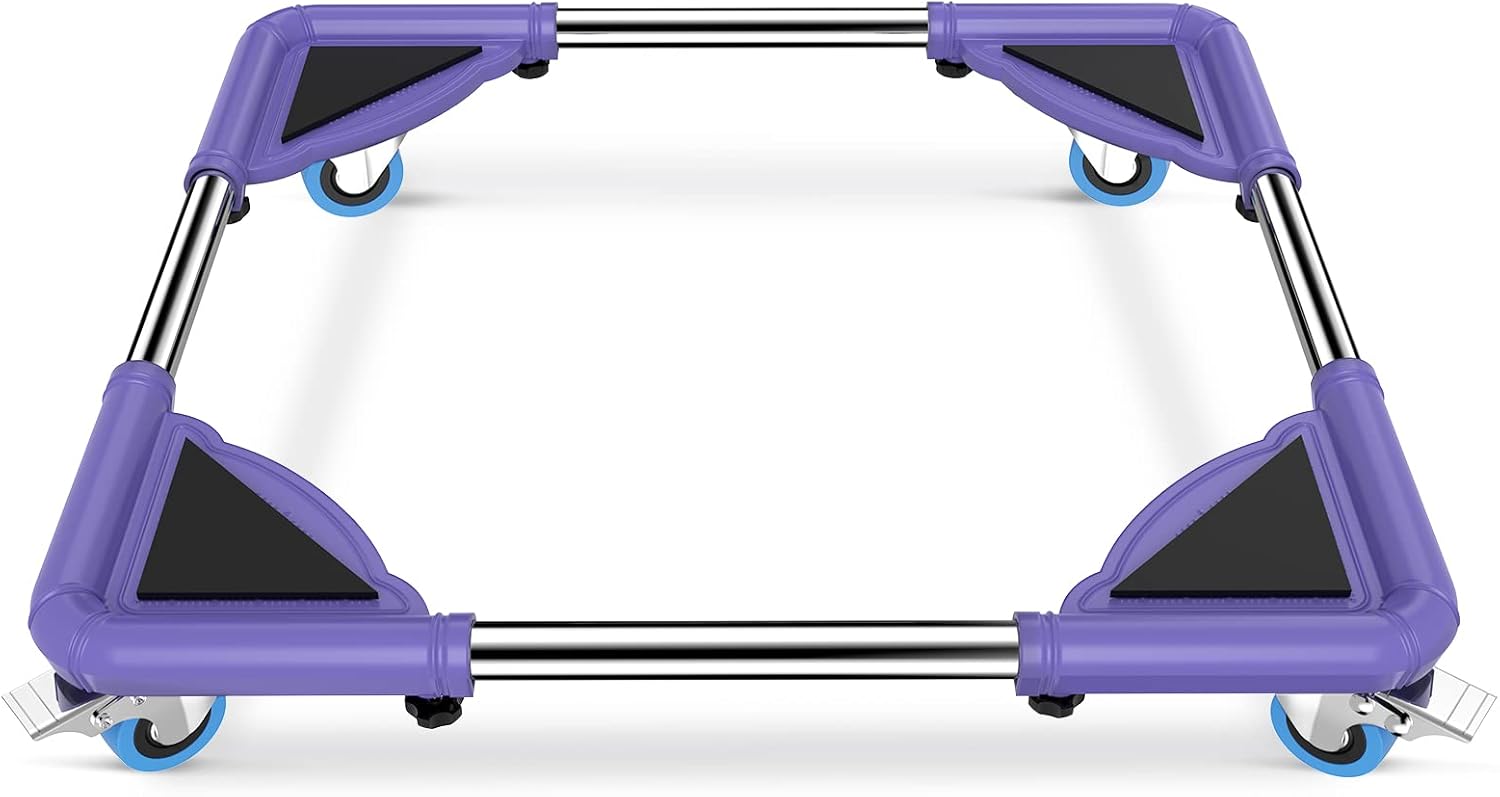
- Casters are useful when converting carts, cabinets, platforms, or other equipment for easier movement. Review wheel material, mounting style, swivel or rigid configuration, and braking features.
- Material Transport Equipment covers equipment designed to move materials from one location to another. Look at platform or frame design, maneuverability, handles, and load support.
- Industrial Magnets can assist with handling or positioning ferrous materials. Compare magnetic strength information, shape, contact surface, attachment style, and working conditions.
- Securing Straps help hold loads in place during movement or storage. Check strap construction, adjustability, hooks or fittings, tensioning method, and working load information.
More specialized options include Drum & Pail Handling Equipment for containers, HVAC Equipment for related handling and installation work, and Wheels for replacement or custom mobility setups. The catalog also includes Ramps, Forklifts, and Load Binders for specific loading, lifting, and cargo-securing tasks.
Specifications worth comparing
Product specifications can vary considerably even within one type. Pay close attention to dimensions and fit: overall width, height, wheel or contact size, mounting-hole pattern, handle position, and clearance can determine whether equipment works in a particular space.
For load-bearing products, compare rated capacity and understand how the rating relates to the complete setup. A caster assembly, for example, may depend on the number of casters, the mounting surface, and how the load is distributed. Lifting and securing products should be evaluated by their stated working limits and attachment configuration rather than appearance alone.
Materials also matter. Steel, stainless steel, aluminum, rubber, nylon, and other materials can differ in durability, corrosion resistance, floor protection, grip, and weight. For magnets, compare the stated holding information and the material being handled. For wheels and casters, consider noise, rolling resistance, floor type, and resistance to chemicals or moisture.
Mobility, ergonomics, and compatibility
A mobile solution is only useful if it can be controlled safely. Swivel casters can improve maneuverability, while rigid configurations may help maintain a straighter path. Brakes or locks can help keep equipment stationary during loading, unloading, or work positioning.
Check compatibility before ordering replacement or add-on parts. Measure existing mounting locations and confirm the attachment hardware, stem or plate style, wheel clearance, and load requirements. For straps, binders, ramps, and lifting accessories, verify that connection points and surfaces are suitable for the intended equipment.
Brands represented in the catalog
K-Catalog includes material handling products from brands such as FINDMAG, DIYMAG, Online Best Service, Shepherd Hardware, CMS Magnetics, BIG RED, Skelang, VNDUEEY, FactorDuty, Pro-LifT, Vestil, and MIKEDE. These names are represented across different product types; compare the specifications of individual products rather than relying on brand familiarity alone.
For broader workplace purchasing, you can also browse Industrial & Scientific, including related areas such as Fasteners and Test, Measure & Inspect. Those categories may be useful when a handling project also requires mounting, maintenance, or inspection supplies.
Frequently asked questions
What are material handling products used for?
They are used to lift, pull, move, position, secure, or support materials and equipment in workplaces, storage areas, workshops, and transport settings.
How do I choose the right load capacity?
Estimate the complete load, including its contents and any equipment carrying it, then compare that requirement with the product’s stated rated or working capacity. Also consider load distribution and the operating setup.
Are casters and wheels interchangeable?
Not always. A wheel may be a replacement component, while a caster includes a mounting structure and may swivel, lock, or remain rigid. Confirm dimensions, mounting style, and compatibility.
What should I check before buying a lifting product?
Review its rated capacity, attachment points, operating method, reach or range, dimensions, and instructions. Make sure the product is appropriate for the load and work environment.
How should securing straps be evaluated?
Compare strap material, length, width, tensioning system, attachment hardware, and stated working load. The anchor points and the load’s shape are also important to safe use.