

Outdoor Power Tools
Compare outdoor power tools by the work they handle, their power source, compatibility, and safety features. Browse equipment, replacement parts, and accessories for maintaining outdoor spaces.
9,019 products in catalog
9,019 results
Filters
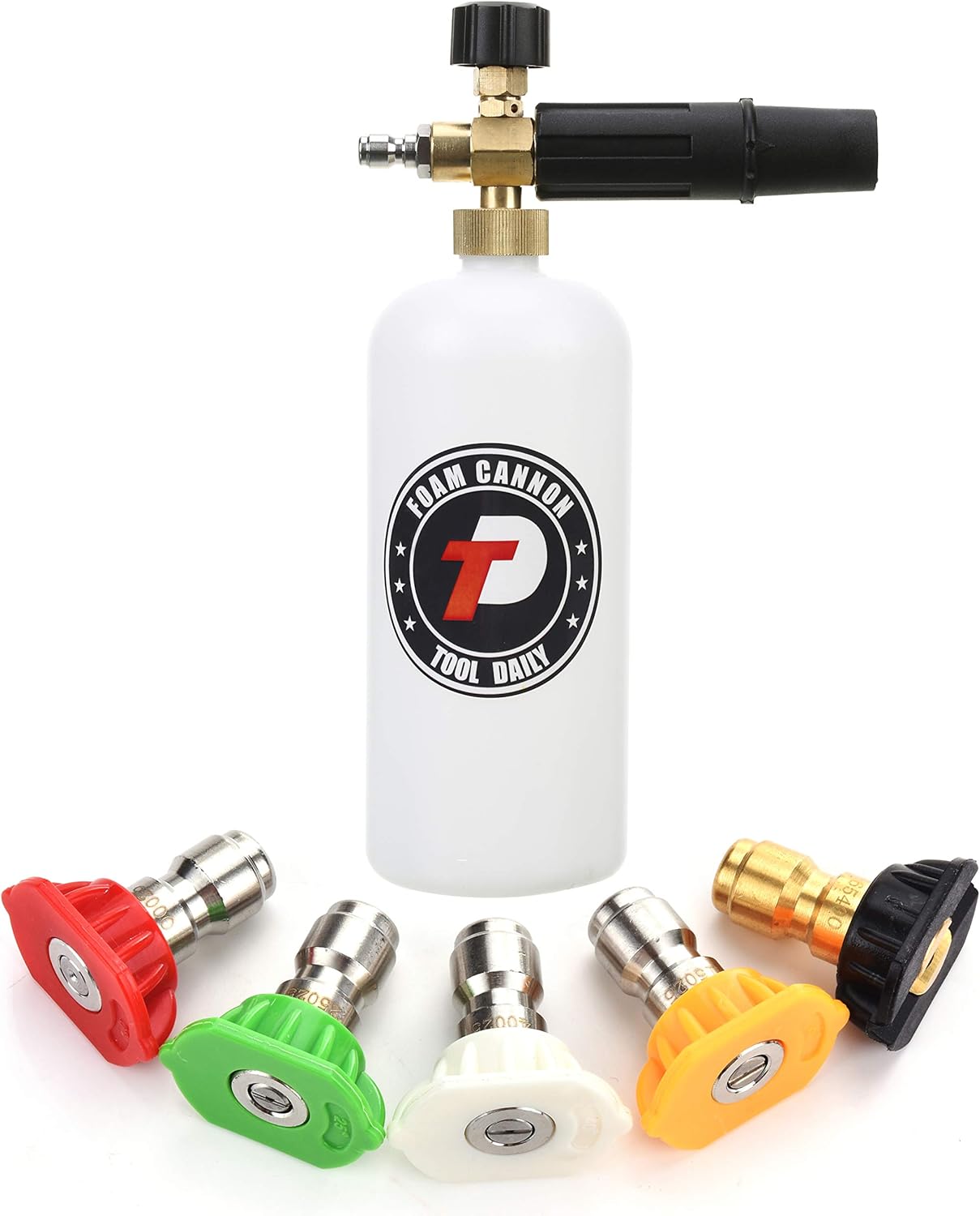
Tool Daily
Tool Daily Foam Cannon with 1/4 Inch Quick Connector, 1 Liter, 5 Pressure Washer Nozzle Tips
See current price


Sun Joe
Sun Joe TJ602E Electric Garden Tiller + Cultivator, 12-inch, 8-Amp, 3-Position Height Adjustment
See current price

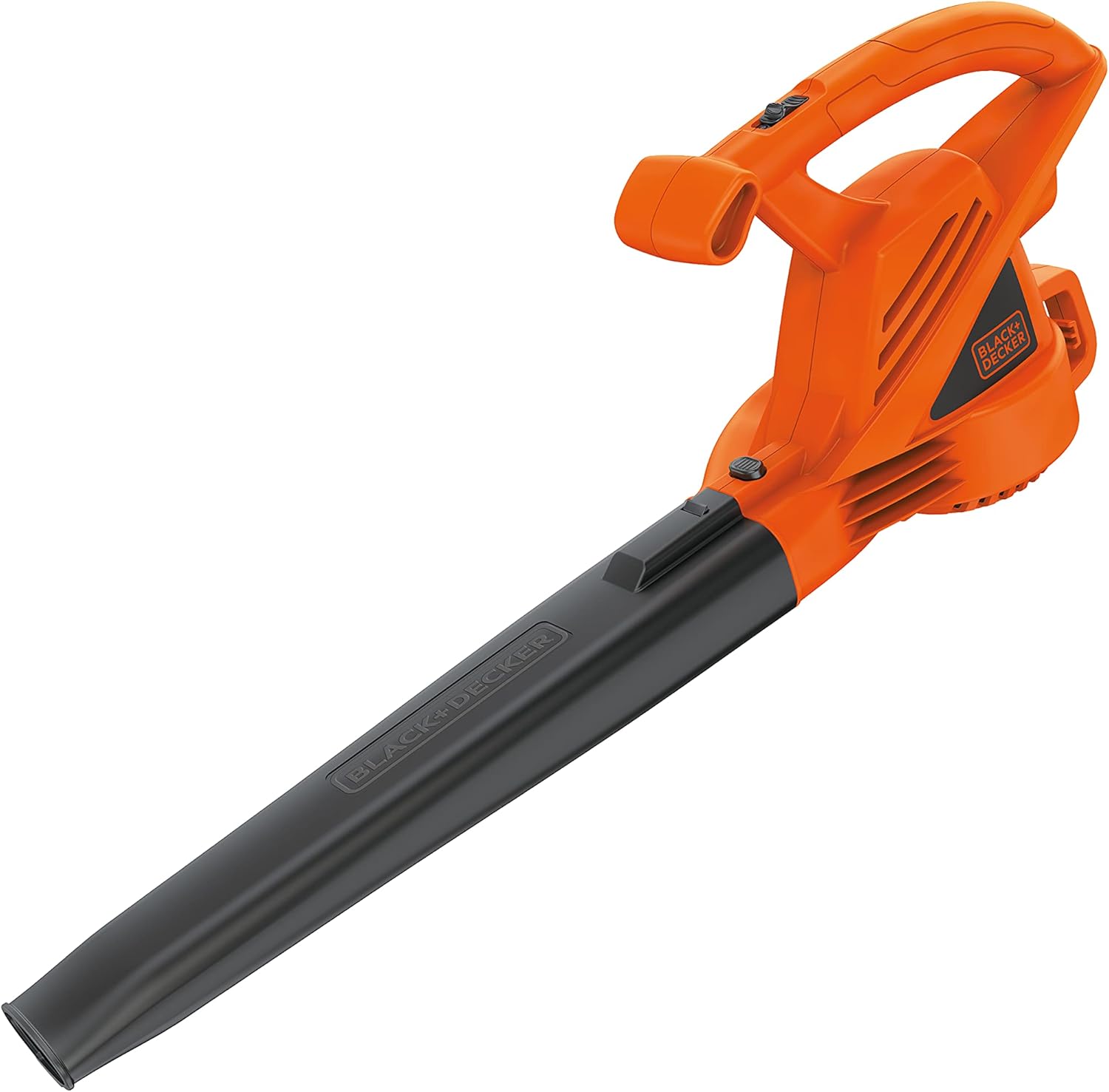


Westinghouse Outdoor Power Equipment
Westinghouse WPX2700e Electric Pressure Washer, 2700 PSI and 1.76 Max GPM, Induction Motor, Onboard Soap Tank, Spray Gun and Wand, 5 Nozzle Set, for Cars/Fences/Driveways/Homes/Patios/Furniture
See current price


Twinkle Star
Twinkle Star Pressure Washer Nozzle Tips Multiple Degrees, 1/4 INCH (2.5 GPM)
See current price

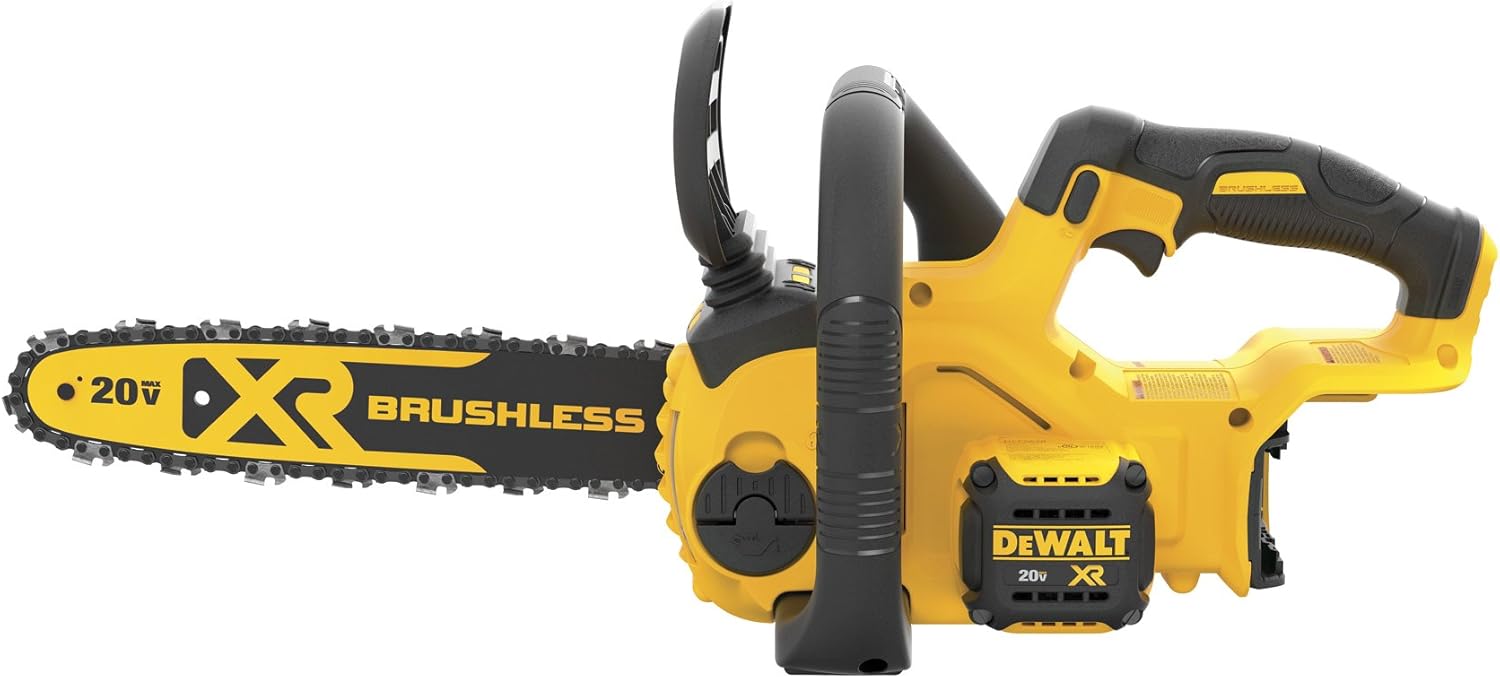
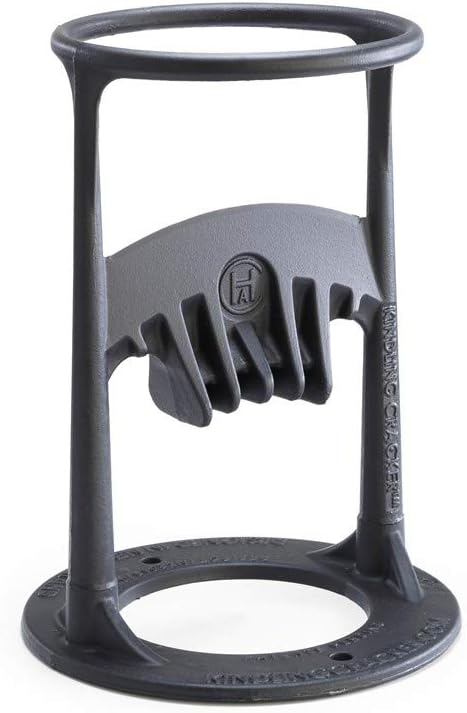
Kindling Cracker
Kindling Cracker Firewood Splitter - Kindling Splitter Wood Splitter Wood Splitting Wedge Manual Log Splitter Wedge
See current price

Kindling Cracker
Kindling Cracker Firewood Splitter - Kindling Splitter Wood Splitter Wood Splitting Wedge Manual Log Splitter Wedge
See current price



Sona Enterprises
SE 13 1/4 Inch Stackable Classifier Gold Prospecting Pan - 1/50 Inch Stainless Steel Mesh Sifting Pan, Green
See current price

Outdoor power tools cover routine yard care, cleanup, cutting, cultivation, and heavier outdoor projects. The right choice depends on the material you need to handle, the size of the area, how often you will use the tool, and whether you need a complete machine or a compatible replacement part.
This catalog includes equipment for homeowners, property maintenance, firewood preparation, and specialized outdoor tasks. Use the available product specifications and features to narrow your options before checking the current price and purchase details on Amazon.
How to choose outdoor power tools
Start with the job rather than the brand. A tool for trimming lawn edges has different requirements from one intended for clearing large branches, washing hard surfaces, or preparing soil. Consider these factors before comparing individual products:
- Task and material: Identify whether you are cutting grass, wood, brush, leaves, soil, dirt, or another material. The tool should be designed for that specific use.
- Power source: Gas-powered, corded electric, and battery-powered tools each suit different working environments. Think about fuel, charging, extension-cord access, runtime, and maintenance.
- Work area: A compact yard may favor a lighter and easier-to-store tool, while larger properties can make runtime, reach, capacity, and maneuverability more important.
- Handling: Check the product’s weight, grip design, balance, controls, and adjustment options. A tool that is difficult to control can make routine work more tiring.
- Compatibility: For parts and accessories, match the replacement to the exact tool, series, engine, attachment system, or connection type whenever that information is provided.
- Storage and upkeep: Look for practical details such as detachable components, serviceable parts, included accessories, and storage requirements.
Explore the main tool types
The catalog’s larger selections include replacement components as well as the equipment used most often for lawn and property maintenance. Browse by task to focus your comparison:
- Replacement Parts & Accessories are useful when a tool needs a replacement component, maintenance item, or compatible add-on rather than a complete machine.
- Pressure Washers are designed for cleaning suitable outdoor surfaces. Compare pressure-related specifications, flow information, hose and nozzle options, power source, and portability.
- Leaf Blowers, Vacuums & Accessories cover blowing and collection tasks. Consider airflow details, collection arrangements, conversion features, tube design, and runtime or cord requirements.
- Chainsaws vary by power source, bar length, starting system, chain arrangement, and intended cutting work. Safety equipment and correct chain compatibility are essential considerations.
- String Trimmers help manage grass and weeds around edges and obstacles. Compare cutting width, shaft style, head loading, adjustment options, and power source.
- Metal Detectors suit a different kind of outdoor search. Features such as search modes, target identification, coil design, controls, and display information can affect usability.
- Lawn Mowers & Tractors include options for maintaining larger grass areas. Compare cutting configuration, deck or attachment details, drive controls, adjustment range, and storage needs.
- Trimmers & Accessories can help expand or maintain trimming equipment. Confirm attachment and replacement compatibility before ordering.
For more specialized work, the catalog also includes Wood Chippers, Shredders, & Mulchers, Tillers, Log Splitters, Weed Torches, Pole Saws, and Pruning Shears, Parts & Accessories. These categories are worth exploring when ordinary lawn tools are not suited to the material or reach required.
Specs and features to compare
Specifications are most useful when compared against the actual conditions of the job. For cutting tools, review bar or blade dimensions, cutting width, chain or line type, adjustment systems, and replacement-part availability. For mowers and tractors, pay attention to deck details, drive configuration, height adjustment, attachments, and operator controls.
Cleaning equipment calls for a different checklist. Compare pressure and flow specifications together rather than focusing on only one figure. Hose length, nozzle selection, detergent capability, inlet requirements, wheels, handles, and storage can affect how practical a pressure washer is for a particular area.
For blowers, vacuums, and battery-powered tools, look at airflow, collection or discharge design, battery platform, charger information, operating controls, and included components. If a product is sold without a battery or charger, that can affect total setup requirements, so read the listing details carefully.
Also check what comes in the package. Some listings focus on a replacement part, while others include multiple attachments or accessories. Product dimensions, connection points, shaft style, fastener details, and manufacturer compatibility information can prevent ordering the wrong item.
Brands represented in the catalog
The catalog includes products and parts associated with Husqvarna, Briggs & Stratton, Hipa, Oregon, Stens, MAXPOWER, Greenworks, Harbot, John Deere, MTD Genuine Parts, BLACK+DECKER, and Worx. These brands appear across different equipment and replacement-part categories, so brand name alone is not enough to establish compatibility.
When comparing products from the same or different brands, match the specifications to your tool and job. For replacement components, use the original equipment documentation, part markings, dimensions, and listed fit information where available. For complete tools, compare features such as controls, power requirements, included accessories, and maintenance needs.
Safe and practical use
Outdoor power equipment can involve rotating blades, chains, hot surfaces, pressurized water, flying debris, fuel, electricity, or open flame. Read the manufacturer’s instructions before operation and use protective equipment appropriate to the task. Keep children and bystanders away from active equipment, and avoid using a tool in conditions outside its stated purpose.
Inspect cutting edges, chains, cords, hoses, guards, handles, fasteners, and fuel or battery components before use. Disconnect power, remove the battery, or follow the specified shutdown procedure before clearing a blockage or changing an accessory. Store tools securely and keep replacement parts organized so the correct component is available for future maintenance.
For broader yard projects, the Gardening & Lawn Care category may complement outdoor power equipment. You can also browse Pest Control for products aimed at managing unwanted insects or animals, or Pools, Hot Tubs & Supplies for a different type of outdoor maintenance.
Frequently asked questions
What should I compare first when choosing an outdoor power tool?
Start with the task, material, work area, and power source. Then compare handling, capacity, reach, compatibility, included accessories, and maintenance requirements.
Are replacement parts compatible with every tool in a brand’s range?
Not necessarily. Fit can depend on the exact tool, engine, series, attachment system, dimensions, and production configuration. Check the listing details and your original equipment information before ordering.
Which power source is right for outdoor equipment?
Battery power can suit users who value cordless mobility, while corded tools require access to a suitable outlet. Gas-powered equipment may fit particular heavy-duty applications but brings different fuel, storage, and maintenance considerations.
What matters when comparing a chainsaw or pole saw?
Review bar or cutting dimensions, power source, reach, chain or blade compatibility, controls, balance, and safety features. Choose equipment designed for the size and type of material being cut.
How do I choose a pressure washer?
Compare pressure and flow specifications, power source, hose and nozzle options, portability, detergent support, and the surfaces you intend to clean. Follow surface-specific operating guidance.
What should I check before buying an accessory?
Confirm the tool model or series, connection type, dimensions, included hardware, and stated compatibility. Check whether the accessory is a replacement component or an add-on that requires other parts.