
PURINA Fancy Feast
Purina Fancy Feast Gravy Lovers Poultry and Beef Gourmet Wet Cat Food Variety Pack - (24) 3 oz. Cans
See current price

Compare cat food, furniture, litter, toys, grooming products, carriers, and everyday supplies by the features that matter for your cat and home.
12,195 products in catalog
12,195 results
PURINA Fancy Feast
See current price
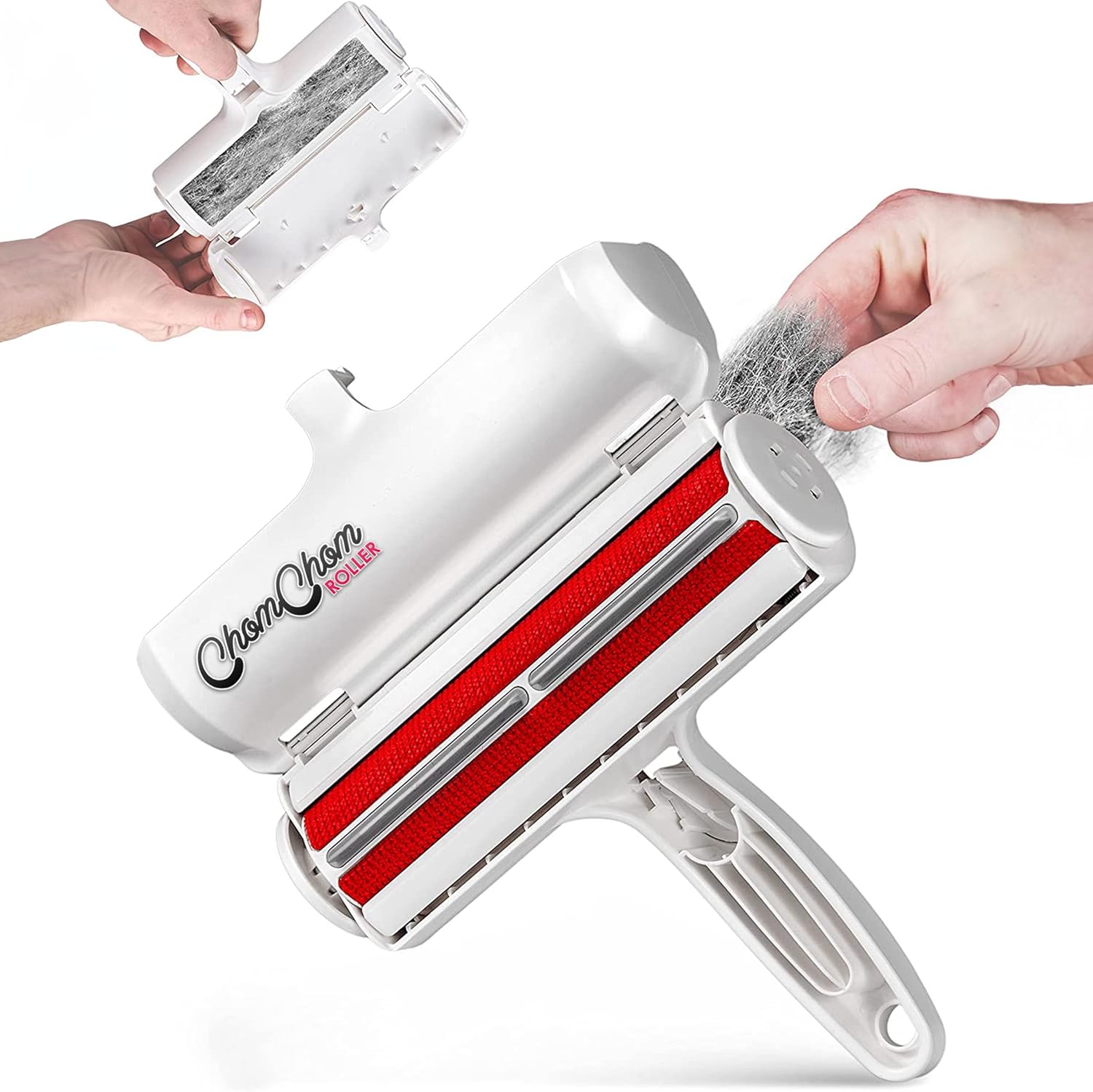

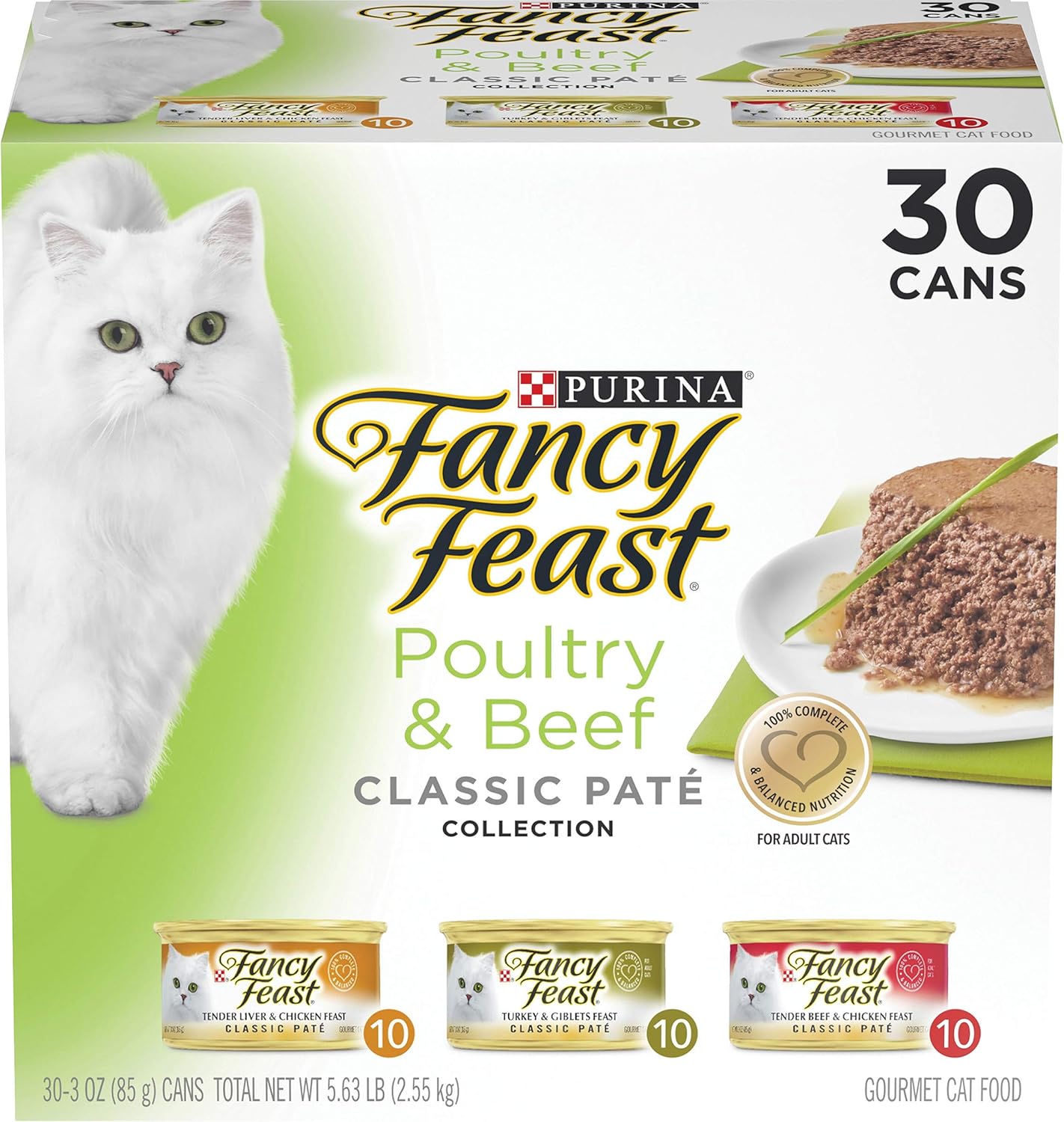
PURINA Fancy Feast
See current price

Pet King Brands
See current price


Worldwise, Inc
See current price
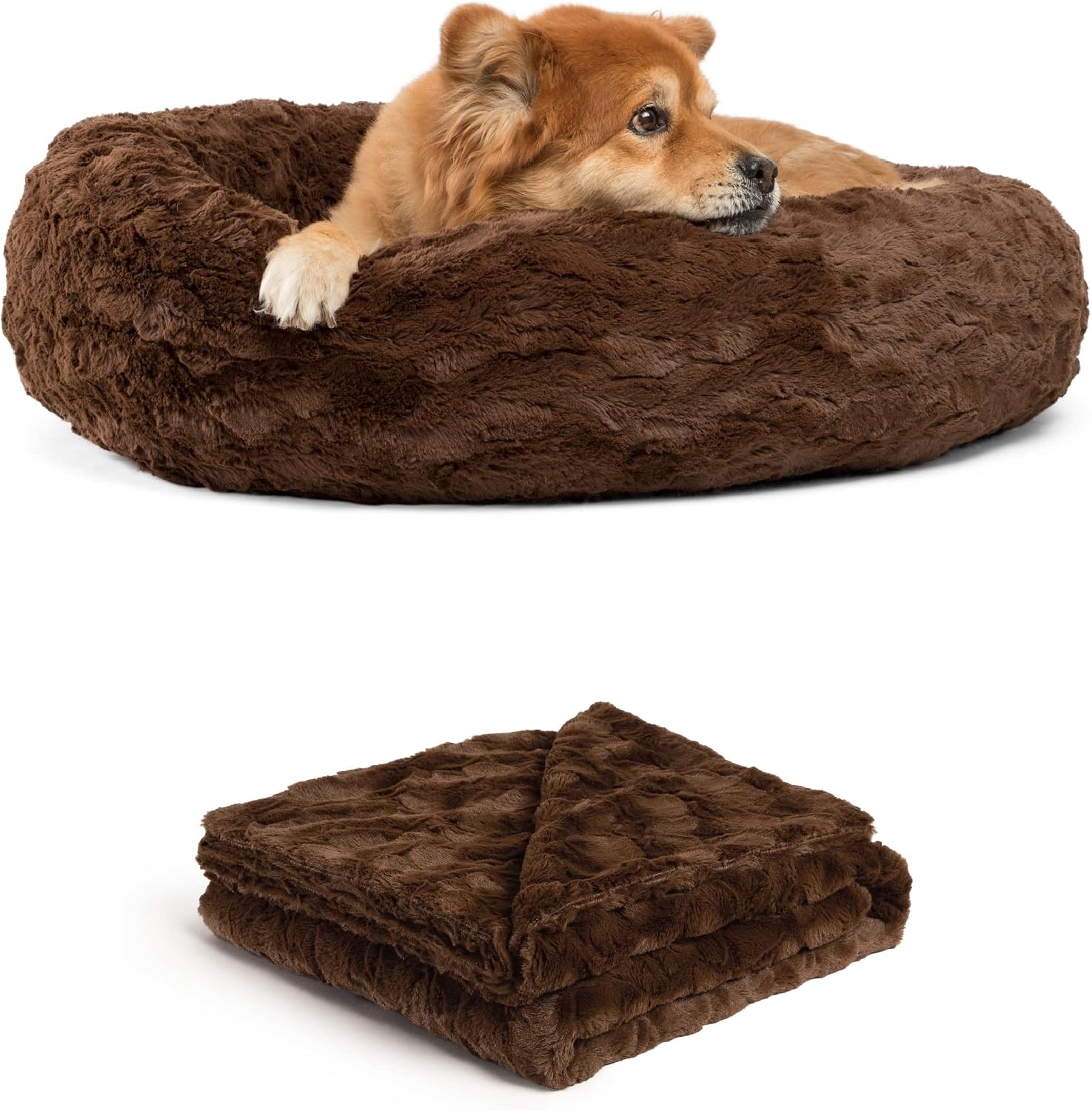
Best Friends by Sheri
See current price

Coolaroo
See current price

Amazon Basics
See current price


DuraScoop
See current price

Whiskas
See current price

Greenies
See current price

Advantage
See current price


Temptations
See current price


Rolf C. Hagen (USA) Corp.
See current price


Choosing supplies for a cat means balancing comfort, safety, daily routines, and the needs of a particular animal. A kitten, senior cat, indoor cat, and adventurous outdoor cat may require very different products, even within the same category.
K-Catalog brings together cat products across feeding, housing, play, grooming, travel, health, and training. Use the category groups below to narrow your search, then compare materials, dimensions, ingredients, compatibility, and care instructions before clicking through to check the current product information on Amazon.
Start with your cat’s age, size, health considerations, activity level, and living environment. A product that works well in a large home may not suit a small apartment, while a lightweight item may be convenient but less stable for a larger cat.
Consider how the item will fit into your routine:
For broader pet-care shopping, K-Catalog also organizes supplies for Dogs, Fish & Aquatic Pets, and other animals.
The largest parts of the catalog focus on the essentials used every day, including Beds & Furniture, Toys, Feeding & Watering Supplies, and Litter & Housebreaking. These categories are useful starting points when setting up a home or replacing frequently used items.
Other useful areas include Collars, Harnesses & Leashes for identification and controlled outings, as well as Health Supplies for routine care items. For grooming, compare brushes, combs, nail-care tools, bathing products, and cleaning accessories according to coat type and handling needs.
Product titles often describe the basic purpose, but specifications reveal whether an item fits your cat and your home. For furniture, carriers, beds, and litter boxes, check external dimensions as well as usable interior space. A product may need extra clearance around it for entry, movement, cleaning, or opening a door.
Materials affect comfort and upkeep. Washable covers can simplify bed care, while stainless steel, ceramic, or certain plastics may be easier to clean for feeding. Soft fabrics can provide warmth, but inspect care labels and drying requirements. For toys and accessories, examine stitching, seams, closures, and any small detachable components.
For food and treats, compare the formulation, package type, texture, intended life stage, and storage guidance. When switching foods, gradual changes may be more suitable than an abrupt change for some cats. Treats should be considered as part of the overall feeding routine rather than a substitute for complete food.
For carriers and travel products, compare ventilation, access points, internal dimensions, carrying options, and cleaning convenience. A carrier should allow the cat to sit, turn, and remain secure without unnecessary movement. If using a carrier in a vehicle, check whether its restraint features are compatible with the intended setup.
The catalog includes products from PetSafe, HARTZ, Nature’s Miracle, Friskies, Arm & Hammer, K&H PET PRODUCTS, Purina Tidy Cats, Catit, TRIXIE, Petmate, FEANDREA, and Nestle Purina Pet. These brands appear across different areas of cat care, from food and litter to furniture, cleaning, travel, and enrichment.
Brand familiarity can help narrow a search, but specifications still matter. Compare the particular product’s dimensions, materials, ingredients, intended use, care instructions, and compatibility rather than choosing by brand name alone.
Inspect frequently used products as part of normal upkeep. Replace toys with broken parts, damaged cords, loose fillings, or frayed attachments. Check beds and furniture for unstable components, worn fasteners, and surfaces that could snag claws. Clean feeding equipment and litter accessories according to the material and manufacturer guidance.
Introduce unfamiliar items gradually. A new bed, carrier, harness, or litter setup may be more readily accepted when placed in a calm, familiar area. Supervise early use of toys, harnesses, doors, climbing equipment, and products with small components.
Health products, flea and tick control, and dietary items deserve extra care. Read the label for species, age, weight, application, storage, and warning information. Do not assume a product intended for another animal is appropriate for cats. When a cat has unusual symptoms, a known condition, or medication needs, seek veterinary guidance rather than relying on a general-purpose product.
Start with food and water equipment, a suitable litter setup, a comfortable resting area, safe toys, grooming basics, and a carrier. Add furniture, harnesses, or specialized care items based on the cat’s habits and environment.
Measure your cat and compare those measurements with the product’s usable interior dimensions. The cat should have enough room to rest comfortably, while a carrier should also provide secure containment and practical ventilation.
Review the intended life stage, ingredients, texture, feeding guidance, package format, and storage instructions. For allergies, medical conditions, or therapeutic diets, consult a veterinarian.
That depends on the design and the cat. Inspect for cords, strings, loose pieces, damaged seams, and small detachable parts. Supervise toys that could be swallowed or tangled, and remove damaged items.
Consider litter material, dust, odor control, clumping behavior, tray size, entry height, cleaning effort, and your cat’s preferences. Changes to litter should be introduced thoughtfully, especially for cats that are sensitive to routine changes.
Replace or repair an item when it becomes unstable, cracked, frayed, difficult to clean, or otherwise unsafe. Regular inspection is particularly important for toys, climbing furniture, carriers, harnesses, and feeding equipment.