

Pantry Staples for Cooking, Baking & Everyday Meals
Compare pantry staples by ingredients, format, dietary needs, and storage requirements. Browse cooking basics, seasonings, sauces, grains, canned foods, and other everyday essentials.
30,061 products in catalog
30,061 results
Filters
Availability
Brand
Price


![[Samyang] Carbo Spicy Chicken Fried Cup Noodles 80g × 6EA / Korean food / Korean ramen (overseas direct shipment)](https://m.media-amazon.com/images/I/61kHLa+FrzL._SL1000_.jpg)


AmazonUs/BLUIG
Blue Diamond Almonds, Almond Flour, Gluten Free, Blanched, Finely Sifted, 1 Lb
See current price

Belgravia Imports
Maldon Salt, Sea Salt Flakes, 8.5 oz (240 g), Kosher, Natural, Handcrafted, Gourmet, Pyramid Crystals (Packaging May vary)
See current price
Belgravia Imports
Maldon Salt, Sea Salt Flakes, 8.5 oz (240 g), Kosher, Natural, Handcrafted, Gourmet, Pyramid Crystals (Packaging May vary)
See current price


Samyang
Samyang Buldak Carbo Korean Spicy Hot Chicken Stir-Fried Noodles 4.58oz (Pack of 5)
See current price

"SLAP YA MAMA"
Slap Ya Mama Cajun Seasoning from Louisiana, Original Blend, No MSG and Kosher, 8 Ounce (Pack of 2)
See current price


Ferrero USA
Nutella Hazelnut Spread with Cocoa for Breakfast, Great for Easter Baking, 13 oz Jar
See current price

TC Heartland LLC
Splenda No Calorie Sweetener Value Pack, 800 Individual Packets (Pack of 1), 28.22 Ounce
See current price


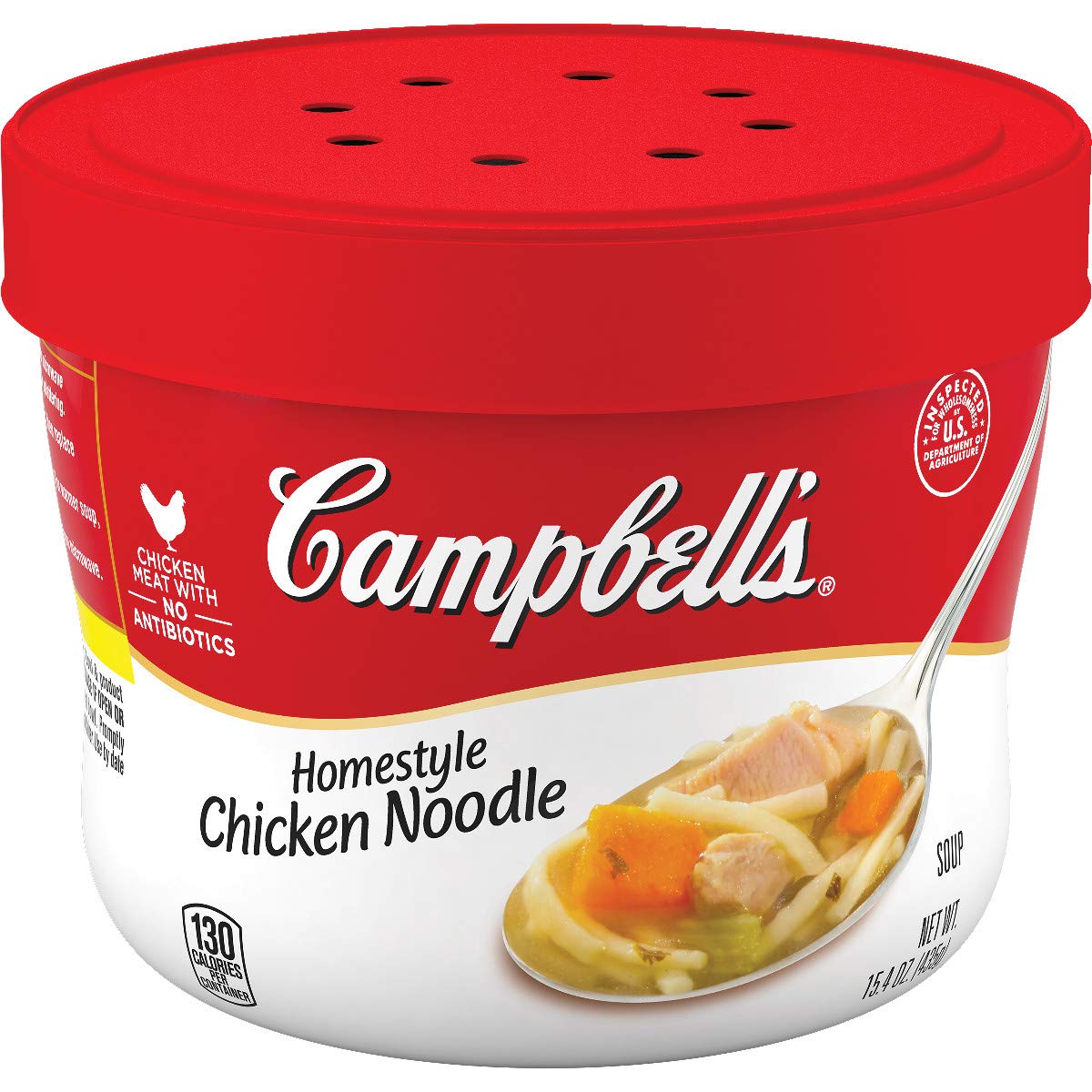
Campbell Soup Company
Campbell's Homestyle Chicken Noodle Soup Microwavable Bowl, 15.4 oz.
See current price

Hidden Valley
Hidden Valley Original Ranch Seasoning and Salad Dressing Mix, 16 Ounce
See current price
Pantry staples are the foundation of home cooking, from flour and spices to pasta, canned foods, sauces, and spreads. The right choice depends on how you cook, the ingredients you avoid, the quantity you need, and how easily the product fits into your pantry routine.
K-Catalog brings together pantry products across the Grocery & Gourmet Food category so shoppers can compare listed specifications and features before visiting Amazon to check current availability and purchase options.
How to choose pantry staples
Start with the role an item will play in your kitchen. A baking ingredient may need a specific texture or formulation, while a sauce or seasoning is usually selected for flavor, convenience, and compatibility with particular dishes.
Consider these factors when comparing products:
- Ingredients: Check the full ingredient list for allergens, sweeteners, preservatives, artificial colors, and ingredients you prefer to avoid.
- Dietary needs: Look for product information that aligns with vegetarian, vegan, gluten-free, kosher, low-sodium, organic, or other dietary preferences when relevant.
- Format: Pantry foods may be sold as powders, liquids, pastes, whole ingredients, ready-to-eat foods, or concentrated mixes. Choose the format that suits the recipe and your preparation style.
- Container and portion: A jar, can, pouch, box, or resealable bag can affect storage and ease of use. Smaller packages may suit occasional cooking, while larger formats can be practical for frequent use.
- Storage: Confirm whether the product is shelf-stable before opening and follow the package guidance after opening. Resealable packaging can help protect dry goods from moisture and odors.
- Recipe flexibility: Basic ingredients such as grains, beans, broth, and seasonings can work across many meals. Specialty products may be more useful when you already have a specific recipe or cuisine in mind.
Pantry staple types to explore
The largest parts of this category focus on cooking ingredients and baking supplies, along with herbs and seasonings. These are useful starting points for building a pantry around homemade meals, desserts, and meal preparation.
- Cooking & Baking includes ingredients and tools for everyday recipes, doughs, desserts, and other kitchen projects.
- Herbs, Spices & Seasonings covers individual spices, herb blends, seasoning mixes, and flavor-building ingredients.
- Canned, Jarred & Packaged Foods offers convenient foods that can support quick meals, side dishes, and recipe preparation.
- Sauces, Gravies & Marinades can add flavor with less preparation and may be used for cooking, dipping, glazing, or marinating.
- Soups, Stocks & Broths are useful as meal bases, cooking liquids, and flavor enhancers for rice, vegetables, sauces, and casseroles.
- Condiments & Salad Dressings includes toppings, spreads, dressings, and finishing ingredients for sandwiches, salads, and prepared dishes.
For more focused pantry searches, shoppers can also browse Pasta & Noodles, Olives, Pickles & Relishes, and Jams, Jellies & Sweet Spreads. These categories can help narrow the selection by meal use or flavor profile.
Ingredients for a flexible pantry
Dry staples are valuable when you want ingredients that can be combined in different ways. Compare Dried Grains & Rice by grain type, preparation requirements, texture, and package format. For plant-based protein and hearty meals, Dried Beans, Lentils & Peas can be compared by variety, cooking method, and whether the package provides preparation guidance.
Nut & Seed Butters may be chosen for spreads, sauces, smoothies, baking, or snacks. Compare the nut or seed used, texture, added oils, salt, sweeteners, and separation instructions. For breakfast foods, baking, and sandwiches, check Jams, Jellies & Sweet Spreads for fruit type, consistency, sweeteners, and jar format.
Key specifications and features to compare
Product information can vary considerably within the same pantry category. Pay close attention to the details most likely to affect how an item is used:
- Flavor and intensity: Seasonings, sauces, pickled foods, and spreads can range from mild to bold. Descriptions may help indicate intended uses and flavor direction.
- Texture: Consider smooth, chunky, creamy, whole, ground, powdered, or quick-cooking formats depending on the recipe.
- Preparation: Some foods are ready to serve, while others require soaking, boiling, mixing, baking, or dilution. Preparation instructions matter when convenience is a priority.
- Nutritional details: Compare serving information, sodium, added sugars, protein, fiber, and fat when these are relevant to your meal planning.
- Allergen information: Look for declared allergens and facility or cross-contact statements, especially when cooking for someone with a food allergy.
- Packaging: Check whether the container is resealable, easy to pour, stackable, or suitable for storing leftovers after opening.
- Cuisine and meal use: A product intended for baking may have different characteristics from one intended for savory cooking. Use descriptions and ingredients to match the product with your recipes.
Brands represented in the catalog
The catalog includes products from a range of familiar grocery and ingredient brands, including McCormick & Company, Inc., 365 By Whole Foods Market, Conagra, General Mills, Sun Maid, Bob's Red Mill, Wilton, Kraft-Heinz, Campbell Soup Company, and B&G Foods. Amazon.com Services LLC. and Amazon.com Services, Inc. are also represented in the catalog. Compare each product by its own ingredients, package information, preparation details, and intended use rather than choosing by brand name alone.
Pantry items can also complement categories such as Snacks & Sweets, Beverages, Breads & Bakery, and Dairy, Eggs & Plant-Based Alternatives. For ingredients stored outside the pantry, browse Frozen and Produce as well.
Pantry storage and shopping tips
Keep dry ingredients in a cool, dry place and protect open packages from humidity, heat, and pantry pests. Transfer items to airtight containers when appropriate, while retaining the original package information for ingredient, allergen, and preparation details.
For canned and jarred foods, inspect packaging for damage before use and follow the manufacturer’s storage guidance. Once opened, refrigerate products when directed and use clean utensils to reduce contamination. Organizing staples by meal type or frequency of use can make it easier to notice what needs replacing.
When comparing similar products, first filter for dietary requirements and intended use. Then compare format, ingredients, preparation, packaging, and storage details. This approach keeps the selection focused on practical differences rather than relying only on product names or images.
Frequently asked questions
What counts as a pantry staple?
Pantry staples are commonly stored foods and cooking ingredients used to prepare meals, baked goods, snacks, sauces, and drinks. Examples include grains, pasta, spices, canned foods, broths, condiments, spreads, and baking ingredients.
How should I compare similar pantry products?
Compare the ingredient list, allergen information, flavor, texture, preparation method, package type, storage instructions, and nutritional details. Match those features to your recipes and household needs.
Are all pantry staples shelf-stable?
No. Many pantry products are designed for storage before opening, but some require refrigeration after opening or have specific storage conditions. Always follow the product label.
What pantry foods are useful for quick meals?
Canned or packaged foods, pasta, noodles, broth, sauces, grains, and ready-to-use seasonings can help simplify meal preparation. Choose products that match your preferred cooking method and available preparation time.
How can I shop for dietary restrictions?
Begin with the ingredient and allergen information, then check any dietary claims and preparation details. If a requirement is important, verify the complete product labeling before purchase.
Where can I check current availability?
K-Catalog helps shoppers compare listed product specifications and features. Select a product to visit Amazon and check its current availability and purchase information.