

Pet Behavior Center Products & Buying Guide
Compare pet behavior products by purpose, compatibility, settings, and everyday practicality. Use the available specifications and features to narrow options for training, containment, and pet management.
40 products in catalog
40 results
Filters

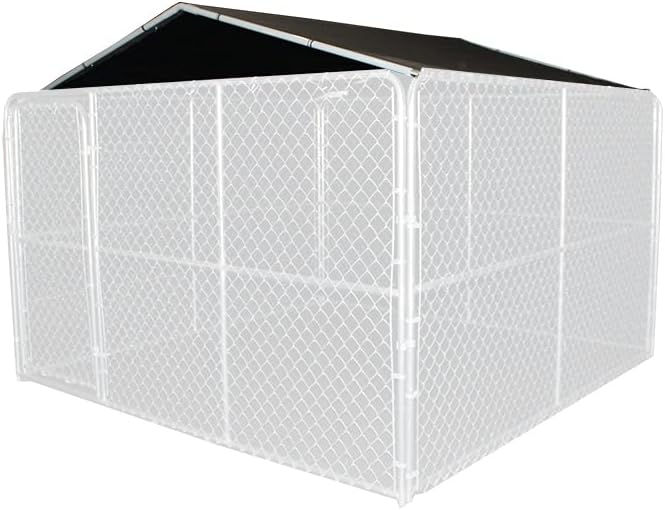


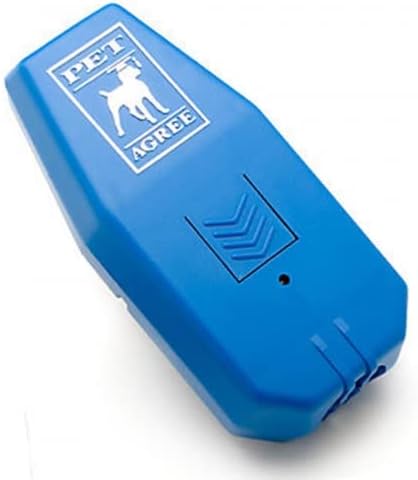
Pet-Agree, Inc.*
Pet-Agree Ultrasonic Training Aid, Sky Blue, Fits in Your Hand Perfectly
See current price
Pet-Agree, Inc.*
Pet-Agree Ultrasonic Training Aid, Sky Blue, Fits in Your Hand Perfectly
See current price


Popular brands in Pet Behavior Center
Pet behavior products can help pet owners address everyday challenges such as unwanted barking, boundary management, training routines, and household organization. The right choice depends on the animal, the behavior you want to change, and how the product fits into your home or outdoor space.
K-Catalog helps you compare listed products by their specifications and features before visiting Amazon to check current availability and purchase details. For broader pet-care shopping, browse Pet Supplies, or start with the animal-specific categories for Dogs and Cats.
How to choose pet behavior products
Start by defining the situation rather than choosing by product name alone. A dog that needs help with basic cues may require a different approach from a dog that crosses a property boundary or reacts to repeated sounds. Consider these questions:
- What behavior needs attention? Training, barking, boundary management, and general supervision call for different features.
- Which pet will use it? Species, size, temperament, age, and coat can affect fit and suitability.
- Where will it be used? Indoor products may need compact storage and simple controls, while outdoor options may require weather-resistant construction or a suitable installation area.
- Who will operate it? Look for controls and setup steps that every household member can understand and use consistently.
- What is the training plan? Products should support clear, consistent communication rather than replace supervision, rewards, and appropriate training.
Common types and uses
Pet behavior products generally fall into several practical groups, although individual products may combine more than one function.
Training aids
Training-focused products can support teaching cues, redirecting attention, and reinforcing consistent routines. Compare how the product is operated, whether settings can be adjusted, and whether it is appropriate for the pet’s size and temperament. Ease of use matters because inconsistent handling can make training less clear.
Bark and sound management
Products designed for barking or sound-related behavior should be compared by their detection method, adjustment options, range, and intended environment. Before choosing one, identify whether the issue is occasional alert barking, repeated noise, or a response to a particular trigger. A product should be used alongside attention to the underlying cause of the behavior.
Containment and boundary management
Containment-related products are intended for situations where a pet needs help staying within a defined area. Review the installation requirements, boundary flexibility, power source, operating range, and fit of any wearable component. Confirm that the setup works with the property and that the pet can be supervised safely while learning the boundary.
General behavior and household management
Some products are useful for managing routines, access, or recurring household situations rather than teaching a specific command. Compare dimensions, mounting or placement requirements, cleaning needs, and how easily the product can be reset or adjusted as your pet’s needs change.
Key features and specifications to compare
Product pages can differ substantially in the details they provide. Pay close attention to:
- Adjustability: Look for selectable modes, intensity levels, sensitivity controls, or customizable boundaries when those features suit the situation.
- Fit and sizing: For collars or wearable components, check the adjustment range, recommended pet size, and contact or attachment design.
- Power: Compare battery type, charging method, battery access, and whether replacement parts are easy to identify.
- Durability: Outdoor use may call for resistance to moisture, dirt, and everyday wear. Indoor products may place more emphasis on compact construction and easy cleaning.
- Setup: Check whether installation requires tools, a fixed location, boundary markers, or a particular layout.
- Compatibility: Verify compatibility with the pet, existing equipment, household environment, and any accessories required for operation.
- Safety and supervision: Review warnings and operating instructions carefully. Behavior products should not be treated as a substitute for supervision or professional help when a pet shows fear, aggression, pain, or a sudden change in behavior.
Brands represented in the catalog
The catalog includes products from PetSafe, Ortho, Pet-Agree, Inc., Training and Bark, Do It Yourself Containment, Dogtra, King Canopy, Royal Pet Incorporated, Arm & Hammer, Purina, and Pet Parade. These brands are represented in this category for comparison; shoppers should evaluate each individual product’s specifications, intended use, and instructions rather than relying on brand name alone.
Choosing for different pets
Behavior tools are often associated with dogs, but the appropriate product depends on the species and the behavior involved. For dog-specific options, compare fit, training purpose, and outdoor requirements in Dogs. Cat owners can review related supplies in Cats, where environmental enrichment and access management may be more relevant than correction-based tools.
Owners of fish, birds, reptiles, or small animals should confirm that a product is actually designed for the species before buying. Explore Fish & Aquatic Pets, Small Animals, Birds, or Reptiles & Amphibians when the behavior or habitat question is species-specific.
Frequently asked questions
What should I consider first when buying a pet behavior product?
Identify the behavior, the pet’s species and size, the intended location, and the type of training or management plan you will use with the product.
Are pet behavior products suitable for every animal?
No. Check the product’s intended species, fit requirements, operating method, and safety instructions before use.
How do I compare containment products?
Review installation needs, boundary range, power source, adjustability, weather suitability, and the fit of any collar or wearable component.
What specifications matter for training aids?
Useful comparison points include control layout, adjustable settings, fit, power, durability, and whether the product supports the behavior you want to teach.
Can a behavior product replace training or supervision?
No. These products should support consistent training and supervision. Sudden, severe, or concerning behavior may require advice from a qualified veterinarian or behavior professional.
Where can I check availability and purchase details?
After comparing specifications and features on K-Catalog, visit the relevant Amazon product listing to check current availability and purchase information.