
Ernie Ball
Ernie Ball Mondo Slinky Nickelwound Electric Guitar Strings 10.5-52 Gauge
See current price

Compare instrument accessories for maintenance, protection, playability, setup, and performance. Browse by instrument family, then narrow your choices by compatibility and practical features.
5,737 products in catalog
5,737 results
Ernie Ball
See current price


WinGo
See current price

Fender
See current price

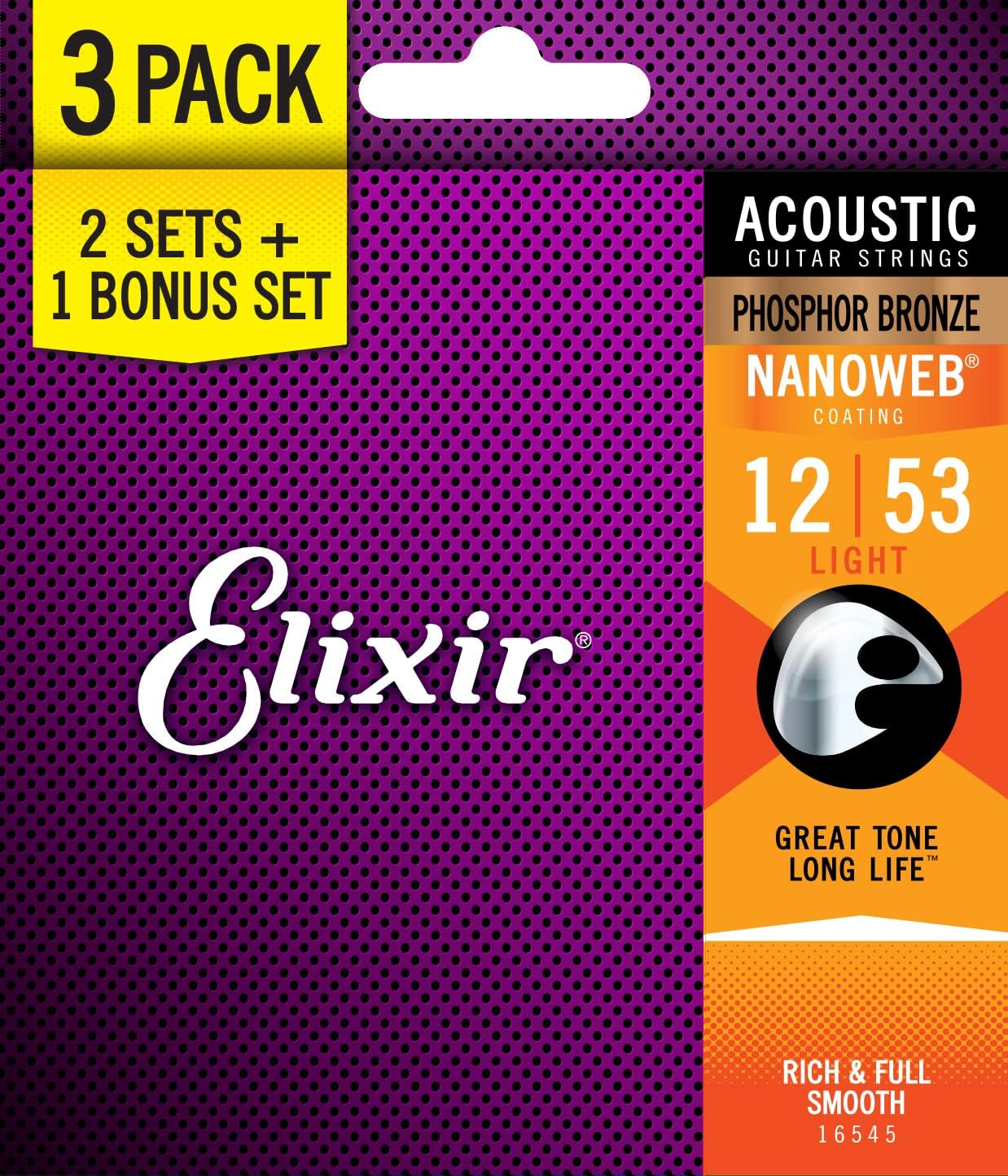
Elixir
See current price


Ernie Ball
See current price


Snark
See current price


Ernie Ball
See current price


Ernie Ball
See current price



Instrument accessories can help protect an instrument, support more comfortable playing, simplify transport, or keep a setup ready for practice and performance. The right choice depends less on a general accessory type than on the exact instrument, dimensions, connection points, playing style, and intended use.
K-Catalog organizes accessories by instrument family so shoppers can compare specifications and features before checking the current product details on Amazon. Start with the category that matches your setup, then confirm fit and compatibility carefully.
The largest area of the catalog is Guitar & Bass Accessories, covering equipment and replacement items for electric, acoustic, and bass setups. Pay close attention to instrument size, hardware design, string configuration, and whether an accessory is intended for home practice, rehearsal, recording, or live use.
For rhythm instruments, Drum & Percussion Accessories can include items for drum kits, hand percussion, mounting, playing, storage, and maintenance. Compatibility may depend on drum or cymbal dimensions, mounting hardware, playing position, and the demands of transportation.
Other dedicated sections include:
Check the accessory’s stated instrument type, series or format, attachment method, and dimensions. A universal design may be convenient, but “universal” does not guarantee a secure fit for every instrument. For replacement parts, compare the original component with the listed measurements and connection style.
For electronic accessories, verify the connector type, power requirements, signal path, and controls. For stands, mounts, and holders, consider both the accessory’s support points and the instrument’s weight and shape. If the product is intended for a specific keyboard, pedal, drum component, or string instrument, confirm that exact compatibility before purchasing.
An item used for storage may need different features from one used on stage. Consider whether the priority is portability, protection, fast adjustment, stable positioning, cleaner maintenance, or improved playing comfort.
Useful questions include:
A simple accessory can be the better choice when reliability and easy replacement matter more than extra features. A more adjustable design may suit shared equipment or musicians who change setups often.
Materials and construction: Look for materials appropriate to the accessory’s use. Padding, protective finishes, reinforced contact points, and durable hardware can matter for items that handle transport or repeated adjustment. For picks, sticks, reeds, strings, and similar consumables, feel and playing response may be more important than exterior durability.
Size and adjustment range: Stands, benches, holders, straps, cases, and supports should fit both the instrument and the player. Compare height, width, depth, weight capacity where provided, and folded or stored dimensions. An accessory that fits in use but is awkward to carry may not suit a mobile setup.
Attachment and stability: Examine how the product installs and how securely it stays in position. Clamps, straps, brackets, suction surfaces, threaded fittings, and adhesive components each suit different applications. Check whether contact surfaces are designed to reduce slipping or protect the instrument’s finish.
Maintenance and replacement: Some accessories are selected to make cleaning, tuning, string changes, reed care, or routine setup easier. Check what is included, which components are replaceable, and whether the item requires special care. Consumables should be matched to the instrument and the player’s preferred feel.
Portability and storage: Cases, bags, covers, organizers, and folding supports are easier to compare when you consider handles, closures, compartments, padding, ventilation, and the space required in storage. Make sure internal dimensions leave room for the instrument and any accessories carried with it.
The catalog includes products from Jim Dunlop, Fender, Musiclily, D'Addario, Yamaha, Ernie Ball, Donner, Vic Firth, MusicNomad, Korg, Amazon Basics, and Gibraltar. These brands appear across different accessory types and instrument families, so compare each individual product’s specifications rather than choosing by brand name alone. Materials, dimensions, compatibility, and included components can vary between products from the same manufacturer.
For broader setup planning, shoppers may also want to compare Microphones & Accessories for instrument capture, Live Sound & Stage for performance equipment, or Studio Recording Equipment for recording-focused setups. If the main instrument is still needed, browse Drums & Percussion, Keyboards & MIDI, or the wider Musical Instruments catalog.
Read the full compatibility information instead of relying only on product photos. Measurements shown in listings are especially important for cases, stands, mounts, replacement parts, and anything that attaches directly to an instrument.
Protect finishes by checking whether contact points use suitable padding or protective material. Avoid forcing a part into place, overtightening clamps, or using an accessory outside its stated purpose. Store moisture-sensitive items according to the manufacturer’s care guidance, and keep small replacement parts organized so they are easy to identify when needed.
For stage or rehearsal use, test the planned arrangement for stability and access before relying on it in performance. Keep cables, straps, stands, and hardware positioned so they do not interfere with movement. For accessories carried with an instrument, confirm that the case or bag closes properly without excessive pressure.
Match the listing’s instrument type, dimensions, attachment method, connector, or part specification with your exact instrument. When uncertain, compare the original component or consult the instrument manufacturer’s documentation.
Not always. Universal products may accommodate a range of designs, but fit, stability, weight support, and contact-point protection still need to be checked for the specific instrument.
Prioritize secure attachment, stable positioning, fast adjustment, visibility of controls, and easy transport. Choose construction and storage features that suit repeated setup and teardown.
Compare dimensions, materials, threading or connectors, instrument compatibility, and the function of the original part. Confirm whether installation requires tools or professional adjustment.
Many do. Wipe away dust and moisture, inspect fasteners and contact points, store items appropriately, and replace worn consumables or damaged protective components before they affect the instrument or setup.