

Produce: Fresh, Dried & Packaged Options
Compare produce by form, ingredients, packaging, and storage needs. Browse fresh fruits and vegetables, dried options, herbs, packaged items, and vegetarian proteins.
2,677 products in catalog
2,677 results
Filters
Availability
Brand
Price





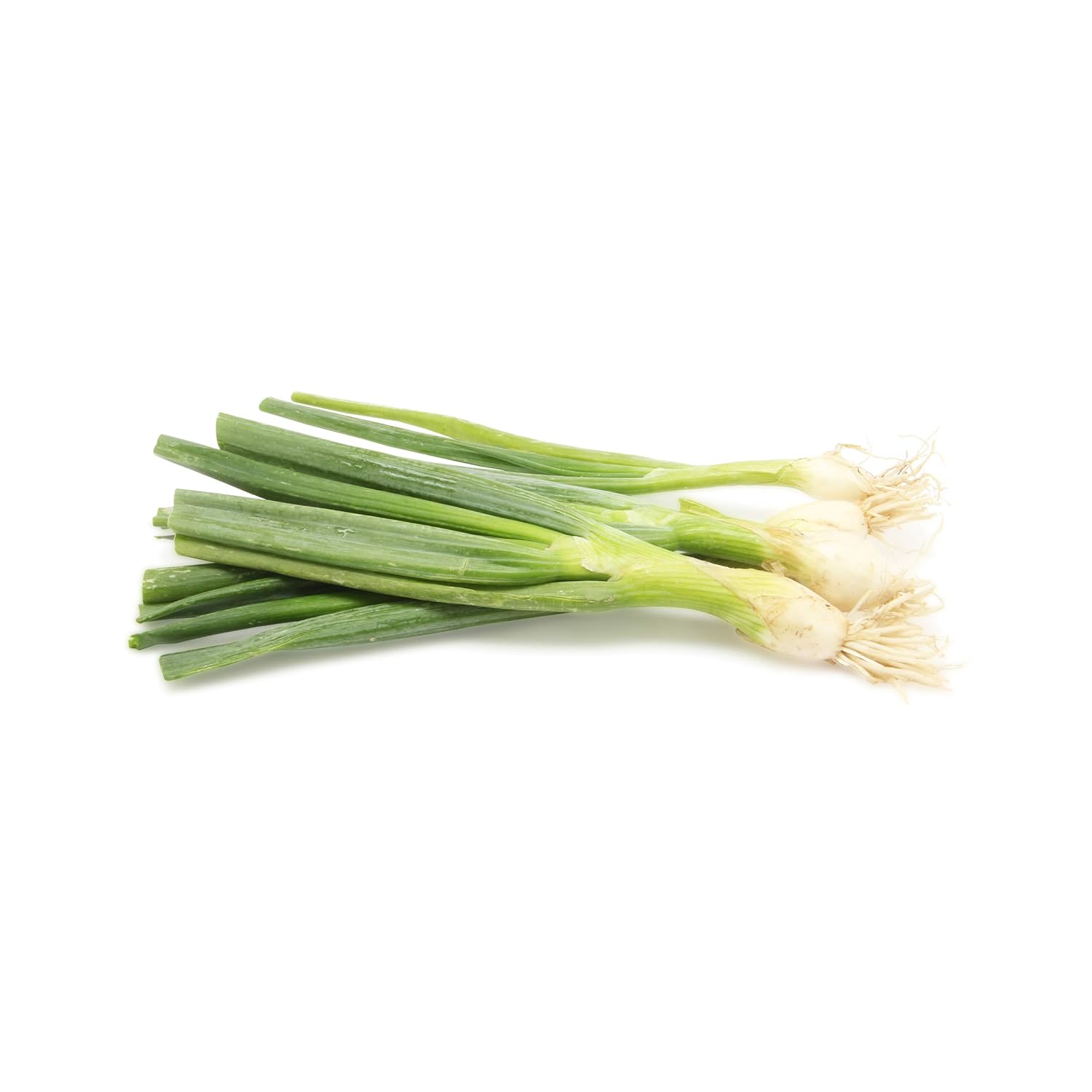

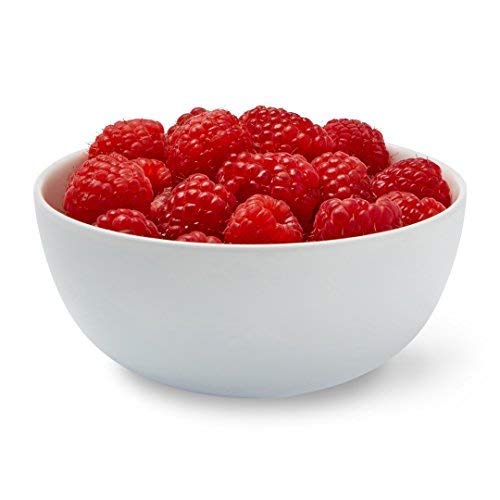
Popular brands in Produce
Produce covers more than fresh fruits and vegetables. The category also includes dried ingredients, packaged options, fresh herbs, and vegetarian proteins for cooking, snacking, meal preparation, and pantry storage.
Use K-Catalog to compare the details that matter for your shopping list, then check the product listing for current availability and other purchase information.
How to choose produce
Start with how you plan to use the item. Fresh produce is often selected for immediate meals, salads, smoothies, garnishes, or cooking. Dried produce can be useful when you want ingredients with a longer storage life or concentrated flavor. Packaged produce may offer a convenient format for portioning, preparation, or on-the-go eating.
Consider these questions before comparing products:
- Is the item intended for fresh use, cooking, baking, snacking, or meal prep?
- Do you need a single ingredient or a blend of fruits, vegetables, herbs, or plant proteins?
- Will the product be used quickly, or is convenient storage a priority?
- Are there ingredient, dietary, allergen, or preparation requirements to check?
- Does the package format suit your household and expected usage?
Explore produce types
The larger parts of this category are fresh vegetables and dried fruits and vegetables, so they are useful starting points for everyday cooking and pantry planning. Fresh fruits provide options for snacks, breakfast, desserts, and drinks, while packaged produce focuses on convenience and ready-to-use formats.
- Fresh Vegetables for cooking, side dishes, salads, and meal preparation.
- Dried Fruits & Vegetables for pantry storage, baking, trail mixes, snacks, and recipes.
- Fresh Fruits for eating fresh, blending, baking, or serving with meals.
- Packaged Produce for prepared, portioned, blended, or otherwise convenient formats.
- Fresh Herbs for seasoning, garnishing, sauces, and dressings.
- Vegetarian Proteins for plant-based meal components and meat-free recipes.
If you are building a broader grocery order, related sections such as Pantry Staples, Snacks & Sweets, and Frozen can help fill out meals and storage options.
Features and specifications to compare
The most useful details depend on the produce type. For fresh items, compare the product description, variety, preparation state, packaging, and intended use. Some listings may describe whole, cut, washed, or ready-to-use formats, so read the specifications carefully rather than assuming two similar items are interchangeable.
For dried produce, check whether the item is whole, sliced, diced, powdered, or part of a blend. Review the ingredient list for added sweeteners, oils, preservatives, seasonings, or other ingredients. Texture and rehydration instructions may also matter for cooking.
For packaged produce and vegetarian proteins, compare serving format, ingredients, preparation instructions, storage guidance, and dietary information. Package size and portion format can affect convenience, especially for lunch preparation, family meals, or occasional use.
Brands represented in the catalog
The catalog includes listings associated with PRODUCE, PRODUCE-WFM, 365 By Whole Foods Market, Produce (Brands May Vary), and produce aisle. Other represented names include RFG, Taylor Farms, Sun Maid, Whole Foods Market, Anna and Sarah, Amazon.com Services, Inc., and AmazonUs/TO92Y.
These names identify brands or catalog labels appearing in the category, not endorsements or quality judgments. Compare the actual ingredients, format, package details, and storage information for each listing.
Storage and preparation considerations
Fresh produce generally requires closer attention to handling and storage than dried or shelf-stable formats. Before choosing, look for storage instructions and consider how soon the item will be used. Fresh herbs and delicate fruits may be selected for short-term meal plans, while dried produce can be easier to keep available for recipes and snacks.
For packaged products, check whether refrigeration, freezing, or another storage method is specified. Read preparation directions for items that need washing, soaking, cooking, or rehydration. If dietary restrictions are important, review the full ingredient and allergen information rather than relying only on the product title.
For more grocery planning options, browse Beverages, Breads & Bakery, and Dairy, Eggs & Plant-Based Alternatives.
Frequently asked questions
What types of products are included in Produce?
Produce includes fresh vegetables, dried fruits and vegetables, fresh fruits, packaged produce, fresh herbs, and vegetarian proteins.
How should fresh and dried produce be compared?
Compare intended use, preparation state, ingredients, package format, storage needs, and whether the texture or moisture level suits your recipe.
What should I check in packaged produce listings?
Review the ingredients, preparation instructions, storage guidance, package format, dietary details, and any information about whether the item is ready to use.
Are vegetarian proteins part of the Produce category?
Yes. Vegetarian proteins are included as a produce subcategory for shoppers seeking plant-based meal components and meat-free recipe ingredients.
How can I choose fresh herbs?
Consider the herb’s intended recipe, preparation form, package details, storage guidance, and how quickly you expect to use it.