

Toy Figures & Playsets for Imaginative Play
Compare toy figures, playsets, vehicles, animals, dinosaurs, and character toys by materials, scale, compatibility, age guidance, and play features.
13,151 products in catalog
13,151 results
Filters


Paw Patrol
Paw Patrol, Chase’s Patrol Cruiser Vehicle with Collectible Figure, for Kids Aged 3 and Up
See current price


Funko
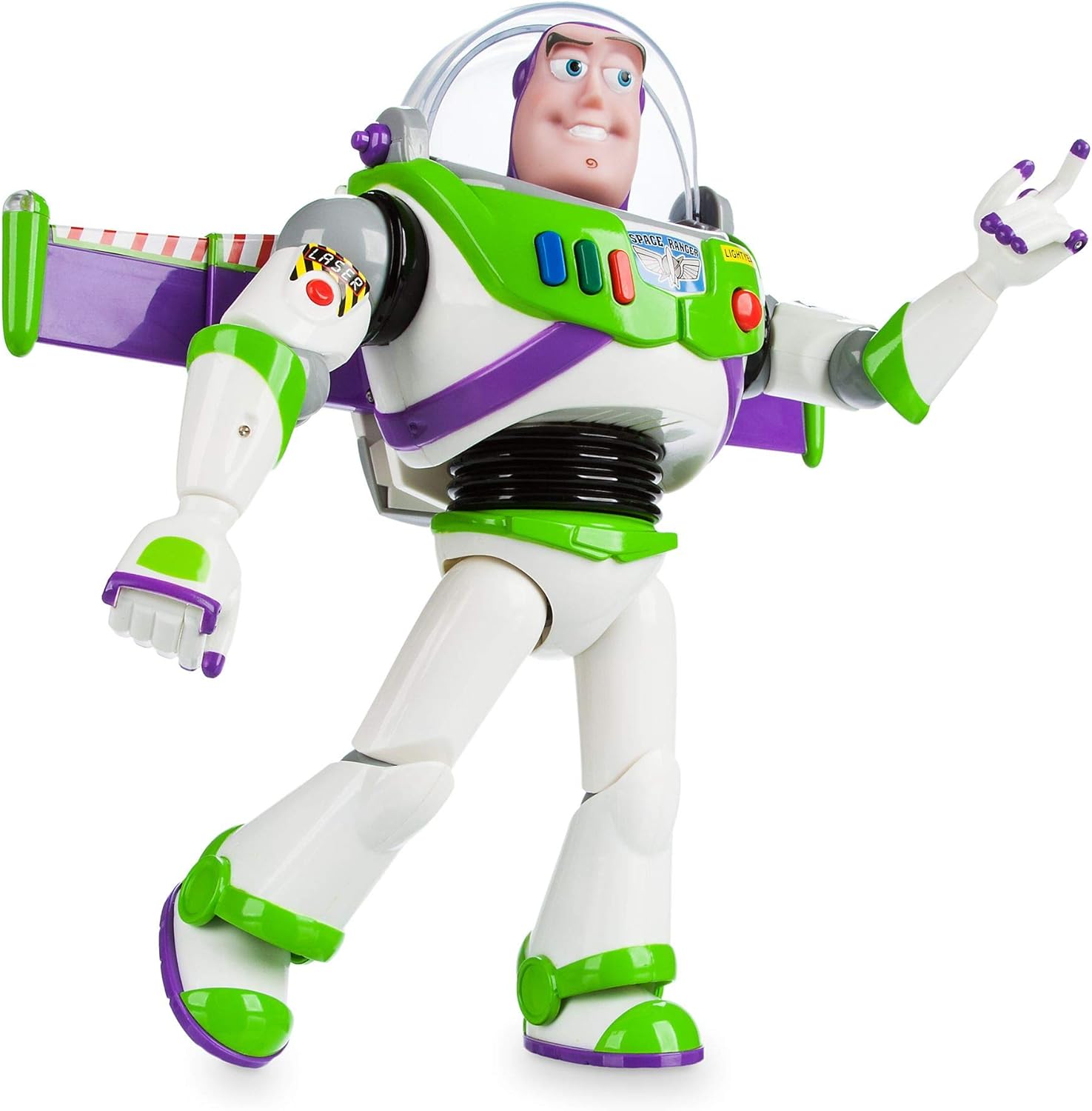
Funko Pop! Marvel: Avengers Endgame - Captain America with Broken Shield & Mjoinir
See current price


Spin Master
Paw Patrol, Dino Rescue Chase’s Deluxe Rev Up Vehicle with Mystery Dinosaur Figure
See current price


Moose Toys
Heroes of Goo Jit Zu Dino X-Ray Fossil Faceoff Versus Pack - Thrash vs Verapz
See current price


Spin Master
DC Comics Batman 12-inch Rebirth Action Figure, Kids Toys for Boys Aged 3 and up
See current price




Spin Master
DC Comics Batman 12-inch Bat-Tech Batman Action Figure (Black/Blue Suit), Kids Toys for Boys Aged 3 and up
See current price
Popular brands in Toy Figures & Playsets
Toy figures and playsets give children ways to recreate stories, build scenes, and invent their own adventures. They can also appeal to collectors and fans who care about character details, poseability, finish, and display features.
K-Catalog brings together a broad selection across this category, from character-focused action figures to animal figures, miniature vehicles, and complete themed environments. Use the product details to compare construction, dimensions, included accessories, recommended age, and how each option fits the intended style of play.
How to choose toy figures and playsets
Start by deciding how the toy will be used. A child who enjoys active storytelling may prefer articulated figures, vehicles, or a playset with several interactive areas. A collector may prioritize sculpting, paint details, poseability, scale, and display stability. For open-ended play, look for pieces that can work with existing toys rather than a set limited to one scenario.
Consider these questions before choosing:
- Who will use it? Check the recommended age range and whether the design suits the child’s interests and abilities.
- What kind of play is expected? Action scenes, role-play, animal habitats, vehicle play, and display-oriented collecting call for different features.
- How much space is available? Larger playsets need room for setup and storage, while smaller figures can be combined in a compact collection.
- What is included? Compare the main figures with accessories, vehicles, scenery, stands, weapons, furniture, or other components.
- Will it be used with other toys? Similar scale, connection points, and compatible accessories can make a collection more flexible.
Explore the main types
The catalog’s largest selection is in Action Figures, covering figures designed around characters, adventures, and poseable play. Compare articulation, accessories, scale, and whether a figure is intended primarily for active play or display. Some are suited to building a character collection, while others work best as part of a larger scene.
Playsets are useful when the setting is as important as the figure. These may represent rooms, vehicles, bases, stages, habitats, or other environments. Look at the footprint, assembly requirements, moving parts, storage needs, and the number and type of pieces included.
For transport-focused play, browse Play Figure Vehicles. Vehicles can add movement and storytelling to figure collections. Check whether figures fit inside or on the vehicle, whether doors or other parts open, and whether the vehicle is designed for a particular scale or character system.
Animal-focused options are collected in Animals. These figures can support educational play, imaginative habitats, farm or wildlife scenes, and collections organized by species. Compare the level of sculpted detail, proportions, pose, material, and whether the figure is intended for play or display.
Fans of prehistoric themes can explore Dinosaurs & Prehistoric Creatures. Compare species representation, size, texture, articulation, sound or movement features when listed, and the amount of detail. If several figures will be used together, consistent scale can help create a more convincing scene.
The People and Fantastic Creatures categories offer additional character types for role-play and storytelling. People figures may suit town, family, career, or historical scenes, while fantastic creatures can expand fantasy adventures. Check each listing carefully for dimensions, accessories, and the intended play environment.
Features and specifications to compare
Scale and dimensions affect compatibility and storage. A figure that looks suitable in a product photo may not match the size of an existing collection, so compare stated height, length, or overall dimensions where available. For playsets, also consider the assembled footprint and clearance around moving parts.
Articulation matters for action poses and storytelling. Look for information about movable limbs, heads, hands, wings, tails, or other elements. More articulation can increase posing possibilities, but simpler figures may be easier for younger children to handle and may be more durable during active play.
Materials and construction influence handling and care. Common considerations include rigid versus flexible parts, painted details, fabric elements, transparent pieces, and small accessories. Inspect the listing’s material information and age guidance, especially when a set includes detachable components.
Included accessories can change the way a toy is played with from the first use. A figure may come with equipment, clothing, tools, scenery, or alternate parts. A playset may include figures, furniture, platforms, ramps, or other scene-building pieces. Do not assume accessories are included solely because they appear in an image; use the stated contents as the guide.
Interactive features can include moving mechanisms, launch functions, lights, sounds, doors, wheels, or transforming parts. Compare how those features operate and whether batteries, assembly, or additional components are required when the listing specifies them.
Brands represented in the catalog
Shoppers will find products from brands including Funko, Hasbro, Mattel, Schleich, McFarlane Toys, BANPRESTO, Jazwares, Spin Master, Bandai, Neca, Fisher-Price, and POP. These brands may serve different preferences, from character collecting and detailed display pieces to imaginative play for younger children.
Brand familiarity can help narrow a search, but it should not replace checking the individual listing. Compare the specific figure’s dimensions, materials, articulation, included parts, age guidance, and compatibility. Two products from the same brand can be designed for very different uses.
Safety, storage, and compatibility tips
Follow the manufacturer’s recommended age guidance and inspect the product description for small parts, detachable accessories, or other handling considerations. Keep pieces organized so accessories do not get lost and younger children do not accidentally access components intended for older users.
Before combining products, compare scale and connection systems rather than relying on brand name alone. Figures from different lines may have different proportions, foot sizes, vehicle interiors, or accessory standards. For playsets with assembly, retain instructions and check that moving sections are secure before use.
For display-oriented figures, choose a stable surface away from excessive heat, moisture, and direct sunlight. Handle painted or delicate parts carefully, and use the care guidance supplied with the product. For toys used frequently in active play, periodically check joints, wheels, doors, and small attachments for wear.
If you are also shopping for age-focused toys, Preschool may help identify additional options. For broader play activities, related choices include Games & Accessories, Arts & Crafts, and Sports & Outdoor Play.
Frequently asked questions
What is the difference between a figure and a playset?
A figure is usually an individual character, creature, or person. A playset generally adds an environment, accessories, or interactive components for building a larger play scene.
How do I know whether figures will work with a playset?
Compare the figure’s stated dimensions and scale with the playset’s size and compatibility information. Check whether the listing identifies included figures or supports a particular figure line.
Are toy figures suitable for collecting as well as play?
Many figures can serve either purpose, but the best choice depends on the design. Compare paint detail, poseability, included parts, packaging information, durability, and whether the product is intended for display or active handling.
What should I check before buying a toy with small accessories?
Review the recommended age, included components, and safety information. Small detachable parts may be unsuitable for younger children, so choose according to the manufacturer’s guidance.
How can I choose a dinosaur or animal figure?
Consider the desired species or creature type, dimensions, sculpted detail, material, pose, and whether the figure needs to match others in scale. Also decide whether it is for imaginative play, education-focused scenes, or display.
Where can I check the current purchase information?
Open a product listing through K-Catalog to compare its specifications and features, then visit Amazon to check the current price and purchase details.