
Amazon Basics
Amazon Basics USB 2.0 Extension Cable - A-Male to A-Female Adapter Cord - 3.3 Feet (1 Meters) , Printer
See current price

Explore home audio products for music, movies, radio, vinyl, and everyday listening. Compare specifications, connections, formats, and features before choosing a setup.
6,060 products in catalog
6,060 results
Amazon Basics
See current price
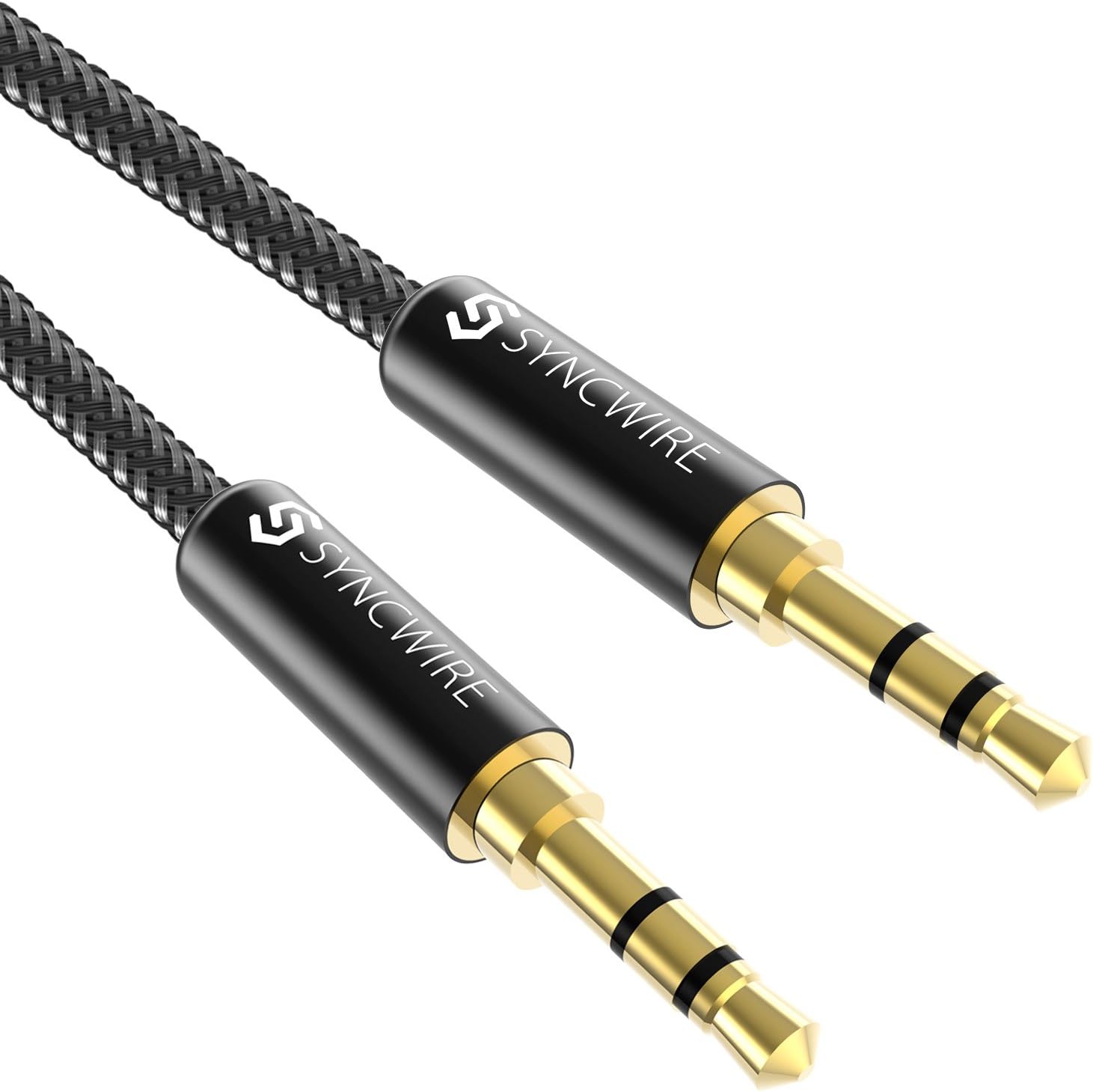

Amazon Basics
See current price

Amazon Basics
See current price

Amazon Basics
See current price


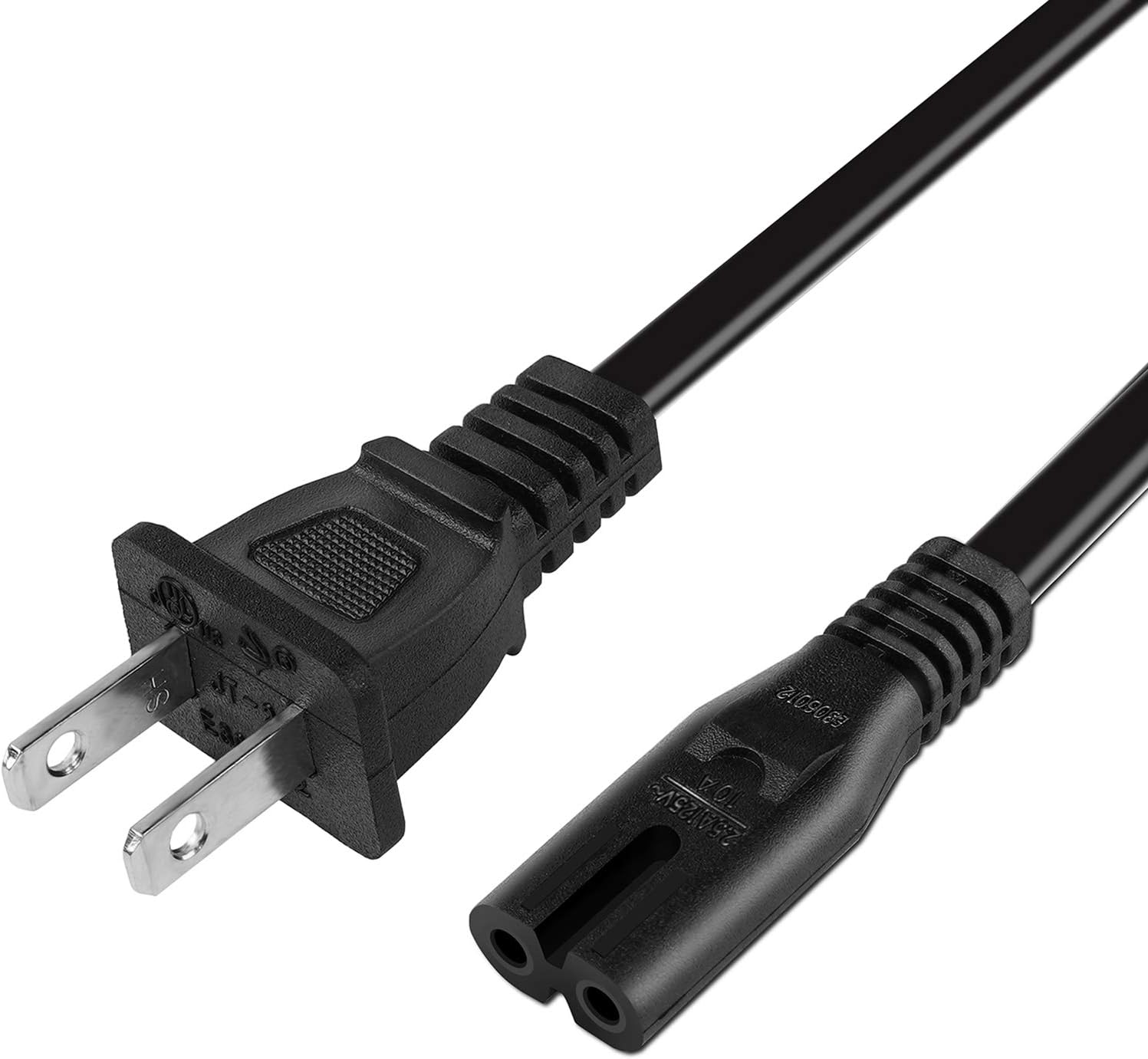
![oldboytech 2 Pack AUX Cable, Auxiliary Cable [16ft/5M, Hi-Fi Sound] 3.5mm Nylon Braided AUX Cord for Car Compatible with Stereos, Speaker, iPod iPad, Headphones and More(Grey)](https://m.media-amazon.com/images/I/71fmwkxUa5L._AC_SL1500_.jpg)


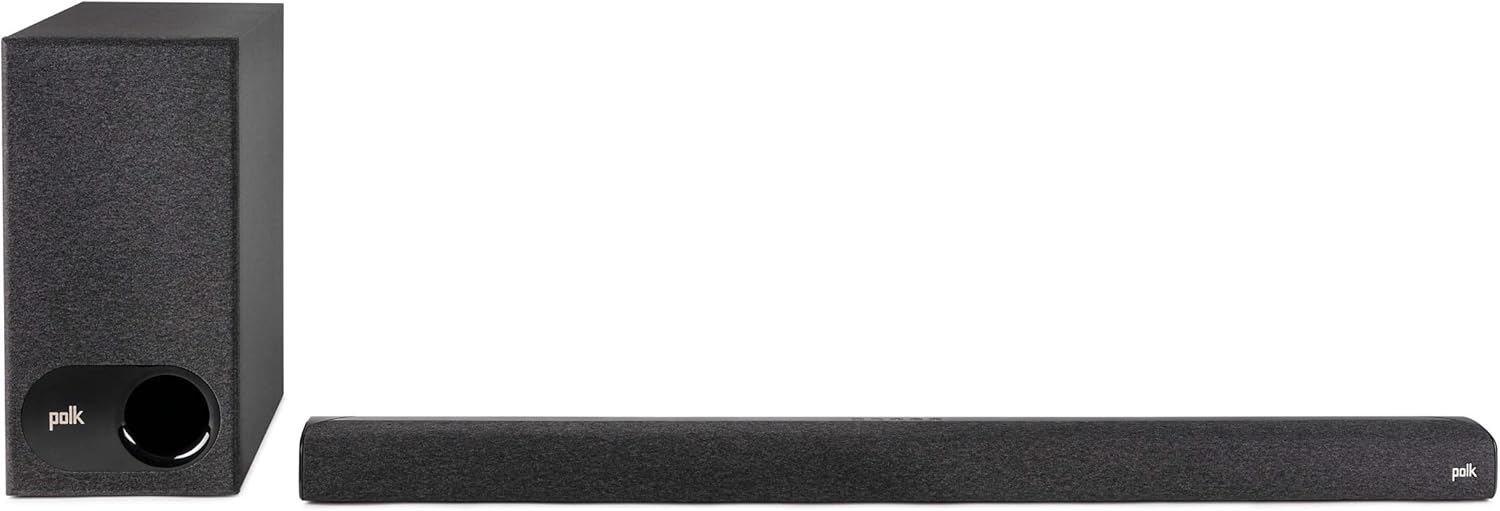


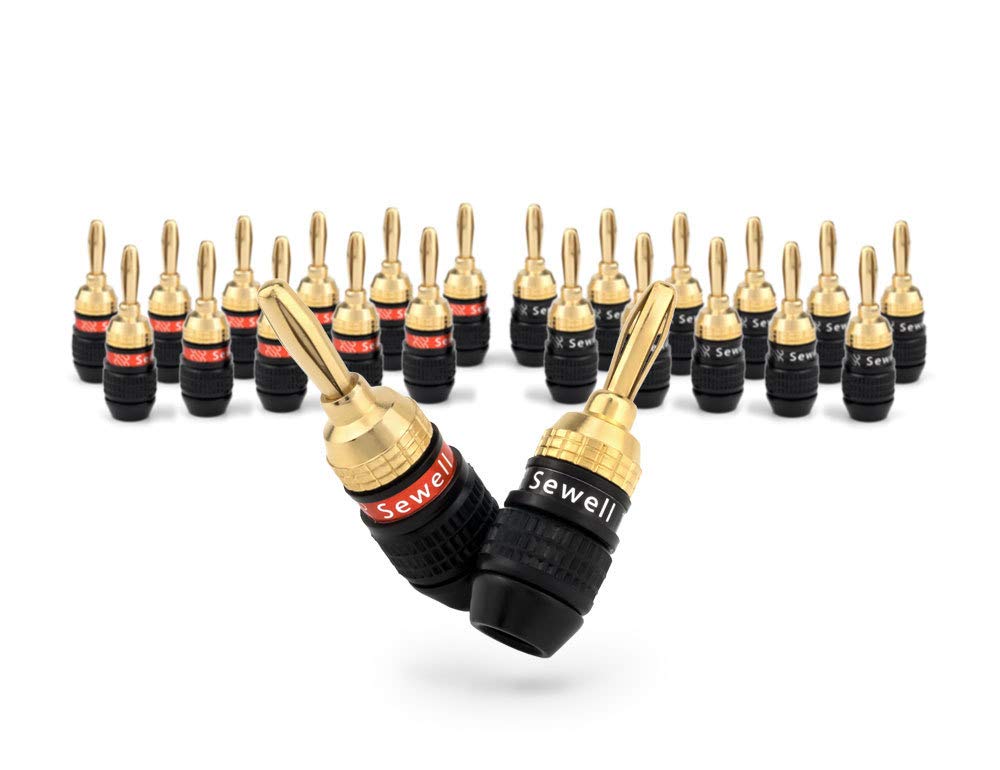
Whether you are building a complete listening system or replacing one component, Home Audio covers a wide range of equipment for music and entertainment. The right choice depends on your room, sources, listening habits, and how much control you want over the setup.
Use this catalog to compare speakers, home theater equipment, turntables, compact systems, streaming products, and the accessories that connect them. For adjacent electronics, browse Electronics or explore Headphones, Earbuds & Accessories for more personal listening options.
Start by identifying what you want the system to do. A simple setup for radio or casual music may need only a compact stereo or an all-in-one wireless speaker. A dedicated music system may call for separate source equipment, an amplifier, and passive speakers. Home theater setups add multiple speakers and connections for television and movie audio.
Consider these questions before comparing individual products:
The catalog’s broadest selection is found among Home Audio Accessories, including items that help connect, mount, protect, or organize audio equipment. Accessories can be important when adding a new source, positioning speakers, or adapting older equipment to a newer setup.
Speakers include options for different room sizes, listening positions, and system designs. Compare whether a speaker is intended for stereo music, television audio, surround sound, desktop use, or installation. Also check whether it is passive or powered, since that affects the type of equipment required.
For straightforward everyday listening, Compact Radios & Stereos combine core functions in a smaller format. These systems can suit bedrooms, kitchens, offices, and other spaces where a full component setup would be unnecessary.
Home Theater equipment is designed to improve television and movie sound. Depending on the product, this area may include soundbars, surround speakers, receivers, subwoofers, and other parts of a home cinema setup. Compatibility with your television and available space should be central to the comparison.
Vinyl listeners can browse Turntables & Accessories. Compare the turntable’s cartridge, drive method, outputs, speed support, and included features, then check whether your amplifier or powered speakers provide the connections it needs.
Wireless & Streaming Audio focuses on convenient playback from compatible devices and online sources. Look at supported wireless standards, app requirements, multi-room features, and whether the product can also accept a wired source.
For a more customizable setup, Stereo System Components can be combined according to your preferred sources, amplification, and speakers. Component systems require more planning, but they may make it easier to upgrade one part at a time.
Audio product descriptions can look similar while serving very different purposes. Focus on the specifications that affect compatibility and everyday use rather than comparing isolated figures.
List the equipment you already own and identify its available connections. Common considerations include HDMI, optical audio, analog inputs, USB, Bluetooth, Wi-Fi, speaker terminals, and subwoofer outputs. A product may have the right general function but still be unsuitable if it lacks the connection you need.
For television systems, check how audio passes between the television and the sound system. For turntables, determine whether a phono preamp is built in or required separately. For passive speakers, confirm that the amplifier or receiver can support them appropriately.
When comparing speakers, look at whether they are powered or passive, their intended placement, enclosure design, and compatibility with the rest of the system. Powered speakers include amplification, while passive models rely on a separate amplifier or receiver.
Power specifications should be considered alongside room size, listening distance, and speaker sensitivity. A higher stated figure alone does not determine whether a speaker will suit your room or sound preferences.
Wireless products vary in how they connect and what they support. Check Bluetooth capabilities, Wi-Fi requirements, streaming platform compatibility, voice-assistant support if relevant, and whether the product can join a multi-room system. Also consider what happens if your network is unavailable; a wired input or Bluetooth connection may provide useful flexibility.
Dimensions, weight, mounting options, display visibility, remote controls, and button layout can matter as much as audio features. A product that fits your shelf or entertainment center is easier to install and use. For speakers, placement options and cable routing may influence the final setup.
The Home Audio catalog includes products from Sony, Pyle, Klipsch, Samsung, MonoPrice, VIZIO, Polk Audio, kenable, Bose, VCE, Crosley, and Yamaha Audio. These brands appear across different types of equipment and accessories, so compare each product’s specifications and intended use rather than assuming products from one brand have the same capabilities.
Brand familiarity can help narrow a search, but connections, dimensions, power requirements, included components, and compatibility remain more useful for matching a product to your system.
A little preparation can prevent compatibility problems. Draw a simple path from each source to the device that will process or amplify the audio, then from that device to the speakers. This makes it easier to identify missing cables, adapters, stands, or other accessories.
Keep these practical points in mind:
If your main display is part of the system, Television & Video may contain related equipment to compare alongside home theater products. For portable listening devices, see Portable Audio & Video.
A stereo system generally focuses on left-and-right music playback. Home theater equipment is designed for television and movie audio and may support a soundbar, surround speakers, a receiver, or a subwoofer.
No. Powered speakers have built-in amplification, while passive speakers require a compatible amplifier or receiver. Check the product specifications and your existing equipment before connecting them.
Check the turntable’s outputs, cartridge, drive method, speed support, and whether it includes a phono preamp. Then confirm that your amplifier, receiver, or powered speakers can accept its signal.
Neither is automatically better for every setup. Wireless audio offers convenience and fewer cables, while wired connections can be useful for fixed equipment, specific sources, and systems that need direct compatibility.
Not necessarily. Compact and integrated systems can be practical for simple listening. Separate components are useful when you want more control over sources, amplification, speaker selection, or future upgrades.