

Drums & Percussion
Explore drums and percussion for practice, performance, recording, classrooms, and world-music ensembles. Compare construction, sound, size, compatibility, and included accessories before choosing.
808 products in catalog
808 results
Filters


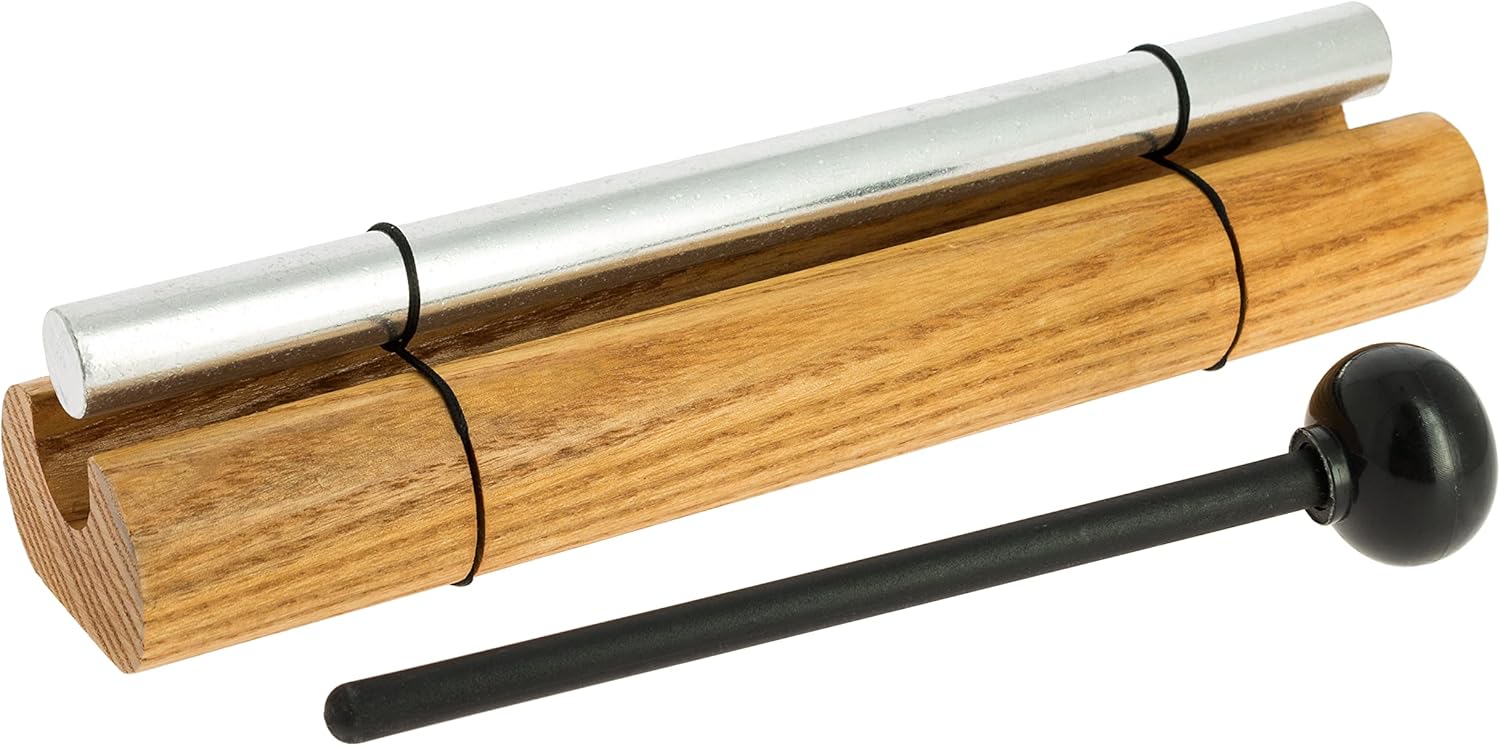


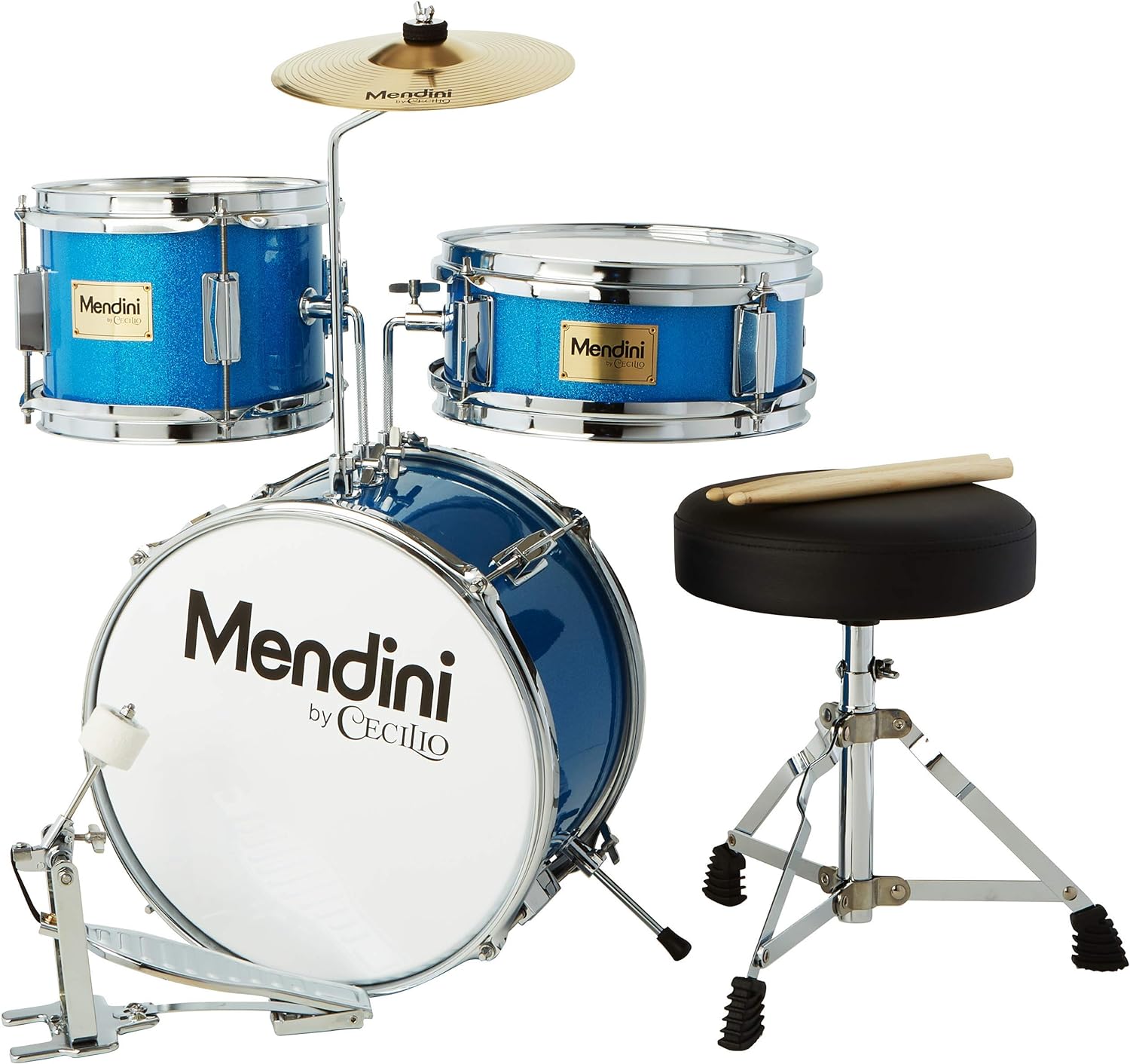


Music Alley
Music Alley 3 Piece Kids Drum Set with Throne, Cymbal, Pedal & Drumsticks, Blue, (DBJK02)
See current price

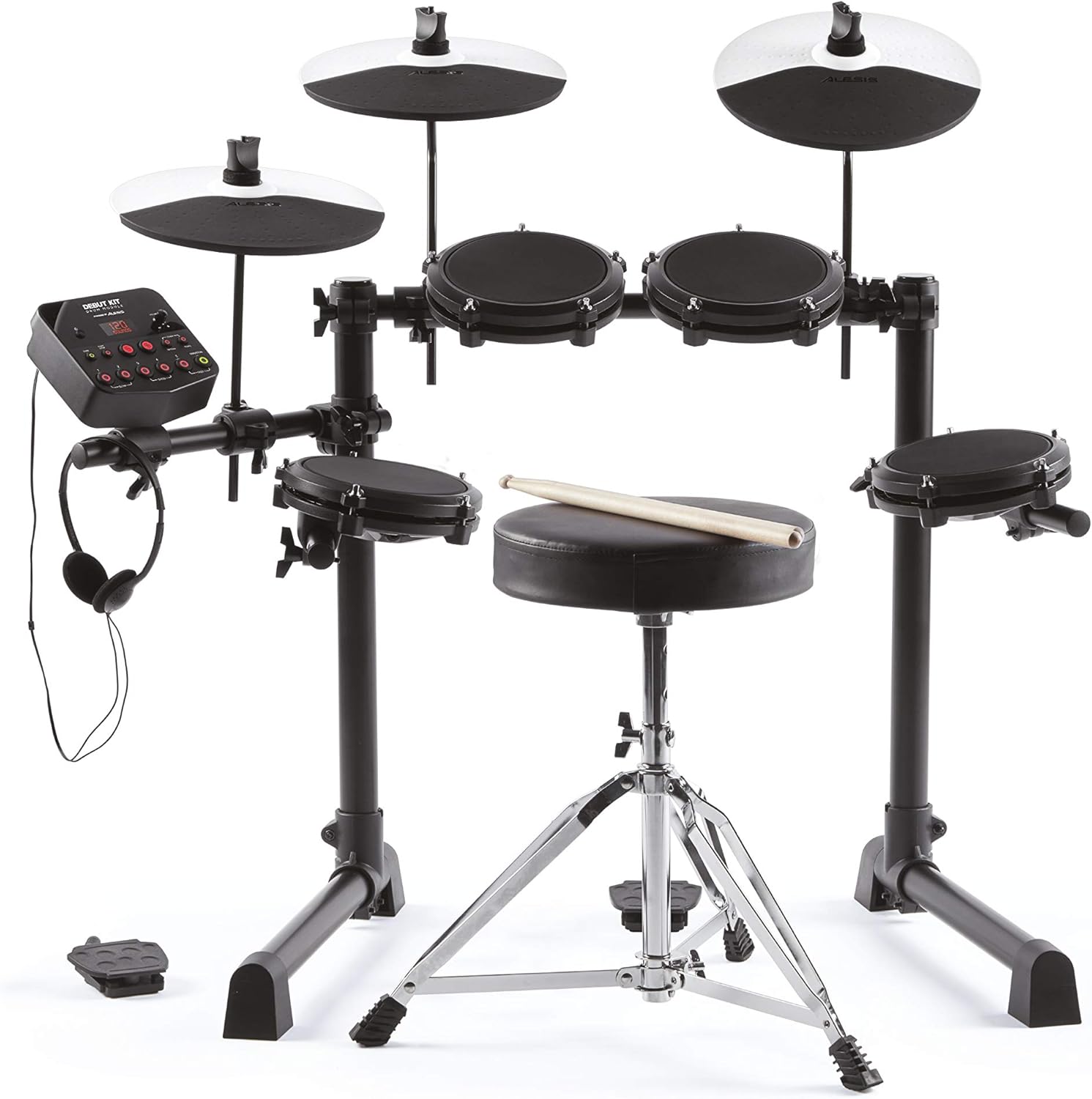


Popular brands in Drums & Percussion
Drums and percussion cover a wide range of instruments, from complete drum sets and electronic kits to hand-played rhythm instruments and concert mallet instruments. The right choice depends on how you plan to play, the sound you want, your available space, and whether you need a single instrument or a coordinated setup.
This catalog brings together options across the broader Musical Instruments category. Use the product listings to compare specifications and features, then check the current price and availability on Amazon before buying.
Choose the right type of percussion
The largest part of this category is hand percussion, making it a useful starting point for shoppers seeking individual rhythm instruments, classroom equipment, or portable options. Other sections focus on ensemble performance, complete kits, and electronic practice setups.
- Hand Percussion includes instruments such as shakers, tambourines, blocks, bells, and other hand-played percussion. It suits beginners, educators, acoustic performers, and anyone building a varied percussion collection.
- Concert Percussion is aimed at orchestral, band, marching, and educational settings. Compare mallet instruments, auxiliary percussion, and equipment designed for ensemble use.
- Drum Sets & Set Components covers complete kits as well as individual drums and replacement or expansion components. This is the main area to explore when assembling a traditional drum setup.
- Electronic Drums can suit quiet practice, headphone-based playing, home recording, and players who want adjustable sounds or compact equipment.
- Folk & World Hand Drums focuses on hand drums associated with regional and global musical traditions. Shape, shell construction, head material, and playing technique can all affect the result.
What to compare before buying
Start with the instrument’s purpose. A classroom instrument may need durable construction and easy handling, while a stage performer may prioritize projection, tuning flexibility, and compatibility with existing equipment. For home use, dimensions, storage, and playing volume can matter as much as tone.
Pay close attention to:
- Construction: Compare shell, frame, body, head, and playing-surface materials. These details can influence resonance, durability, weight, and tonal character.
- Size and range: Physical dimensions affect portability and sound. For pitched percussion, review the available note range and tuning information where provided.
- Tuning and adjustment: Traditional drums may use different tuning systems, while electronic products may offer adjustable sensitivity, sounds, or settings. Confirm what can be adjusted and how.
- Included components: Check whether stands, pedals, mallets, sticks, cables, power supplies, cases, or mounting hardware are included. A product described as a component may require other parts to use it.
- Compatibility: For drum-set additions and electronic equipment, verify sizes, mounting requirements, connections, and compatibility with your current setup.
- Playing environment: Acoustic instruments produce natural room volume, while electronic drums may require amplification or headphones. Consider neighbors, rehearsal spaces, and performance needs.
Materials, sound, and playing feel
Material choices can change the character of an instrument. Wood may provide a warm, resonant response, while metal, plastic, synthetic shells, and coated surfaces can offer different combinations of projection, consistency, weight, and maintenance needs. The best specification depends on the sound and technique you want rather than on material alone.
For hand drums, compare the diameter, depth, head type, rim or bearing edge, and tuning method. For cymbals and auxiliary percussion, consider size, thickness, finish, and the musical role the instrument needs to fill. For electronic drums, examine pad types, module sounds, trigger response, connectivity, and whether the layout feels suitable for your playing style.
Brands represented in the catalog
The catalog includes products from Happybuy, Meinl Percussion, Latin Percussion, Remo+, Alesis, Meinl Cymbals, Eastar, Mendini by Cecilio, Foraineam, Avedis Zildjian Company, TOPFUND, and LAGRIMA. Compare products by construction, specifications, intended use, and included equipment rather than choosing by brand name alone.
If you are expanding a complete music setup, related Instrument Accessories may help with stands, cases, maintenance items, and other supporting equipment. Shoppers recording or amplifying percussion can also compare Microphones & Accessories and Live Sound & Stage equipment.
Setup and care tips
Measure your available playing and storage space before selecting a drum set, stand, or larger percussion instrument. Keep acoustic drums and wooden instruments away from extreme humidity and temperature changes, and use suitable covers or cases during storage and transport. Replace worn heads, cords, beaters, or mounting hardware according to the instrument’s requirements.
For electronic drums, confirm power needs and connection types before purchase. If recording is part of your plan, review the available outputs and computer or audio-interface compatibility. Studio Recording Equipment can be relevant when building a recording workflow around electronic or amplified percussion.
Frequently asked questions
Which percussion instrument is easiest for a beginner?
Hand percussion is often a practical starting point because many instruments are portable, straightforward to play, and useful in many musical settings. Choose based on the sound and technique you want to learn.
Should I choose acoustic or electronic drums?
Choose acoustic drums for natural projection and traditional playing feel. Electronic drums may be better for quieter practice, headphones, adjustable sounds, or compact home setups.
What should I check when buying a drum set component?
Confirm the component’s dimensions, mounting or connection requirements, compatibility with your existing kit, and whether essential hardware is included.
Are folk and world hand drums suitable for ensemble playing?
They can be, but suitability depends on the instrument’s volume, tuning, size, and the musical tradition or ensemble arrangement. Compare these details with the role you need it to fill.
Do percussion instruments usually include accessories?
Included accessories vary. Check each listing for stands, mallets, sticks, pedals, cables, power supplies, cases, and other required equipment before ordering.