

Beverages: Compare Coffee, Tea, Drinks & More
Explore beverages for everyday routines, entertaining, mixing, and gifting. Compare formats, ingredients, preparation methods, package details, and other specifications before choosing.
13,946 products in catalog
13,946 results
Filters

Celsius, Inc.
CELSIUS Sparkling Fuji Apple Pear, Functional Essential Energy Drink 12 Fl Oz (Pack of 12)
See current price

Talking Rain Beverage Company
Sparkling Ice, Strawberry Watermelon Sparkling Water, Zero Sugar Flavored Water, with Vitamins and Antioxidants, Low Calorie Beverage, 17 fl oz Bottles (Pack of 12)
See current price


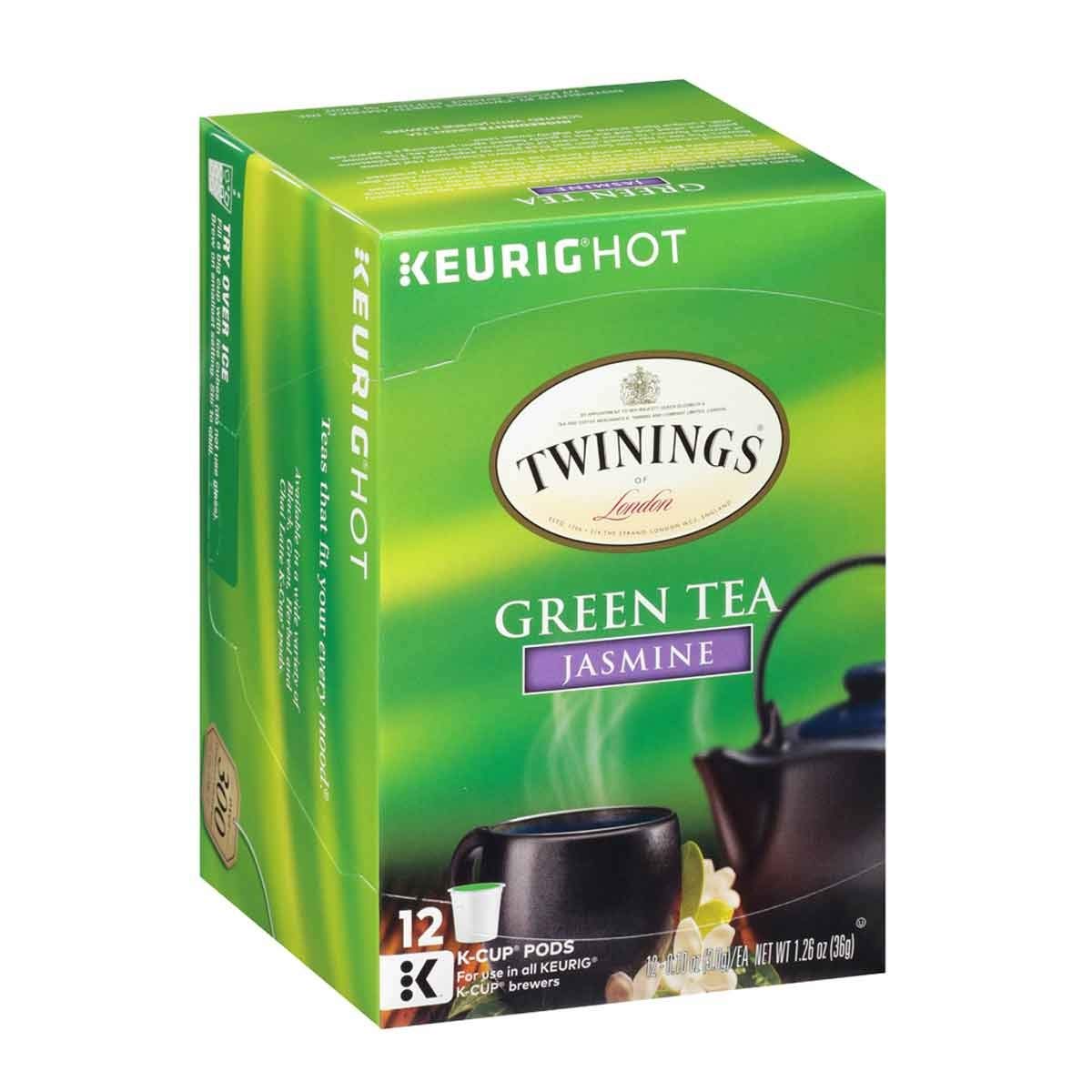
Twinings North America, Inc.
Twinings of London Jasmine Green Tea K-Cup Pods for Keurig, 12 Count
See current price

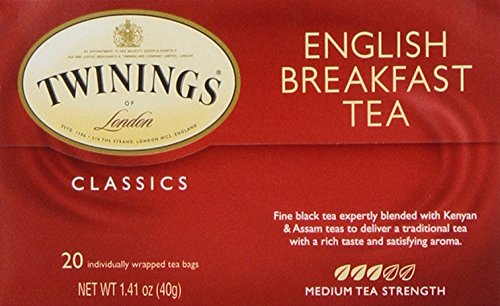


Twinings North America, Inc.
Twinings of London Green Tea Bags, Nightly Calm, 20 Count
See current price


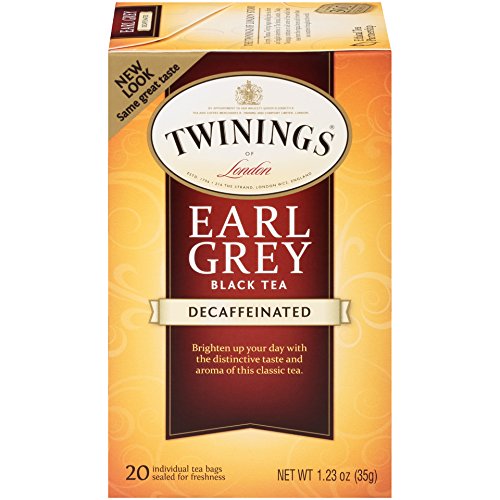
Twinings North America, Inc.
Twinings of London Decaffeinated Earl Grey Black Tea Bags, 20 Count
See current price


Trilliant Food & Nutrition LLC
Victor Allen's Coffee Caramel Macchiato, Medium Roast, 80 Count, Single Serve Coffee Pods for Keurig K-Cup Brewers
See current price
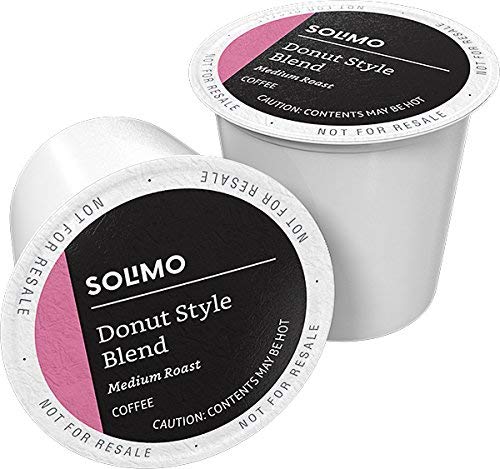
Amazon.com Services, Inc.
Amazon Brand - Solimo Medium Roast Coffee Pods, Donut Style, Compatible with Keurig 2.0 K-Cup Brewers, 100 Count
See current price

Grand Brands dba True Citrus
TRUE LEMON Water Enhancer, Bulk Dispenser, 100 Count (Pack of 1), 0 Calorie Drink Mix Packets For Water, Sugar Free Lemon Flavoring Powder Packets
See current price


Beverages cover a wide range of pantry and refrigerator staples, from coffee and tea to bottled drinks, powdered mixes, syrups, and specialty options. K-Catalog helps shoppers compare product formats and specifications across the category before clicking through to Amazon for current availability and purchasing details.
Whether you are stocking a workplace, planning a gathering, building a home coffee station, or looking for an alternative to a usual drink, the right choice depends on how it will be stored, prepared, served, and enjoyed.
How to choose beverages
Start with the occasion and preparation method. Ready-to-drink beverages are convenient for quick use, while concentrates, drink mixes, tea, and coffee can be stored for repeated preparation at home. If you are buying for several people, consider whether everyone prefers the same flavor and format or whether a variety pack may be more practical.
Then compare the product details that affect everyday use:
- Format: Choose from ready-to-drink bottles, cans, pods, bags, loose ingredients, powders, concentrates, or syrups.
- Flavor profile: Look for descriptions such as dark, mild, fruity, herbal, spiced, sweet, unsweetened, or flavored when matching a personal preference.
- Ingredients: Check the ingredient list for sweeteners, dairy ingredients, plant-based ingredients, flavorings, or other components relevant to your household.
- Caffeine and nutrition: Review the product label for caffeine information, serving details, sugar, calories, sodium, and dietary information where provided.
- Storage and serving: Confirm whether the product is intended for pantry storage, refrigeration, hot preparation, cold preparation, or dilution.
- Package size: Compare the amount included with how often the beverage will be served and how much storage space is available.
Explore beverage types
The broadest parts of the catalog are tea, bottled beverages and drink mixes, and coffee, making them useful starting points for everyday shopping. More specialized sections can help when you are looking for a particular preparation style or occasion.
- Tea includes traditional and herbal choices in formats suited to steeping at home. Compare tea type, bag or loose format, flavor notes, serving guidance, and caffeine information.
- Bottled Beverages, Water & Drink Mixes brings together ready-to-drink options and mixes that may be useful for convenience, hydration routines, lunch packing, or entertaining. Check whether a product is ready to serve or requires preparation.
- Coffee includes options for different brewing routines and flavor preferences. Compare the coffee format, roast description, grind or preparation requirements, flavoring, and package design.
- Beverage Syrups & Concentrates are designed for mixing into drinks or recipes. Pay close attention to dilution directions, flavor, sweetener information, and storage requirements.
- Hot Chocolate & Malted Drinks can suit warm beverage routines and seasonal serving. Compare preparation instructions, cocoa or malt descriptions, and dairy or allergen information.
- Coffee Substitutes offer options for shoppers seeking a different base for a warm drink. Review the ingredients, preparation method, flavor description, and caffeine information.
- Bubble Tea is a specialty category where the format and preparation components matter. Check what is included, how the drink is assembled, and whether additional ingredients or equipment are needed.
Key features and specifications to compare
For coffee and tea, preparation compatibility is often more important than appearance alone. Check whether the product is intended for a particular brewing method, whether it is portioned or loose, and how much preparation each serving requires. Flavor descriptions can help narrow the selection, but the ingredient list and preparation directions provide more practical detail.
For bottled drinks and mixes, distinguish between ready-to-drink products and products that need water or another liquid. A mix may be convenient for adjusting serving size, while a bottled beverage may be easier for immediate use. Compare serving instructions, container type, resealing options, and storage guidance.
Syrups and concentrates deserve a closer look at yield and mixing instructions. A product may be intended for coffee, tea, sparkling drinks, desserts, or multiple uses, so read the suggested applications and dilution guidance. If the beverage will be shared, consider how easily the flavor can be adjusted for different preferences.
Nutrition and dietary requirements should be checked on the current product label. Look for information about added sweeteners, caffeine, dairy, gluten-related ingredients, allergens, and specialty dietary claims. Formulations can vary between products and may change, so the listing and package information should be treated as the final reference.
Brands represented in the catalog
The beverage catalog includes products from Starbucks, Sun Maid, Coca-Cola, Celestial Seasonings, Torani, The J.M. Smucker Co., Twinings, Gatorade, Monin, Kraft-Heinz, Traditional Medicinals, and 365 By Whole Foods Market. These brands appear across different beverage types and formats, so comparing the specific product details is more useful than relying on the brand name alone.
When comparing products from familiar brands, check the exact format, flavor, package configuration, preparation method, and ingredient information. A brand may offer both ready-to-drink products and items intended for home preparation, with different storage and serving considerations.
Building a practical pantry selection
A balanced beverage shelf can combine everyday staples with options for guests and occasional use. Coffee or tea may cover a regular morning routine, while drink mixes, bottled beverages, and concentrates can provide flexibility for travel, lunches, or gatherings. Hot chocolate, malted drinks, bubble tea, or coffee substitutes may be useful when different preferences need to be accommodated.
Store items according to the package directions and keep frequently used products easy to reach. For concentrates, syrups, and mixes, label opened containers if needed and follow any refrigeration guidance. Before buying a large package, consider expiration information, available storage space, and how quickly the household is likely to use it.
Beverages can also be compared alongside other grocery needs. Browse Pantry Staples for complementary shelf-stable items, or explore Snacks & Sweets when planning a break-room selection or gathering. For breakfast-oriented shopping, Dairy, Eggs & Plant-Based Alternatives may help round out the list.
Frequently asked questions
What should I compare first when choosing a beverage?
Start with the format and intended use. Decide whether you need a ready-to-drink product, a brew-at-home option, a powder, or a concentrate, then compare flavor, ingredients, serving instructions, and storage.
How do I compare coffee and tea products?
Review the type, preparation method, flavor description, portion format, caffeine information, package details, and any ingredients or dietary considerations that matter to your household.
Are beverage mixes different from bottled drinks?
Yes. Bottled drinks are generally prepared for serving, while mixes usually require water or another liquid. Check the preparation directions, serving information, and storage requirements for each product.
What matters when choosing a syrup or concentrate?
Check the intended uses, dilution guidance, flavor, sweetener information, container size, and storage instructions. Also confirm whether it is designed for drinks, recipes, or both.
How can I choose beverages for a group?
Consider different flavor preferences, caffeine needs, dietary requirements, and serving occasions. A combination of ready-to-drink products and customizable mixes can offer more flexibility.
Where should I check dietary or allergen information?
Use the current product listing and package label as the final reference. Review the ingredient list, allergen statement, nutrition information, and any preparation details before purchasing.