

Preschool Toys for Imaginative, Active Play
Explore preschool toys by developmental stage, play style, materials, and features. Compare specifications across the catalog, then visit Amazon to check current product details.
27,080 products in catalog
27,080 results
Filters

Mattel
Hot Wheels Set of 20 Toy Cars & Trucks in 1:64 Scale, Collectible Vehicles (Styles May Vary)
See current price


Baby Einstein
Baby Einstein Baby's First Music Teacher Developmental Toys Kit and Gift Set, Newborn and up
See current price




The First Years
The First Years Disney The Little Mermaid Squirties Baby Bath Toys - Squishy Toddler Toys for Bath, Pool, and Everyday - 3 Count
See current price




Popular brands in Preschool
Preschool toys can support imaginative play, movement, early problem-solving, and shared activities. The right choice depends on the child’s age range, interests, play environment, and how much adult supervision the toy requires.
K-Catalog brings together a broad selection within Toys & Games, including a particularly large range of Pre-Kindergarten Toys and a smaller but useful selection of Toddler Toys. Use the category structure and product specifications to narrow your options before visiting Amazon.
How to choose preschool toys
Start with the intended age range on the product listing. Age guidance can reflect more than difficulty: it may relate to small parts, motor skills, recommended supervision, or the way a toy is designed to be used. A toy that suits an older preschooler may be frustrating or unsafe for a younger child.
Consider the kind of play you want to encourage:
- Open-ended play: Blocks, pretend-play accessories, figures, and creative materials can be used in many different ways.
- Guided play: Puzzles, matching activities, and games usually have clearer goals and may work well for parent-child or group play.
- Active play: Ride-on toys, balls, and movement-focused products are better suited to homes or outdoor spaces with room to move.
- Sensory and creative play: Art materials, tactile toys, and construction sets can offer hands-on ways to explore colors, shapes, textures, and basic cause and effect.
Storage also matters. For a shared playroom, look for products that can be put away easily or that include a container. If the toy will travel between home, preschool, or a caregiver’s house, portability and the number of separate pieces become more important.
Explore preschool toy types
The catalog’s main preschool subcategories serve somewhat different needs. Pre-Kindergarten Toys is the larger selection, with products aimed at children who are developing more independent pretend play, fine-motor control, language, and simple problem-solving skills. Compare construction toys, role-play products, puzzles, games, figures, and activity-based toys within this group.
Toddler Toys focuses on younger children and often calls for closer attention to simplicity, size, durability, and ease of handling. Look for sturdy designs with parts that are easy to grasp and play patterns that do not depend on complicated instructions.
Preschool play can also overlap with neighboring categories. Toy Figures & Playsets may suit children who enjoy storytelling and role play, while Arts & Crafts is useful for creative activities that require a suitable workspace and supervision. For movement-focused options, browse Sports & Outdoor Play. Games & Accessories can help when looking for tabletop activities for family or classroom use.
Features and specifications to compare
Product descriptions can vary significantly, so compare the details rather than relying only on the toy’s theme or appearance.
- Age guidance: Check the recommended age range and any supervision notes. Follow the manufacturer’s guidance, especially where small parts or more advanced play features are involved.
- Materials: Review whether the product uses plastic, wood, fabric, cardboard, or a combination of materials. The material can affect weight, cleaning, durability, and suitability for different play spaces.
- Dimensions: Confirm the toy’s size before buying. Large playsets may need a dedicated surface, while compact toys may be easier to store or take along.
- Piece count and contents: Check what is included and whether the toy depends on separate accessories, batteries, or additional components. More pieces can add play possibilities but may also make cleanup harder.
- Power requirements: Interactive toys may need batteries or another power source. Check whether those items are included and how the toy operates without them, if applicable.
- Cleaning and care: For toys used frequently or shared by several children, look for surfaces and components that are straightforward to wipe or maintain.
- Durability: Consider how the toy will be handled. Products intended for repeated group use may need sturdier construction than toys used occasionally under close supervision.
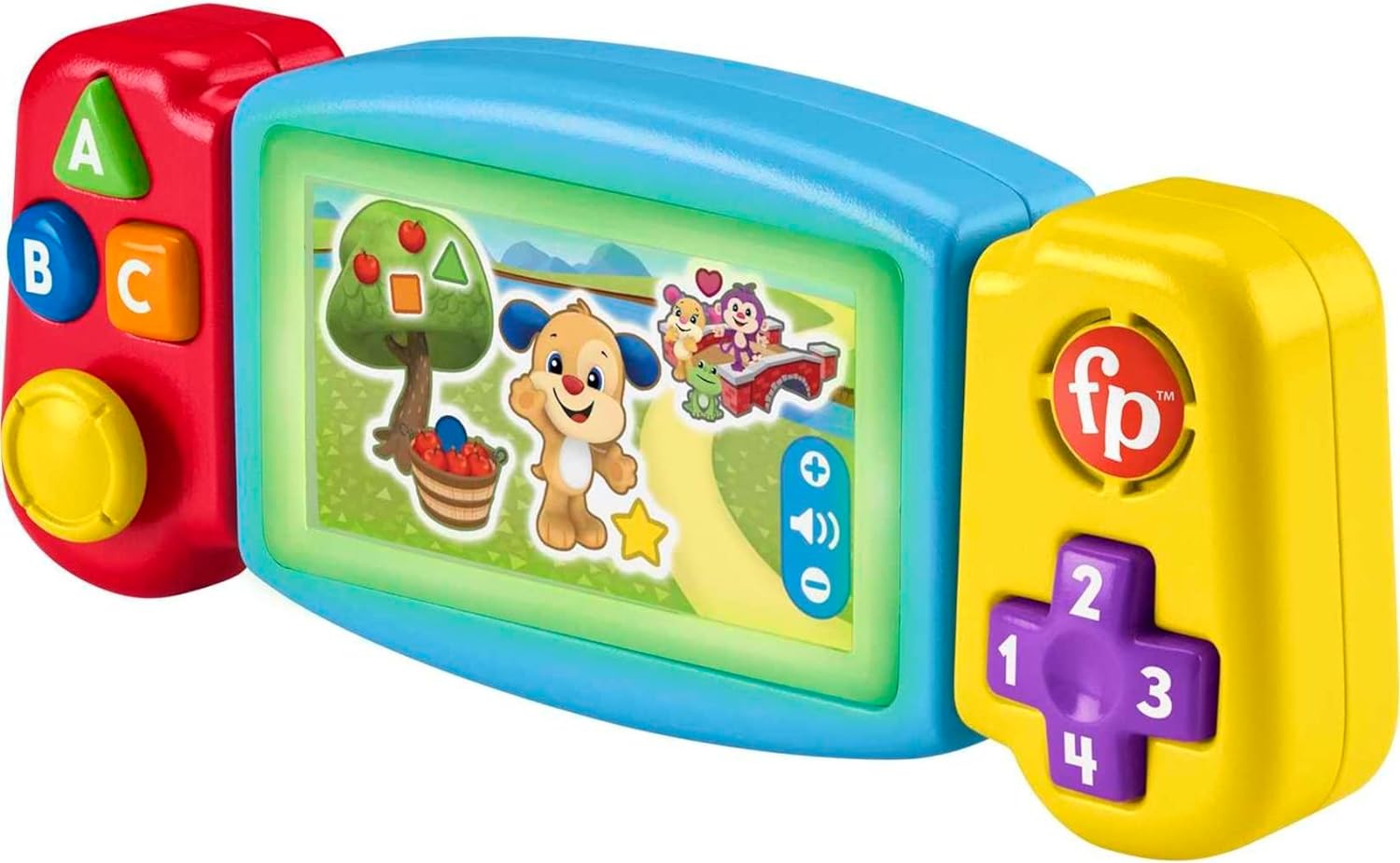
For electronic or sound-producing toys, review the available controls and volume features. For construction sets and puzzles, consider whether the level of challenge matches the child’s current abilities without making the activity overly difficult.
Brands represented in the catalog
The Preschool catalog includes products from Mattel, Fisher-Price, Hasbro, Melissa & Doug, Just Play, Lego, PLAYMOBIL, Spin Master, MGA Entertainment, Wild Republic, VTech, and Jazwares. These brands are well represented in the catalog, but the right product still depends on its individual specifications, age guidance, materials, and included features.
When comparing products from familiar brands, check the listing carefully rather than assuming that every item has the same construction or intended audience. Product lines can include very different formats, from simple handheld toys to larger playsets and electronic activities.
Safety and everyday use
Read all warnings and instructions before giving a toy to a child. Small components can present a choking hazard for younger children, and toys with cords, magnets, batteries, or detachable accessories may require particular care. Keep age recommendations in mind even when an older sibling will be playing nearby.
Choose a play area that matches the toy. Active products need clear floor space, while art supplies may require a protected surface and adult oversight. Store loose pieces after play, inspect toys periodically for damage, and remove cracked, broken, or worn components.
For shared settings such as classrooms, day-care spaces, or playrooms, prioritize easy cleanup, sturdy construction, and a design that more than one child can use. If you are shopping for a birthday or themed event, Party Supplies may complement the toy selection, while Novelty & Gag Toys offers a different type of occasion-focused option.
Frequently asked questions
What type of preschool toy should I choose first?
Start with the child’s age guidance, interests, and play space. Open-ended toys are flexible, while puzzles, games, and activity sets may be better when you want a more structured experience.
Are toddler toys suitable for all preschool children?
Not necessarily. Toddler toys may be too simple for an older preschooler, while toys designed for older children may contain small parts or features that are unsuitable for younger children. Always check the individual listing.
What should I compare in a preschool playset?
Compare the recommended age, dimensions, materials, included pieces, storage needs, and whether the set requires batteries or additional accessories. Also consider how much adult help the playset may require.
Are electronic preschool toys a good choice?
They can be useful for children who enjoy lights, sounds, or interactive prompts, but compare volume controls, power requirements, durability, and the amount of independent or guided play involved.
How can I choose a preschool toy for a small home?
Check the product dimensions and storage method before choosing. Compact toys, foldable designs, or sets with built-in storage may be easier to keep organized than large playsets with many loose parts.