
LifeStraw
LifeStraw Personal Water Filter for Hiking, Camping, Travel, and Emergency Preparedness
See current price

Compare outdoor recreation gear by activity, intended conditions, fit, and practical features. Browse camping, climbing, paintball, and accessory products, then check current details before buying.
17,343 products in catalog
17,343 results
LifeStraw
See current price


Wise Owl Outfitters
See current price




Carhartt
See current price

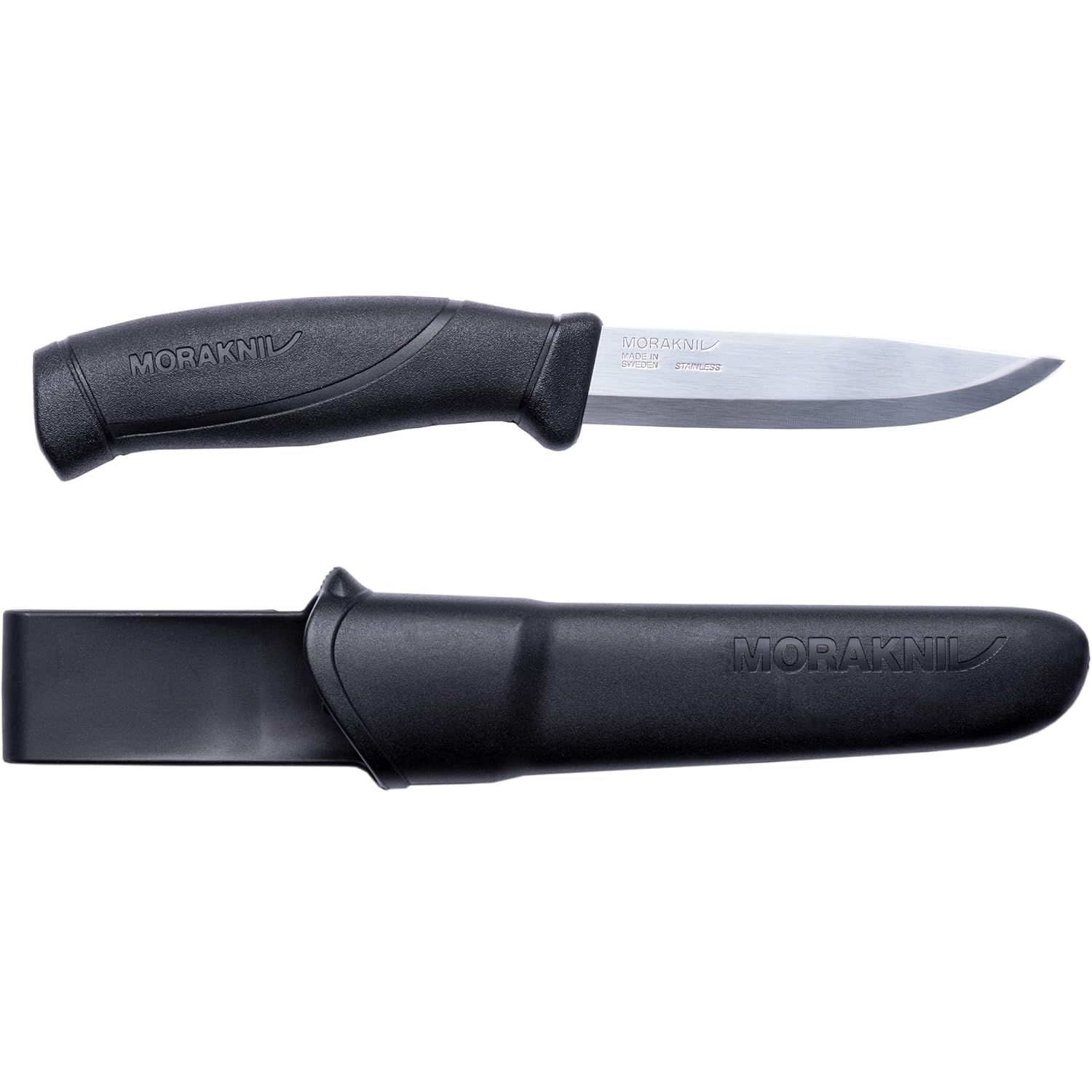
Morakniv
See current price


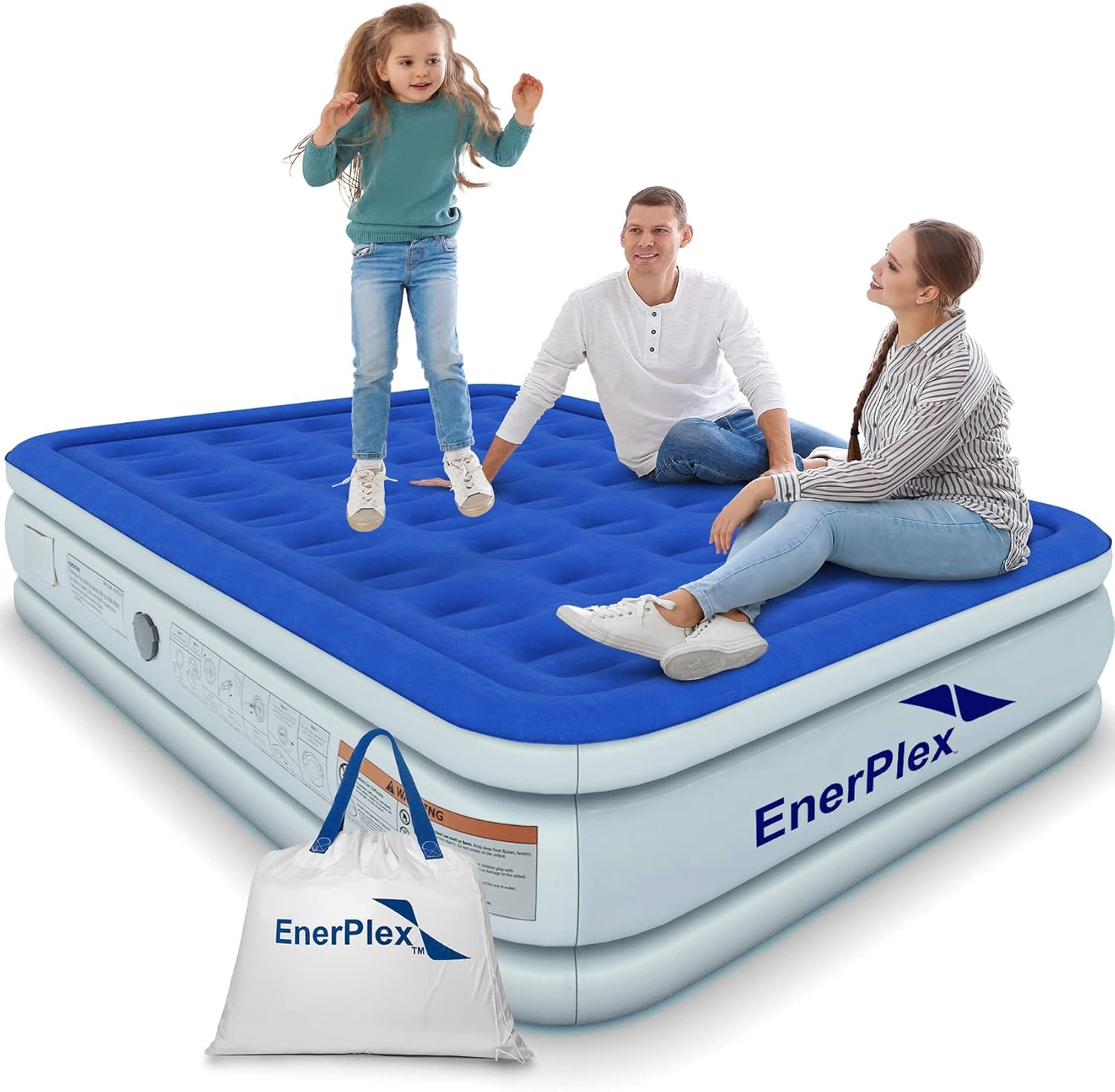


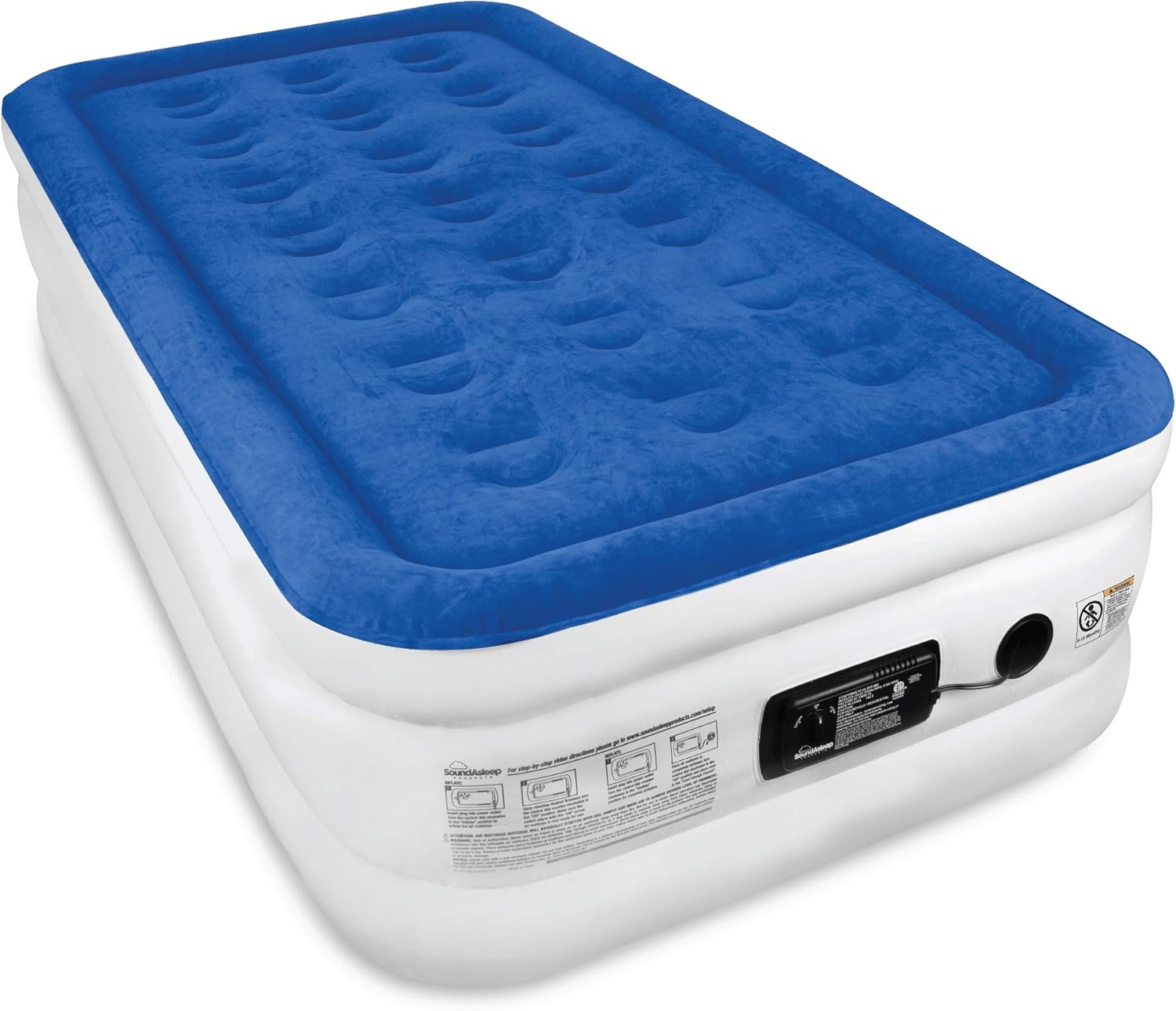

WATERFLY
See current price

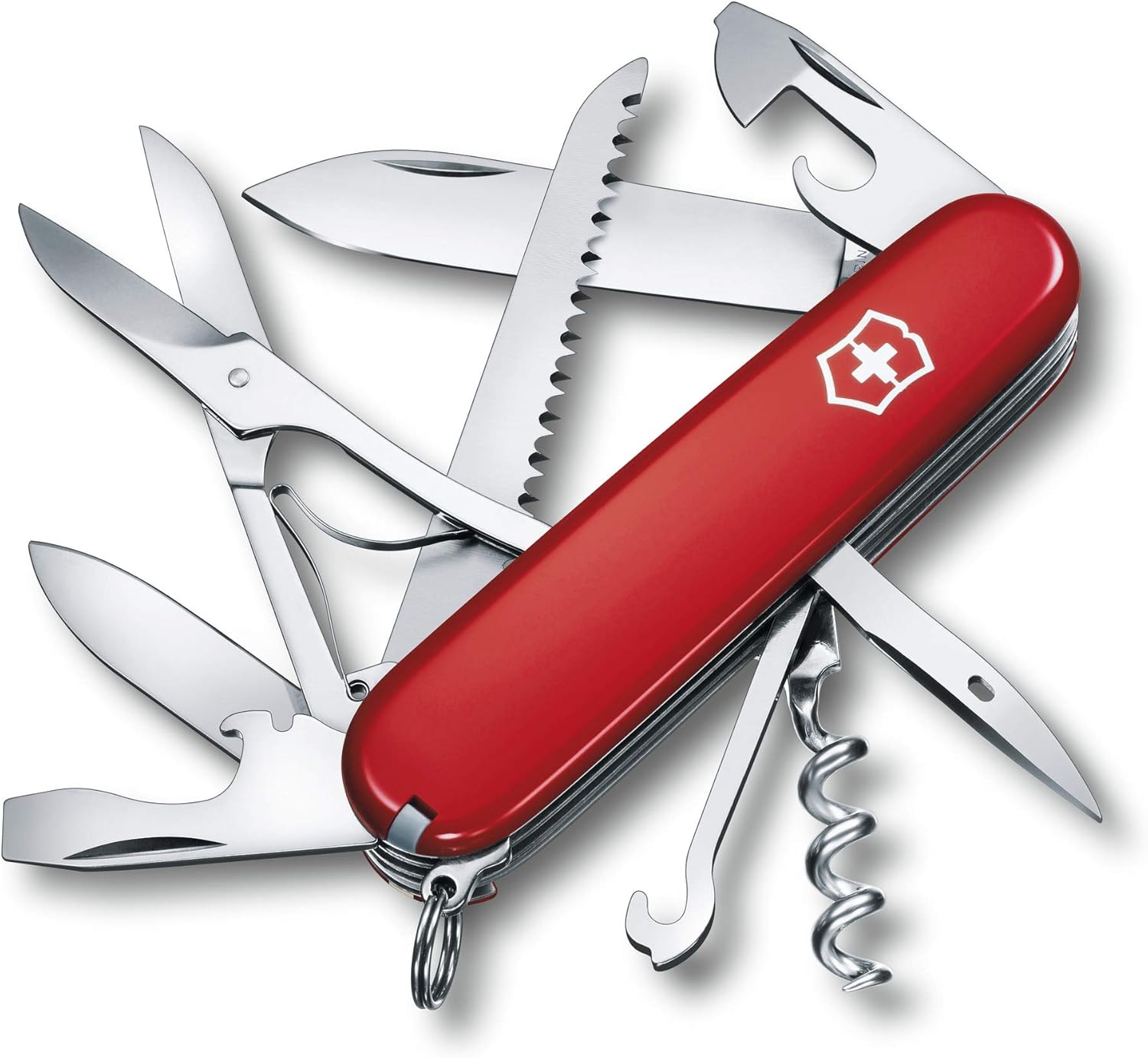

TOURIT
See current price
Outdoor recreation covers a wide range of equipment for camping, hiking, climbing, field games, travel, and time spent outside. The right choice depends on where the gear will be used, how often it will be carried, and which conditions it must handle.
K-Catalog organizes this broad category so shoppers can compare specifications and features across related products. Start with the activity, then narrow your options by capacity, construction, comfort, compatibility, and ease of care.
The best outdoor equipment is closely matched to the trip or activity. A day hike has different requirements from a multi-day camping trip, while climbing and paintball call for specialized equipment and safety considerations.
Consider these questions before comparing individual products:
If you are exploring the wider parent category, browse Sports & Outdoors for additional activity-based equipment.
The catalog’s largest area is Camping & Hiking, making it a useful starting point for shelters, sleeping equipment, cooking supplies, packs, hydration products, lighting, and general trail gear. Compare packed size and setup requirements alongside comfort and durability, especially when equipment will be carried over distance.
For smaller items that support several activities, browse Accessories. This area can help when replacing a component, adding organization, or preparing a kit without buying a complete primary piece of equipment.
Climbing includes gear for a more specialized activity. Climbing equipment should be selected with particular attention to intended use, sizing, connection points, material condition, and manufacturer instructions. Avoid substituting general outdoor products for equipment designed for load-bearing or protective purposes.
For recreational field play, Paintball offers activity-specific equipment and accessories. When comparing options, consider marker or equipment compatibility, protective coverage, adjustable fit, maintenance needs, and how easily the gear can be transported.
For packs, coolers, storage products, shelters, and containers, compare internal capacity with external dimensions. A larger item may hold more equipment but can be harder to carry or store. Also check whether the listed capacity includes separate compartments or only the main storage area.
Packed dimensions are useful for camping equipment and travel-oriented gear. Confirm that the packed item fits in the intended vehicle, closet, storage bin, or backpack. For wearable equipment, compare measurements and adjustment ranges rather than relying on a general size label alone.
Material choice affects weight, weather resistance, flexibility, insulation, and maintenance. Look for the construction details most relevant to the activity, such as reinforced stress points, sealed seams, insulation, abrasion-resistant panels, corrosion-resistant hardware, or breathable sections.
A water-resistant product is not necessarily waterproof, and a rugged-looking item may still need careful handling. Read the specifications for the stated level of protection and use it within those limits.
Equipment that contacts the body should be evaluated for fit, padding, ventilation, adjustability, and weight distribution. Pack straps, waist belts, handles, and harness components can change how comfortable a product feels when loaded.
For equipment shared by multiple people, adjustable features may be more useful than a highly specialized fit. Check whether adjustments can be made while wearing the item and whether they accommodate the clothing or protective layers used during the activity.
Simple setup can be valuable when arriving after dark, dealing with poor weather, or changing locations often. Compare assembly steps, included components, access points, closures, and instructions. Products that require separate batteries, fuel, tools, or replacement parts should be evaluated as part of the complete system.
Maintenance requirements also matter. Check whether surfaces are easy to clean, fabric can dry thoroughly, components can be replaced, and the product can be stored without trapping moisture. For technical or protective equipment, follow the manufacturer’s inspection, care, and replacement guidance.
The catalog includes products from brands such as Coleman, Kelty, KingCamp, and Osprey Packs across outdoor equipment and carrying solutions. Osprey also appears in the catalog as a separate brand listing. Hydration and travel-oriented options include CamelBak, while Igloo is represented among cooling and storage products.
For technical and activity-specific equipment, shoppers may encounter Petzl and BLACK DIAMOND. Mountain House appears among outdoor food options, and Coghlan's, Victorinox, and other listed brands may be relevant when comparing tools, camp accessories, and practical equipment.
Brand name alone does not determine whether a product fits your needs. Compare the exact specifications, intended use, dimensions, included pieces, and care requirements for each item.
Make a checklist before shopping so essential components are not overlooked. For camping, this may include shelter, sleeping equipment, cooking supplies, lighting, water storage, navigation, and weather-appropriate clothing. For climbing or paintball, include activity-specific protective equipment and confirm that every component is compatible.
Before using outdoor gear:
For clothing and wearable layers, the related Clothing category may help complete an outdoor setup. Shoppers comparing activity equipment may also want to browse Hunting & Fishing or Exercise & Fitness for adjacent uses.
Outdoor recreation includes equipment for camping, hiking, climbing, paintball, outdoor travel, hydration, storage, food preparation, and related activities. The exact products vary by intended use and environment.
Start with the trip length, expected conditions, transport method, capacity, packed size, weight, setup, and maintenance requirements. Then compare materials and included components.
Confirm that the product is designed for the intended climbing use, fits correctly, has suitable connection points, and follows relevant manufacturer instructions. Do not substitute general-purpose outdoor gear for technical equipment.
Compare water resistance, insulation, ventilation, wind protection, drying needs, and layering compatibility. Match the product’s stated protection to the conditions you expect rather than assuming all outdoor gear offers the same coverage.
Yes. Accessories can improve organization, hydration, storage, maintenance, or compatibility with existing equipment. Check dimensions, attachment methods, included parts, and whether the accessory works with your current setup.
For broader activity options, browse Sports and Sports & Outdoor Recreation Accessories. These related categories can help when an item overlaps with another sport or outdoor setup.