
Grills & Outdoor Cooking
Compare grills, smokers, cooking tools, replacement parts, fuel, and outdoor kitchen equipment by the features that matter for your space, cooking style, and maintenance needs.
7,109 products in catalog
7,109 results
Filters





Classic Accessories
Classic Accessories Veranda Rectangular Water-Resistant 70 Inch BBQ Grill Cover, Pebble, X-Large
See current price


GasOne
GasOne Propane Refill Adapter - Fill 1lb Propane Tank from 20lb Propane Tank - Red
See current price
Outdoor cooking can mean anything from a compact grill for occasional meals to a dedicated setup with multiple cooking surfaces, storage, and preparation space. The right choice depends on your fuel preference, available area, desired cooking methods, and how much cleaning or maintenance you want to handle.
K-Catalog brings together grills and smokers along with the tools, replacement parts, firestarters, appliances, and storage accessories that support an outdoor cooking area. Use the catalog to compare specifications and features, then check the current product details on Amazon before buying.
How to choose outdoor cooking equipment
Start by defining how you expect to cook. Direct grilling works well for foods that need quick, high heat, while smoking and slow cooking call for steady temperature control over a longer period. If you want flexibility, look for equipment that supports more than one cooking method or can accommodate different accessories.
Your available space is equally important. Measure the intended location, including room for the lid or doors to open, space to work safely, and clearance from walls or overhead structures. A larger cooking area may be useful for entertaining, but a compact unit can be easier to position, cover, clean, and store.
Also consider how often the equipment will be used. Frequent cooking can justify durable construction, convenient cleaning features, and readily available replacement parts. For occasional use, simple controls and easy setup may matter more than advanced functionality.
Explore the main product types
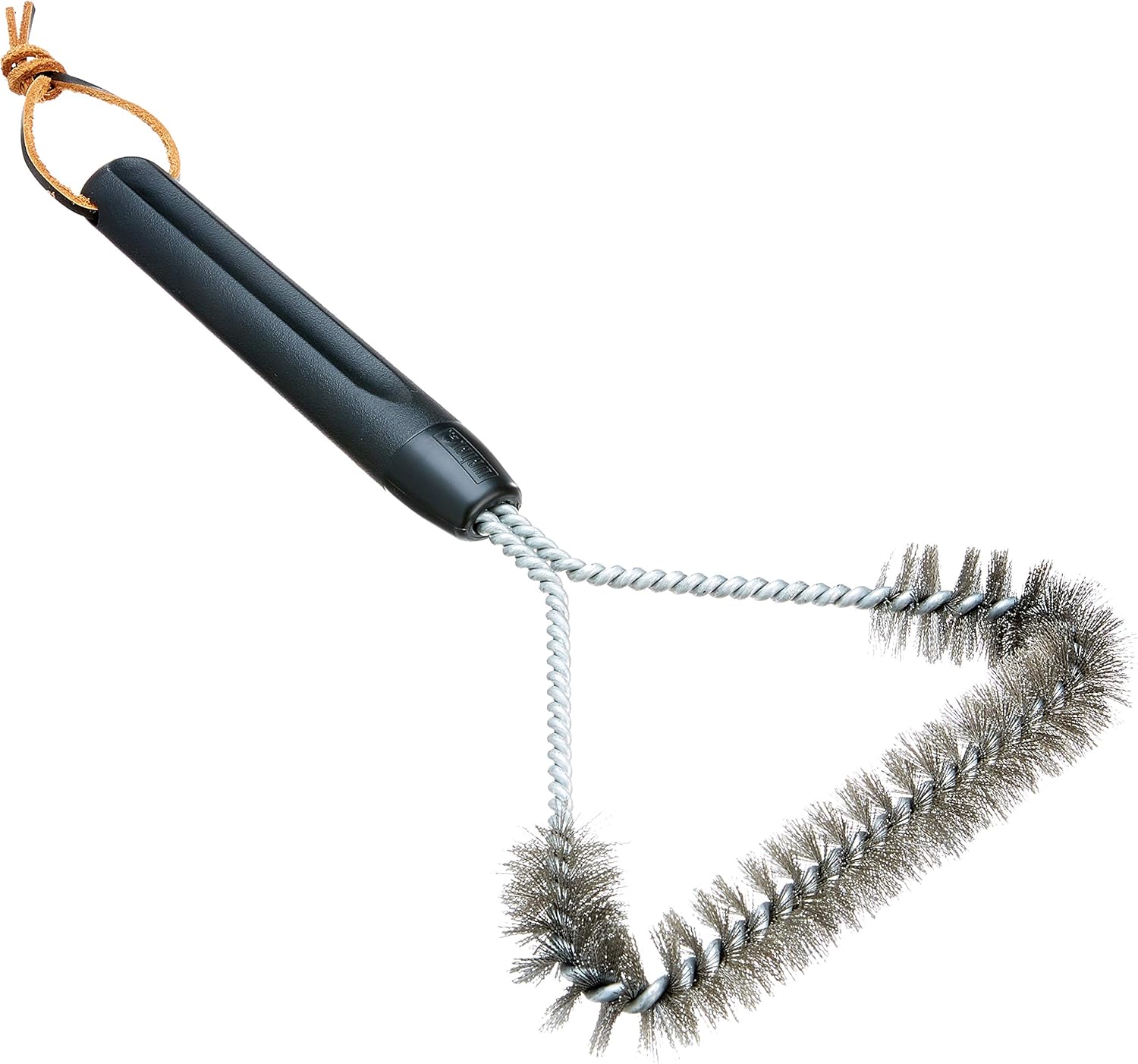
The catalog’s largest selection is in Outdoor Cooking Tools & Accessories, covering the utensils and add-ons used for preparation, cooking, serving, and cleanup. Compare materials, handle design, heat resistance, storage options, and whether a tool is suited to your cooking surface.
For the cooking equipment itself, browse Grills & Smokers. Common fuel and heat approaches include:
- Gas grills: Convenient for quick startup and adjustable heat. Compare burner layout, cooking surface design, ignition, heat controls, and fuel connection requirements.
- Charcoal grills: Often chosen for traditional live-fire cooking and smoke flavor. Consider airflow controls, ash removal, lid design, and how easily the fuel can be arranged.
- Pellet smokers and grills: Designed around wood pellets and controlled heat settings. Check hopper capacity, temperature controls, electrical requirements, and cleaning access.
- Electric outdoor cookers: Useful where an electrical outlet is available and open flame is restricted. Verify power requirements, cooking capacity, and weather-safe placement guidance.
- Dedicated smokers: Built for low-and-slow cooking. Compare insulation, rack arrangement, water-pan access, vent controls, and the type of fuel required.
If your existing grill or cooker needs maintenance, Outdoor Cooking Replacement Parts can help you locate components such as burners, grates, heat shields, igniters, knobs, hoses, and other model-specific pieces. Match the replacement carefully to the manufacturer, series, dimensions, connection type, and mounting arrangement.
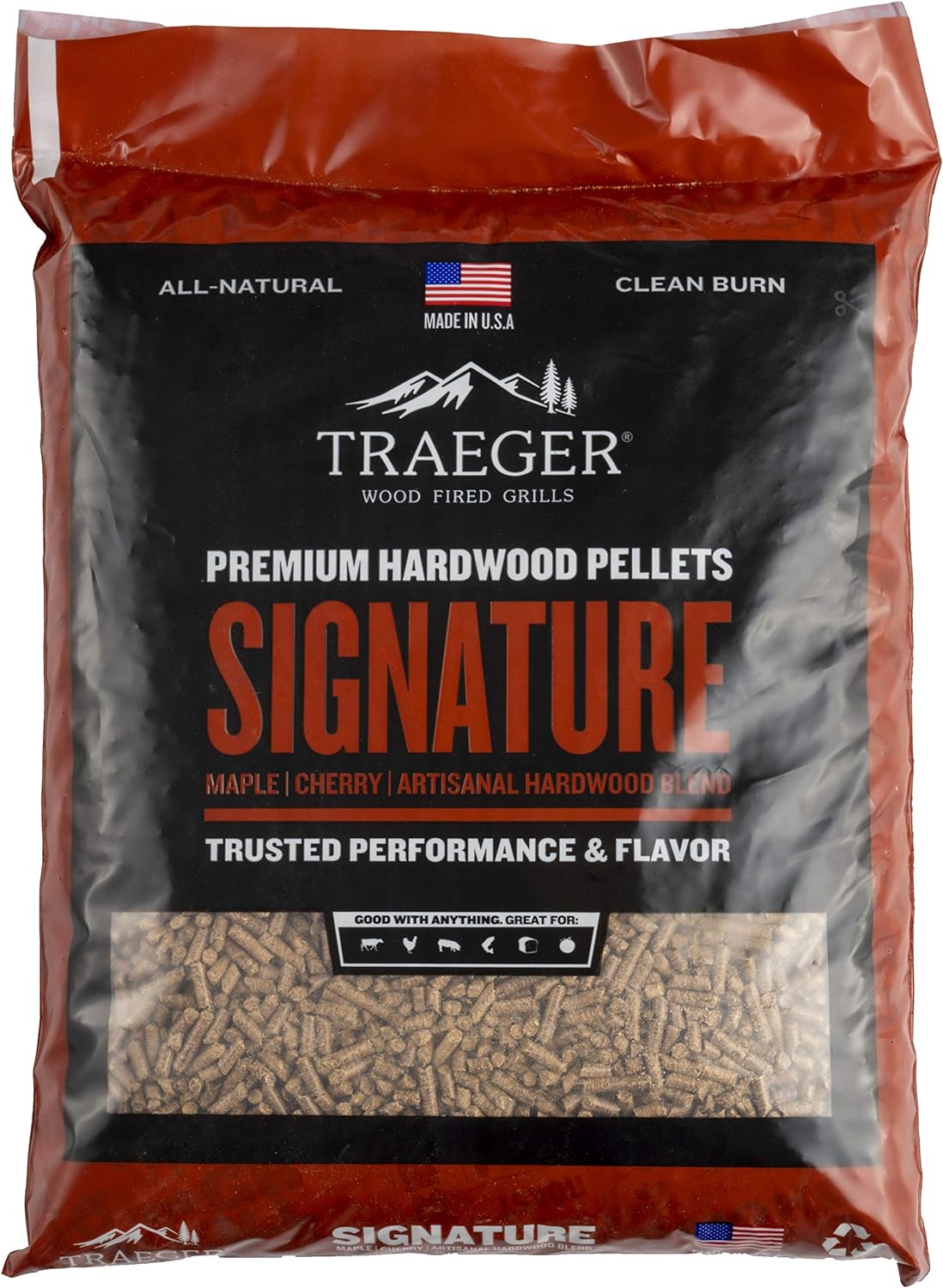
Fuel and ignition supplies are grouped under Fuel & Firestarters. Choose fuel based on the equipment’s requirements rather than convenience alone. Check whether the product is intended for charcoal, wood, pellets, propane, or another setup, and follow the appliance manufacturer’s instructions for storage and use.
For a more complete cooking station, Outdoor Kitchen Appliances & Storage includes equipment and organization solutions that can complement a grill. Compare installation style, capacity, power or fuel needs, weather exposure requirements, ventilation, and the amount of preparation or storage space provided.
Key features and specifications to compare
Cooking area is one of the most useful specifications to review, but it is not the only measure of capacity. Look at the number and arrangement of grates or racks, the availability of warming space, and whether cooking zones can be controlled separately. A layout that suits the foods you prepare may be more useful than a larger surface that is difficult to manage.
Temperature management affects both convenience and results. Compare burner or heating-element controls, vents, dampers, thermostats, digital controls, probe compatibility, and insulation. For smokers, examine how easily you can add fuel, adjust airflow, and monitor the cooking chamber without losing excessive heat.
Construction details also deserve attention. Compare the listed materials for the body, grates, burners, shelves, handles, and hardware. Consider resistance to heat, moisture, grease, and repeated cleaning. Stainless steel, coated metal, cast iron, and other materials each have different care requirements, so read the manufacturer’s guidance before choosing.
For gas-powered equipment, verify the fuel type, connection, regulator, hose, and compatibility with the intended installation. For electric products, check voltage, cord length, outlet requirements, and whether an extension cord is permitted. Pellet equipment requires the correct pellet type and a suitable power source. Never assume that accessories or fuel components are interchangeable between brands or models.
Convenience features may include side shelves, folding legs, wheels, tool hooks, removable grease trays, ash collection, warming racks, covers, and storage cabinets. These can make a noticeable difference when the cooker is used regularly, but they may also affect size, weight, cleaning time, and storage needs.
Brands represented in the catalog
The catalog includes products from brands such as Weber, Char-Broil, Traeger, Blackstone, SHINESTAR, Hongso, Hisencn, DOZYANT, Uniflasy, Stanbroil, GasSaf, and GASPRO. They are represented across different types of grills, smokers, accessories, fuel-related items, and replacement components.
When comparing brands, focus on the specifications of the individual product and its compatibility with your setup. For replacement parts especially, the brand name alone is not enough: confirm measurements, attachment points, fuel system details, and the equipment’s exact documentation.
Setup, care, and safety tips
Place outdoor cooking equipment on a stable, level, noncombustible surface with the clearances specified by the manufacturer. Keep the cooking area away from combustible materials, children, and foot traffic. Gas cylinders, pellets, charcoal, and firestarters should be stored according to their instructions and protected from conditions that could damage the packaging or fuel.
Before cooking, inspect hoses, connectors, grates, electrical cords, and ignition components. Clean grease and ash regularly, and check that vents and burner openings are not obstructed. Use tools designed for high heat, and allow surfaces and fuel components to cool before moving or servicing the equipment.
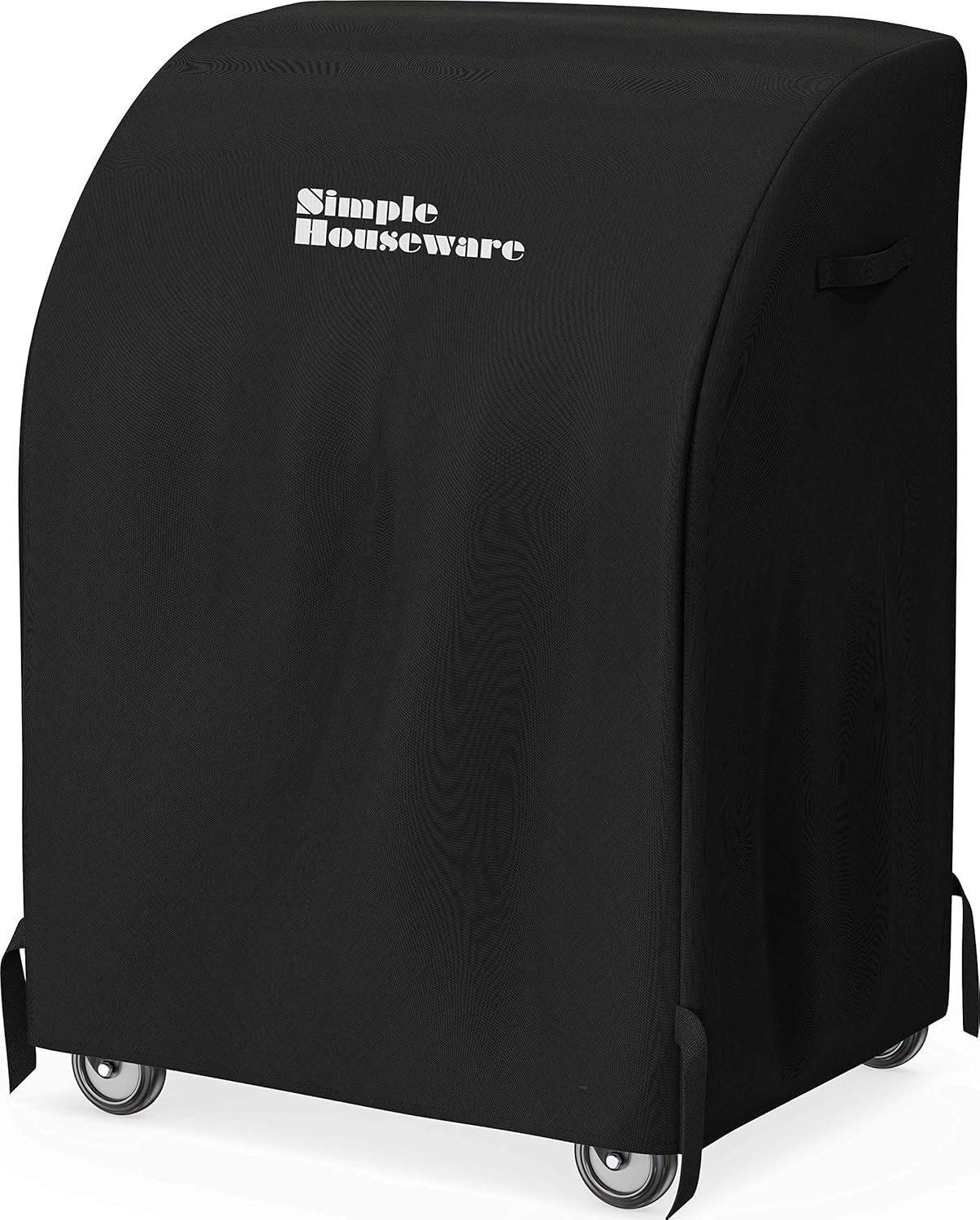
A fitted cover can help limit exposure when a grill is not in use, but equipment should be clean and dry before covering. Replacement parts should be installed only when their fit and specifications have been verified. If a repair involves gas connections, electrical components, or structural safety, follow the manufacturer’s service guidance and use qualified help when appropriate.
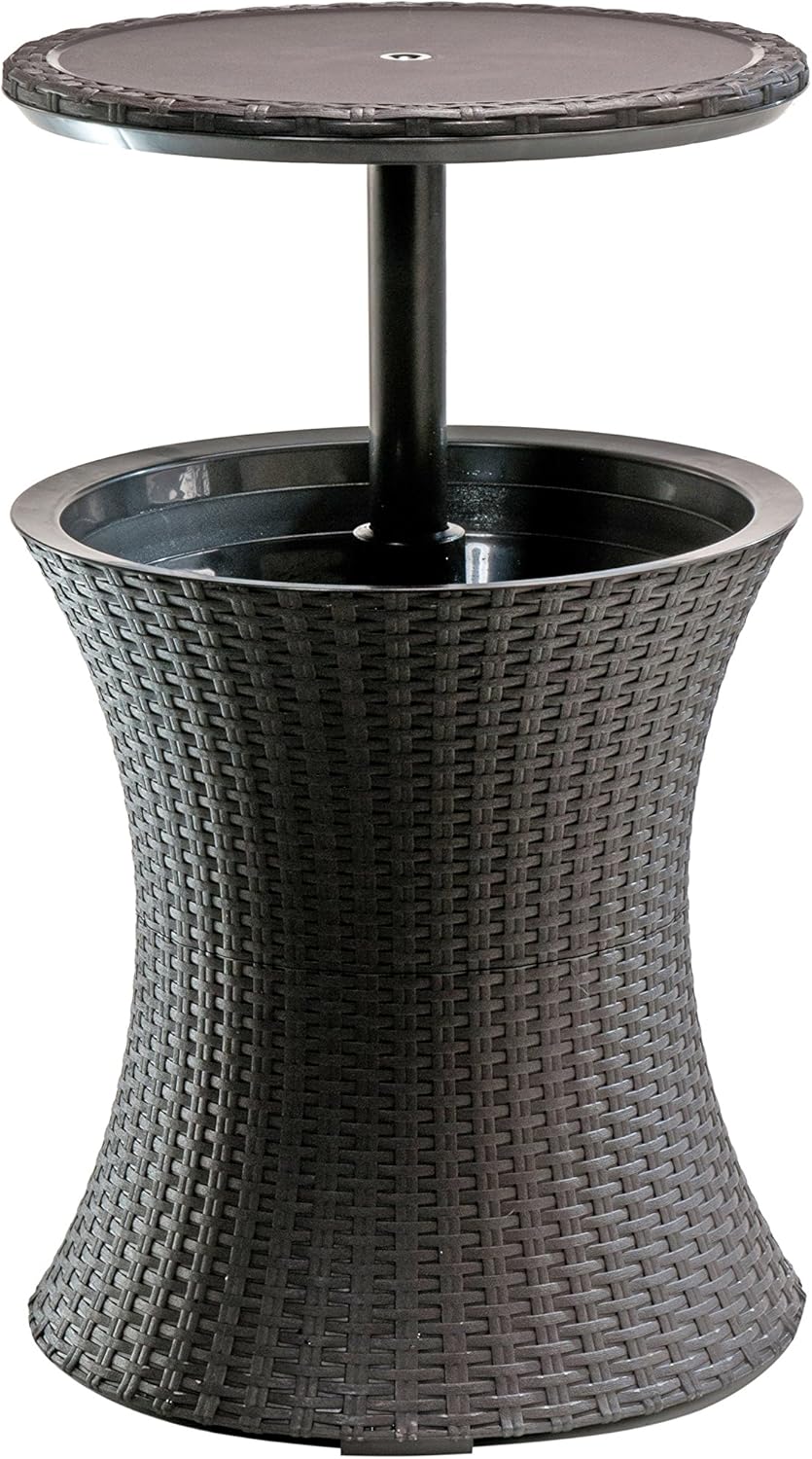
Outdoor cooking works best as part of a well-planned patio area. Pair the cooking setup with Patio Furniture & Accessories for seating and serving space, or browse Outdoor Décor when coordinating the surrounding area.
Frequently asked questions
What type of grill is easiest to use?
Gas and electric grills are often selected for straightforward startup and adjustable heat. The best fit depends on fuel access, electrical availability, cooking preferences, and the manufacturer’s installation requirements.
What should I check before buying a replacement part?
Confirm the brand, model or series, dimensions, connection style, mounting points, and material. Compare the part with the original and consult the equipment documentation before ordering.
Is a smoker different from a grill?
Yes. Grills generally emphasize direct or indirect cooking at higher heat, while smokers are designed to maintain lower temperatures for longer cooking times. Some products combine both functions.
How do I choose outdoor cooking fuel?
Use only the fuel specified for the equipment. Compare the required fuel type, storage needs, ignition method, and availability, and follow the product’s safety instructions.
Do outdoor grills need a cover?
A cover can reduce exposure to rain, dirt, and sun, but it does not replace cleaning or proper storage. Choose a cover that fits the equipment and follow the manufacturer’s care guidance.
What matters most for a small patio?
Measure the footprint and required clearances first. Then compare cooking capacity, folding or movable components, storage, fuel access, and whether the equipment can be safely operated in the intended location.