

Light Bulbs
Compare light bulbs by technology, base, brightness, color, shape, and fixture compatibility. K-Catalog helps you narrow the options before checking current availability on Amazon.
5,869 products in catalog
5,869 results
Filters


Great Eagle Lighting Corporation
GREAT EAGLE LIGHTING CORPORATION A19 LED Light Bulb, 9W (60W Equivalent), UL Listed, 4000K (Cool White), 750 Lumens, Non-dimmable, Standard Replacement (4 Pack)
See current price

Amazon Basics
Amazon Basics 60W Equivalent, Soft White, Non-Dimmable, 10,000 Hour Lifetime, A19 LED Light Bulb | 2-Pack
See current price


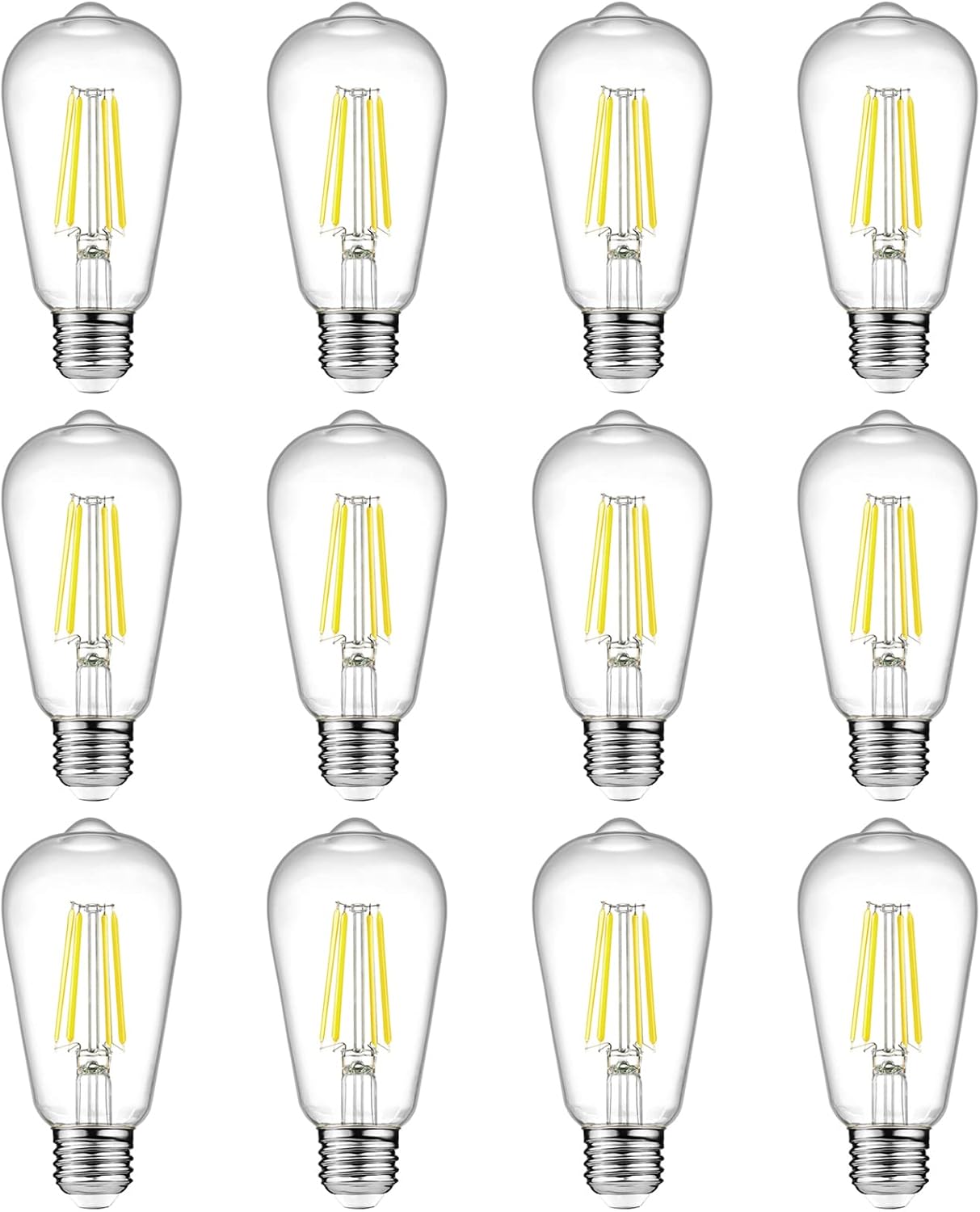


ENERGETIC SMARTER LIGHTING
ENERGETIC SMARTER LIGHTING 60W Equivalent A19 LED Light Bulb, Soft White 2700K, E26 Standard Base, UL Listed, Non-Dimmable LED Light Bulb, 15000 Hrs, 4 Pack
See current price


Popular brands in Light Bulbs
Light bulbs affect much more than whether a room is bright. The bulb’s technology, base, shape, color temperature, and dimming compatibility all influence how it works in a particular fixture. Start by identifying the requirements of the fixture, then compare specifications that match the way you use the space.
The catalog includes common household bulbs as well as specialty options for task lighting, decorative fixtures, workshops, outdoor applications, and other specific needs. Use the product details to confirm fit rather than choosing only by appearance.
How to choose the right light bulb
Begin with the fixture. Check the existing bulb, the fixture label, or the manufacturer’s instructions for the required base type, voltage, maximum wattage, and bulb size. A bulb with the wrong base will not install correctly, while one that is too large may not fit inside a shade or enclosed housing.
Next, consider the lighting effect you want:
- Brightness: Lumens indicate the amount of visible light. Compare lumens when you want a similar level of brightness, rather than relying on wattage alone.
- Color temperature: Warm white creates a softer, yellow-toned appearance; cooler white can look crisper and more neutral. Daylight-style bulbs may suit detailed work or spaces where a brighter visual effect is preferred.
- Dimming: If the bulb will be used with a dimmer, look for a bulb specifically marked as dimmable and check compatibility with the dimmer and fixture.
- Shape and appearance: The bulb may be visible through a clear shade, recessed housing, chandelier, or vanity fixture, so its profile can matter as much as its performance.
For rooms used for reading, cooking, grooming, or detailed work, compare brightness and color carefully. For bedrooms, living rooms, and decorative fixtures, the visual warmth and bulb shape may be more important.
Types of light bulbs
The main bulb technologies serve different purposes. Comparing the available types can help you balance appearance, operating characteristics, heat, and compatibility.
- LED Bulbs are a common choice for general household lighting. They are available in many shapes, bases, brightness levels, color temperatures, and specialty designs. Check whether a selected LED is suitable for dimmers, enclosed fixtures, damp locations, or the intended fixture type.
- Incandescent Bulbs produce a familiar warm appearance and may suit traditional decorative or specialty fixtures. They can produce considerable heat, so the fixture’s wattage limit and ventilation requirements are important.
- Halogen Bulbs are used in applications that call for a compact bulb and bright, focused illumination. They may run hot, making handling, clearance, and fixture compatibility especially important.
- Fluorescent Tubes are designed for compatible tube fixtures rather than standard household screw sockets. Compare tube format, length, pin configuration, ballast requirements, and whether the fixture is designed for the selected tube.
- Compact Fluorescent Bulbs fit some familiar household sockets while using a folded tube design. Verify that the bulb’s shape fits the shade and that it is compatible with dimming or enclosed fixtures if those features are needed.
- Black Light Bulbs are specialty products for effects and illumination that differs from ordinary room lighting. Confirm the socket, bulb shape, intended area, and any safety guidance before use.
- High Intensity Discharge Bulbs are specialty lighting products that require the correct fixture and electrical system. Pay close attention to socket, wattage, voltage, ballast, and operating requirements.
- Krypton & Xenon Bulbs are used in selected specialty fixtures and compact lighting applications. Match the replacement carefully by base, dimensions, voltage, wattage, and the fixture manufacturer’s specifications.
Specifications worth comparing
Base and socket: The base must match the fixture exactly. Common household screw bases are not interchangeable with bi-pin, bayonet, or other specialty formats. Product titles and images can look similar, so verify the base specification in the listing details.
Bulb shape and dimensions: A bulb can have the right base but still fail to fit because of its diameter, length, neck, or overall profile. Measure the available space, especially inside recessed cans, enclosed shades, ceiling fans, and decorative housings.
Brightness and wattage: Wattage describes electrical consumption, not directly how much light a bulb produces. Compare lumens for brightness and observe the fixture’s maximum wattage requirement. For replacement bulbs, look for an option that provides the desired light without exceeding the fixture limit.
Color temperature and color rendering: Color temperature helps predict whether light will appear warm or cool. Color rendering information can also matter where accurate colors are important, such as dressing areas, art spaces, kitchens, and workbenches.
Voltage and operating environment: Match the bulb to the electrical system and intended environment. Outdoor, damp, wet, enclosed, and high-temperature applications may require bulbs specifically rated for those conditions. Do not assume an indoor bulb is suitable for an exposed outdoor fixture.
Controls and special features: If you use a dimmer, timer, motion sensor, smart control, or three-way socket, confirm that the bulb supports that setup. Specialty controls may require a compatible bulb and fixture combination.
Brands in the catalog
The catalog includes products from GE, Philips, Amazon Basics, Sunco Lighting, LEDVANCE, Feit Electric, GE Lighting, Sunlite, Bluex Bulbs, KOR, Simba Lighting, and ENERGETIC SMARTER LIGHTING. These brands are represented across different bulb types and applications. Compare the specifications of individual products rather than selecting by brand name alone, since base, shape, brightness, color, and compatibility can vary within a brand’s range.
For broader home projects, browse Lighting & Ceiling Fans for related fixtures and lighting products. If the project involves sockets, wiring, or other electrical components, Electrical may also contain relevant categories.
Installation and replacement tips
Turn off the fixture and allow a recently used bulb to cool before replacing it. Handle specialty bulbs according to their instructions; some bulb types should not be touched directly on the glass because oils from skin can affect the lamp surface when it becomes hot.
Keep the packaging or record the important specifications of the existing bulb before shopping. The most useful details are base, shape, dimensions, voltage, wattage, lumens, color temperature, and whether the bulb is dimmable. For tube and specialty lighting, also record pin configuration, ballast information, or the fixture’s exact requirements.
Dispose of used bulbs according to local guidance. Some bulb types require different handling from ordinary household waste, so check local recycling or disposal instructions when replacing them.
Frequently asked questions
How do I know which bulb base I need?
Check the existing bulb, fixture label, or manufacturer instructions. Match the base shape and size exactly, and confirm that the bulb’s dimensions fit the housing.
Are watts the same as brightness?
No. Watts describe electrical consumption, while lumens describe visible light output. Compare lumens when choosing a desired brightness, while staying within the fixture’s wattage limit.
What color temperature is suitable for a living room?
Many shoppers prefer a warm appearance for living areas, but the best choice depends on the room’s furnishings, natural light, and personal preference. Compare the listed color temperature before ordering.
Can every light bulb be dimmed?
No. Use a bulb marked dimmable with a compatible dimmer. Even when both are labeled dimmable, compatibility can vary, so check the bulb and dimmer documentation.
Can an LED bulb be used in any fixture?
Not always. Confirm the base, size, voltage, wattage, enclosure rating, and dimmer compatibility. Some LED bulbs are not intended for enclosed, damp, or high-temperature fixtures.
What should I check when replacing a fluorescent tube?
Match the tube format, length, pin configuration, electrical requirements, and ballast or fixture compatibility. Follow the fixture manufacturer’s instructions before installation.