
Generators & Portable Power
Compare generators, solar and wind power systems, and accessories by specifications and features. Find portable power options for backup use, outdoor projects, travel, and recreation.
1,030 products in catalog
1,030 results
Filters

Porch Shield
Porch Shield Waterproof Universal Generator Cover 35 x 26 x 28 inch, for Most Generators 5000-12000 Watt, Light Tan
See current price


Victron Energy
Victron Energy SmartSolar MPPT 100V 20 amp 48-Volt Solar Charge Controller (Bluetooth)
See current price

Champion Power Equipment
Champion 25-Foot 30-Amp 250-Volt Generator Power Cord for Manual Transfer Switch (L14-30P to L14-30R)
See current price
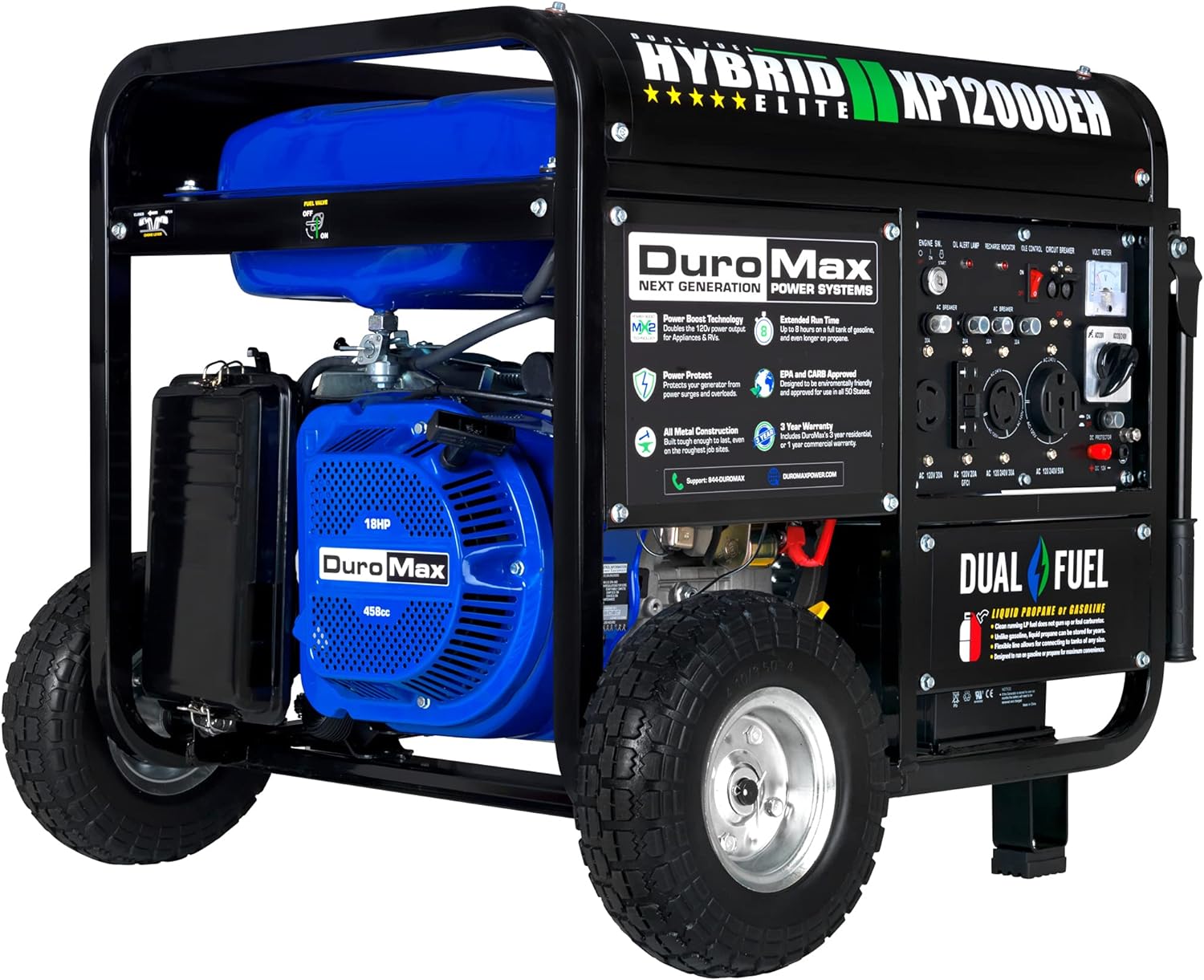


Champion Power Equipment
Champion Weather-Resistant Storage Cover for 2800-4750-Watt Portable Generators
See current price

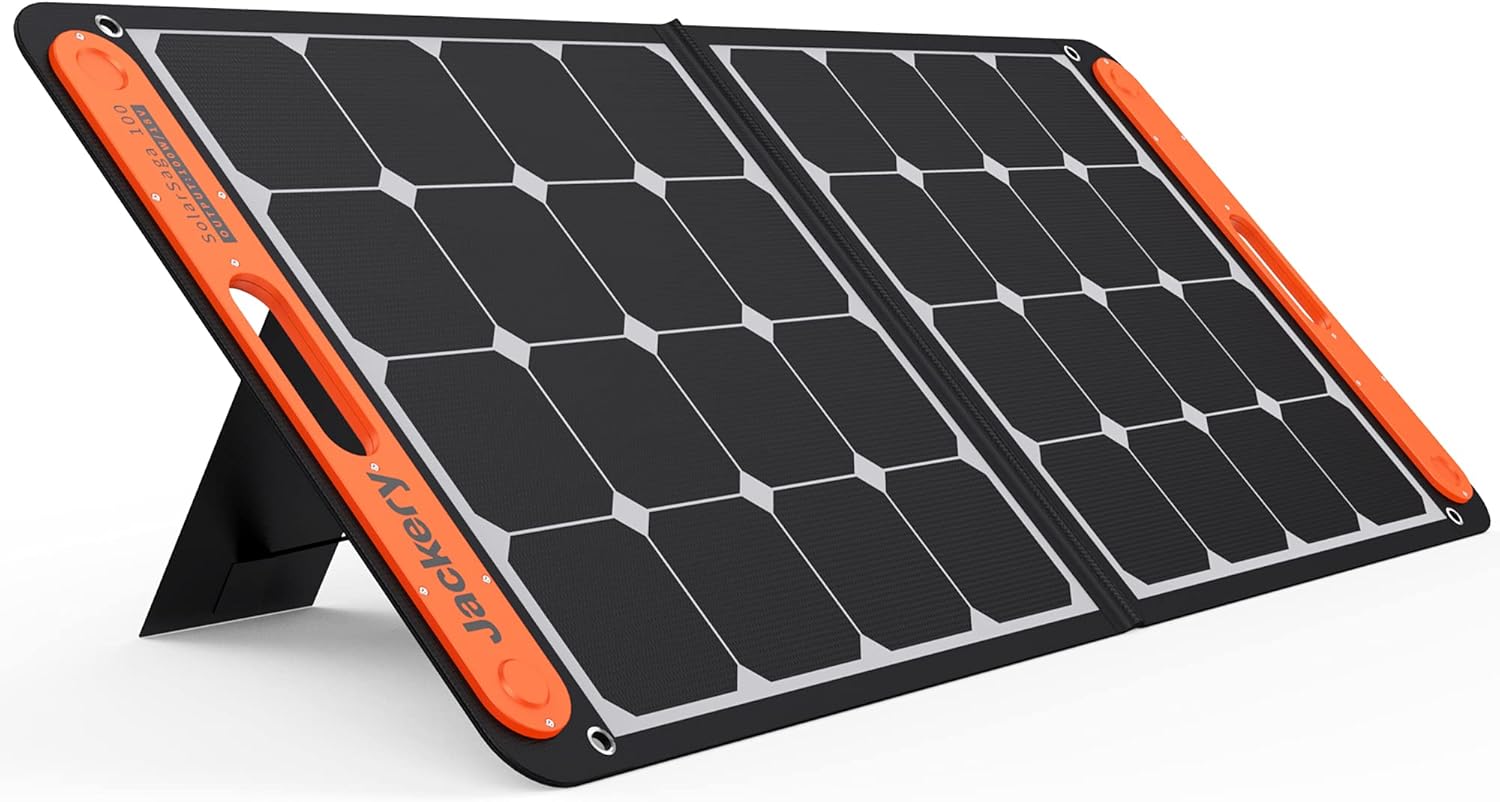


Westinghouse Outdoor Power Equipment
Westinghouse Outdoor Power Equipment 4500 Peak Watt Super Quiet Portable Inverter Generator, Remote Electric Start with Auto Choke, RV Ready 30A Outlet, Gas Powered, CO Sensor, Parallel Capable
See current price

Westinghouse Outdoor Power Equipment
Westinghouse Outdoor Power Equipment 9500 Peak Watt Home Backup Portable Generator, Remote Electric Start with Auto Choke, Transfer Switch Ready, Gas Powered, CO Sensor, CARB Compliant
See current price

Champion Power Equipment
Champion Weather-Resistant Storage Cover for 4800-11,500-Watt Portable Generators
See current price

Westinghouse Outdoor Power Equipment
Westinghouse Outdoor Power Equipment Portable Generator Wheel and Handle Kit for WGen2000 WGen3600v, WGen3600, and WGen3600DF
See current price

Champion Power Equipment
Champion Power Equipment 48034 25 ft. 30A 125V Generator Power 3750 Watts (L5-30P to Three 5-15R) Extension Cord, yellow
See current price

Champion Power Equipment
Champion Power Equipment 40065 Wheel Kit with Folding Handle and Never Flat Tires, for 2800-4750-Watt Generators, Black
See current price


Champion Power Equipment
Champion Power Equipment 100573 4000-Watt DH Series Open Frame Inverter, Wireless Remote Start, 4000-Watt + Gas + Remote Start
See current price

Popular brands in Generators & Portable Power
Generators and portable power products can support home backup needs, outdoor work, camping, travel, and emergency preparedness. The right choice depends on how much power you need, which devices you want to run, how long you need to operate them, and whether portability or quiet operation is most important.
K-Catalog brings together equipment and accessories within Patio, Lawn & Garden, so you can compare product specifications before visiting Amazon for the latest purchasing information.
Choose the right type of portable power
The category is organized into three main areas:
- Solar & Wind Power includes renewable charging and portable power options for shoppers who want to reduce reliance on fuel or recharge equipment away from an outlet. Consider solar input, battery capacity, charging methods, portability, and whether the system can support your intended devices.
- Generator Accessories covers supporting equipment such as cables, covers, connection hardware, control components, and other items that can improve setup or storage. Compatibility with the generator and the electrical connection is essential.
- Generators includes conventional portable generators and other generator formats. Compare their power output, fuel type, run time, outlet selection, starting method, noise information, and overall weight.
Solar and wind power products suit shoppers focused on renewable charging, quieter operation, or mobile use. Fuel-powered generators may be more appropriate when extended operation and higher output are priorities. Portable power stations can be convenient for electronics and smaller devices, while traditional generators may better fit demanding tools or appliances, depending on their specifications.
Key specifications to compare
Start by listing the devices you expect to use at the same time. Check each product’s running output and maximum or surge output, since some appliances require additional power when starting. Leave room for the combined demand of connected equipment rather than choosing solely by the largest single device.
Other specifications worth comparing include:
- Power source: Fuel type, battery operation, solar charging, wind input, or a combination of methods.
- Capacity and runtime: Battery capacity or fuel efficiency, along with the manufacturer’s stated operating conditions.
- Connections: AC outlets, USB ports, DC connections, solar input, and any transfer or parallel capability listed for the product.
- Portability: Carry handles, wheels, overall weight, and storage dimensions.
- Operation: Push-button, pull-start, remote, or automatic starting; inverter technology; display controls; and monitoring features.
- Noise and emissions: Look for published noise information and any ventilation or outdoor-use requirements.
For home backup, pay close attention to how the equipment connects to household circuits. A transfer switch or other installation hardware may be needed, and electrical work should be handled according to applicable instructions and local requirements.
Accessories and setup considerations
Accessories are not interchangeable by default. Match cables, plugs, covers, inlet boxes, maintenance items, and control equipment to the generator or power station’s connection type and specifications. A weather-resistant cover may help with storage, but it should not be used in a way that blocks ventilation during operation.
Before choosing an accessory, confirm the connector style, supported power level, cable length, environmental rating, and compatibility information. For renewable systems, also compare the input limits of the power station or battery with the output of the solar panels or wind equipment.
Brands represented in the catalog
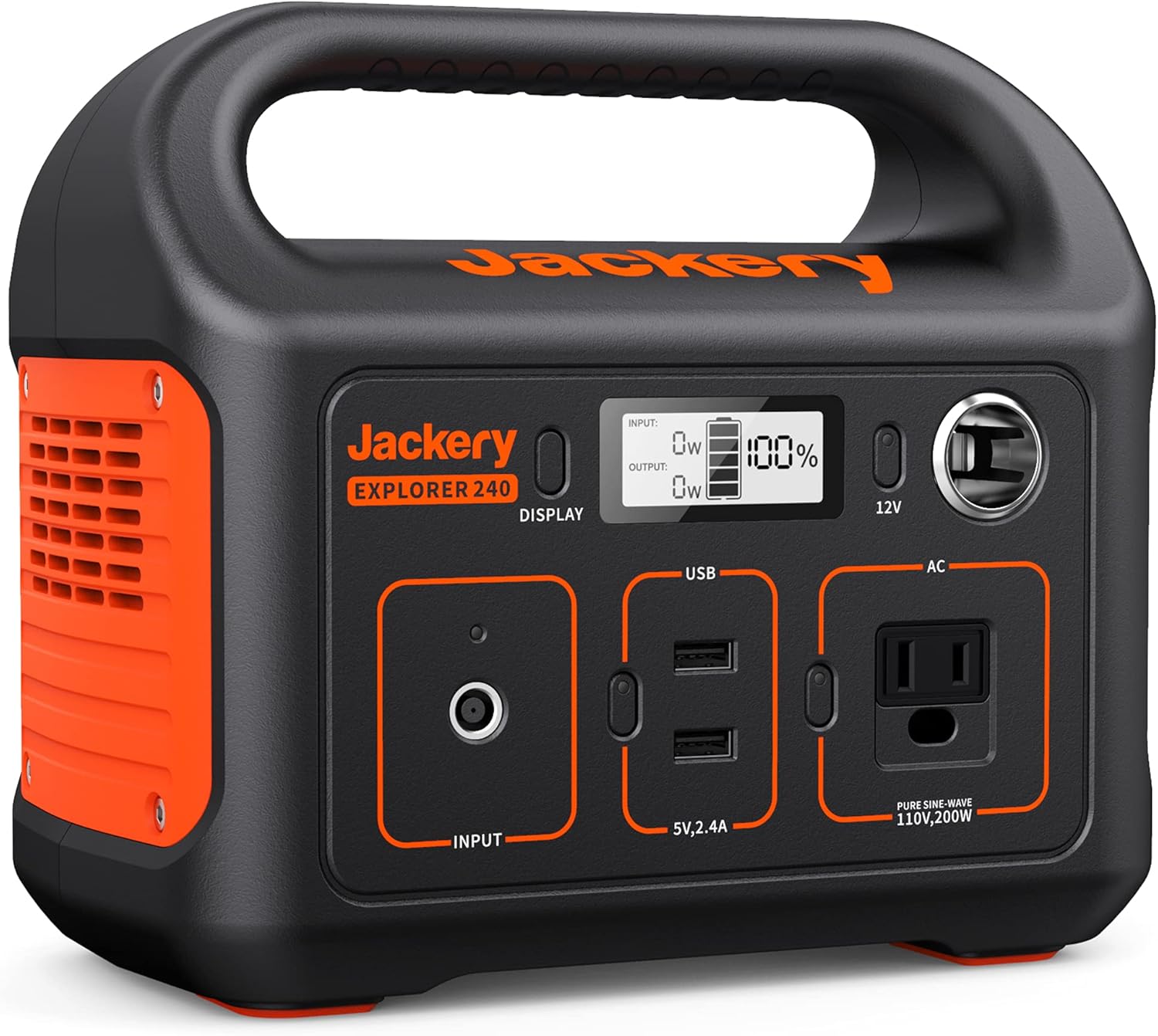
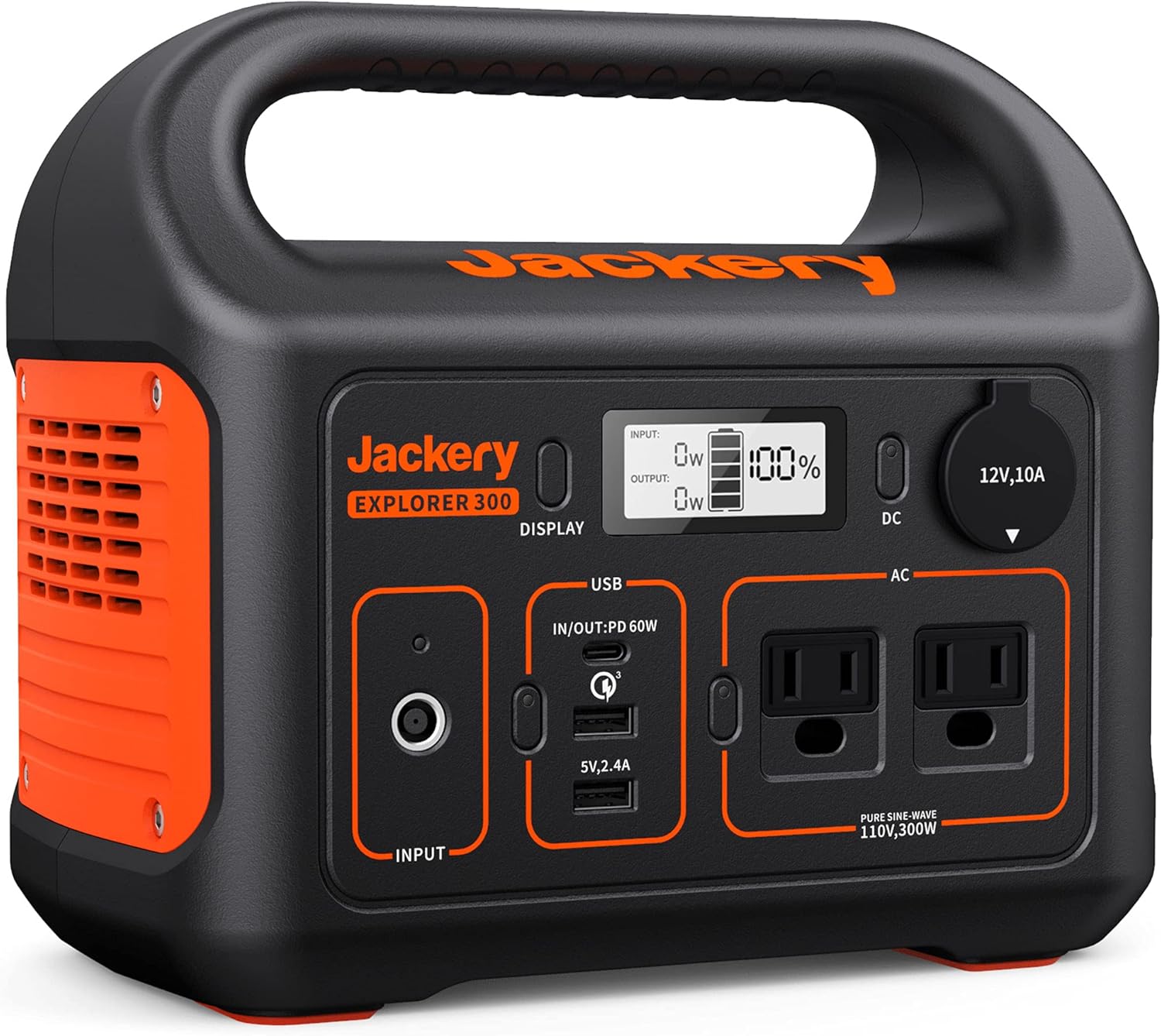
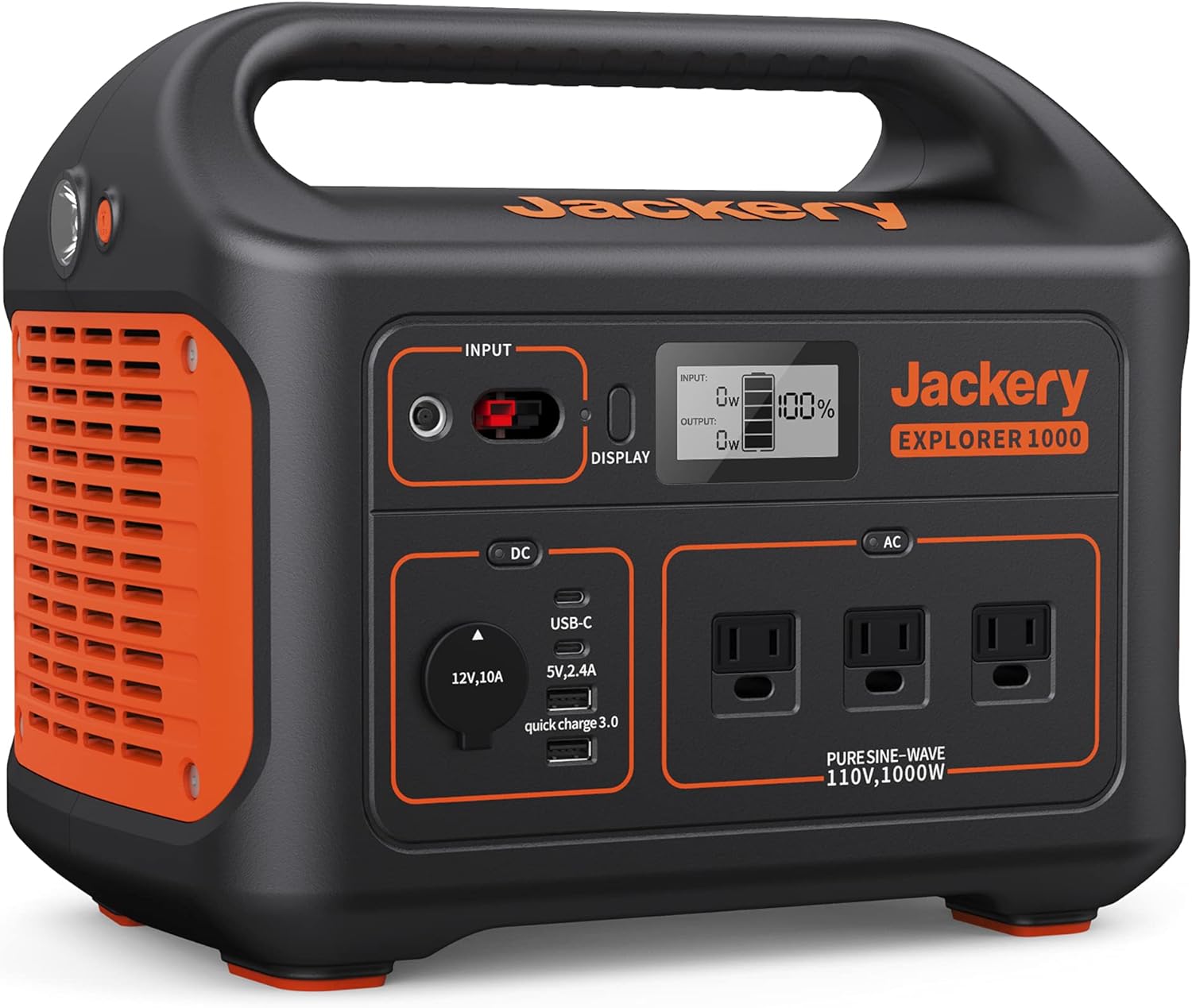
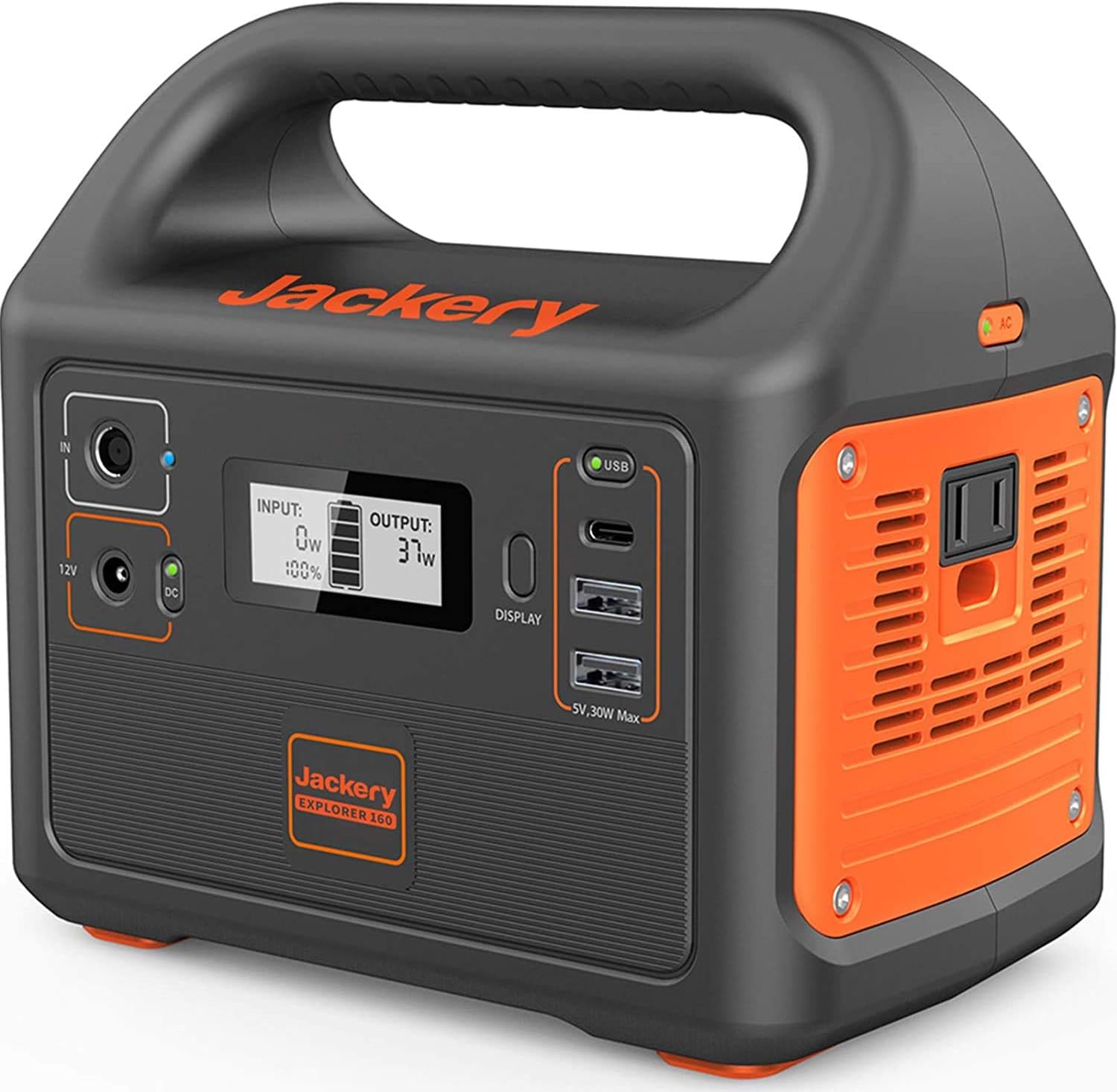
Brands well represented in this catalog include Conntek, Renogy, Generac, Champion Power Equipment, Honda, BougeRV, Goal Zero, ECO-WORTHY, Reliance Controls, Jackery, WEN, and HQST HIGH QUALITY SOLAR TECHNOLOGY. Use brand filters alongside specifications rather than treating brand familiarity as a substitute for checking compatibility, capacity, and intended use.
Where portable power fits outdoors
Portable power can complement equipment in other outdoor categories. Shoppers preparing for property maintenance may also want to compare Outdoor Power Tools and Gardening & Lawn Care. For entertaining or recreation, related options include Grills & Outdoor Cooking and Patio Furniture & Accessories.
Store fuel, batteries, cables, and accessories as directed by the manufacturer. Keep generators away from enclosed areas and occupied spaces, maintain clear ventilation, and use only approved connections. Review the manual before operation, especially when powering sensitive electronics or connecting equipment to a home electrical system.
Frequently asked questions
What size generator do I need?
Add the running power requirements of the devices you plan to use together, then account for the extra starting demand of appliances with motors or compressors. Compare that total with the generator’s rated output and surge capability.
Are solar power stations suitable for home backup?
They can support selected devices when their capacity, output, and connection options match the intended load. Check recharge time, available charging sources, and whether the system supports the appliances you need during an outage.
What is the difference between a generator and a portable power station?
A generator typically creates electricity using an engine or another generation method. A portable power station stores energy in a battery and supplies it through built-in outlets, often with options for recharging from solar panels or wall power.
Can a generator be used indoors?
Fuel-powered generators should not be operated indoors, in garages, or in other enclosed spaces because of exhaust hazards. Follow the product manual and local safety guidance for placement and operation.
Do generator accessories work with every model?
No. Compatibility depends on the generator’s outlets, connector type, electrical rating, and design. Check the accessory specifications and the generator manual before purchasing or connecting equipment.