

Band & Orchestra Instruments
Compare band and orchestra instruments by family, construction, size, playability, and included accessories. Browse specifications to narrow the catalog to a practical fit.
275 products in catalog
275 results
Filters


Mendini by Cecilio
Mendini By Cecilio Eb Alto Saxophone - Case, Tuner, Mouthpiece, 10 Reeds, Pocketbook- Nickel E Flat Musical Instruments
See current price




Cecilio
Cecilio CVN-300 Solidwood Ebony Fitted Violin with D'Addario Prelude Strings, Size 3/4
See current price


GLORY
Glory Black Laquer E Flat Alto Saxophone with 11reeds,8 Pads cushions,case,carekit
See current price


GLORY
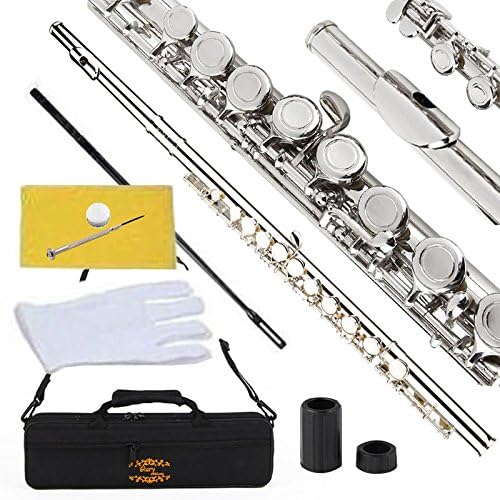
Glory Closed Hole C Flute With Case, Tuning Rod and Cloth,Joint Grease and Gloves Blue
See current price
Popular brands in Band & Orchestra
Band and orchestra instruments are shaped by the way they produce sound, the technique they require, and the role they play in an ensemble. Whether you are choosing a first instrument, replacing one for regular practice, or assembling equipment for performances, comparing specifications is more useful than choosing by appearance alone.
This category brings together wind, woodwind, string, and brass instruments. Start with the instrument family that matches the intended player and musical setting, then compare construction, dimensions, included components, and compatibility with the needed accessories.
How to choose a band or orchestra instrument
The right choice depends on the player’s experience, physical comfort, musical goals, and ensemble requirements. Beginners may value manageable handling, straightforward maintenance, and a complete setup. More experienced players may prioritize materials, response, adjustment options, and details that support a particular playing style.
Consider these questions before comparing individual listings:
- Which instrument family and playing position are appropriate?
- Is the size suitable for the player’s age, reach, and comfort?
- Are essential items such as a case, mouthpiece, bow, reeds, or care tools included?
- Will the instrument be used for practice, lessons, rehearsals, recording, or live performance?
- Does the construction match the expected level of use and maintenance routine?
Explore the main instrument types
The catalog’s broadest selection is in Wind & Woodwinds, covering instruments that produce sound through air directed across an opening or through a reed. When comparing these listings, pay attention to key or valve layout, body material, finish, bore design, included mouthpieces, and the availability of cleaning supplies or replacement parts.
Orchestral Strings include instruments played with a bow, by plucking, or through a combination of techniques. Size and setup are particularly important for string instruments. Compare scale or body dimensions, string configuration, bow and case inclusion, bridge and fingerboard construction, and whether the instrument is suited to a student or more advanced playing context.
The Brass section focuses on instruments that use the player’s lip vibration and a metal mouthpiece to create sound. Valve or slide design, tubing, bell size, mouthpiece compatibility, and case inclusion can all affect the practical fit. Players should also consider how the instrument will be cleaned and stored between sessions.
Specifications and features to compare
Product titles can look similar while the included equipment and construction differ. Review the full specification information for each listing and compare:
- Materials and finish: These can affect durability, appearance, weight, and care requirements.
- Dimensions and weight: Important for portability, storage, and comfortable playing over longer sessions.
- Playing mechanism: Compare keys, valves, slides, strings, tuning components, and adjustment features as appropriate to the instrument family.
- Included accessories: A case, stand, mouthpiece, bow, reeds, cork grease, cleaning rod, or other basics may change what is needed immediately after purchase.
- Maintenance needs: Woodwinds, brass, and strings each require different cleaning, storage, and replacement routines.
- Compatibility: Check that replacement parts, mouthpieces, strings, reeds, and accessories match the specific instrument.
Brands represented in the catalog
Brand names represented in this category include Mendini by Cecilio, Yamaha, Sky store, Eastar, GLORY, Crescent, Cecilio, EASTROCK, Jean Paul USA, Kennedy Violins, and TROPHY. The catalog also includes listings under sweetnice Women Shoes. Treat brand as one comparison point rather than a substitute for checking the individual instrument’s specifications, included items, and intended use.
For supporting equipment, browse Instrument Accessories when you need stands, cases, maintenance supplies, replacement components, or other add-ons. Players building a performance setup can also compare Microphones & Accessories and Live Sound & Stage equipment.
Care, storage, and setup tips
Keep the instrument in a suitable case when it is not being played, and follow the care method appropriate to its materials and mechanism. Avoid storing instruments where heat, moisture, or sudden temperature changes may cause problems. Wipe away moisture and residue after use when the manufacturer’s guidance calls for it, and inspect moving parts, pads, strings, valves, or slides regularly.
Before buying, confirm that the instrument’s size and configuration match the player’s lessons or ensemble requirements. If it is intended for a school or organized group, check whether the instructor specifies a particular key, arrangement, or accessory standard.
Frequently asked questions
Which instrument family should a beginner choose?
The best starting point depends on comfort, physical fit, musical interests, and the requirements of the player’s lessons or ensemble. Compare manageable dimensions, included essentials, and maintenance demands.
What should be included with a band or orchestra instrument?
Inclusions vary. Common items may include a case, mouthpiece, bow, reeds, cleaning tools, straps, or other setup components. Review each listing rather than assuming accessories are included.
How important is instrument size?
Size affects reach, posture, portability, and comfort. This is especially important for orchestral strings and larger wind or brass instruments.
Are accessories interchangeable between instruments?
Not always. Mouthpieces, reeds, strings, cases, and replacement parts may depend on the instrument family, size, model, or configuration. Check compatibility carefully.
How should these instruments be stored?
Store them in a protective case in a dry, stable environment away from extreme temperatures. Follow the care instructions appropriate to the instrument’s materials and moving parts.