
JK Rowling (Author), Mary GrandPré (Illustrator)
Harry Potter Complete Series Boxed Set Paperback Collection JK Rowling All 7 Books! New!
See current price

Compare office and school supplies by format, materials, compatibility, and intended use. Explore everything from writing essentials and paper to organizers, filing products, classroom supplies, and shipping materials.
60,317 products in catalog
60,317 results
JK Rowling (Author), Mary GrandPré (Illustrator)
See current price
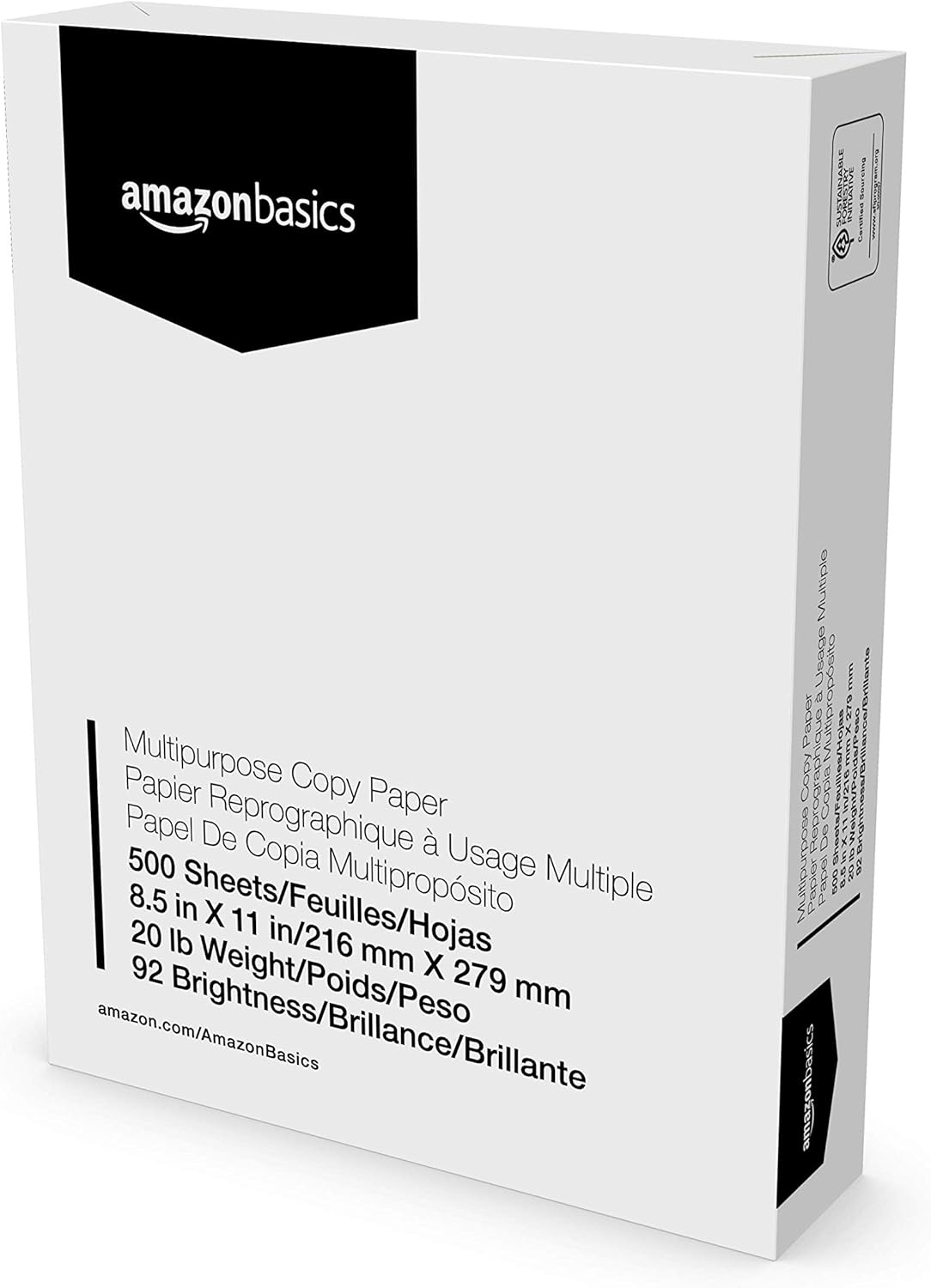
Amazon Basics
See current price


Amazon Basics
See current price


Paper Mate
See current price


Ticonderoga
See current price

![[By Celeste Ng ] Little Fires Everywhere (Hardcover)【2018】 by Celeste Ng (Author) (Hardcover)](https://m.media-amazon.com/images/I/91tJkyxDH+L._AC_SL1500_.jpg)
Celeste Ng
See current price

Amazon Basics
See current price
![[By Adam Kay ] This is Going to Hurt: Secret Diaries of a Junior Doctor (Paperback)【2018】by Adam Kay (Author) (Paperback)](https://m.media-amazon.com/images/I/51TQxw7txML._SX328_BO1,204,203,200_.jpg)


ACCUTECK
See current price


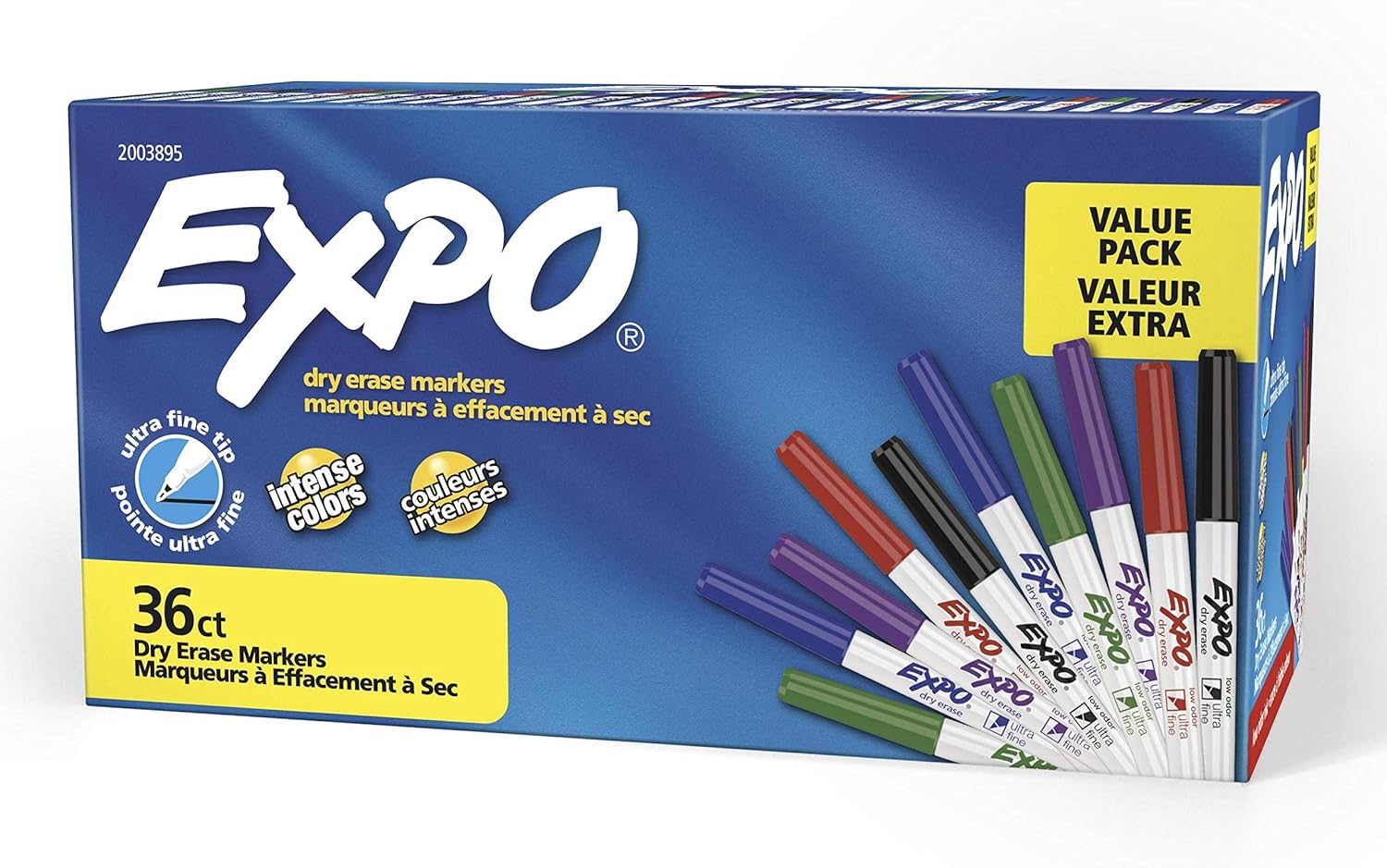

Ticonderoga
See current price
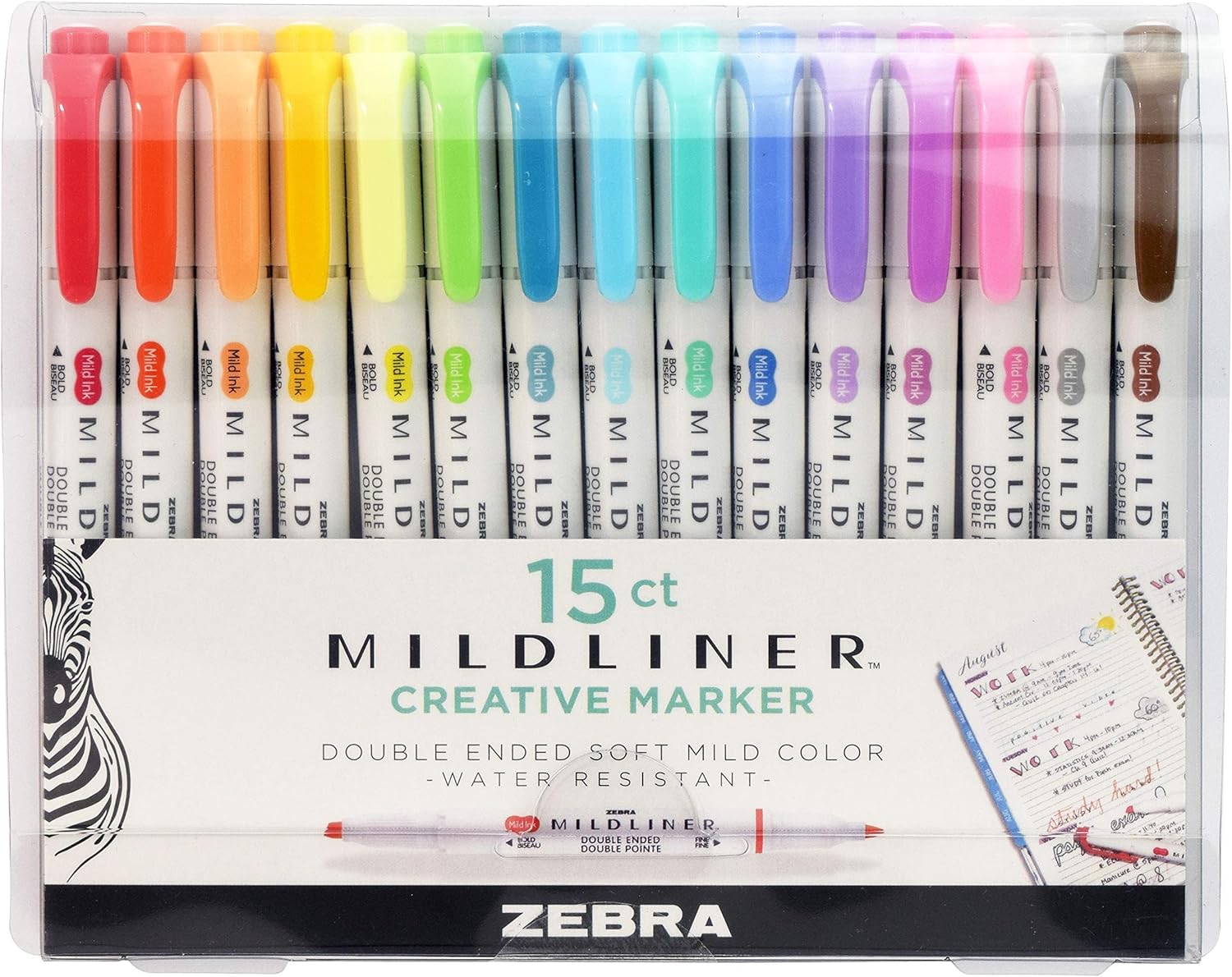


Rick Riordan (Author)
See current price
Office and school supplies support everyday writing, planning, organization, teaching, filing, packaging, and presentation tasks. The right choice depends on where the item will be used, how often it will be handled, and which formats or materials fit your workflow.
K-Catalog brings these product types together so you can compare specifications and features across practical categories. Start with the task you need to complete, then narrow your options by size, capacity, construction, compatibility, and ease of use.
A useful starting point is to separate supplies into four groups: items used repeatedly at a desk, consumables that need regular replacement, organizational products, and specialty supplies for communication or presentation. This makes it easier to compare products on the features that matter rather than choosing based only on appearance.
Consider these questions before selecting an item:
For shared workplaces or classrooms, clear organization and easy identification can matter as much as basic function. For personal use, compact dimensions and a format that fits established habits may be more valuable.
The largest areas in this catalog are focused on daily writing, paper, desk organization, labels, and planning. These are useful starting points for routine office and school needs:
Other categories address more specific operational, classroom, and presentation needs:
Dimensions should match the materials being used and the available workspace. For paper, envelopes, mailers, binders, and covers, verify that the internal or usable dimensions accommodate the intended contents. For desk accessories and displays, compare the overall footprint with the desk, shelf, wall, counter, or presentation area.
Material affects handling, appearance, flexibility, and durability. Paper may be selected by surface and weight, while organizers, binders, and displays may use plastic, paperboard, metal, fabric, or composite construction. Look for product details that explain whether a material is rigid, flexible, reusable, moisture-resistant, or designed for frequent handling.
Capacity matters for files, binders, organizers, staplers, and shipping supplies. Check how many documents or items the product is designed to hold or process, and determine whether it uses replaceable components such as ink, lead, labels, staples, adhesive rolls, or inserts. A product with readily available compatible refills may be more convenient for ongoing use.
Compatibility can affect whether a supply works with equipment or an existing system. Check printer suitability for paper and labels, ring format for binders, staple type for staplers, punch spacing for filing, and surface suitability for adhesives. For forms and labels, confirm that the layout and dimensions support the intended workflow.
Portable products may benefit from secure closures, light construction, or a compact format. Supplies kept in a shared area may be easier to manage when they have labeled compartments, visible contents, or a designated storage location. For shipping and filing, closures and protection can be more important than appearance.
The catalog includes well-represented names across writing, paper, labeling, planning, and general office supplies, including Hallmark, Pilot, Avery, Outus, Sharpie, Pentel, Amazon Basics, BIC, AT-A-GLANCE, Global Printed Products, Paper Mate, and Post-it. Brand availability varies by product type, so compare the specifications of individual products rather than assuming that every brand offers the same formats or features.
When comparing items from familiar brands, still check the details that affect fit: dimensions, materials, refill or replacement requirements, compatible formats, and intended use. These details are often more useful than brand familiarity when selecting supplies for a particular desk, classroom, office system, or shipping process.
A balanced supply setup usually combines everyday tools with products that make information easier to find and maintain. Keep frequently used writing tools and paper accessible, then use organizers, labels, filing products, or binders to control documents and small items. Planning products can help coordinate tasks, while presentation and display supplies can keep notices or project materials visible.
For a classroom, consider writing tools, paper, educational materials, storage, display products, and labeling. For a home office, prioritize desk organization, filing, planning, paper, and dependable writing supplies. A business may need to add forms, mailers, labels, recordkeeping materials, and display products. Compare each item against the workflow it supports rather than building a supply collection without a defined purpose.
If your needs extend beyond physical supplies, browse Office Electronics and Office Furniture & Lighting for adjacent workspace categories. Teaching-focused shoppers can also explore the Education Store, while printer users may want to compare Brother Remf Ink & Toner.
Start with writing tools, suitable paper, a way to organize small supplies, and a filing or planning product that matches your routine. Add labels, adhesives, or presentation supplies as specific tasks require them.
Match the paper’s size, weight, finish, color, and intended use to the task. Also check whether it is suitable for the printer, copier, writing tool, craft activity, or filing system involved.
Compare the available space, compartment layout, capacity, accessibility, material, and ease of cleaning. A good organizer should hold the supplies you use regularly without making them difficult to reach.
Confirm document size, folder or binder format, label placement, capacity, and compatibility with the drawer, cabinet, shelf, or portable case where the products will be stored.
Review dimensions, surface compatibility, adhesion or removability, application method, and whether the product is suitable for writing, printing, mailing, mounting, or repeated use.
Check the paper capacity, operating design, required staple or punch format, alignment features, storage size, and replacement supplies. Choose a format suited to the volume and type of documents you handle.