

Sports Equipment, Gear & Accessories
Compare sports equipment and accessories by activity, fit, materials, and essential features. Browse major sports categories to find options suited to training, competition, recreation, and outdoor play.
46,290 products in catalog
46,290 results
Filters


Aegend
Aegend Swim Goggles, Swimming Goggles No Leaking Full Protection Adult Men Women Youth
See current price


ASM Holdings LLC
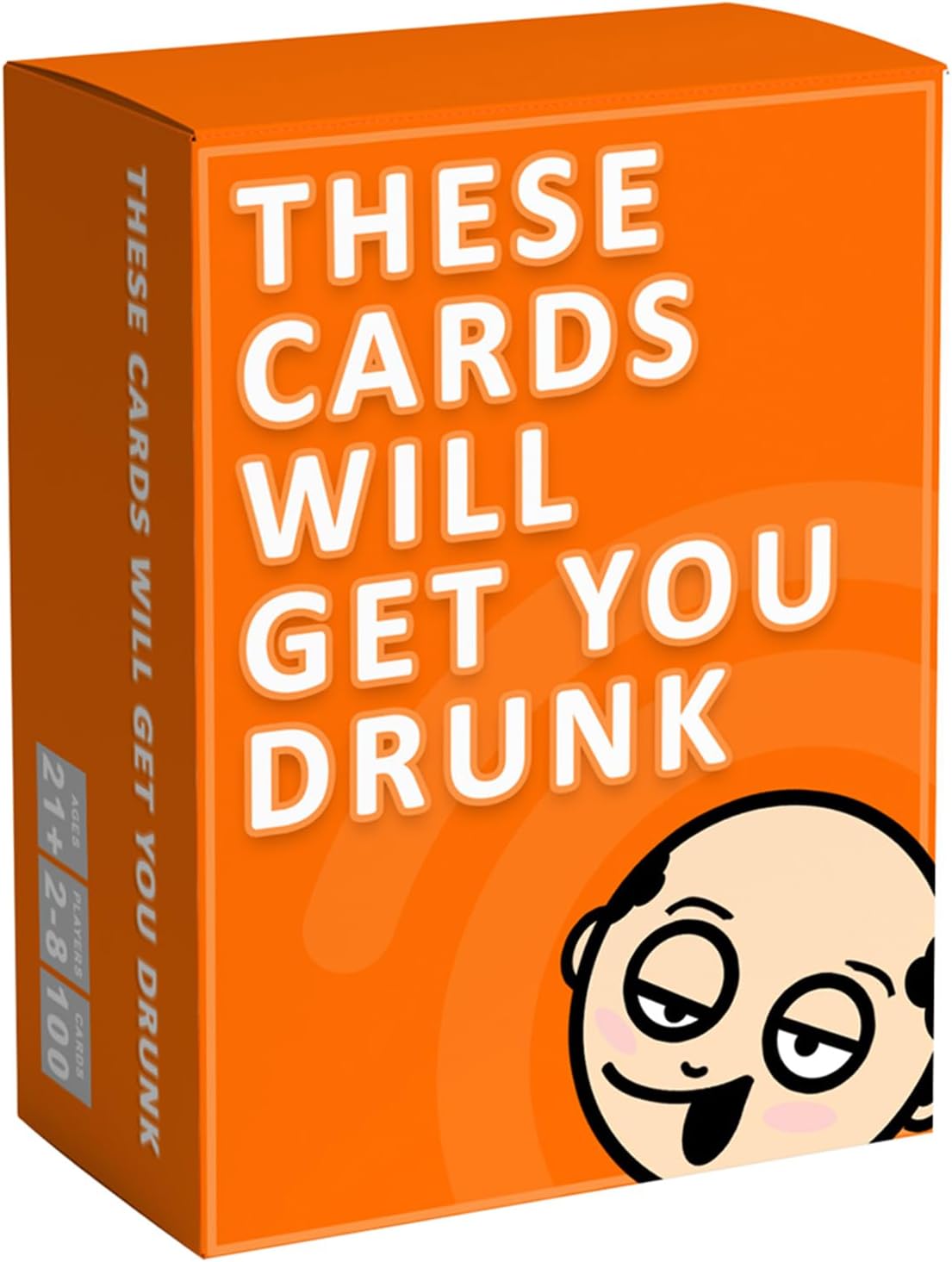
These Cards Will Get You Drunk - Fun Adult Drinking Game for Parties
See current price





Master Lock
Master Lock Bike Lock Cable, Combination Bicycle Lock, Cable Lock for Outdoor Equipment, Black
See current price


Body Glove
Body Glove Paddle Pals Life Jacket - The Safest Patented U.S. Coast Guard Approved Kids Swim Vest 33-55 LBS
See current price
Popular brands in Sports
Whether you are replacing a well-used piece of gear or preparing for a new activity, the right sports equipment should match how, where, and how often it will be used. K-Catalog helps you compare product specifications and features across a broad selection of sports categories before checking the current price and purchase options on Amazon.
Start with the activity, then narrow your choices by size, construction, compatibility, portability, and safety features. Equipment for casual recreation can have different priorities from gear intended for organized play, frequent training, or demanding outdoor conditions.
Browse sports by activity
The largest areas of this catalog include cycling, team sports, water sports, golf, leisure activities, skating, and boating. Use these category pages to focus your search:
- Cycling for bikes, components, helmets, tools, bags, and riding accessories.
- Team Sports for equipment used in practices, games, training, and team facilities.
- Water Sports for swimming, paddling, water play, and related equipment.
- Golf for clubs, balls, training aids, bags, and course accessories.
- Leisure Sports & Game Room for recreational games and equipment for home or social use.
- Skates, Skateboards & Scooters for rolling sports, boards, protective gear, and replacement parts.
- Boating & Sailing for gear used on boats, kayaks, sailboats, and other watercraft.
- Other Sports for activities that do not fit neatly into the main categories.
- Airsoft for replicas, protective equipment, apparel, and field accessories.
- Winter Sports for snow and ice activities, including equipment and protective gear.
- Tennis & Racquet Sports for racquets, balls, nets, grips, and court accessories.
- Running for training accessories, visibility gear, hydration products, and race-day essentials.
- Triathlon for equipment supporting swim, bike, and run transitions and training.
How to choose sports equipment
Begin by defining the intended user and setting. A product for a child, beginner, occasional player, or experienced competitor may need a different balance of adjustability, durability, weight, and performance-oriented design. Also consider whether the equipment will stay at home, travel to a field or course, or be carried on a bike, boat, or trail.
Compare the following before choosing:
- Fit and sizing: Check the manufacturer’s sizing guidance and measure the user when relevant. Helmets, protective pads, footwear, gloves, and wearable gear should fit securely without restricting movement.
- Materials and construction: Look for materials suited to the activity and environment. Water exposure, abrasion, impact, sunlight, cold, and repeated flexing can all affect long-term use.
- Weight and portability: Lightweight gear can be convenient for travel and repeated handling, while heavier construction may be useful when stability or resistance to movement matters.
- Compatibility: Confirm dimensions, attachment points, replacement-part compatibility, handedness, skill level, and connection standards before ordering equipment or accessories.
- Adjustability: Straps, closures, telescoping components, interchangeable parts, and customizable settings can help equipment accommodate different users or changing conditions.
- Included components: Check what comes with the product and what must be purchased separately. This is especially important for protective equipment, mounting systems, training sets, and sport-specific kits.
Features that matter across sports
Durability is important, but it is only one part of the decision. A product used outdoors may benefit from weather-resistant materials, sealed construction, corrosion resistance, or easy-clean surfaces. Gear used indoors may place more emphasis on floor protection, quiet operation, compact storage, or resistance to scuffing.
For equipment that affects control or movement, pay attention to grip texture, balance, flexibility, traction, and adjustability. For bags and storage products, compare capacity, compartment layout, padding, ventilation, handles, and shoulder straps. For wearable products, consider breathability, moisture management, visibility, and whether the design allows a full range of motion.
Safety should be treated as a specification rather than an afterthought. Helmets, guards, flotation products, eye protection, and other protective equipment should be appropriate for the activity and correctly sized. Check product guidance for intended use, maintenance, replacement intervals, and any relevant safety standards listed by the manufacturer.
Equipment for training, competition, and recreation
The best choice depends on the level of use. Recreational gear may prioritize simple setup, versatility, comfort, and convenient storage. Training equipment may need to withstand frequent repetition and offer features that support skill development. Competition-oriented products can require closer attention to official dimensions, approved equipment rules, weight, balance, and sport-specific regulations.
If several people will use the same product, adjustable designs and durable surfaces can be practical. For individual equipment, a closer fit and more specialized configuration may be worthwhile. When buying a set, compare the contents carefully rather than assuming every accessory needed for play or setup is included.
For outdoor activities, plan for transport and storage as well as use. Consider whether the item folds, rolls, disassembles, or fits existing racks and bags. Keep wet equipment ventilated, store protective products away from excessive heat, and inspect items regularly for cracks, loose fasteners, worn straps, or other signs of damage.
Brands represented in the catalog
The catalog includes products from brands such as SHIMANO, Callaway, Wilson, Easton, adidas, Franklin Sports, Mizuno, TaylorMade, Giro, Speedo, Retrospec, and Bell. Brand availability varies by sport, so compare products within the relevant activity rather than relying on the brand name alone.
Specifications can differ substantially between products from the same brand. Review dimensions, materials, included accessories, compatibility details, intended use, and care instructions for each individual listing.
Related categories to explore
Some sports equipment overlaps with neighboring parts of the catalog. Explore Hunting & Fishing for equipment related to those outdoor pursuits, or browse Exercise & Fitness for training and workout gear. Outdoor Recreation may be useful for general outdoor activities, while Sports & Outdoor Recreation Accessories focuses on supporting items.
For apparel and fan-related products, see Clothing and Fan Shop. These areas can complement sport-specific equipment when you are assembling a complete kit.
Frequently asked questions
How do I choose the right sports equipment?
Start with the activity, user, skill level, and intended setting. Then compare fit, materials, dimensions, compatibility, adjustability, safety features, and included components.
Should beginners buy specialized sports gear?
Beginners often benefit from comfortable, easy-to-use, adjustable equipment that supports learning. Specialized features may be useful when the user has a clear activity, fit, or performance requirement.
What should I check before buying protective equipment?
Confirm the correct size, intended activity, adjustment system, coverage, materials, and manufacturer guidance. Protective products should fit securely and be inspected regularly for damage.
How can I compare sports equipment for outdoor use?
Look at weather resistance, corrosion resistance, UV exposure, portability, storage requirements, and cleaning instructions. Make sure the product suits the conditions where it will be used.
Are sport-specific accessories compatible with all equipment?
Not always. Check measurements, attachment systems, replacement-part details, model compatibility when provided, and the manufacturer’s instructions before purchasing accessories.
Where can I check current availability and purchase information?
Use K-Catalog to compare specifications and features, then follow the product listing to Amazon to check current availability and purchase details.