
Dairy, Eggs & Plant-Based Alternatives
Compare dairy staples, eggs, cheese, yogurt and plant-based alternatives by ingredients, format, dietary needs and storage requirements.
3,427 products in catalog
3,427 results
Filters

Great Lakes Cheese Inc.
Amazon Brand - Happy Belly Shredded 4 Cheese Mexican Blend Cheese, 16 Oz
See current price

by Philadelphia
Philadelphia Original Cream Cheese, for a Keto and Low Carb Lifestyle, (2 ct Pack, 8 oz Bricks)
See current price


Happy Belly
Amazon Brand - Happy Belly Cage-Free, Large, White Eggs, 1 Dozen (Packaging May Vary)
See current price

Hidden Villa Ranch
Amazon Brand - Happy Belly Cage Free Large White Eggs, Grade A, 18 Count (Packaging May Vary)
See current price

Darigold
Amazon Brand - Happy Belly Salted Butter Sticks, 16 oz. (4 Four Oz. Sticks)
See current price

Dr Pepper Snapple Group, Inc.
Yoo-Hoo Chocolate Drink, 6.5 Fluid Ounce Box, 3 Count, 6.5 Fl Oz(Pack of 8)
See current price


WhiteWave Foods Company
Silk Shelf-Stable Almond Milk Singles, Dark Chocolate, Dairy-Free, Vegan, Non-GMO Project Verified, 8 oz. (Pack of 12)
See current price

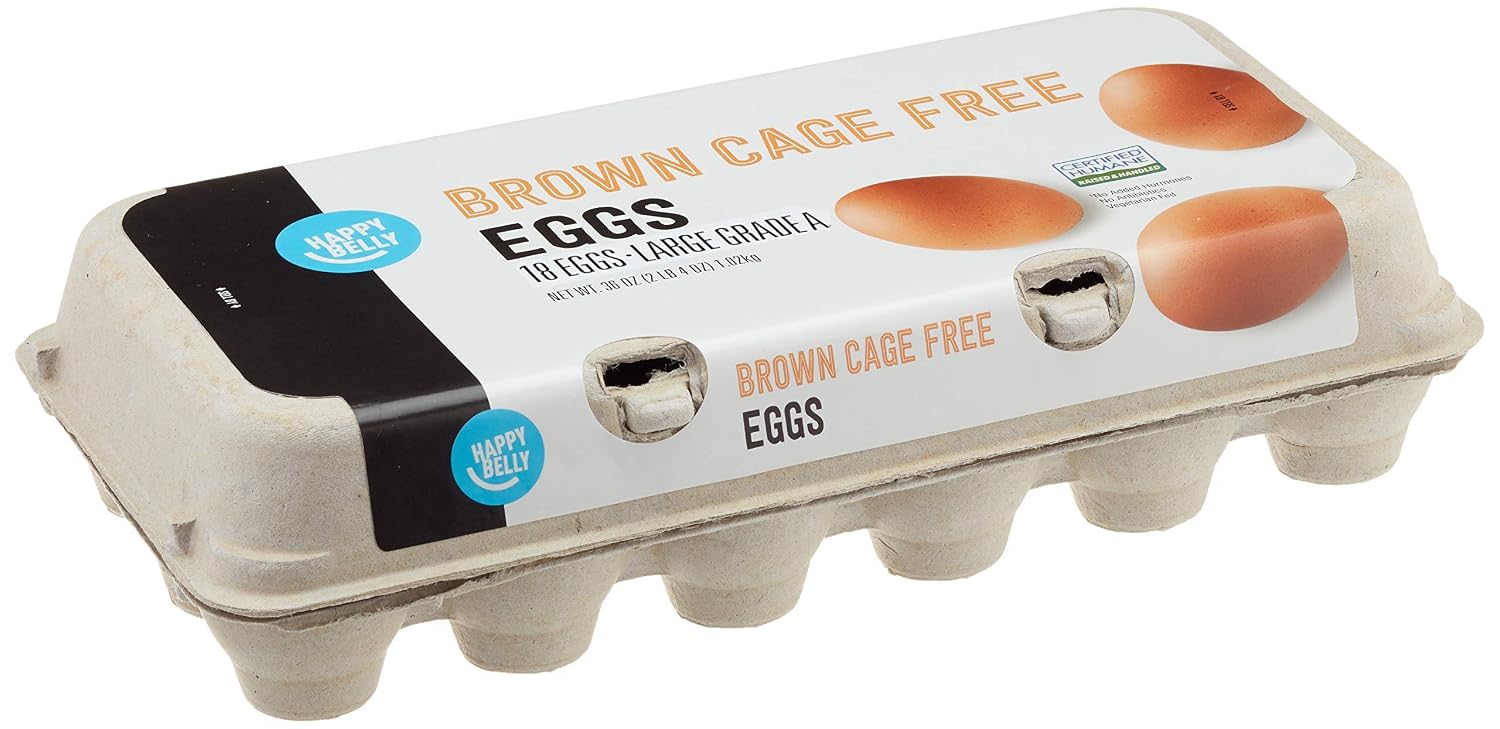
Hidden Villa Ranch
Amazon Brand - Happy Belly Cage Free Brown Eggs, Grade A, 18 Count (Packaging May Vary)
See current price

AmazonUs/HPHPO
Almond Breeze Dairy Free Almondmilk Unsweetened Original 32 Oz Boxes, 6 Count
See current price


Amazon
Amazon Brand - Happy Belly Shredded Mozzarella Cheese, Low Moisture Part-Skim Milk, 32 Ounce
See current price


Coffee-Mate
COFFEE MATE The Original Powder Coffee Creamer 35.3 oz. Canister (Pack of 3)
See current price

Whether you are stocking a family refrigerator, planning meals or looking for alternatives to traditional dairy, this category brings the main options together in one place. Browse products by type, then compare ingredients, package format, serving size, shelf life and preparation needs.
From everyday milk and butter to specialty cheeses, cultured yogurt and egg substitutes, K-Catalog helps you narrow the selection before checking the current product details and availability on Amazon.
Explore dairy and plant-based categories
The largest areas of the catalog include Cheese, Dairy & Plant-Based Yogurt and Milk & Cream. These are useful starting points for familiar refrigerator staples and cooking ingredients.
For dairy-free or plant-forward choices, compare Plant-Based Milk, Plant-Based Coffee Creamers and Plant-Based Cheese. These products can vary considerably in their base ingredients, such as oats, nuts, legumes or other plant sources, so checking the ingredient list is especially important.
Other focused options include Eggs & Egg Substitutes, Butter, Margarine & Plant-Based Alternatives, Cottage Cheese, Cream Cheese, Cheese Assortments & Samplers and Snack Packs & Lunches.
How to choose the right product
Start with how the product will be used. A milk or creamer for coffee may need different texture and flavor characteristics than one intended for baking. Similarly, a melting cheese, spreading cheese and snacking cheese each has a different role in the kitchen.
Compare these factors before choosing:
- Dietary fit: Check for dairy, egg, soy, nuts, gluten-related ingredients and other allergens that matter to your household.
- Ingredient preferences: Review sweeteners, oils, thickeners, cultures, preservatives and flavorings rather than relying only on front-label wording.
- Format: Consider cartons, tubs, sticks, slices, shreds, portions or individually packed servings based on how you plan to use and store the item.
- Cooking performance: For recipes, look for information about melting, whipping, spreading, baking or blending when available.
- Storage needs: Refrigerated products require dependable cold storage, while shelf-stable alternatives may be more convenient for backup supplies.
Key specifications to compare
Nutrition panels can help compare fat, protein, carbohydrates, sodium and added sugars, but the most relevant criteria depend on the product type and your meal plan. For yogurt and cultured products, check the flavor, texture, culture information and sweetener profile. For cheese, compare style, milk source, cut or form and whether the product is intended for cooking or serving.
For milk and plant-based beverages, examine the base ingredient, flavor, fortification details and whether the product is refrigerated or shelf-stable. Coffee creamers may be sweetened or flavored, so compare serving information and ingredients if you prefer a neutral addition to coffee.
Egg products and substitutes should be checked for intended use. Some are designed for scrambling, while others may be more suitable for baking or recipe preparation. Packaging and preparation instructions can help prevent choosing a product that does not match your cooking method.
Brands represented in the catalog
The catalog includes products from brands such as 365 By Whole Foods Market, KraftHeinz, Chobani, Organic Valley, General Mills, Sargento Foods, Coffee-Mate, Nestle, Dietz & Watson, Califia Farms, Tillamook and Kite Hill. Treat brand as one comparison point, then review the individual product’s ingredients, format, dietary information and storage instructions.
When comparing products from the same brand, the differences may come from flavor, formulation, package type or intended use. Product details are the better guide for selecting the option that fits your household.
Storage and shopping considerations
Plan refrigerator space before ordering chilled items, especially when combining milk, yogurt, cheese and prepared snack products. Check the listed storage instructions and use-by guidance when available. Once opened, reseal containers carefully and follow the product directions.
For meal planning, consider pairing this category with Pantry Staples, Beverages or Breads & Bakery. Snack-oriented items may also work alongside Snacks & Sweets, while frozen meal planning can be explored in Frozen.
Frequently asked questions
What is included in this category?
This category includes dairy products, eggs, cheese, yogurt, milk, cream, butter and plant-based alternatives, along with selected snacks and meal-oriented products.
How do I compare dairy and plant-based products?
Compare the base ingredients, allergen information, nutrition details, texture, flavor, intended use and storage requirements. The best choice depends on your dietary needs and how you plan to use it.
Are plant-based products always dairy-free?
Not necessarily. Check the ingredient list and allergen statement for each product, particularly if avoiding dairy is medically necessary.
What should I check when choosing cheese?
Consider the cheese style, milk source, form, flavor, texture and intended use. For cooking, also look for details that indicate whether it is suitable for melting or spreading.
How should I choose an egg substitute?
First decide whether you need it for scrambling, baking or another recipe. Then review the preparation directions and ingredients to confirm that the product suits that use.
Where can I check current product availability?
Use the product listings to compare specifications and features, then follow through to Amazon to check current availability and purchase details.