
Automotive Parts, Accessories & Equipment
Compare automotive parts, accessories, tools, and equipment by vehicle fit, specifications, materials, and intended use before choosing products to explore on Amazon.
94,810 products in catalog
94,810 results
Filters


Battery Tender
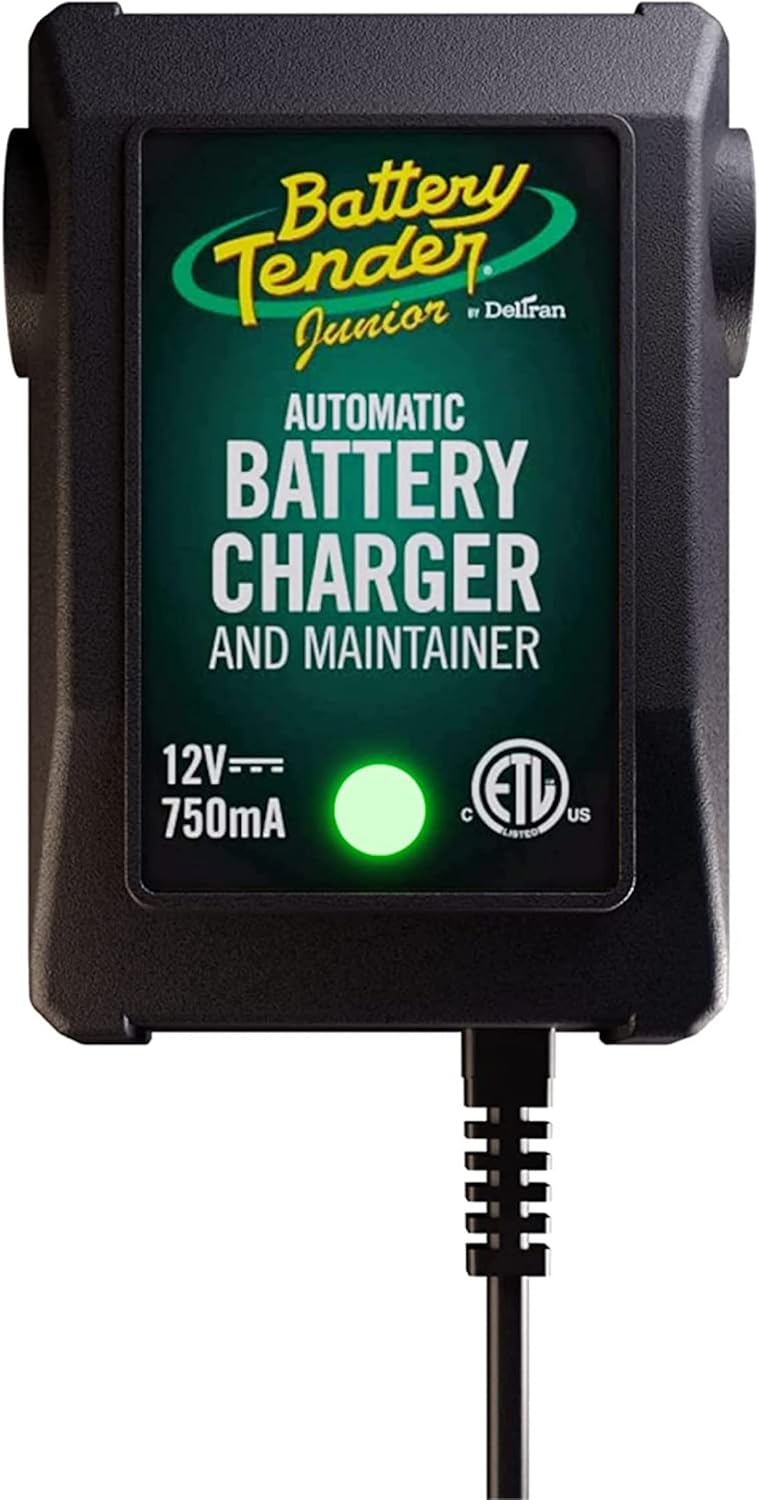
Battery Tender 021-0123 Junior 12V, 0.75A Battery Charger and Maintainer, Black/Green (021-0123)
See current price
Battery Tender
Battery Tender 021-0123 Junior 12V, 0.75A Battery Charger and Maintainer, Black/Green (021-0123)
See current price
Battery Tender
Battery Tender 021-0123 Junior 12V, 0.75A Battery Charger and Maintainer, Black/Green (021-0123)
See current price






Chemical Guys
Chemical Guys MIC499 Big Mofo Chenille Microfiber Premium Scratch-Free Wash Mitt, 1 Pack
See current price
Popular brands in Automotive
Automotive products cover routine maintenance, repairs, upgrades, vehicle organization, travel, and powersports. K-Catalog helps shoppers compare specifications and features across a broad selection, so the important first step is identifying the right product type and confirming compatibility with the vehicle or equipment.
Use the catalog to narrow your search by purpose, then check the listing details for fitment information, dimensions, included components, installation requirements, and care instructions. Product availability and listing details can change, so review the current information before clicking through to Amazon.
Explore automotive product types
The largest areas of the catalog focus on repair parts and the accessories used inside and outside a vehicle. These categories are useful starting points when you know what you need but want to compare different designs, materials, or compatibility details.
- Replacement Parts cover components intended to restore or maintain vehicle function. Match the part to the exact year, make, model, engine, drivetrain, and position where relevant.
- Interior Accessories include products for comfort, storage, protection, organization, and personalization inside the vehicle. Check dimensions and attachment methods carefully.
- Exterior Accessories include additions for protection, utility, appearance, and weather exposure. Confirm body style and mounting points before choosing.
- Motorcycle & Powersports serves motorcycles, ATVs, UTVs, and other recreational vehicles. Vehicle type, clearance, mounting, and riding conditions are especially important.
- Lights & Lighting Accessories includes replacement and auxiliary lighting products. Compare bulb or connector type, voltage requirements, housing design, and installation method.
- Tools & Equipment is suited to maintenance, repair, inspection, lifting, organization, and workshop use. Consider the task, working area, capacity, and storage needs.
- Car Care covers cleaning, detailing, surface care, and protective products. Check the intended surface and application method before use.
- Tires & Wheels requires close attention to size, bolt pattern, offset, load requirements, and vehicle clearance.
- RV Parts & Accessories supports camping vehicles and travel trailers. Confirm RV type, installation location, dimensions, and power or plumbing requirements.
Other areas include Oils & Fluids, Paint & Paint Supplies, Performance Parts & Accessories, and Heavy Duty & Commercial Vehicle Equipment. The catalog also includes Automotive Enthusiast Merchandise and Automotive Original Equipment Manufacturer (OEM) Parts, which suit more specialized searches.
How to choose automotive products
Start with the job rather than the product name. A replacement component, a convenience accessory, and a performance upgrade may all be described with similar terms, but they have different compatibility and installation requirements.
Identify the vehicle or equipment
Record the information needed for fitment before comparing products:
- Year, make, model, and trim
- Engine or drivetrain configuration when relevant
- Vehicle body style or cab configuration
- Part location, side, axle, or position
- Motorcycle, powersports, RV, trailer, or commercial-vehicle type
- Existing connector, mounting point, thread, or attachment style
For universal products, measure the available space and compare those measurements with the listed dimensions. “Universal” does not always mean every vehicle will accommodate the product without modification.
Define the use case
Think about how often the product will be used and what conditions it must handle. A garage tool may prioritize reach, capacity, and storage. An exterior accessory may need weather resistance and secure mounting. A car-care product may be selected based on the surface it is intended to clean, polish, protect, or repair.
For recreational and travel equipment, consider vibration, exposure, storage, and access while the vehicle is in use. For performance-related parts, verify that the product is appropriate for the intended vehicle and that any supporting components or installation work are understood before ordering.
Specifications worth comparing
Product titles can be similar, so specifications often provide the clearest way to separate options. Focus on details that affect fit, function, durability, and installation.
Compatibility and fitment: Look for explicit vehicle fitment lists, part cross-references, position information, and whether the product is designed for a particular configuration. For accessories, compare measurements, attachment points, and clearance.
Materials and construction: Materials can affect weight, corrosion resistance, flexibility, heat tolerance, and appearance. For products exposed to road debris, moisture, chemicals, or sunlight, check the listed construction and any care requirements.
Dimensions and capacity: Compare length, width, height, diameter, thread size, storage volume, working range, or load capacity as appropriate. A product that fits one location may not fit another, even on the same vehicle.
Electrical details: For lighting and powered accessories, verify voltage, wattage, connector style, polarity, wiring, switch configuration, and installation needs. Do not assume that a similar-looking connector or bulb will be compatible.
Included components: Check whether hardware, brackets, seals, adapters, wiring, tools, or instructions are included. If a product requires separate components, identify those before placing an order.
Installation: Compare bolt-on, adhesive, plug-and-play, wired, drilled, or replacement installation methods. Consider whether the work requires specialized tools or access to vehicle systems. A product may be suitable in design but impractical for a particular installation environment.
Brands represented in the catalog
The catalog includes products from brands such as Dorman, ACDelco, CURT, K&N, Camco, Auto Ventshade, NGK, Honda, KeylessOption, Nilight, Chemical Guys, and Detroit Axle. These brands appear across different automotive uses, from replacement components and towing-related equipment to filtration, lighting, RV accessories, ignition parts, detailing products, and vehicle accessories.
Brand name alone should not replace fitment research. Compare the specific product’s compatibility, dimensions, materials, included hardware, and installation instructions. When looking for a replacement, also compare the original part information and any applicable vehicle documentation.
Shopping and installation tips
Save the original part or record its identifying information before searching for a replacement. Photos can help with shape and connector comparison, but written specifications and fitment details are more reliable than appearance alone.
For vehicle accessories, test the key measurements against the installation area. Check whether doors, windows, hatches, seats, mirrors, wheels, or moving components will remain unobstructed. Consider how the product affects visibility, access, controls, and emergency equipment.
For fluids, paints, cleaners, and coatings, read the listed application guidance and compatibility warnings. Different finishes, plastics, metals, glass surfaces, and painted panels may require different products or preparation. Follow the product instructions and use appropriate ventilation and protective equipment when required.
For tools and lifting equipment, compare the task with the tool’s stated capacity and working range. Work on a stable surface, secure the vehicle properly, and follow the manufacturer’s safety directions. Never rely on a tool beyond its intended use or capacity.
For electrical products, disconnect power when appropriate, protect wiring from heat and moving parts, and confirm connections before use. If installation affects safety systems, lighting visibility, braking, steering, or other critical functions, professional installation may be appropriate.
Automotive purchases can also overlap with other shopping needs. Vehicle electronics may relate to Electronics, travel and outdoor equipment may overlap with Sports & Outdoors, and storage or cleaning supplies may connect with Home & Kitchen or Health & Household. Apparel and riding gear may be easier to find through Clothing, Shoes & Jewelry.
Frequently asked questions
How do I find the right replacement part?
Start with the vehicle’s year, make, model, trim, engine, and the part’s location. Compare the listing’s fitment information, dimensions, connector or mounting details, and any available part references before choosing.
Are universal automotive accessories compatible with every vehicle?
No. Universal products are designed for a range of vehicles but may still require specific dimensions, mounting space, connectors, or installation conditions. Measure the vehicle and compare the listed requirements.
What should I compare when choosing automotive lights?
Check the bulb or light type, voltage, wattage, connector, housing dimensions, mounting method, beam or visibility requirements, and whether additional wiring or switches are needed.
How do I choose between interior and exterior accessories?
Choose based on where the product will be installed and its intended purpose. Interior products often focus on organization, comfort, and protection, while exterior products must also account for weather, road exposure, clearance, and secure mounting.
What should I verify before buying tires or wheels?
Confirm size, wheel diameter and width, bolt pattern, offset, center bore, load requirements, tire clearance, and compatibility with the vehicle. The vehicle documentation and listing specifications should agree.
When should an automotive product be professionally installed?
Professional installation is worth considering when the product affects braking, steering, suspension, airbags, vehicle wiring, fuel systems, lifting, or other safety-critical functions, or when the required tools and procedures are unfamiliar.