

Pet Supplies for Every Kind of Pet
Compare pet supplies by your animal’s species, routine, size, and environment. Browse products by category, then check specifications and features before visiting Amazon.
67,374 products in catalog
67,374 results
Filters


Doskocil
Chuckit Ultra Ball Dog Toy, Medium (2.5 Inch Diameter) Pack of 2, for breeds 20-60 lbs
See current price

Doskocil
Chuckit Ultra Ball Dog Toy, XXL (4 Inch Diameter), Pack of 1, for breeds 100+ lbs
See current price


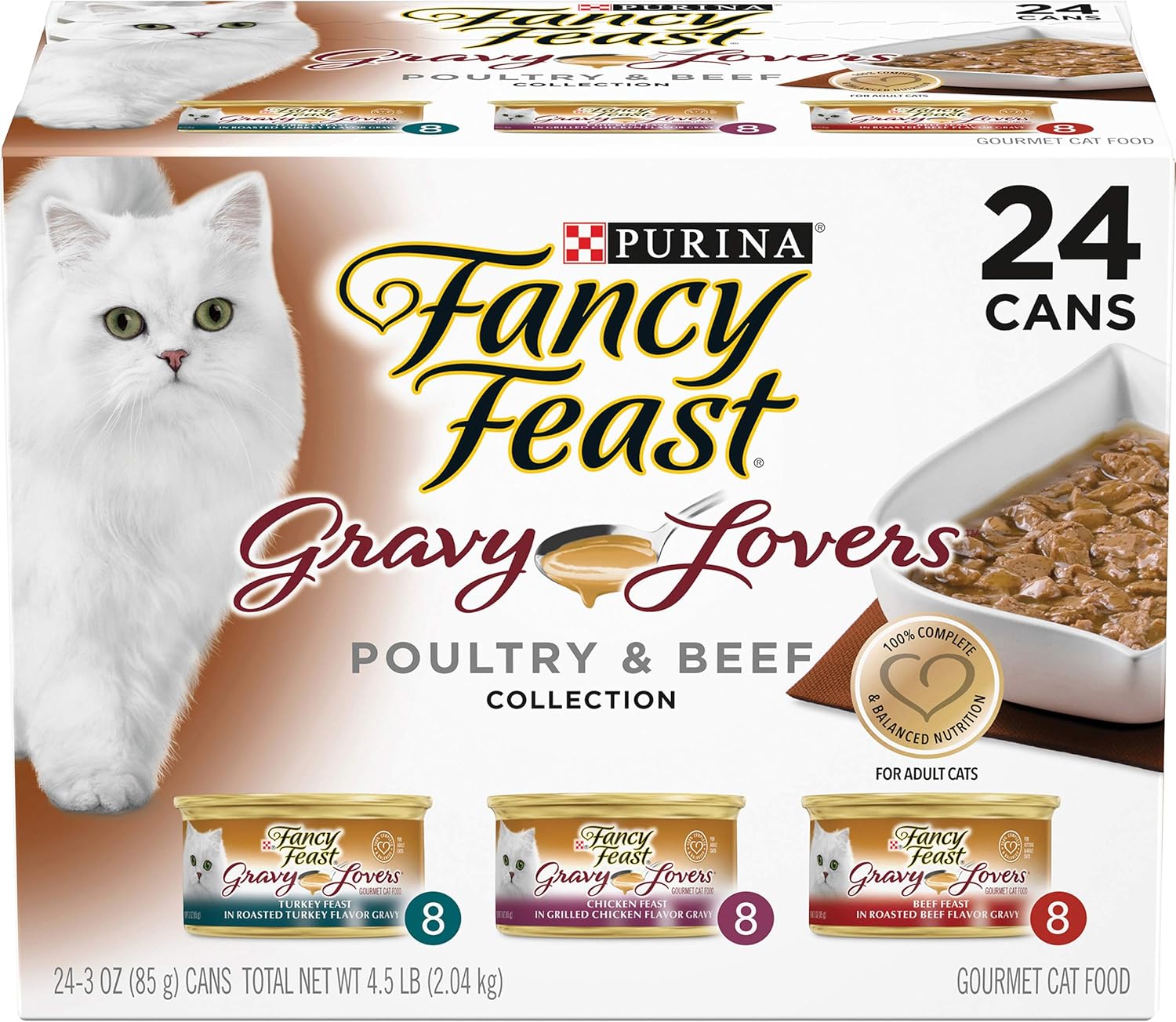
PURINA Fancy Feast
Purina Fancy Feast Gravy Lovers Poultry and Beef Gourmet Wet Cat Food Variety Pack - (24) 3 oz. Cans
See current price

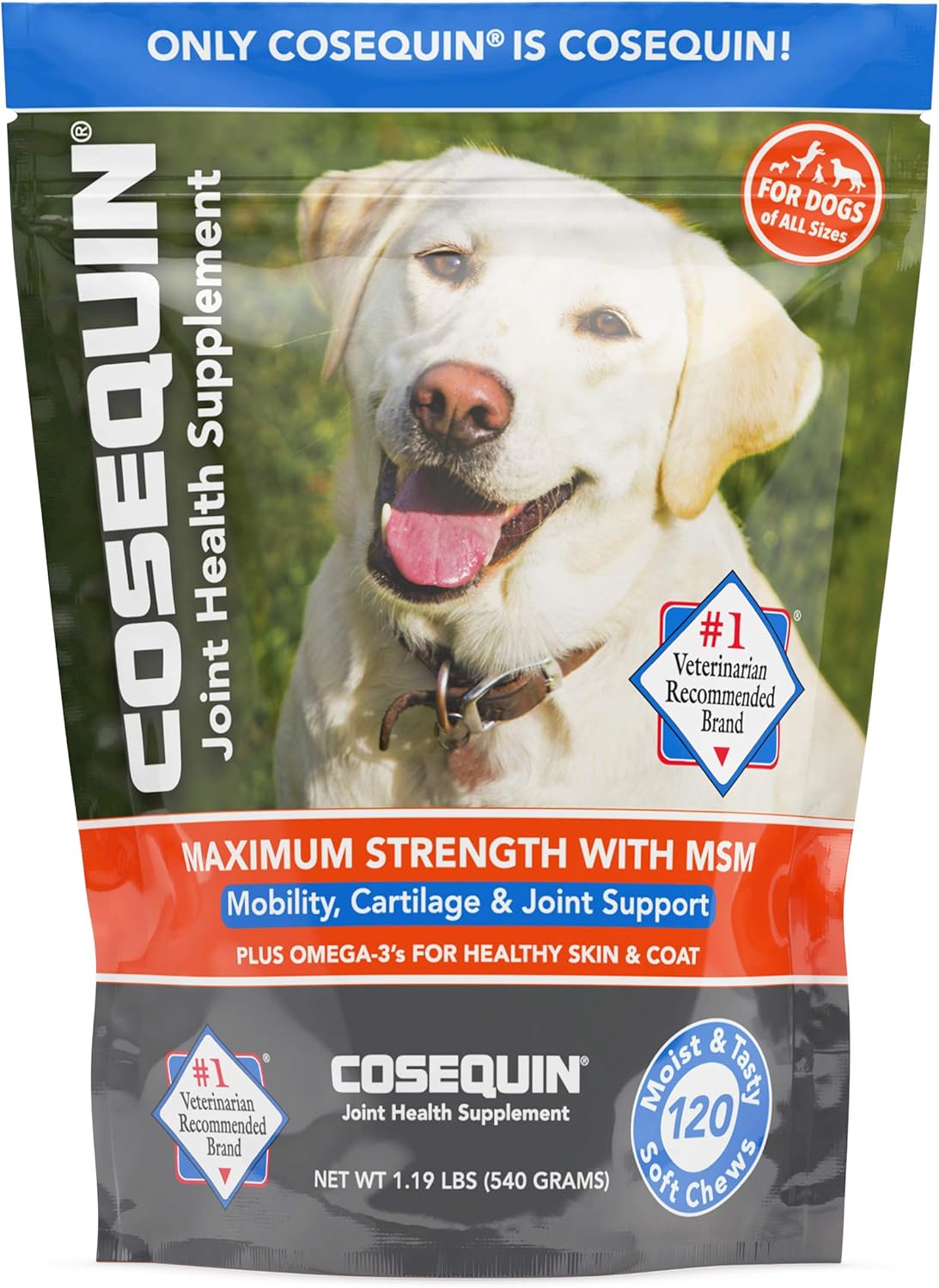
Nutramax Laboratories
Nutramax Cosequin Joint Health Supplement for Dogs - With Glucosamine, Chondroitin, MSM, and Omega-3's, 120 Soft Chews
See current price

Amazon Basics
Amazon Basics Dog Poop Bags with Dispenser and Leash Clip, 13 x 9 Inches, Talcum Powder Scented - 270 Bags (18 Rolls)
See current price
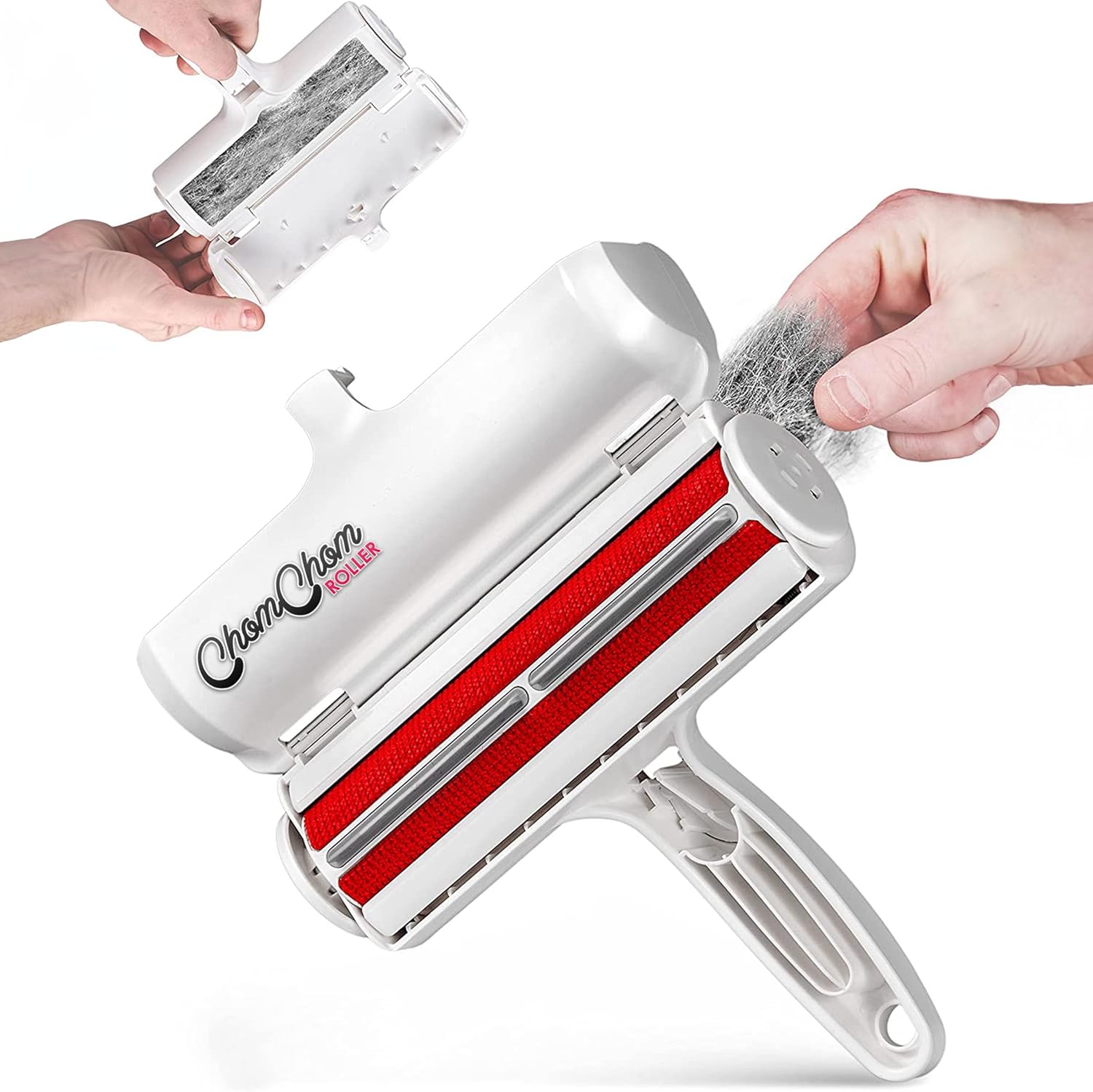
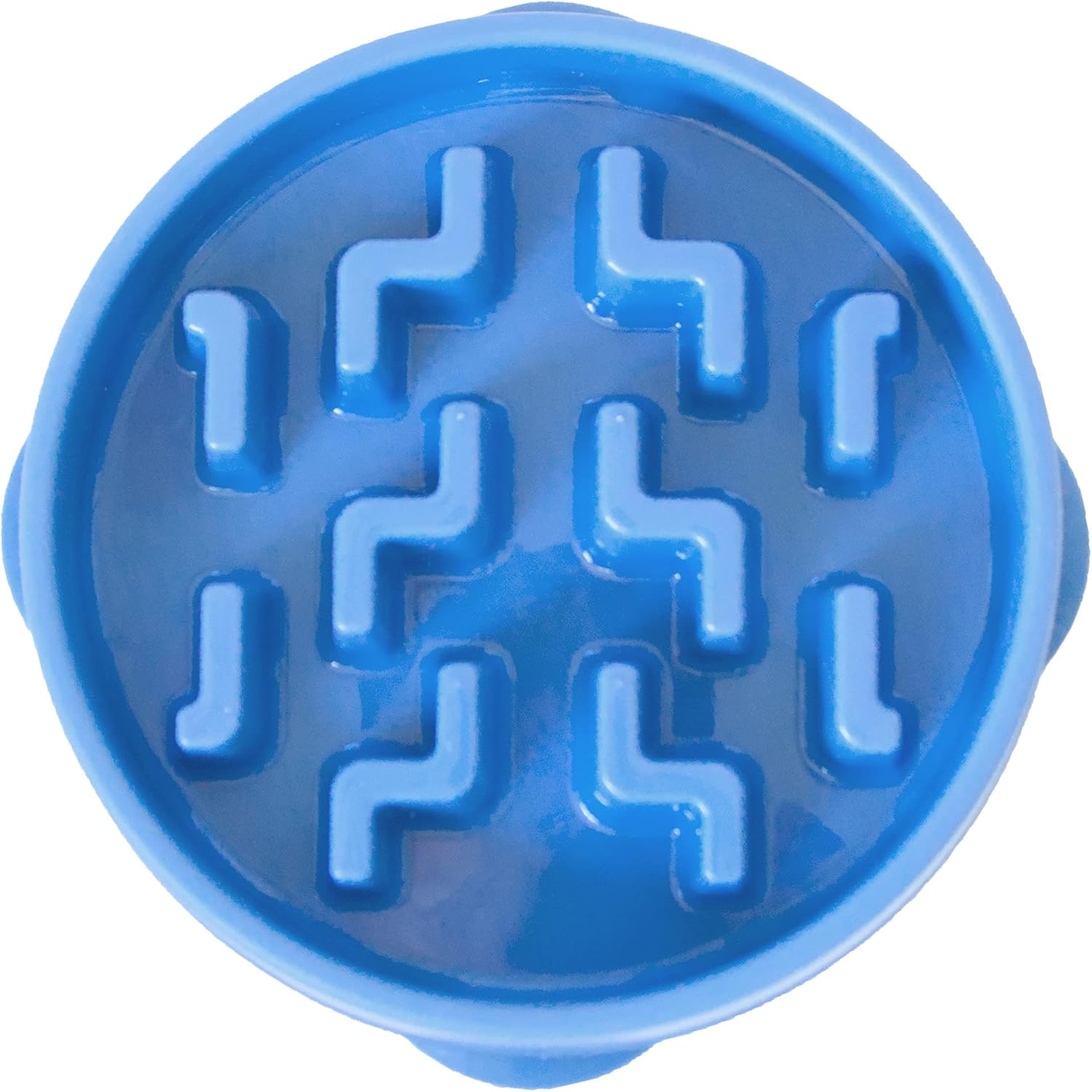
Outward Hound
Outward Hound Fun Feeder Slo Bowl, Slow Feeder Dog Bowl, Large/Regular, Blue
See current price

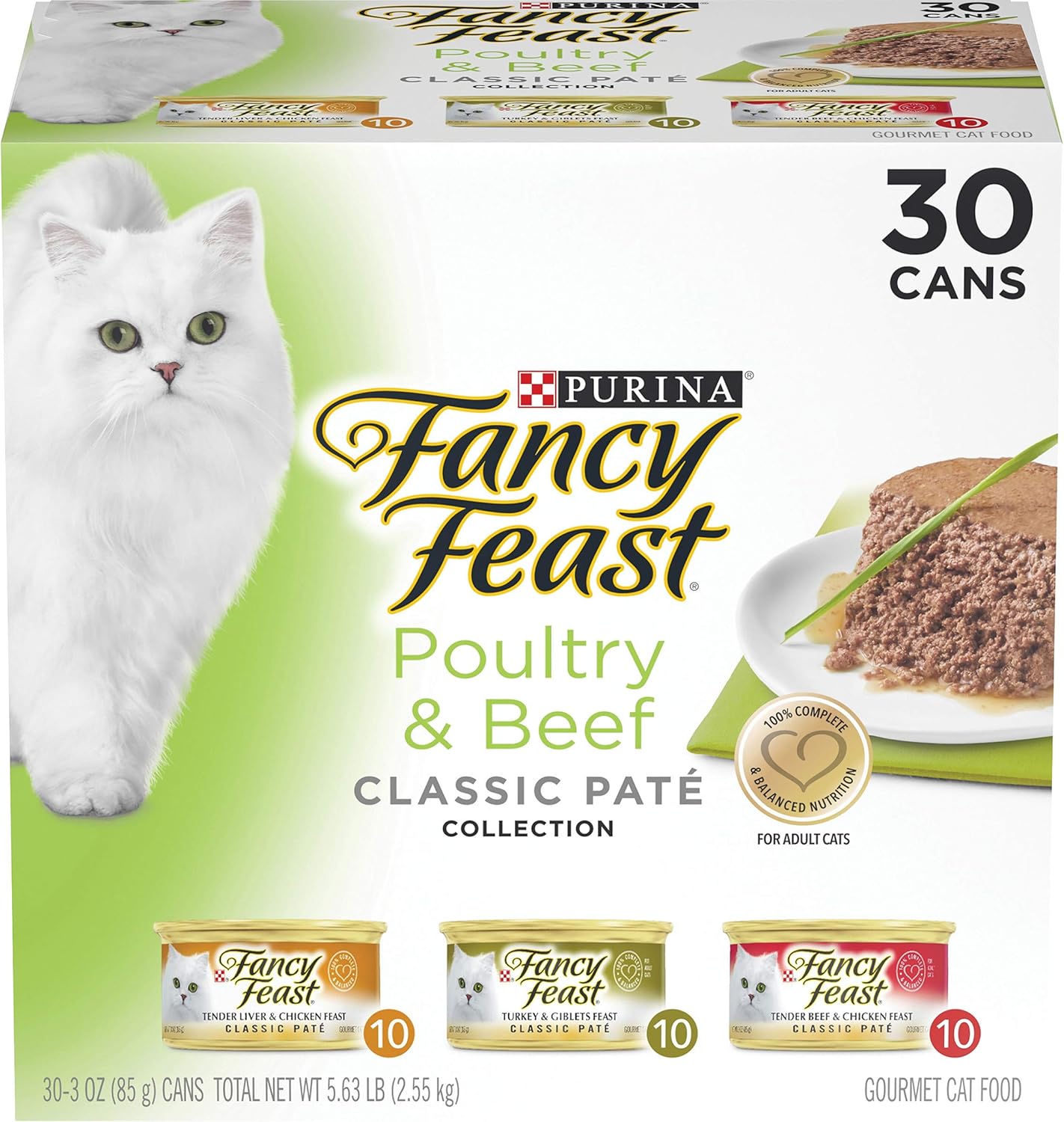
PURINA Fancy Feast
Purina Fancy Feast Grain Free Pate Wet Cat Food Variety Pack, Poultry & Beef Collection - (30) 3 oz. Cans
See current price

Pet King Brands
Pet King Brands Zymox Otic Enzymatic Solution for Pet Ears, 1.25 Ounce
See current price

Milk-Bone
Milk-Bone Original Dog Treats Biscuits for Large Dogs, 4 Pounds (Pack of 2) (Packaging May Vary)
See current price

The J.M. Smucker Co.
Milk-Bone Flavor Snacks Dog Treats, Small Biscuits, 60 Ounce (Pack of 3)
See current price



Popular brands in Pet Supplies
Pet supplies cover everyday essentials, enrichment, grooming, housing, feeding, travel, and care for animals of many sizes and species. The right choice depends less on a product’s appearance than on whether its materials, dimensions, design, and maintenance requirements fit your pet and your routine.
K-Catalog helps shoppers compare the available specifications and features across a broad selection of pet products. Start with the animal you care for, then narrow your search by the job the product needs to perform.
How to choose pet supplies
Begin with your pet’s species, age, size, activity level, and living environment. A product designed for a dog may not be appropriate for a cat, bird, reptile, fish, or small animal, even when the general purpose appears similar. Feeding equipment, bedding, toys, habitats, and accessories often have species-specific design details.
Consider the following before comparing individual products:
- Purpose: Decide whether you need an everyday essential, an enrichment item, a travel accessory, a grooming tool, or a habitat component.
- Fit and dimensions: Check measurements carefully, especially for collars, harnesses, beds, carriers, cages, tanks, and habitat accessories.
- Materials: Look for materials suited to your pet’s chewing, scratching, climbing, nesting, or digging habits.
- Cleaning: Removable, washable, smooth, or dishwasher-compatible components can make routine care easier when the product’s specifications confirm those features.
- Safety: Check for secure closures, appropriate construction, ventilation, stable bases, and the absence of small parts that could create a hazard for your pet.
- Your routine: A product that is easy to store, refill, transport, or clean may be more useful than one with extra features you will rarely use.
For food, supplements, medications, or products intended to address a health concern, follow guidance from a veterinarian or another qualified animal-care professional. Product information can help with comparison, but it does not replace professional advice.
Browse pet supplies by animal
The largest parts of this catalog are organized around dogs and cats, with substantial selections for aquatic pets and other companion animals. Choosing the most specific section can make it easier to compare products intended for the right species and use case.
- Dogs: Explore everyday dog supplies such as toys, feeding products, beds, grooming accessories, travel items, and walking equipment.
- Cats: Compare cat-focused products for play, scratching, feeding, resting, grooming, and indoor enrichment.
- Fish & Aquatic Pets: Browse equipment and accessories for aquariums, aquatic environments, feeding, water care, and habitat maintenance.
- Small Animals: Find supplies for animals such as hamsters, guinea pigs, rabbits, and other small companions, including habitat, bedding, feeding, and enrichment items.
- Birds: Compare bird cages, perches, toys, feeding accessories, and other products suited to avian care.
- Reptiles & Amphibians: Look for habitat accessories, heating and lighting equipment, hides, feeding supplies, and environment-specific products.
- Horses: Browse horse-related care, grooming, riding, stable, and handling supplies.
There are also focused sections for special occasions and narrower shopping tasks. Pet Birthday can help with celebration-themed products, while Dog Harnesses provides a more targeted place to compare harness designs. For small gifts and seasonal ideas, see Dog Stocking Stuffers: Toys & Treats. The Pet Behavior Center is another focused section for products and resources related to behavior and training.
Features and specifications to compare
The most important specifications vary by product type, but several comparison points apply across the category.
Size, fit, and capacity
For wearable products, compare the manufacturer’s measurement guidance with your pet’s actual neck, chest, body, or paw dimensions. Do not rely on breed or general size labels alone. A properly fitted product should suit the animal’s shape and allow normal movement without being loose enough to slip off.
For beds, carriers, crates, tanks, cages, and habitats, compare interior dimensions rather than only the outside measurements. Consider how much usable space remains after adding bedding, dishes, hides, toys, filters, or other accessories. Capacity also matters for feeders, water containers, storage products, and aquariums.
Materials and construction
Material information can indicate how a product may perform in daily use. Soft fabrics may be useful for comfort, while rubber, plastic, metal, wood, glass, or ceramic may suit different feeding, habitat, or enrichment needs. Look for construction details such as reinforced seams, chew-resistant components, rust-resistant finishes, non-slip bases, secure fasteners, and smooth edges when those features are relevant.
A durable material is not automatically suitable for every animal. A strong toy may still be inappropriate for a pet that can break off small pieces, and a habitat material may require different cleaning or humidity care than another option. Match construction to supervised use and the animal’s behavior.
Cleaning and maintenance
Pet products often need frequent cleaning. Compare whether parts can be removed, rinsed, wiped, laundered, or replaced. For aquarium and habitat equipment, check compatibility with the intended environment and follow the manufacturer’s care instructions. Avoid assuming that a product is safe for every cleaning solution or temperature unless the specifications say so.
Replacement parts and consumables can also affect long-term convenience. Check whether filters, liners, bulbs, pads, attachments, or other components are specific to a product design. Keeping the care routine realistic helps prevent products from becoming difficult to use consistently.
Comfort, enrichment, and engagement
A useful toy, perch, scratcher, hide, puzzle, or climbing accessory should match your pet’s natural behavior and activity level. Compare the intended play style, texture, movement, sound, and difficulty. Rotate enrichment items when appropriate rather than presenting every option at once, and inspect products regularly for wear.
For resting products, compare padding, support, shape, ventilation, and the available sleeping area. For travel products, consider carrying comfort, airflow, entry points, closures, and how easy the product is to secure and clean.
Brands represented in the catalog
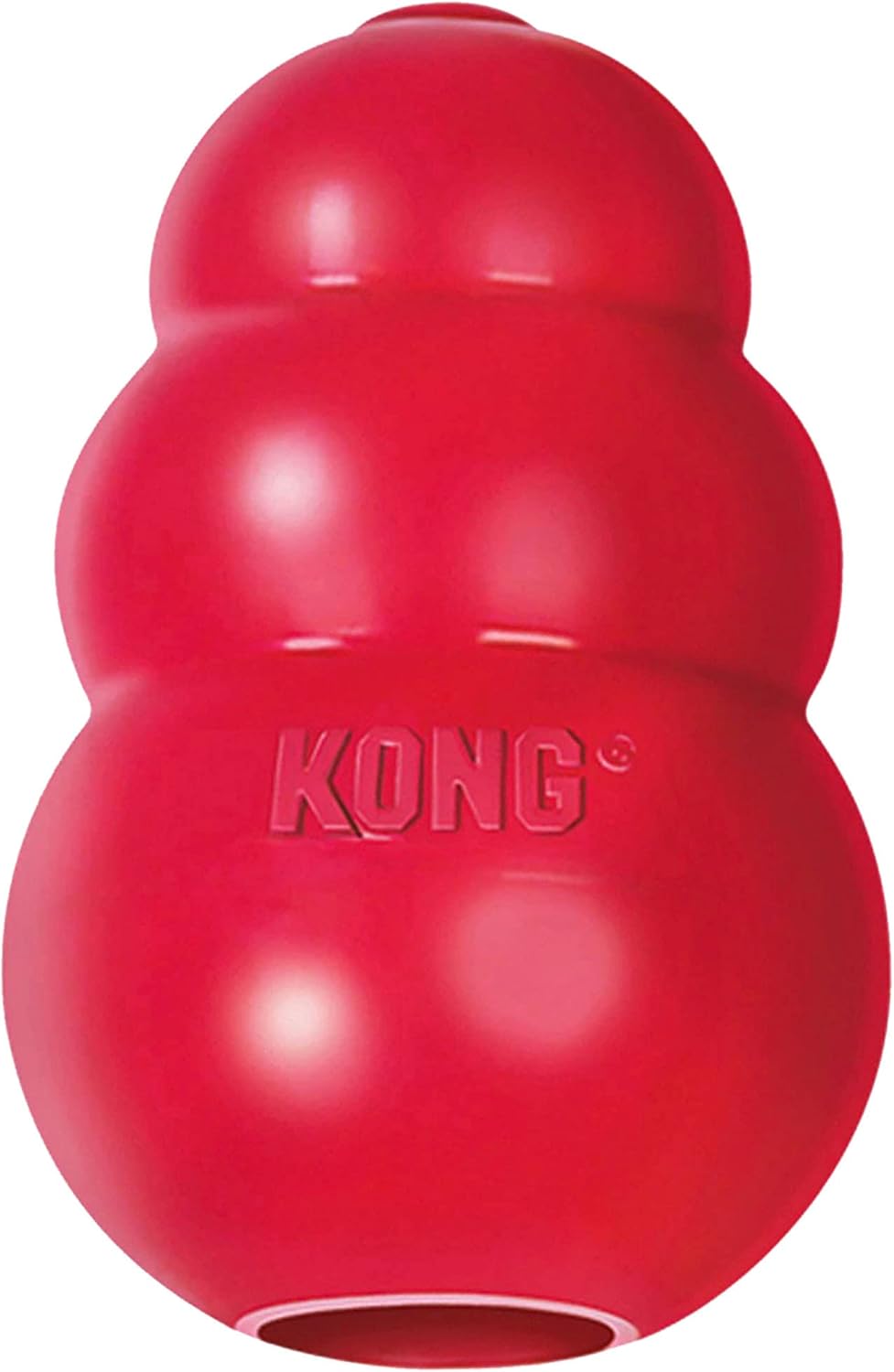
K-Catalog includes products from a range of brands, allowing shoppers to compare specifications across different manufacturers rather than treating one brand as the only option. Brands represented in the catalog include KONG, Central Garden & Pet, PetSafe, Zoo Med, TRIXIE, Fitwarm, Kaytee, Rolf C. Hagen (USA) Corp., Tetra, Ruffwear, and Amazon Basics.
These brands appear across different parts of the pet-supplies category. For example, some are associated with dog or cat accessories, while others are represented in aquarium, habitat, small-animal, bird, or reptile-related shopping. Brand familiarity can help narrow a search, but the product’s specific dimensions, materials, compatibility, and care requirements should remain the deciding factors.
Practical shopping and safety tips
Read the complete specification information before choosing a product. Confirm what is included, whether batteries or other accessories are required, and whether the product is intended for indoor, outdoor, aquarium, cage, stable, or supervised use. Product photos can show general design, but measurements and written specifications are more reliable for fit and compatibility.
Inspect toys, chews, ropes, bedding, perches, habitat décor, and feeding accessories regularly. Replace items that become cracked, frayed, splintered, sharp, or otherwise damaged. Supervise initial use of unfamiliar toys and accessories, particularly when your pet is a strong chewer or tends to swallow pieces.
For walking and travel equipment, check buckles, clips, stitching, adjustment points, and attachment areas before each use. For aquariums and habitats, verify that equipment is appropriate for the enclosure and animal rather than selecting by appearance alone. Keep electrical equipment, cords, heat sources, and small detachable parts away from situations where they could cause injury.
When comparing products on K-Catalog, use the available specifications and features to build a shortlist. Then shoppers can visit Amazon to check the current price, availability, and seller-provided product details before buying.
Frequently asked questions
How do I choose the right pet supplies?
Start with your pet’s species, size, behavior, and environment. Then compare the product’s purpose, dimensions, materials, safety features, cleaning needs, and compatibility with other equipment.
What should I compare for a pet harness or wearable accessory?
Compare measurement guidance, adjustment points, closure style, attachment locations, materials, visibility, and the level of control or support the design is intended to provide. Always check the fit before regular use.
How can I choose safe pet toys?
Select toys made for your pet’s species and size, and consider chewing strength and play style. Inspect toys often and remove any product that develops loose threads, broken parts, sharp edges, or pieces small enough to swallow.
What matters when choosing aquarium or habitat supplies?
Check dimensions, environmental compatibility, power or lighting requirements, ventilation, temperature or humidity needs, cleaning instructions, and whether the item works with the animals and equipment already in the enclosure.
Are pet supplies from different brands interchangeable?
Some accessories may be broadly compatible, but others depend on specific dimensions, connectors, replacement parts, or equipment systems. Compare the manufacturer’s compatibility information instead of assuming that similar-looking products will fit.
When should I ask a veterinarian for advice?
Ask a veterinarian about products connected to illness, injury, nutrition, medication, mobility, allergies, or major behavior changes. Professional guidance is especially important when a product could affect your pet’s health or safety.