
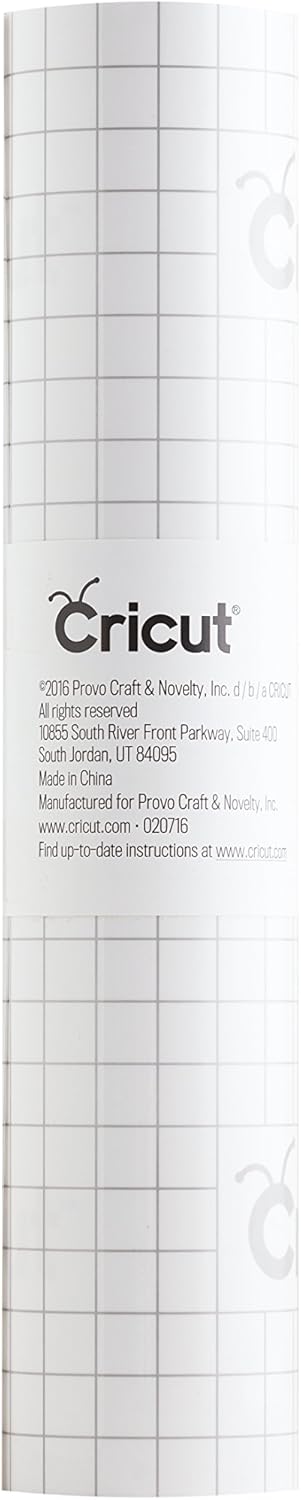
Adhesive Vinyl for Crafts, Signs & Décor
Compare adhesive vinyl for signs, labels, wall décor, cards, and other craft projects. Review finish, adhesive type, sheet size, and cutting compatibility before choosing.
934 products in catalog
934 results
Filters


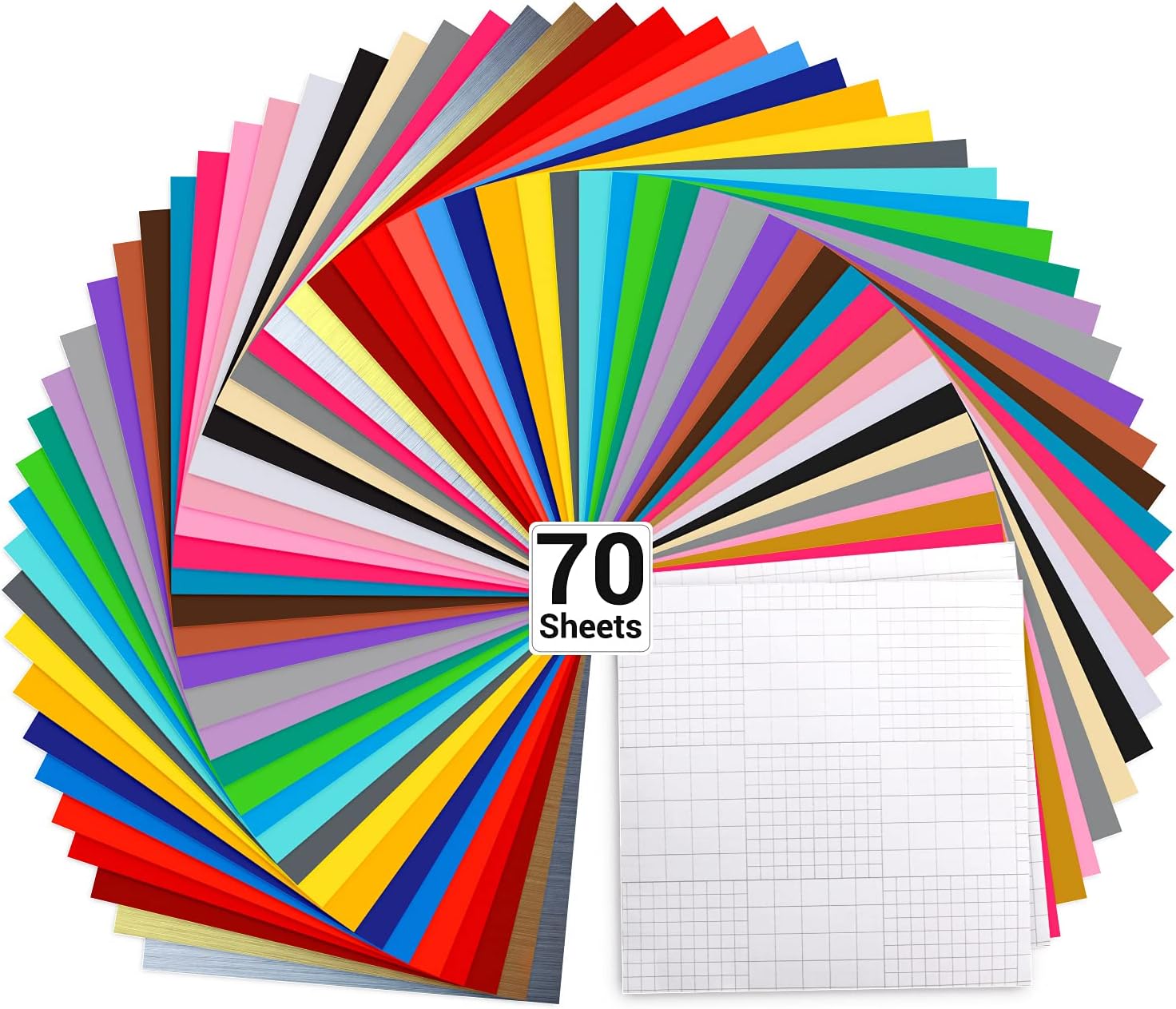


Popular brands in Adhesive Vinyl
Adhesive vinyl is a versatile material for adding lettering, shapes, patterns, and decorative details to smooth surfaces. It typically includes a colored or patterned face with a pressure-sensitive adhesive backing, making it different from heat-transfer vinyl, which is applied with heat.
K-Catalog helps you compare adhesive vinyl products by their listed specifications and features. The right option depends on your project surface, cutting method, desired finish, and whether the design needs to be removed later.
How to choose adhesive vinyl
Start by considering the surface and the expected use of the finished design. Smooth, clean surfaces are generally easier to work with than textured, dusty, or oily ones. Glass, acrylic, metal, plastic, paper, and sealed wood may each require a different level of adhesion or application approach.
Think about how long the design should remain in place. Removable adhesive vinyl can suit temporary décor, seasonal projects, stencils, and repositionable applications. Permanent or stronger-adhesion options may be more appropriate for long-term labels, signs, and frequently handled items. Always check the product description for the intended surface and removal guidance.
The design itself also matters. Simple lettering may work well with standard craft vinyl, while intricate patterns can benefit from material that cuts and weeds cleanly with the tools you use.
Types and finishes to compare
Adhesive vinyl is available in a range of appearances and formats. Common options include:
- Solid colors: Useful for lettering, logos, labels, silhouettes, and layered designs.
- Patterns and printed designs: Suitable for decorative accents, cards, organizers, and themed projects.
- Glossy or matte finishes: Compare the amount of shine and the look you want under different lighting.
- Metallic, glitter, holographic, or specialty finishes: These can add visual texture, but may require closer attention to cutting, weeding, and application instructions.
- Clear vinyl: A practical choice when the background surface should remain visible around the design.
Some products are sold as individual sheets, while others come in rolls, assortments, or coordinated color collections. Compare the listed dimensions and included materials rather than assuming that similarly named packs contain the same amount or format.
Key specifications and features
When comparing products, pay attention to these details:
- Adhesive type: Check whether the vinyl is described as removable, permanent, repositionable, or intended for a particular surface.
- Dimensions: Confirm sheet or roll width and length, especially when creating larger signs or working with a cutting machine’s material limits.
- Machine compatibility: Look for information about compatibility with your die-cutting machine, cutting mat, blade, and recommended settings.
- Cutting and weeding needs: Specialty finishes and intricate designs may call for careful test cuts and a suitable weeding tool.
- Application method: Determine whether transfer tape is recommended or included, and whether the product has specific burnishing or alignment instructions.
- Surface suitability: Review the manufacturer’s guidance for walls, glass, fabric-free hard surfaces, paper, wood, plastic, or other materials.
- Color and finish accuracy: Product photos can vary by screen, so use the written color name and finish description when coordinating multiple materials.
Adhesive vinyl is generally intended for hard surfaces. For designs that need to be pressed onto shirts, bags, or other textiles, compare heat-transfer vinyl instead of assuming standard adhesive vinyl is suitable.
Brands represented in the catalog
The Adhesive Vinyl catalog includes products from ORACAL, VViViD, Cricut, HTVRONT, Siser, Craftables, TECKWRAP, Rozzy Crafts, VINYL FROG, GIRAFVINYL, Lya Vinyl, and IModeur. These brands may offer different combinations of colors, finishes, dimensions, adhesive strengths, and craft-machine guidance. Compare the specifications on each product page rather than choosing by brand name alone.
Application and project tips
Before cutting, clean and dry the project surface and remove dust or residue. A small test cut can help determine whether the selected blade and settings are appropriate for the material. For detailed designs, weed slowly and use transfer tape to keep the pieces aligned during application.
Apply the vinyl gradually, smoothing from one side to the other to reduce bubbles and wrinkles. A scraper or burnishing tool can help press the design onto the surface. For layered designs, plan the order of colors and check alignment before applying each layer.
For walls, painted surfaces, or finished furniture, test an inconspicuous area first. Removal can vary with the adhesive, surface finish, exposure time, and environmental conditions. Follow the product instructions for cleaning, application, and removal.
For tools and accessories that support cutting and crafting, browse Scrapbooking Tools. Projects that use cut vinyl may also pair well with Die-Cutting & Embossing supplies or Stickers & Sticker Machines.
Frequently asked questions
Is adhesive vinyl the same as heat-transfer vinyl?
No. Adhesive vinyl uses a pressure-sensitive backing and is typically applied to hard surfaces. Heat-transfer vinyl is designed for application with heat, commonly on compatible fabric items.
Can adhesive vinyl be used on walls?
Some products are intended for walls, but suitability depends on the adhesive, paint, texture, and desired removal time. Check the product specifications and test a small area first.
Do I need transfer tape?
Transfer tape can help move lettering and detailed designs while preserving spacing and alignment. Whether it is needed depends on the design and the product instructions.
What should beginners compare first?
Start with the intended surface, removable or permanent adhesion, finish, dimensions, and compatibility with your cutting machine. A solid-color, standard-finish option may be simpler for learning basic cutting and weeding.
How should adhesive vinyl be stored?
Keep it flat or loosely rolled according to the manufacturer’s guidance, protected from dust, heat, moisture, and direct sunlight. Store sheets with their liners intact to help prevent contamination or curling.