

Toys & Games for Every Kind of Play
Explore Toys & Games by play style, age range, and features. Compare specifications across categories such as preschool toys, puzzles, building sets, games, crafts, and outdoor play.
119,272 products in catalog
119,272 results
Filters


Mattel
Hot Wheels Set of 20 Toy Cars & Trucks in 1:64 Scale, Collectible Vehicles (Styles May Vary)
See current price


Hasbro Gaming
Jenga Classic Game with Genuine Hardwood Blocks, Stacking Tower Game for 1 or More Players, Kids Ages 6 and Up
See current price


Sassy Baby, Inc
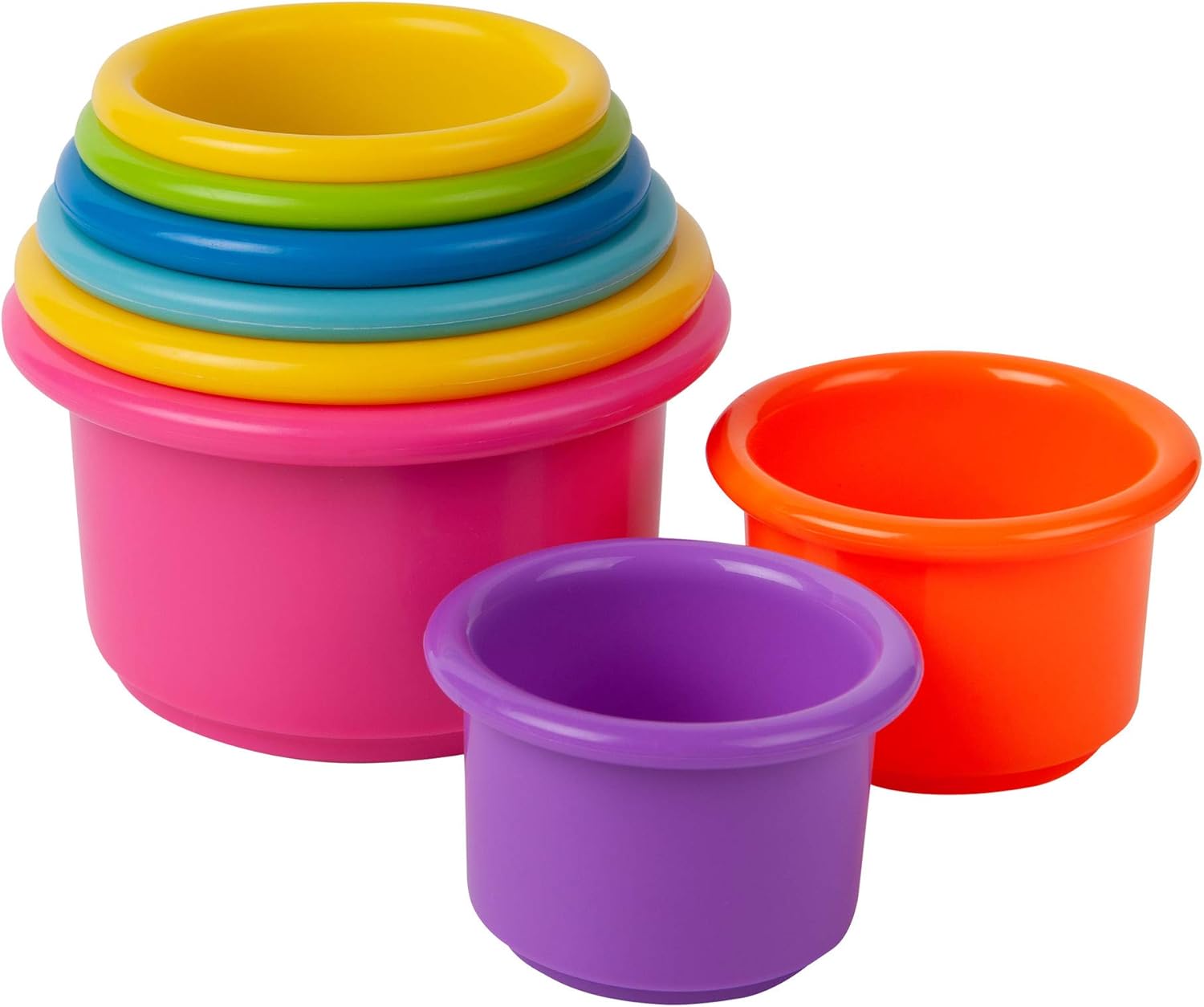
Sassy Stacks of Circles Stacking Ring STEM Learning Toy, Age 6+ Months, Multi, 9 Piece Set
See current price



Baby Einstein
Baby Einstein Baby's First Music Teacher Developmental Toys Kit and Gift Set, Newborn and up
See current price


Little Tikes
Little Tikes Easy Score Basketball Set, Blue, 3 Balls - Amazon Exclusive
See current price


Popular brands in Toys & Games
Toys and games can support imaginative play, creativity, movement, problem-solving, collecting, and social interaction. The right choice depends on who will use it, where it will be played, and whether the goal is open-ended fun, a structured activity, or a gift for a specific interest.
K-Catalog helps you compare products by category, specifications, and features before visiting Amazon to check the current price and purchase options. Use the category links below to narrow a broad selection into a more manageable starting point.
How to choose toys and games
Start with the recipient and the setting. A toy for independent play may need a different design from a game intended for family or group use. Consider these questions before comparing individual products:
- Age and developmental fit: Check the manufacturer’s recommended age range and consider whether the activity matches the child’s abilities and interests.
- Type of play: Decide whether you are looking for pretend play, physical activity, construction, art, puzzles, collecting, or a game with rules.
- Number of players: For games, confirm whether the product is designed for solo play, two players, or a larger group.
- Available space: Large playsets, ride-on products, sports equipment, and remote-controlled vehicles may need room for setup and use.
- Storage: Look for included containers, compact designs, or pieces that can be organized easily if the toy will be used in a shared space.
- Supervision: Some products require closer adult supervision because of small parts, batteries, water, movement, or tools used for crafting.
For gifts, interests are often as important as the product type. A child who enjoys characters may prefer figures, dolls, or collectibles, while a hands-on learner may respond better to building, puzzles, science-oriented activities, or art supplies.
Explore popular toy and game categories
The catalog covers both focused activities and broad play formats. These are useful starting points when you know the general type of product you want.
- Preschool includes toys designed around early play, simple interaction, sensory exploration, and developing motor or matching skills. Check age guidance, ease of handling, and whether parts are large enough for the intended user.
- Toy Figures & Playsets are suited to storytelling, character play, and recreating scenes. Compare the number and type of included figures, accessories, movable features, and compatibility with other sets.
- Games & Accessories covers structured play for individuals, families, and groups. Compare player range, playing time, setup requirements, skill level, and whether the game depends on reading or strategy.
- Party Supplies can help organize themed celebrations and group activities. Consider the occasion, theme, quantity needed, materials, and whether any items are intended for decoration, serving, or play.
- Sports & Outdoor Play is a good place to compare active toys and equipment for yards, parks, and other open areas. Look at dimensions, construction, portability, and the space needed for safe use.
- Novelty & Gag Toys focuses on humorous, surprising, or conversation-starting items. Check the intended age, materials, operating requirements, and whether the product is mainly for display, a joke, or repeat play.
- Arts & Crafts supports drawing, painting, decorating, making, and other creative projects. Compare included materials, refill requirements, cleanup needs, and whether adult assistance is recommended.
- Puzzles offers activities based on matching, assembly, logic, and visual problem-solving. Consider piece size, image complexity, difficulty, finished dimensions, and how the puzzle will be stored between sessions.
- Remote & App Controlled Vehicles & Parts includes vehicles, controls, replacement components, and related accessories. Check the control method, power source, operating environment, compatibility, and whether batteries or a compatible app are required.
- Dolls & Accessories supports role-play, dressing, collecting, and storytelling. Compare doll size, included clothing or accessories, articulation, hair or fabric care, and compatibility with additional items.
- Building Toys are useful for construction, design, and open-ended experimentation. Compare piece count without relying on it as the only measure of value; also check connection style, project guidance, storage, and compatibility within a product line.
- Stuffed Animals & Plush Toys can serve as comfort objects, room décor, imaginative-play companions, or gifts. Look at size, fabric, filling, cleaning instructions, and whether the product has decorative parts that need special attention.
- Dress Up & Pretend Play encourages role-play through costumes, accessories, and themed props. Compare sizing, closures, included pieces, fabric, ease of cleaning, and whether the outfit is intended for play or an event.
- Collectible Toys may appeal to hobbyists and character-focused shoppers. Check whether the item is a single piece or a set, how it is packaged, its display requirements, and whether accessories or storage are included.
- Learning & Education includes products built around skills, subjects, practice, and discovery. Compare the learning objective, difficulty, instructions, level of adult involvement, and whether the activity can grow with the user.
Key features and specifications to compare
Product names can make similar toys sound different, so specifications are especially useful when narrowing options. Focus on the details that affect actual use rather than choosing from appearance alone.
Materials and construction
Check whether the product is made from plastic, fabric, wood, paper, metal, or a combination of materials. Construction details can affect durability, weight, cleaning, and suitability for travel. For plush toys and dress-up products, review fabric and care information. For building sets and playsets, inspect how pieces connect and whether small components are involved.
Size and dimensions
Dimensions matter for both play and storage. A compact puzzle may be convenient for travel, while a large playset may provide a more immersive activity but require a dedicated surface. For outdoor toys and vehicles, compare the product’s size with the available play area. Also check package dimensions when storage space or gift wrapping matters.
Power and connectivity
Electronic toys, remote-controlled products, and interactive games may use batteries, charging cables, remotes, wireless connections, or mobile applications. Confirm what is included and what must be purchased separately. For app-connected products, check device compatibility, operating system requirements, connection method, and whether the core activity can be used without the app.
Included components
Compare what comes in the package, especially for playsets, crafts, games, and vehicles. A product may include figures, cards, tools, accessories, controls, or starter materials. Check whether consumable supplies can be replaced and whether extra components are needed for the advertised activity.
Rules, instructions, and difficulty
Games and educational products vary in how much setup, reading, counting, strategy, or adult explanation they require. Review the instructions and recommended skill level where available. For puzzles and building toys, consider whether the user prefers guided projects or open-ended play.
Brands represented in the catalog
The catalog includes products from a range of familiar brands, including Funko, Hasbro, Mattel, Lego, Fisher-Price, Melissa & Doug, Spin Master, Just Play, Crayola, Ravensburger, MGA Entertainment, and Pokemon. Brand familiarity can help when looking for a particular character, product family, or replacement accessory, but specifications still deserve close comparison.
When comparing products from the same brand, check the individual listing for dimensions, included pieces, age guidance, power requirements, and compatibility. Product lines can contain options for different play styles, skill levels, and settings, so the brand name alone does not identify the best fit.
Related shopping categories
Some toy purchases overlap with other areas of the home and family shopping. Costumes and themed outfits may also lead you to Clothing, Shoes & Jewelry, while storage, tables, serving items, and room organization may be found in Home & Kitchen. App-connected products and electronic accessories can relate to Electronics, and equipment for active play may also fit within Sports & Outdoors.
Consider these adjacent categories when a toy or game is part of a larger activity. For example, a party may require both games and decorations, while outdoor play may involve equipment, storage, and protective accessories.
Safety, care, and compatibility tips
Read the product’s safety information and age guidance before buying. Small parts can be unsuitable for younger children, and toys involving movement, water, magnets, batteries, cords, or projectiles may need additional supervision. Keep packaging and instructions available until the product has been checked and assembled.
For items with multiple components, plan how pieces will be stored. Separate small parts from products used by younger children, and inspect toys periodically for loose, damaged, or worn components. Follow the manufacturer’s cleaning instructions rather than assuming a plush, electronic, or painted item is machine washable.
Compatibility is important for building systems, doll accessories, remote vehicles, replacement parts, and electronic products. Match the exact size, connection type, control system, battery format, or app requirement before adding an accessory. If a product is intended for outdoor use, also consider weather exposure and the surface where it will be operated.
Frequently asked questions
How do I choose a toy for a specific age?
Start with the manufacturer’s recommended age range, then consider the child’s abilities, interests, and need for supervision. Check for small parts, reading requirements, complexity, and physical demands.
What should I compare when buying a board or tabletop game?
Compare the recommended age, player range, playing time, difficulty, setup, language requirements, and storage. Confirm that the format suits the group that will actually play it.
Are batteries or accessories usually included?
It depends on the product. Check the listing for included batteries, charging equipment, controllers, craft materials, replacement parts, and other required components before purchasing.
How can I compare toys for small spaces?
Review product and package dimensions, setup requirements, and storage features. Foldable, stackable, compact, or self-contained products may be easier to manage, but always verify the specifications.
What matters most for outdoor toys?
Consider the available space, product dimensions, materials, portability, weather exposure, and supervision requirements. Make sure the activity is appropriate for the surface and environment where it will be used.
Where can I check the current price and purchase options?
K-Catalog is an independent product catalog for comparing specifications and features. Visit the relevant Amazon listing to check the current price, availability, and purchase options.