

STEM Toys for Curious, Hands-On Learning
Explore STEM toys for experiments, building, problem-solving, and discovery. Compare specifications and features across science, technology, and engineering categories before choosing.
820 products in catalog
820 results
Filters

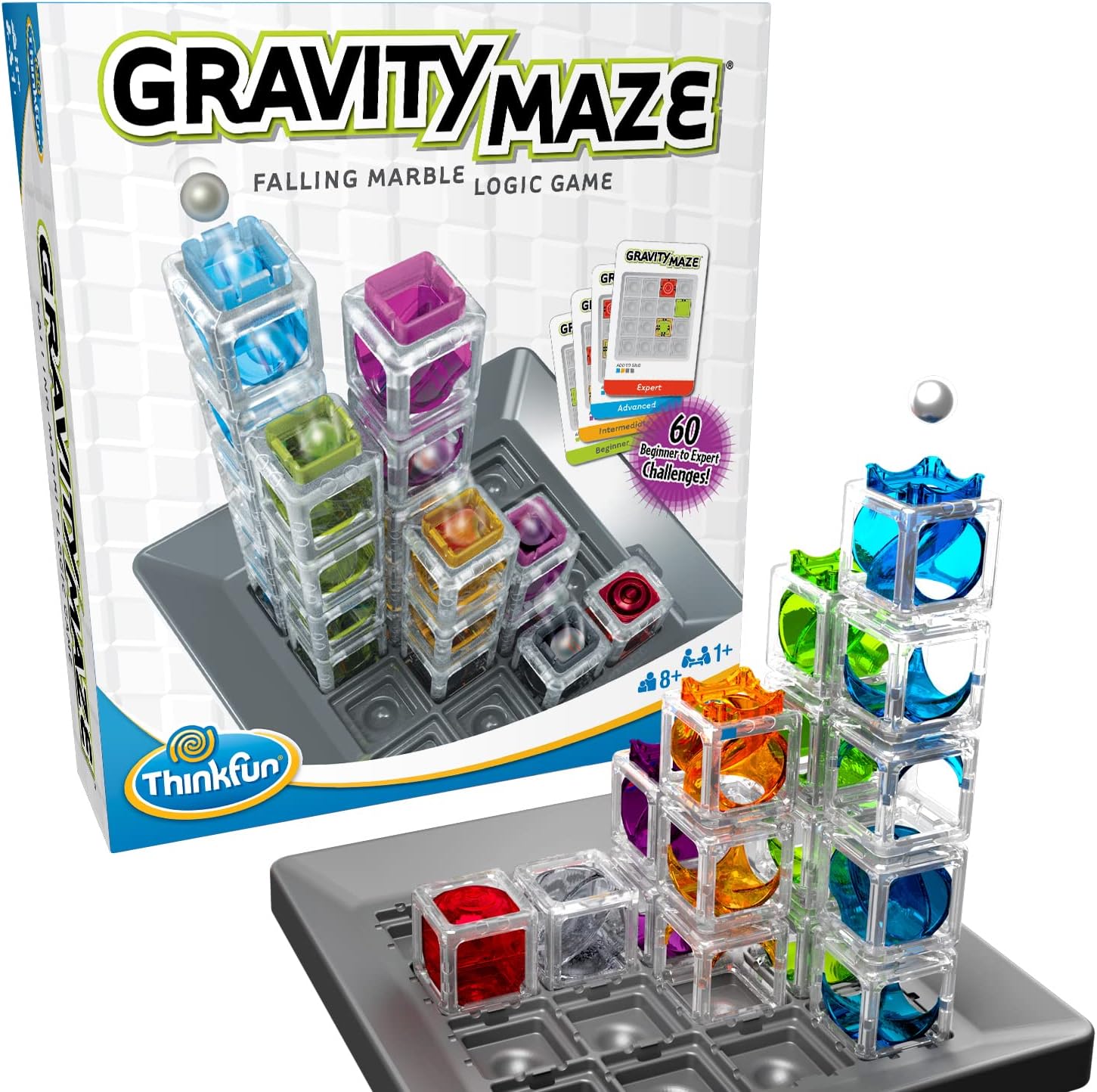

Melissa & Doug
Melissa & Doug 20 Wooden Animal Magnets in a Box - Cute Animal Fridge, Refrigerator Magnets For Toddlers Ages 2+
See current price


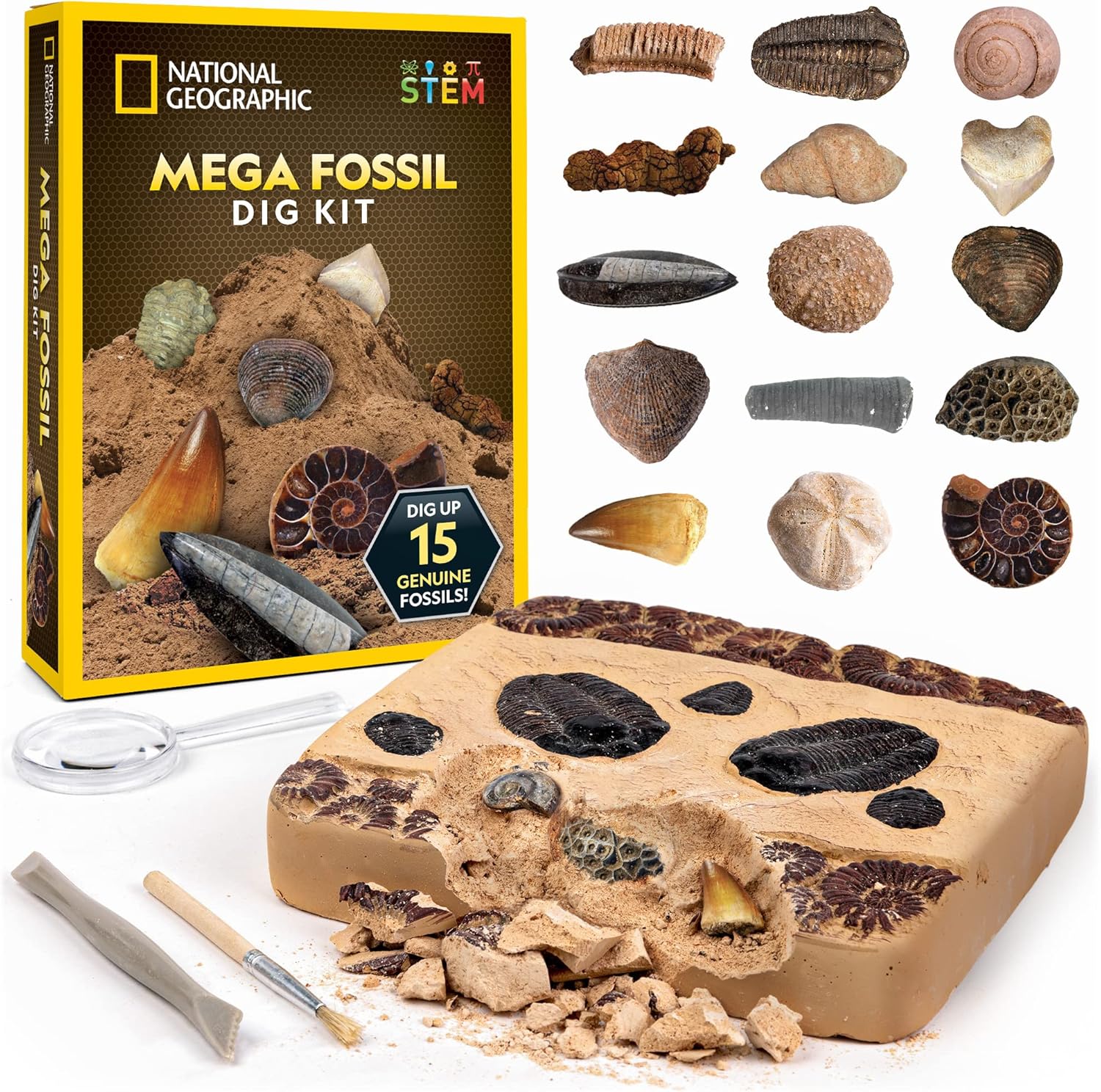

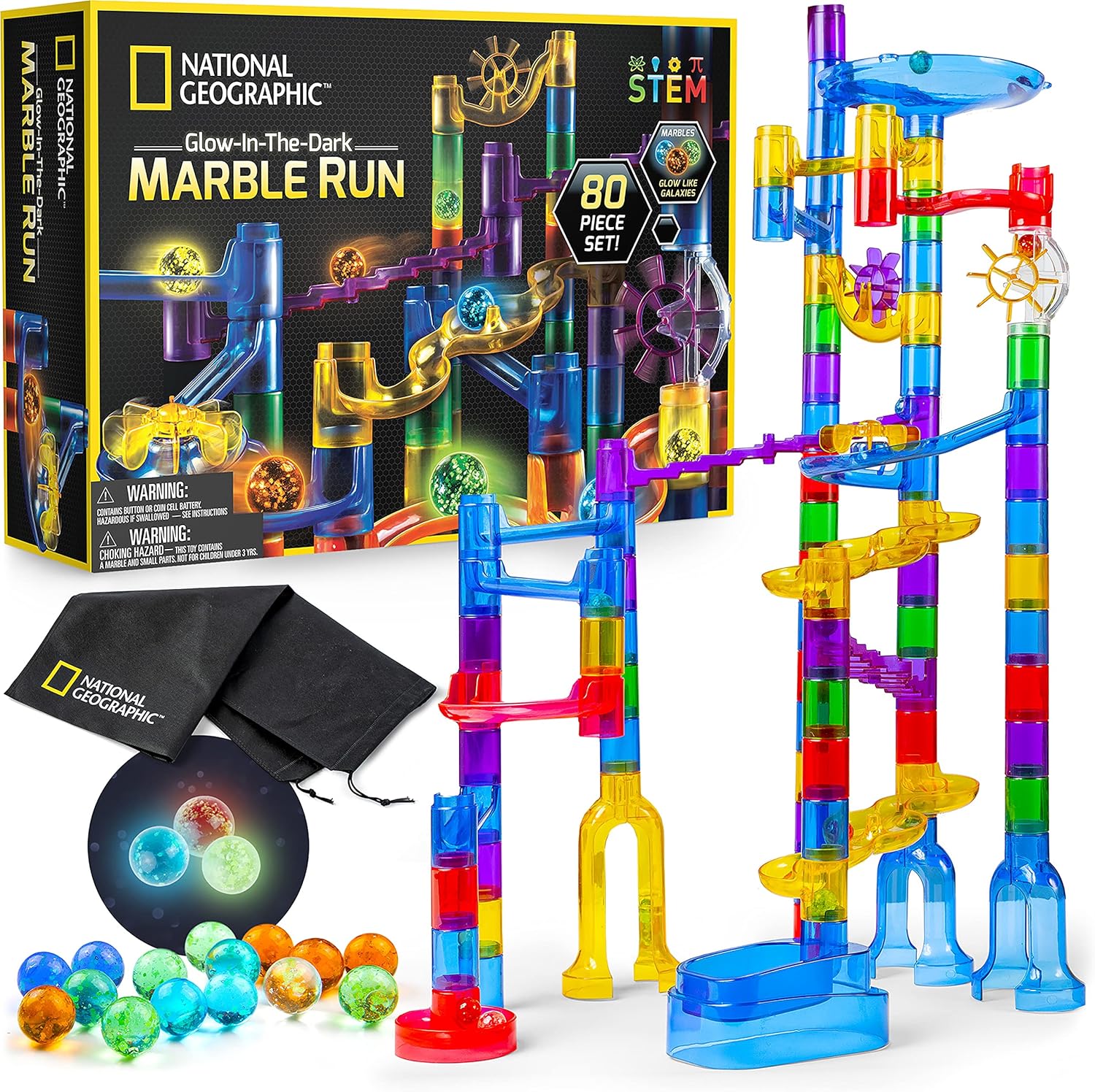


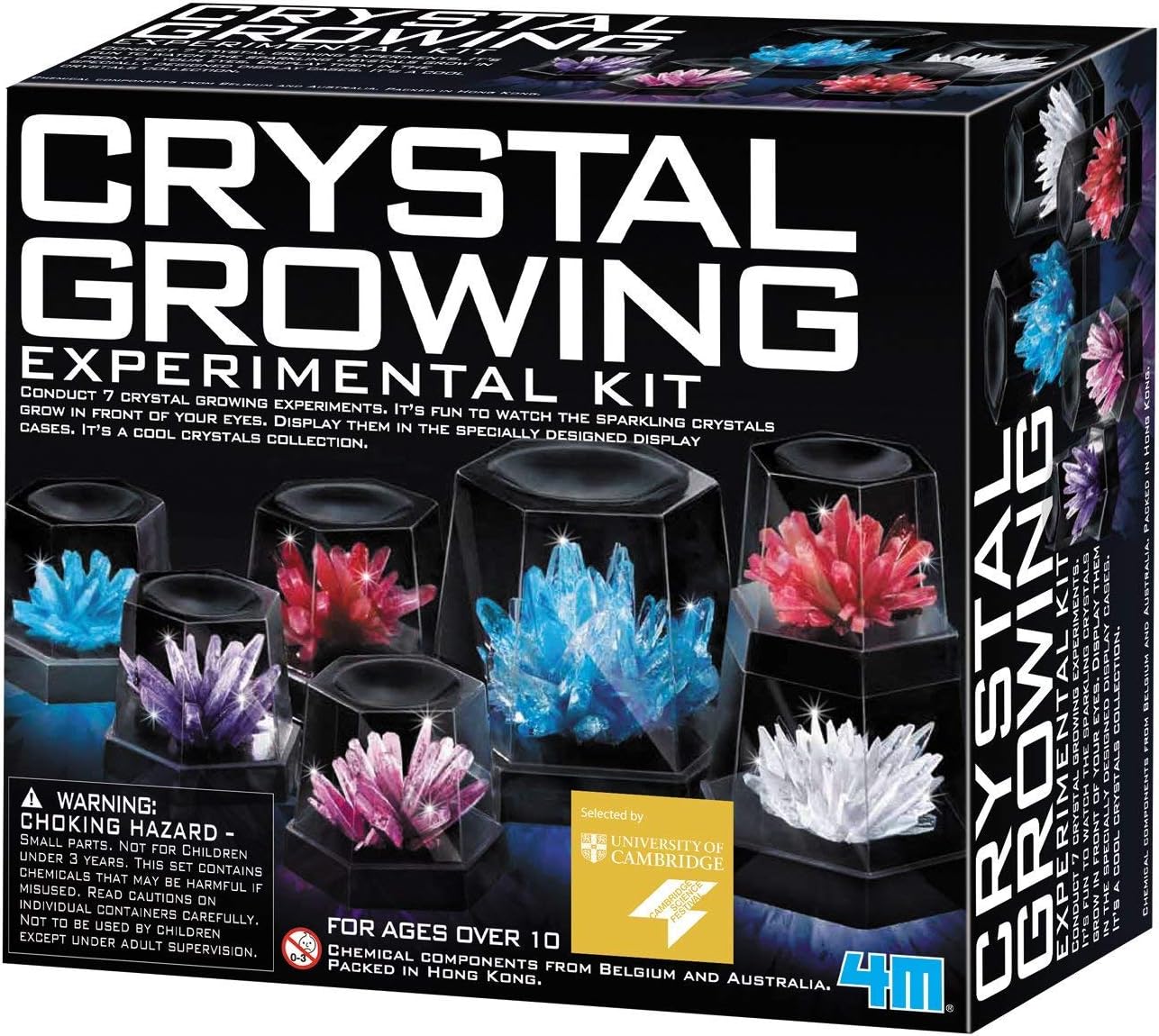

Educational Insights
Educational Insights GeoSafari Jr. Kidnoculars, Binoculars for Toddlers & Kids, Gift for Toddlers Ages 3+
See current price



Popular brands in STEM Toys
STEM toys turn play into an opportunity to ask questions, test ideas, build solutions, and understand how things work. The right choice depends on the child’s interests, the type of activity they enjoy, and how much adult guidance the project may require.
K-Catalog helps shoppers compare STEM toys by features and specifications. Browse the wider Toys & Games selection, or focus on the science, technology, and engineering options within this category.
How to choose STEM toys
Start with the learning focus rather than choosing by appearance alone. Some kits center on observation and experiments, while others emphasize construction, mechanics, coding concepts, or open-ended design. Consider what kind of play is most likely to hold attention:
- Experiment-based play: Suitable for children who enjoy making observations, following procedures, and seeing how materials respond.
- Building and engineering: A good fit for designing structures, testing movement, and solving practical challenges.
- Technology-focused activities: Useful for exploring mechanisms, programming concepts, circuits, or cause-and-effect interactions, depending on the set.
- Open-ended construction: Better for children who prefer inventing their own creations instead of following one fixed project.
Also consider whether the toy is intended for independent play, collaborative projects, or guided activities with a parent, teacher, or caregiver. Clear instructions can help beginners, while flexible components may appeal to experienced builders.
Explore the main STEM toy types
The catalog’s two largest areas are Science and Technology & Engineering. Each supports a different style of discovery, although many products may combine more than one STEM discipline.
Science toys
Science-oriented toys may focus on topics such as nature, chemistry concepts, geology, physics, or observation. Compare the experiments included, the materials supplied, the amount of preparation required, and whether the activities can be repeated. A kit with multiple projects may offer more variety, while a focused set may suit a child with a specific interest.
Technology and engineering toys
Technology and engineering toys often involve construction, mechanisms, design challenges, or systems that respond to input. Look at the building components, connection methods, project instructions, and whether the finished creation is intended for display, experimentation, or repeated rebuilding. Sets that support multiple designs can provide a more open-ended experience.
Features and specifications to compare
Product details can vary widely even within the same STEM category. Check the listing carefully for:
- Recommended age guidance: Choose an option that matches the child’s developmental stage and ability to follow instructions.
- Included components: Confirm which tools, parts, containers, cards, or experiment materials come with the set.
- Assembly requirements: Note whether construction is simple, detailed, or likely to need adult assistance.
- Project variety: Compare the number and type of suggested activities without assuming every project uses the same materials.
- Materials and size: Review construction materials, finished dimensions, and storage needs, especially for sets with many small parts.
- Power requirements: If the product uses batteries or another power source, check what is included and what must be supplied separately.
- Instructions and learning support: Diagrams, step-by-step directions, challenge prompts, and explanations can make a difference for first-time users.
Safety guidance matters as well. Follow the manufacturer’s instructions, supervise activities when recommended, and check for small components or substances that may not suit every child.
Brands represented in the catalog
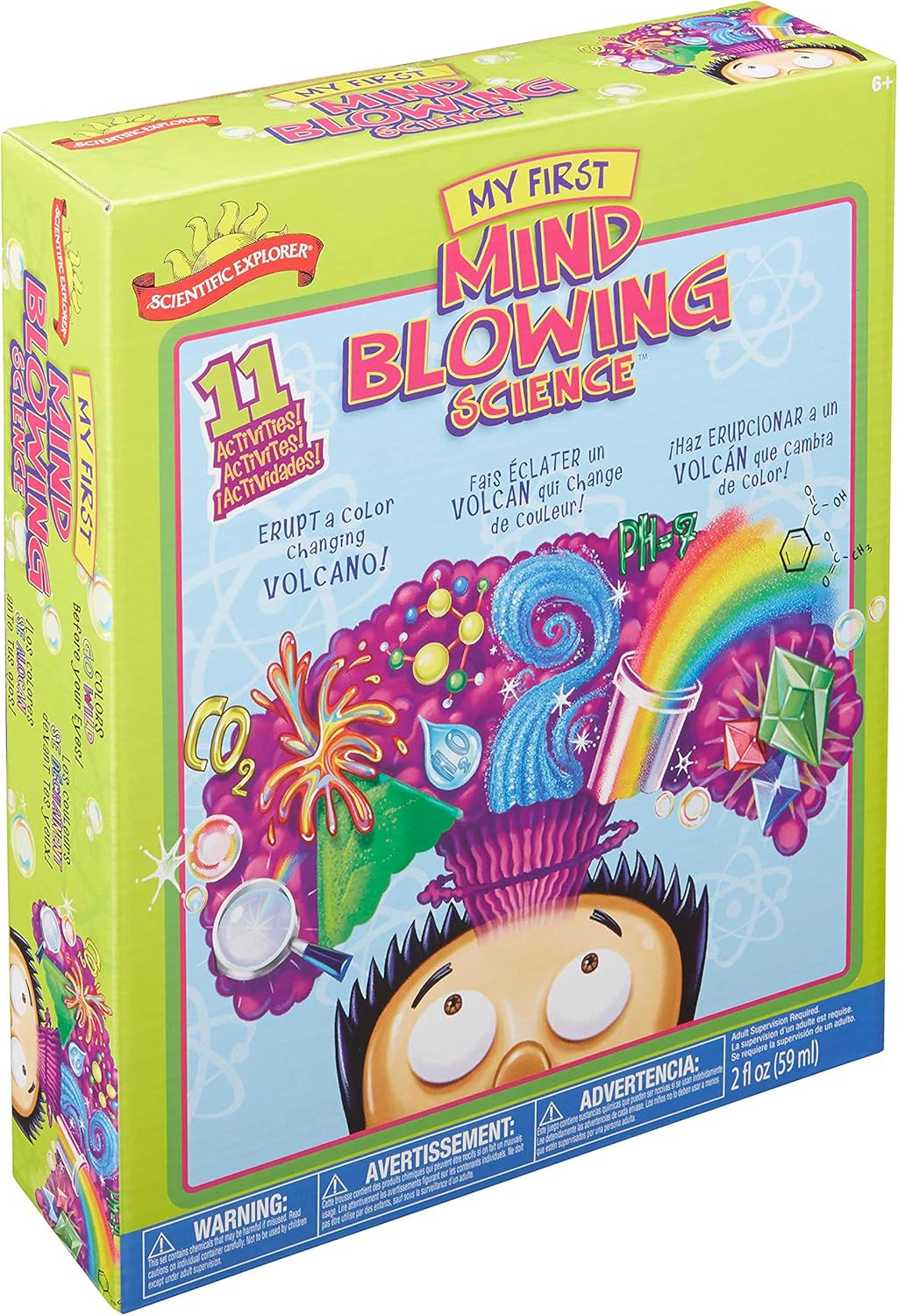
STEM toys in the catalog include products from Learning Resources, Thames & Kosmos, Educational Insights, Lego, National Geographic, 4M, K'NEX, Playz, Ravensburger, Discover with Dr. Cool, Scientific Explorer, and Melissa & Doug. These brands are well represented in the catalog, but features and intended activities can differ from one product to another. Compare the individual specifications rather than selecting solely by brand.
For younger children whose interests overlap with early learning, the Preschool category may also be useful. Shoppers looking for broader tabletop activities can browse Games & Accessories as another option alongside hands-on STEM play.
Tips for a better STEM play experience
Choose a workspace where parts can be sorted and projects can remain undisturbed between sessions. For experiment kits, read the instructions before beginning and gather any separately required household items. For construction sets, a tray or storage container can make cleanup easier and help keep components together.
It can also help to let children make predictions before starting a project, then discuss what happened afterward. The goal does not need to be a perfect result; testing, revising, and explaining a solution are important parts of hands-on learning.
Frequently asked questions
What are STEM toys?
STEM toys are play products built around science, technology, engineering, or mathematics concepts. They may involve experiments, construction, design challenges, mechanisms, or problem-solving activities.
Are STEM toys suitable for independent play?
Some are designed for more independent exploration, while others require setup, supervision, reading support, or adult help. Check the product instructions and age guidance before choosing.
Should I choose a science kit or an engineering set?
Choose a science kit when the child enjoys observing results and testing ideas. Choose an engineering set when they prefer building, designing, and improving structures or mechanisms.
What should I check before buying a STEM toy?
Review the recommended age guidance, included parts, project instructions, materials, power requirements, assembly level, and storage needs. These details help match the product to the intended user and play space.
Can STEM toys be used by more than one child?
Many projects can support shared play, but the number of components and the activity format vary. Check the specifications and project instructions to see whether collaboration is practical.