
BLACK+DECKER
BLACK+DECKER 8,000 BTU Portable Air Conditioner up to 350 Sq. with Remote Control, White
See current price

Compare air conditioners by format, cooling capacity, installation requirements, controls, and maintenance needs. K-Catalog helps you narrow the options before checking the current listing details.
749 products in catalog
749 results
BLACK+DECKER
See current price

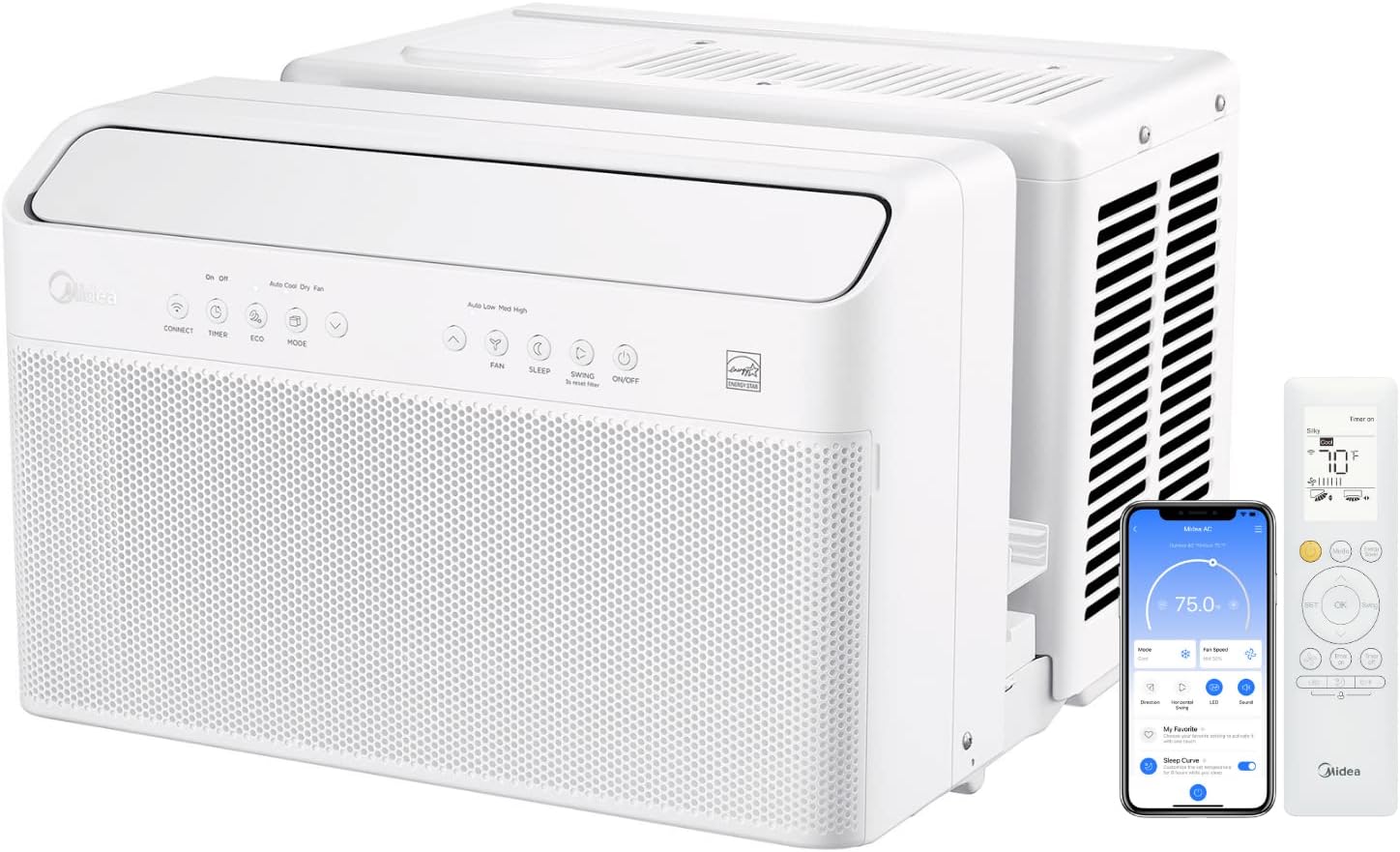
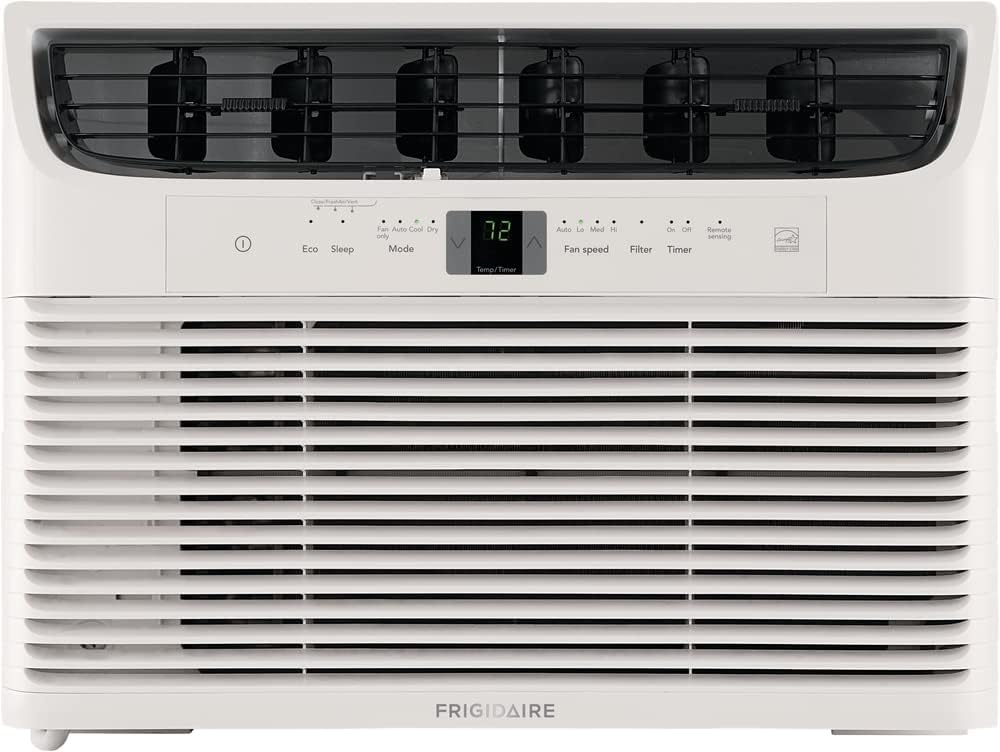


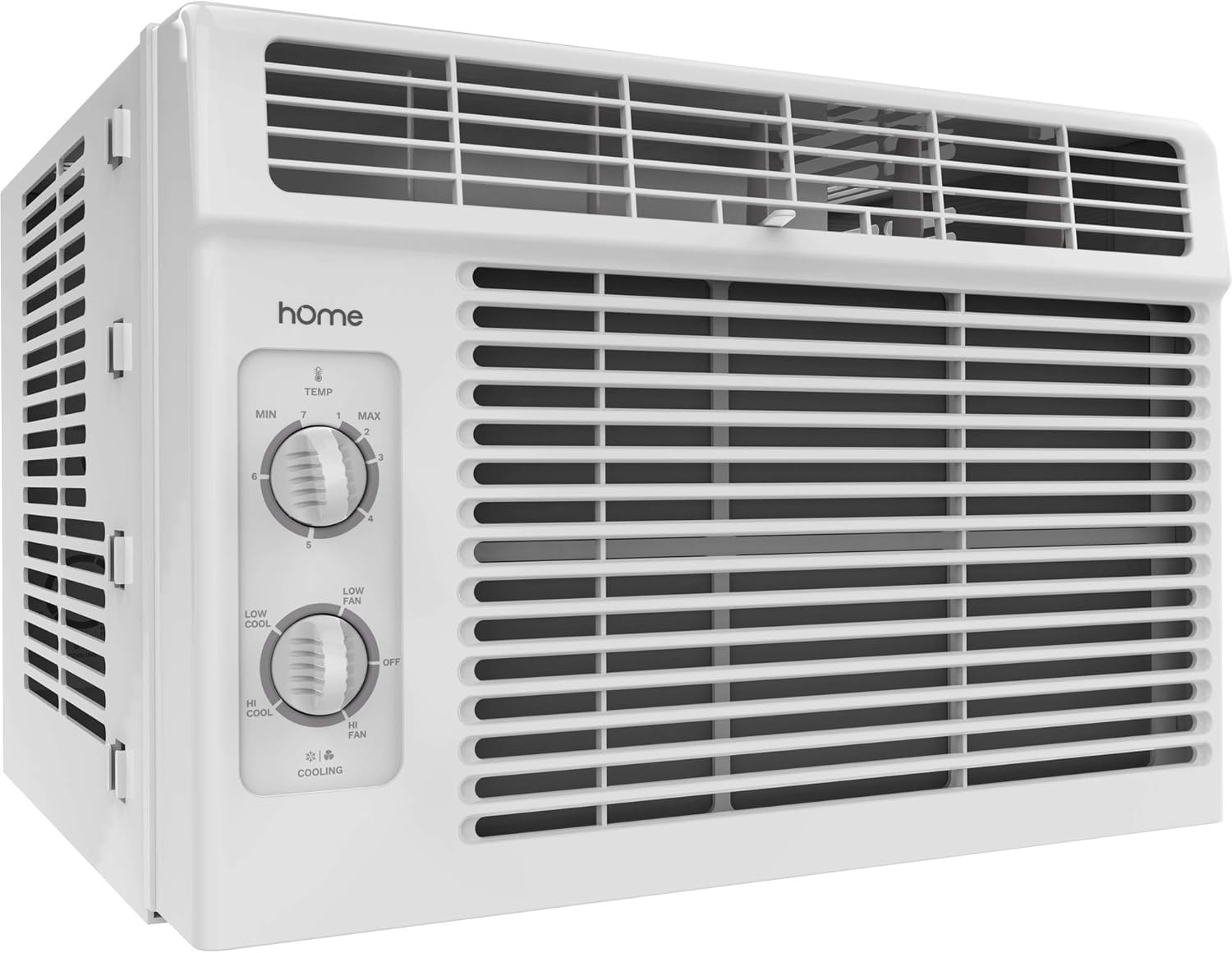


Amazon Basics
See current price


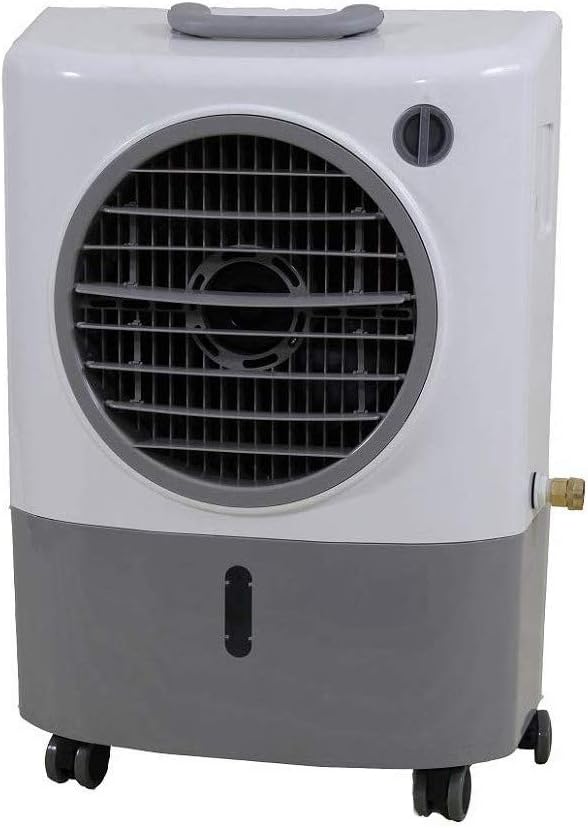
HESSAIRE
See current price

STURDY COVERS EST. 2015
See current price


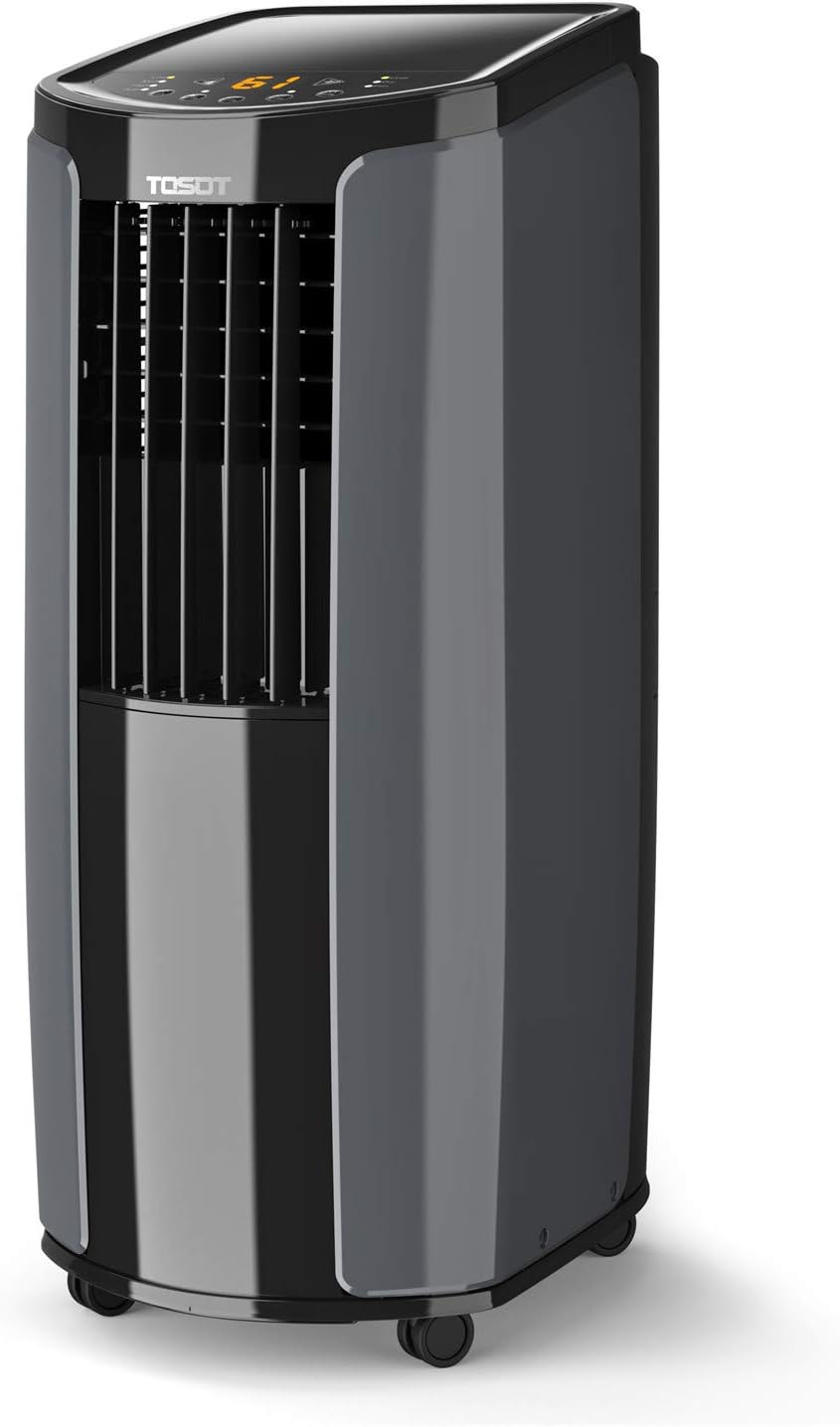
Air conditioners differ in how they install, how much space they can cool, and how much attention they need during use. The right choice depends on your room layout, window access, electrical setup, climate, and whether you need seasonal or supplemental cooling.
Use this catalog to compare specifications and features across portable, window, through-the-wall, and other home cooling formats. Product pages can provide the details needed to check fit and compatibility before you continue to the seller.
Start with the room or area you want to cool. Cooling capacity should suit the space rather than simply being as high as possible. An undersized unit may run frequently without reaching a comfortable temperature, while an oversized unit may cool the air quickly without managing humidity as effectively.
Consider the room’s insulation, ceiling height, sunlight, number of occupants, and heat-producing appliances. Open floor plans may require a different approach from a closed bedroom or office. If the unit will move between rooms, portability and storage matter more than a permanent installation.
Also check where the cooled air needs to go. A bedroom may benefit from quieter operation, while a living area may place more emphasis on airflow, controls, and coverage. For broader home comfort, browse the wider [Heating, Cooling & Air Quality]( /category/heating-cooling-air-quality/) category.
Portable units are useful when permanent installation is not practical or when cooling needs change between rooms. Look for a practical exhaust-hose arrangement, a stable location near a window, and a design that is manageable to move. Storage space and condensate handling are also worth checking.
Window units can provide focused cooling for a room and generally remain in one location during the cooling season. Before choosing one, verify window dimensions, sash style, support requirements, and whether the unit’s controls remain accessible after installation.
A wall-installed format may suit a dedicated room where window access is limited. Installation compatibility is especially important: check the required opening, wall depth, sleeve or mounting hardware, ventilation path, and electrical requirements. A permanent setup can be convenient, but it usually offers less flexibility than a portable unit.
Some air conditioning products are designed as part of a larger home system rather than as standalone room appliances. These options require careful attention to installation, indoor and outdoor components, controls, and professional compatibility requirements. Confirm the intended system type before comparing features.
The Air Conditioners catalog includes products from Frigidaire, Honeywell, COSTWAY, Della, Koldfront, LG, TRUSTECH, BREEZEWELL, Air Choice, SPT, Amazon Basics, and COLZER. Brand selection can help narrow a comparison, but the most useful decision points are the individual product’s dimensions, installation method, capacity, controls, and care requirements.
Air conditioning may work alongside other comfort products depending on the season and room conditions. [Household Fans]( /category/household-fans/) can help circulate cooled air, while [Dehumidifiers]( /category/dehumidifiers/) are designed specifically to reduce moisture. For air-cleaning needs, compare [Air Purifiers]( /category/air-purifiers/) separately because filtration and cooling are different functions.
Replacement filters, hoses, brackets, drain components, and other compatible items may be available in [Parts & Accessories]( /category/parts-accessories/). Check the exact product documentation before selecting a replacement or add-on. For colder months, [Space Heaters]( /category/space-heaters/) serve a separate heating purpose and should not be treated as an air conditioner substitute.
Portable and some window units may be practical when permanent changes are restricted. Confirm lease rules, window access, venting requirements, and whether installation hardware can be removed without damage.
Use the manufacturer’s recommended room coverage and consider insulation, sunlight, ceiling height, occupancy, and heat-producing equipment. These factors can change the cooling demand beyond room size alone.
They are designed for room-to-room flexibility, but hose placement, window access, floor clearance, and condensate handling can affect how convenient they are in practice.
Typical care may include cleaning or replacing filters, clearing drains, checking exhaust connections, and storing the unit properly when it is not in use. Follow the product’s instructions.
Many room air conditioners collect moisture as they cool, but dehumidification performance and drainage methods vary. Check the specifications if humidity control is a major priority.