

Balls for Babies & Toddlers
Explore balls for baby and toddler play, from easy-grip sensory designs to soft indoor options. Compare materials, construction, size, and features to find a suitable match.
85 products in catalog
85 results
Filters


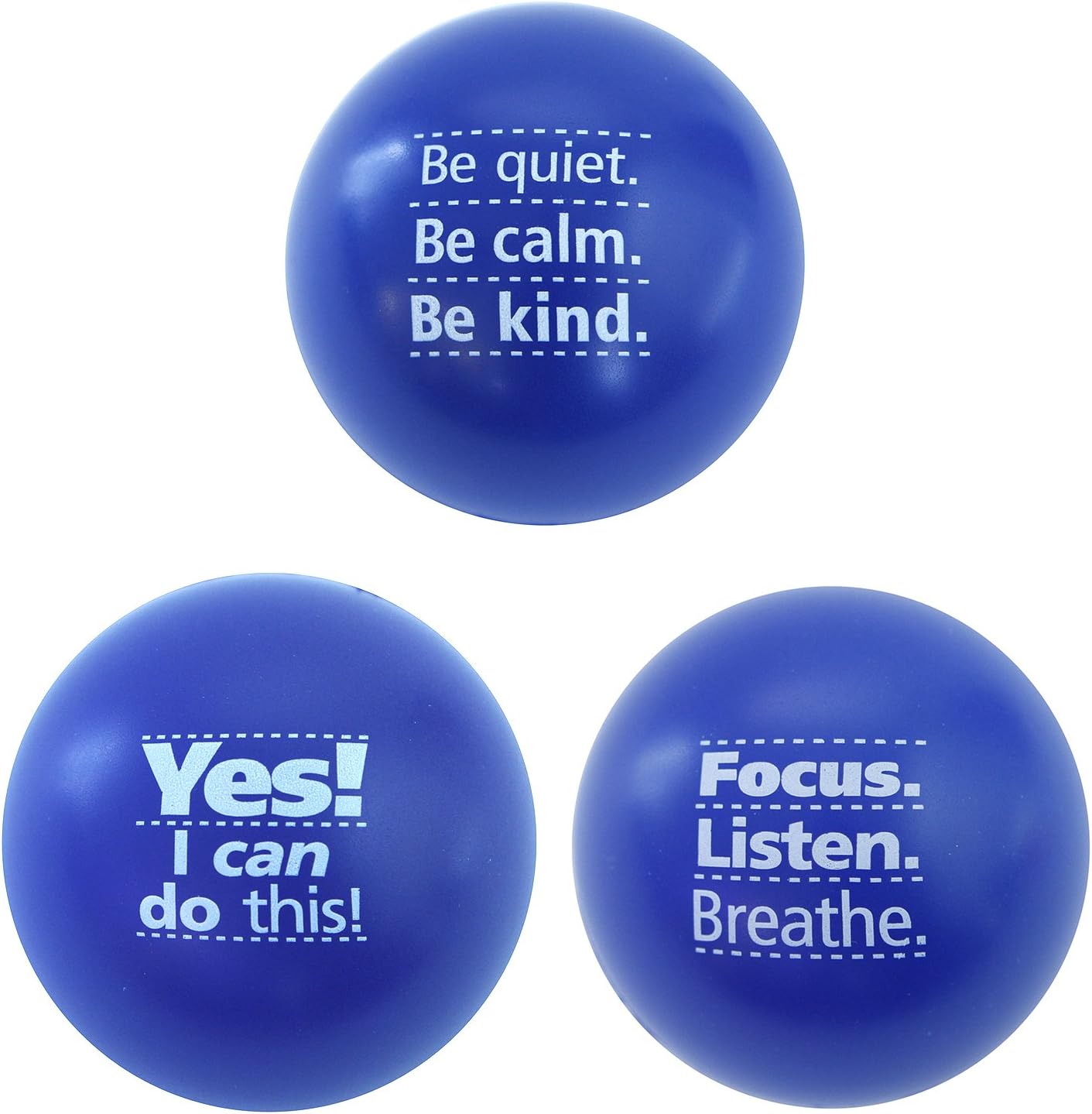
Teacher Peach
Teacher Peach Motivational Stress Ball Assortment, 3 Pack, Stress Relief Toys for Kids and Adults (6 Colors Available)
See current price




![Danirora Mermaid Keychains, [24 Pack] Mermaid Party Favors with Party Gift Bags for 12 Girls Birthday Party Supplies Goodie Bag Fillers](https://m.media-amazon.com/images/I/71bNvzoAUFL._AC_SL1150_.jpg)


TRU Kids Consumer Brands
Bruin Magic Infant Teething & Activity Ball for Infants 6-18 Months
See current price


Popular brands in Balls
Balls can make play more active while helping little ones explore movement, texture, and cause and effect. The right choice depends on where the ball will be used, how easily a child can grip it, and whether its construction suits the child’s stage of play.
Use the listings in this category to compare product specifications and features. K-Catalog does not test products or set prices, so check the individual listing for the latest details before buying.
How to choose a ball for a baby or toddler
Start with the child’s developmental stage and the intended play space. A ball for floor play may need a softer, lighter construction, while a toddler’s outdoor toy may benefit from a more durable surface. Consider these points:
- Grip and handling: Textured surfaces, raised patterns, holes, or easy-grab panels can make a ball simpler for small hands to hold and roll.
- Softness: Soft fabric or foam-like designs may be more suitable for indoor play around furniture and other children.
- Size and shape: Check the listed dimensions and design details to ensure the ball is appropriate for the child and cannot be easily placed in the mouth.
- Play setting: Think about whether the ball will be used on carpet, hard floors, outdoors, during tummy time, or as part of a larger activity area.
- Cleaning needs: Washable covers and wipe-clean surfaces can be useful for toys handled frequently.
Always follow the manufacturer’s age guidance and safety instructions. Inspect the ball regularly for tears, loose components, damaged seams, or other changes that could create a hazard.
Types of baby and toddler balls
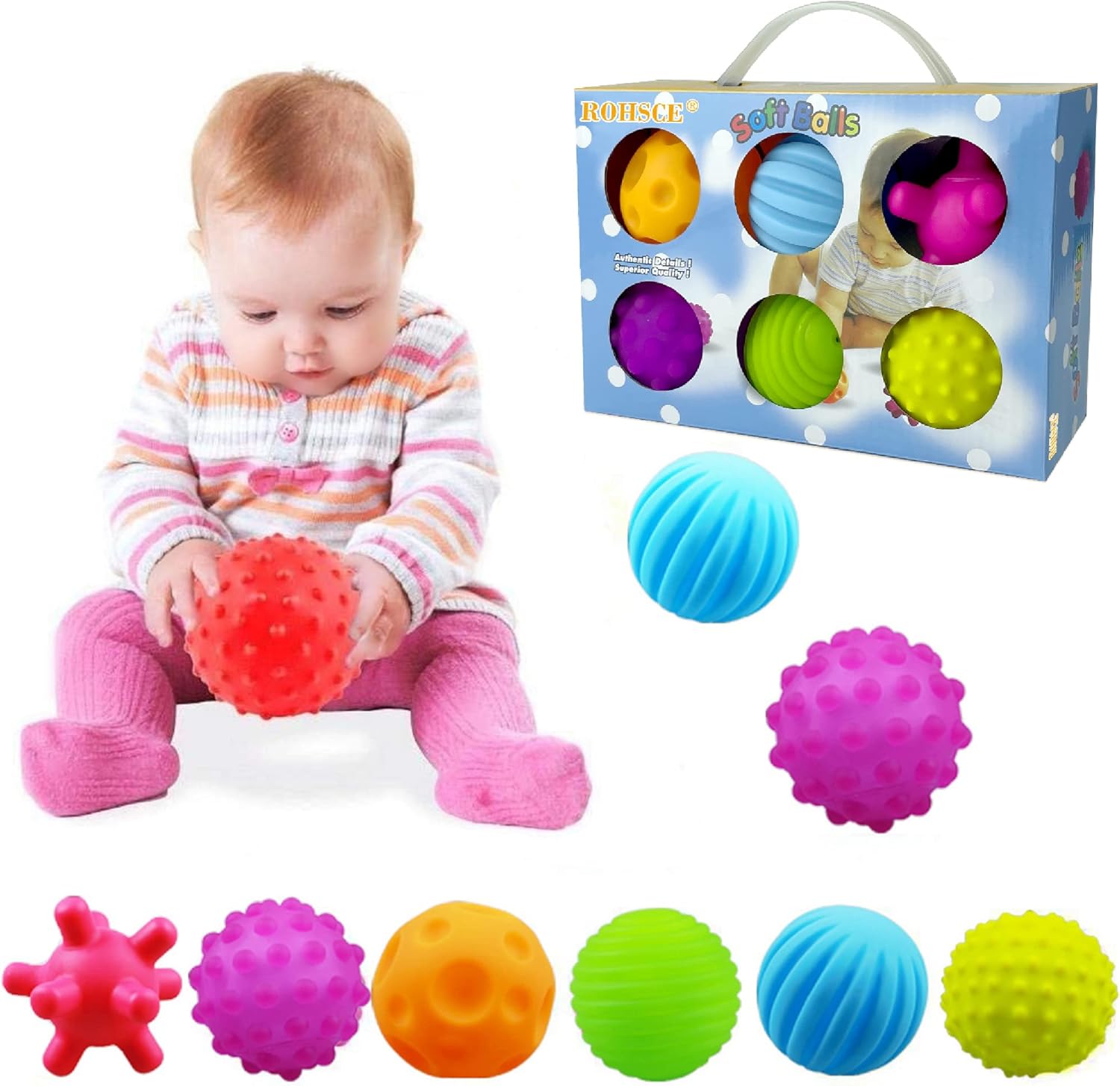
The Balls category can include several styles, even when products are not divided into separate subcategories. Soft sensory balls are often designed around varied textures, colors, or surface patterns. These can give children different tactile details to explore during supervised floor play.
Lightweight activity balls may be easier to roll, toss, or carry. Some designs focus on grasping and hand coordination, while others are intended for simple back-and-forth play. Inflatable or bouncing styles can be more appropriate for open spaces, provided the construction and play environment are suitable.
For more ways to support play and exploration, compare this category with Early Development & Activity Toys. Rattles & Plush Rings may also be relevant when grasping and sensory discovery are priorities.
Features and specifications to compare
Product descriptions can vary, so compare the specifications rather than relying only on appearance. Pay attention to:
- Materials and construction: Look for the listed materials, seam details, and whether the ball is soft, hollow, filled, inflatable, or molded.
- Surface design: Texture, ridges, dimples, fabric panels, and contrasting sections can affect grip and sensory interest.
- Care instructions: Confirm whether the item is hand-washable, wipe-clean, machine-washable, or intended to stay dry.
- Sound or interactive elements: Some balls may include rattling, crinkling, or other responses. Consider whether these features suit the play area and the child’s preferences.
- Included accessories: Check whether a product listing includes a pump, storage item, or other component, and review the safety guidance for each piece.
- Indoor or outdoor suitability: A ball made for one environment may not perform or clean the same way in another.
If a ball will be used with other toys, check that its materials and design fit the rest of the play setup. Related Indoor Climbers & Play Structures can create more active play opportunities, but require careful attention to available space and supervision.
Brands represented in the catalog
The catalog includes balls from Botabee, TWOYOMN, HABA, Leinuosen, ROHSCE, Teytoy, Rhode Island Novelty, U. S. Toy, Pokemon, Waboba, Battat, and WEofferwhatYOUwant. Brand availability and product features can vary by listing, so compare the specifications of individual products rather than assuming that every item from a brand has the same construction or intended use.
Safety and care tips
Use balls in an uncluttered area that matches the product’s intended setting. Supervise babies and young toddlers during play, especially when a ball has textured sections, attached parts, sound elements, or any component that could loosen over time. Keep products away from pets if pieces could be chewed or detached.
Clean the ball according to its care instructions and allow washable items to dry fully. Avoid using a damaged, deflated, split, or heavily worn ball. For water play, explore Bath Toys separately, since not every ball is designed for repeated exposure to water.
Frequently asked questions
What type of ball is suitable for baby play?
Soft, lightweight designs with an easy-to-hold surface are often practical for supervised floor play. Check the product’s age guidance, materials, and dimensions before choosing.
Are textured balls useful for toddlers?
Texture can make a ball easier to grip and can add sensory variety. Compare the surface design and construction to the child’s abilities and play habits.
Can baby and toddler balls be used outdoors?
Only use a ball outdoors when the listing indicates that it is suitable for outdoor play. Consider the surface, weather exposure, cleaning requirements, and supervision.
How should a ball be cleaned?
Follow the manufacturer’s care instructions. Depending on the construction, cleaning may involve wiping the surface, washing a cover, or keeping the item away from water.
What should I check before giving a ball to a child?
Review the age guidance, materials, size, construction, and any attached or removable components. Inspect the ball for damage and supervise play as appropriate.