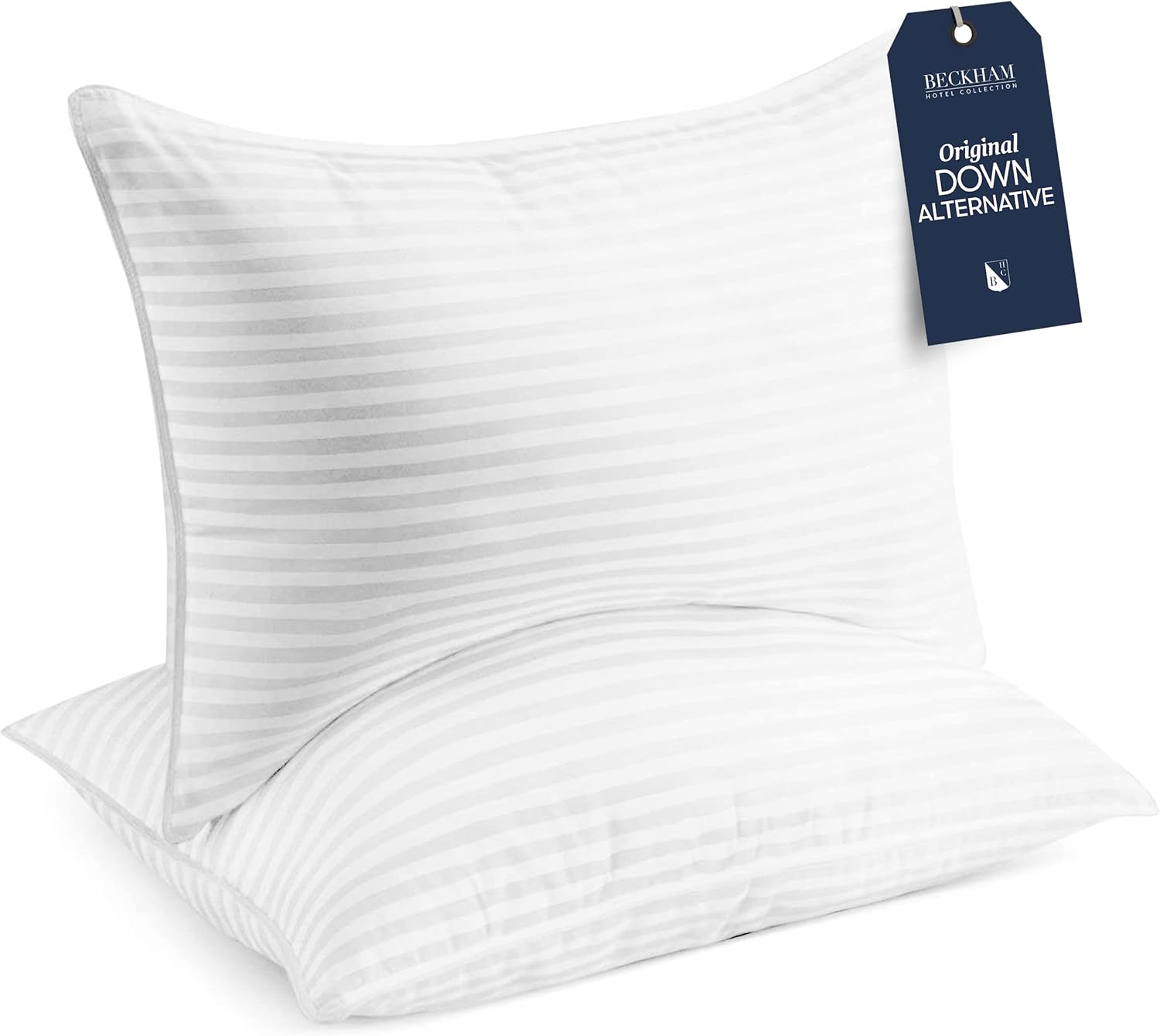
Beckham Hotel Collection
Beckham Hotel Collection Bed Pillows Standard / Queen Size Set of 2 - Down Alternative Bedding Gel Cooling Pillow for Back, Stomach or Side Sleepers
See current price

Compare bed pillows and positioners by fill, firmness, loft, shape, and care requirements. This catalog helps you narrow choices for sleeping, reading, support, and everyday comfort.
3,134 products in catalog
3,134 results
Beckham Hotel Collection
See current price


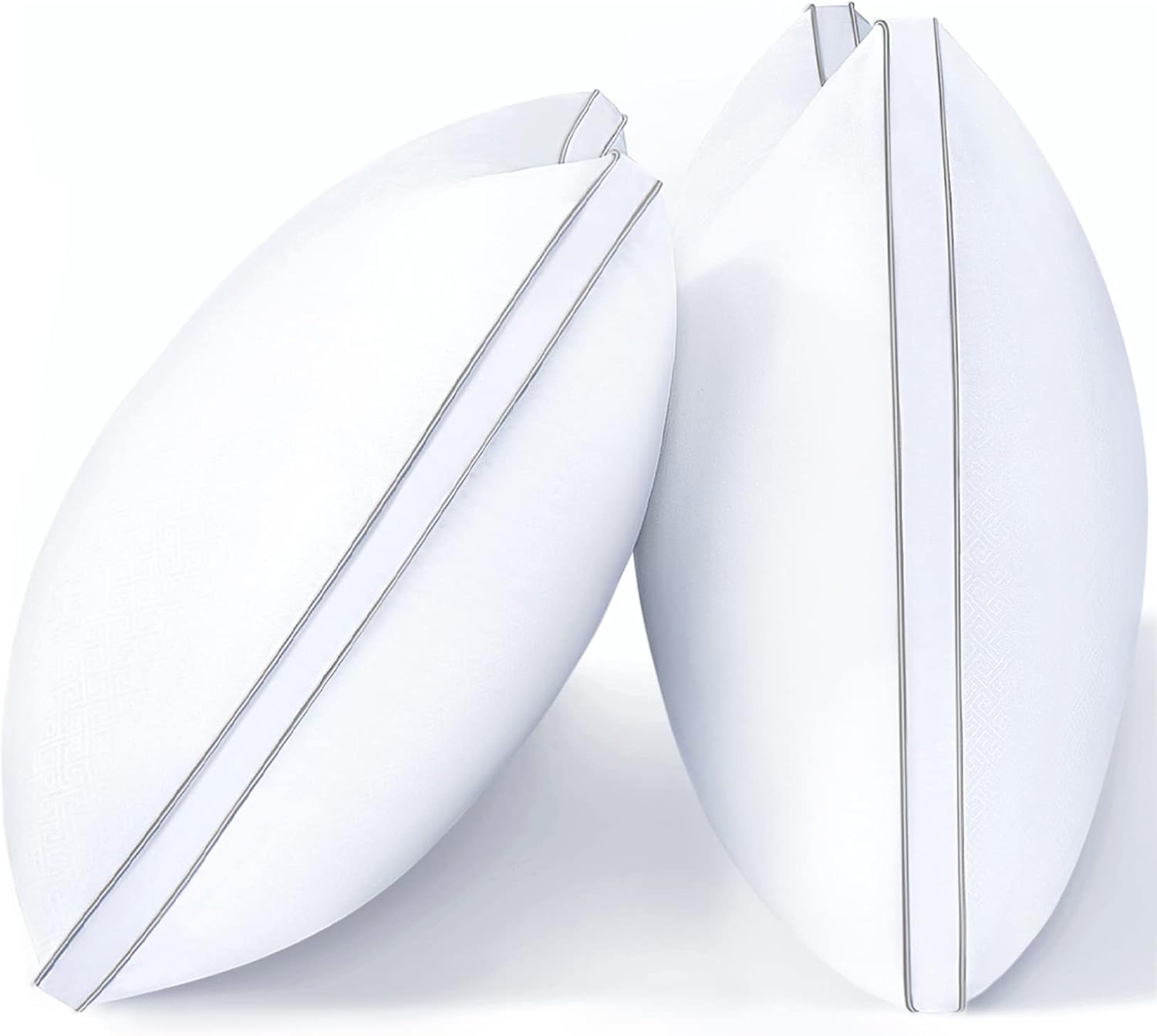


![DreamyBlue Premium Pillow for Sleeping - Shredded Memory Foam Fill [Adjustable Loft] Washable Cover from Bamboo Derived Rayon - for Side, Back, Stomach Sleepers - CertiPUR-US Certified](https://m.media-amazon.com/images/I/81V7GjiCD0L._AC_SL1500_.jpg)

Amazon Basics
See current price

Cozy Bed
See current price


![My Pillow Classic Series [Std/Queen, Medium Fill]](https://m.media-amazon.com/images/I/71Gjb7D5yyL._AC_SL1500_.jpg)


![MyPillow Classic Bed Pillow 2 Pack [Standard/Queen, Medium]](https://m.media-amazon.com/images/I/41rBgeE8PWL._AC_.jpg)


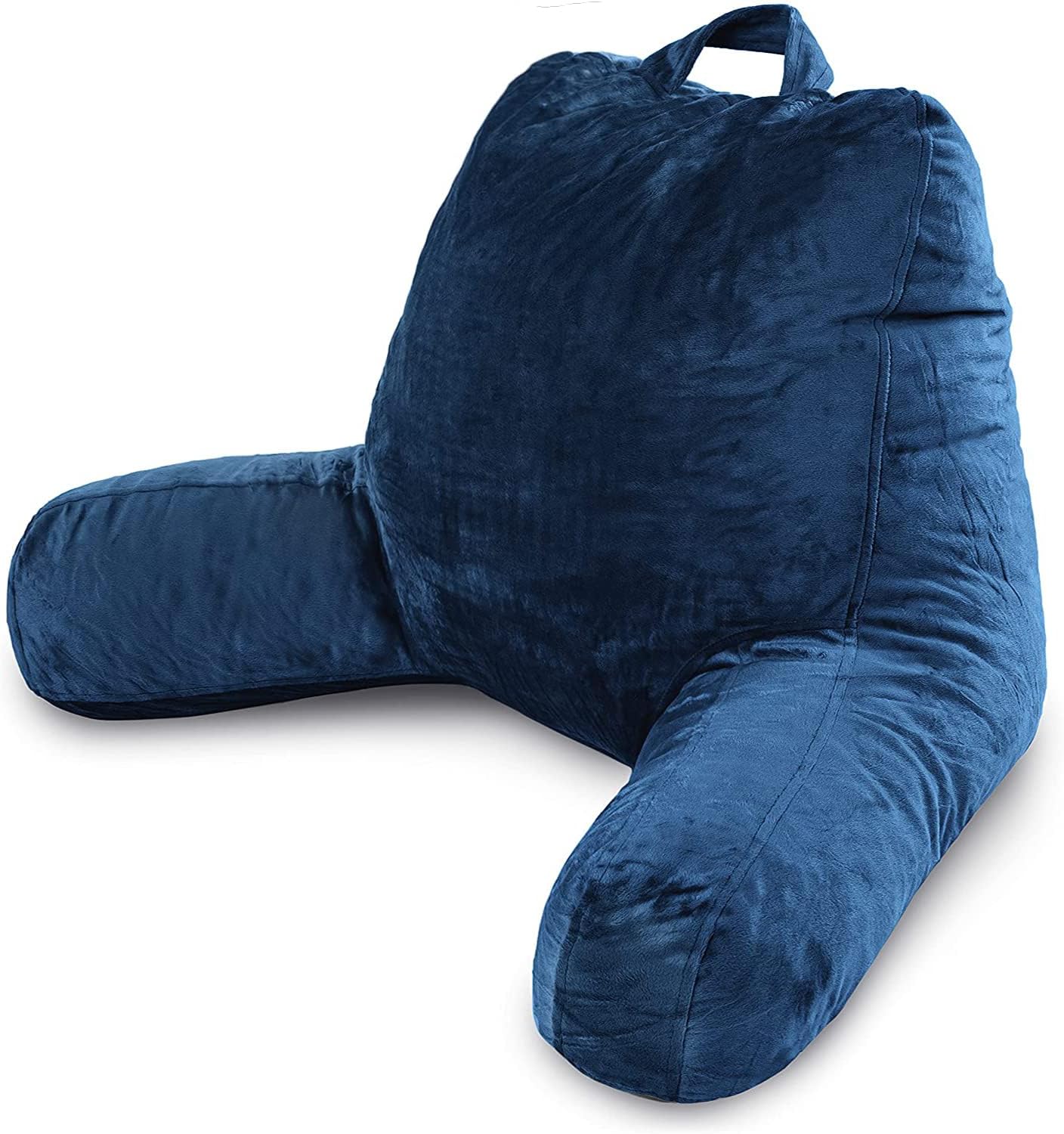
Bed pillows and positioners can affect how your head, neck, shoulders, legs, or back are supported in bed. The right choice depends on your sleep position, preferred firmness, body proportions, and whether you need a traditional pillow or a shaped support cushion.
Use this category to compare specifications and features across a broad selection. Consider how a pillow will fit your mattress, pillowcase, sleeping posture, and regular care routine before choosing.
Start with the way you usually sleep. Side sleepers often look for enough height and structure to fill the space between the head and mattress. Back sleepers may prefer a medium loft that supports the neck without pushing the head too far forward. Stomach sleepers commonly look for a lower-profile, softer option.
For positioners, identify the area that needs support. Wedge shapes can be useful for elevating part of the body, while long or contoured designs may be intended for leg, knee, back, or full-body positioning. A pillow used for reading or relaxing may have different shape and support requirements than one used overnight.
Also check the available dimensions. A pillow that works well on a bed may not fit standard bedding, and a large positioner can take up considerable space when stored.
Traditional bed pillows are available in different shapes, sizes, fills, and firmness levels. They are usually selected for head and neck support and may be designed for side, back, stomach, or combination sleepers.
Contoured pillows have shaped profiles intended to guide head and neck placement. Their height and curves are especially important to compare, since a shape that suits one sleeper may feel too high or too low for another.
Wedge and bolster-style positioners can provide support under the upper body, knees, legs, or back. Look at the angle, length, width, and firmness rather than assuming every wedge serves the same purpose.
Body pillows and long support pillows can be useful for hugging, side-sleeping alignment, or placing between the knees. Their cover design and filling determine how easy they are to move, wash, and reshape.
For coordinated bedding, browse Sheets & Pillowcases and Decorative Pillows, Inserts & Covers. Decorative inserts and covers serve a different purpose from sleep-support pillows, so confirm that the product is intended for the way you plan to use it.
Compare these details carefully:
A pillow’s listed firmness may not feel identical to another pillow with the same label, so compare construction details and dimensions together rather than relying on one specification.
The catalog includes products from Ashler Home Deco, Acanva, Milliard, puredown, VODOF, BedStory, Nttspring, Amazon Basics, MyPillow, MALOUF, Vekkia, and Tempur-Pedic. These brands may offer different approaches to fill, contouring, washable covers, and support design. Compare the specifications of individual products rather than treating a brand name as a substitute for fit or construction details.
Check the care label before washing or drying a pillow. Some covers can be removed and laundered while the inner pillow or foam core requires spot cleaning or ventilation. Protecting the pillow with a suitable case can help reduce direct contact with oils and moisture, but the case must fit without compressing the intended shape.
When testing a new setup at home, give attention to neck position and pressure points. A pillow that is too high, too low, or too soft may place the head at an uncomfortable angle. Positioners should remain stable on the mattress and should not interfere with normal movement or safe access to the bed. For medical or recovery-related positioning, follow guidance from a qualified professional.
Pair your choice with the rest of the bedding. Duvet Covers & Sets and Comforters & Sets can affect available space and warmth, while Blankets & Throws add layers that may change how much room remains around a positioner. For a child’s sleep space, see Kids' Bedding and follow age-appropriate product guidance.
Side sleepers often need more height, back sleepers commonly prefer moderate support, and stomach sleepers frequently choose a lower loft. Personal comfort and body alignment still matter most.
A bed pillow generally supports the head and neck. A positioner is shaped or sized to help support another area, elevate part of the body, or maintain a particular resting position.
Not necessarily. Loft should match your sleeping position, shoulder width, mattress firmness, and preferred neck alignment. Excessive height can be as uncomfortable as insufficient height.
Care depends on the specific construction. Foam cores may require spot cleaning, while some fiber-filled pillows can have different washing instructions. Always follow the listed care guidance.
Compare its length, width, height, and profile with the available mattress space. Also consider how much room is needed to change positions and use other bedding comfortably.