
Beekeeping Supplies for Hive Care and Apiary Work
Compare beekeeping supplies for hive maintenance, personal protection, feeding, harvesting, and apiary organization. Review specifications and features to find equipment suited to your setup.
237 products in catalog
237 results
Filters


KINGLAKE
KINGLAKE Steel J Hook Bee Hive Tool Frame Lifter and Scraper,Beekeeping Equipment, 10-1/2-Inch
See current price

Wildlife World Ltd
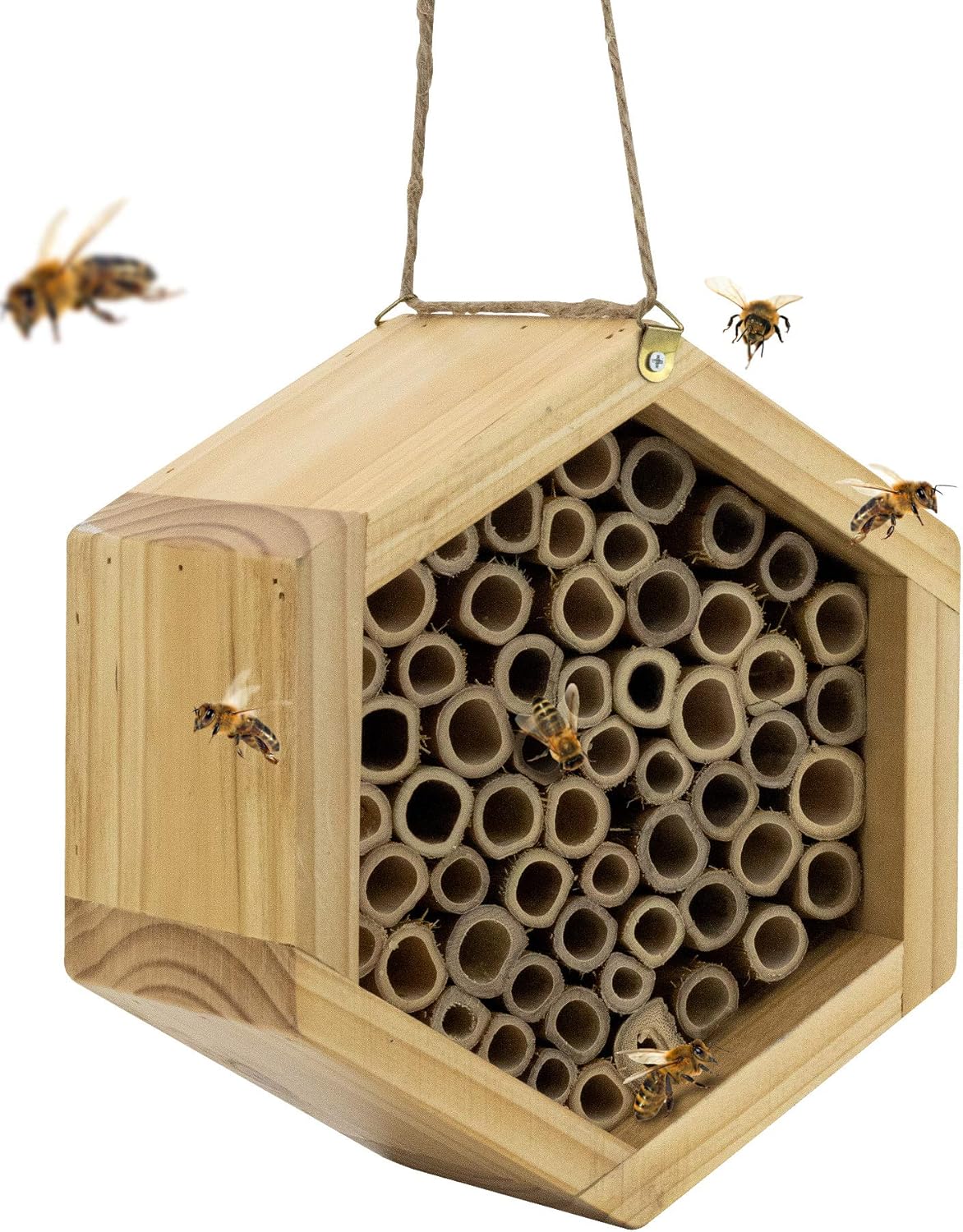
Wildlife World Interactive Wooden Bee House - Pollinator Bee Management System
See current price


KINGLAKE
KINGLAKE Beekeepers Polished Stainless Steel Hive Scraper Tool Beekeeping Equipment Tool Silver
See current price

FOREST BEEKEEPING SUPPLY
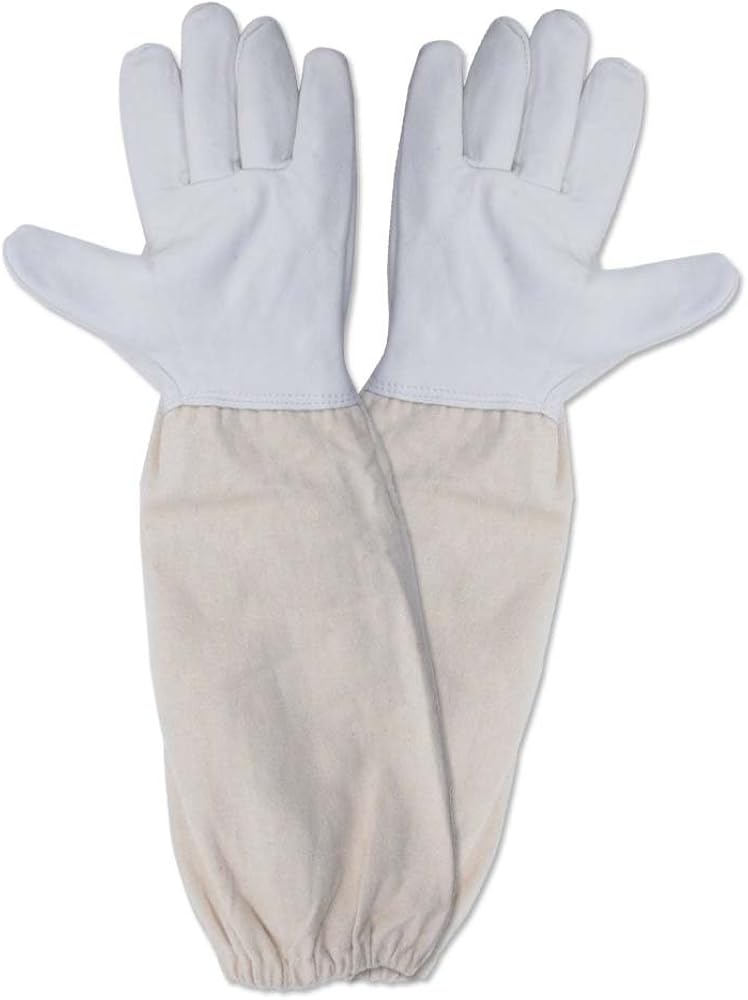
Forest Beekeeping Supply - Goatskin Leather Beekeeper's Glove with Long Canvas Sleeve & Elastic Cuff(2XL)
See current price

Little Giant
Little Giant Beekeeping Brush 14 in Bee Hive Brush for Beekeepers (Item No. BKBR14)
See current price

Honey B Healthy
Honey B Healthy Original 16 oz. Bottle, Feeding Stimulant with Essential Oils
See current price
Honey B Healthy
Honey B Healthy Original 16 oz. Bottle, Feeding Stimulant with Essential Oils
See current price


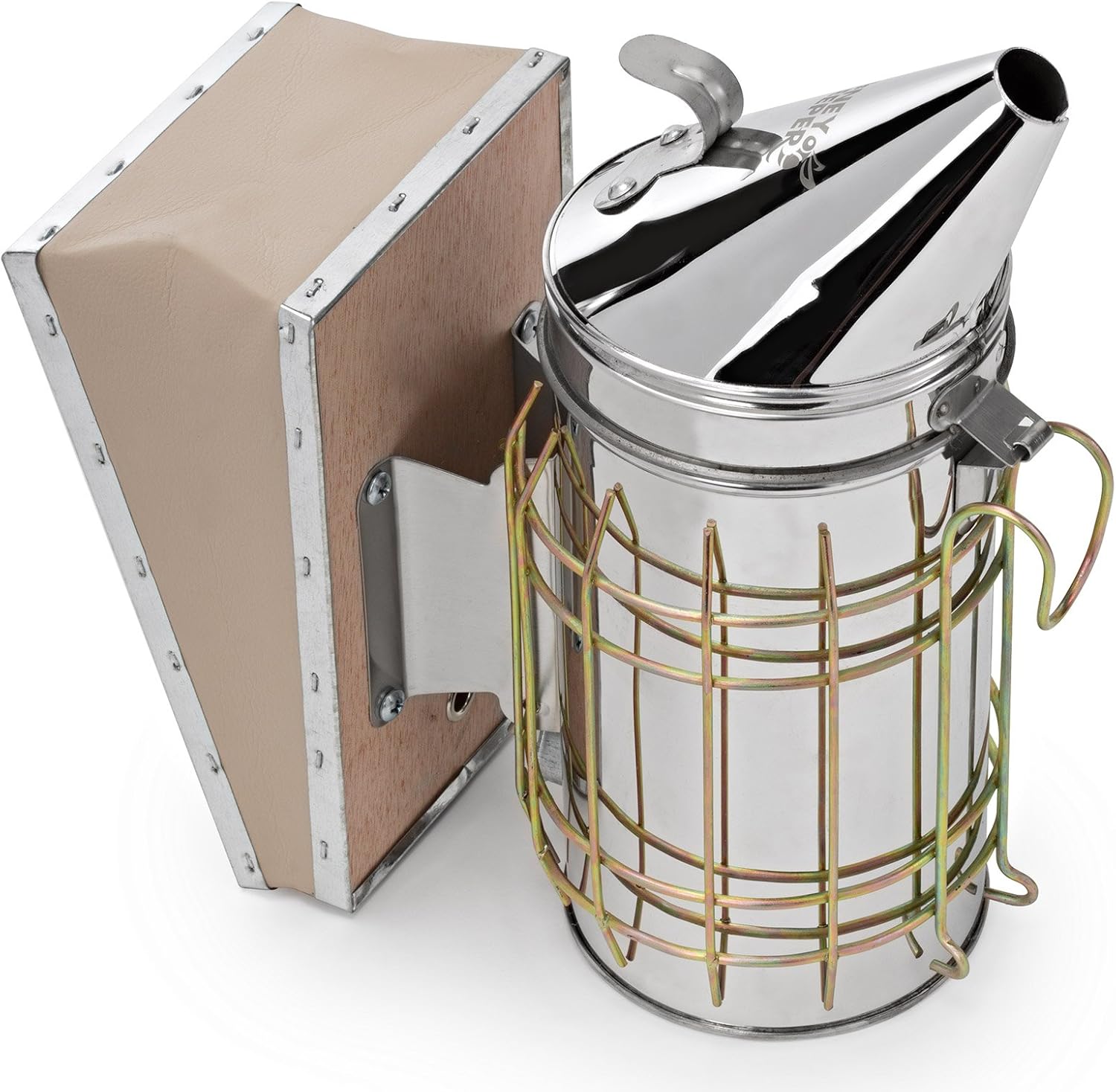
Honey Keeper
Honey Keeper Bee Hive Smoker Stainless Steel with Heat Shield Beekeeping Beehive Equipment
See current price

VILLAGE GIFT IMPORTERS
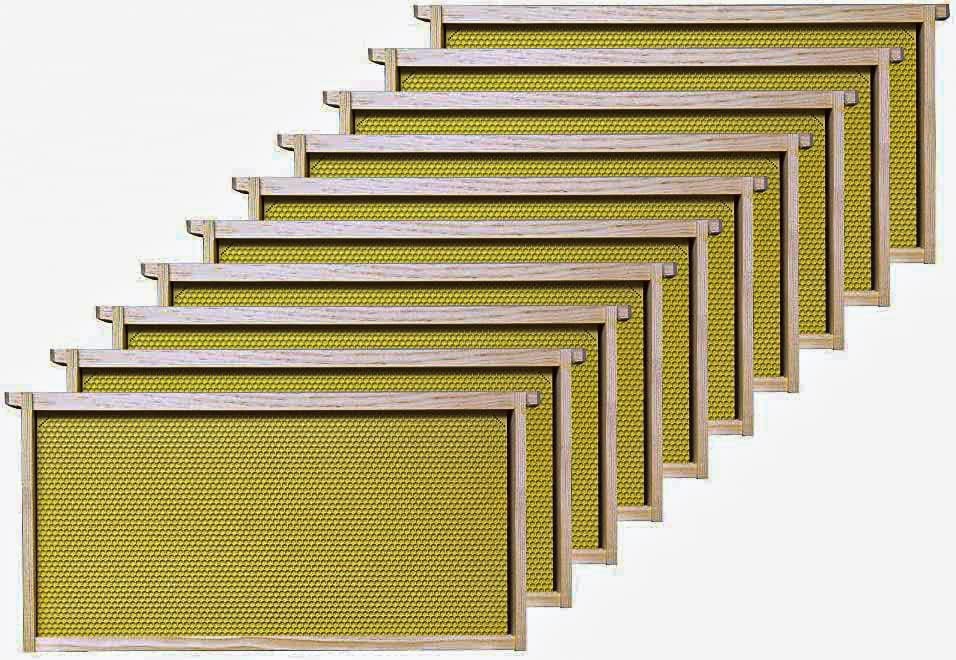
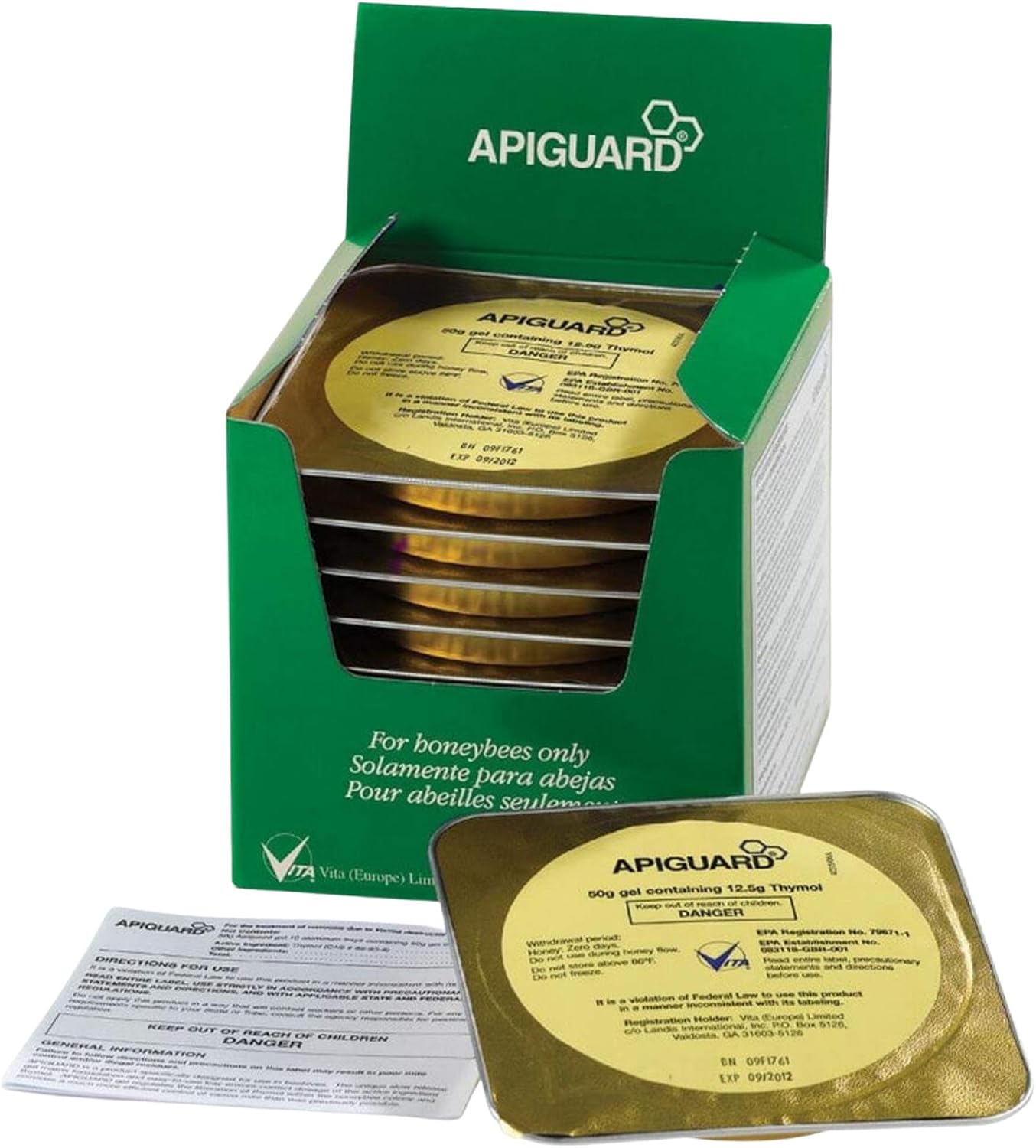
VILLAGE GIFT IMPORTERS Pollen Patty | High Protein Formula | Supplementary Feed for All Levels of Beekeepers
See current price


Popular brands in Beekeeping Supplies
Beekeeping supplies support the practical work of inspecting, maintaining, protecting, and managing a hive. The right equipment depends on your experience, hive style, climate, work routine, and whether you keep bees as a hobby or manage a larger apiary.
K-Catalog helps shoppers compare listed products by specifications and features before visiting Amazon to check current availability and make a purchase decision. Use the guidance below to narrow the options that fit your beekeeping tasks.
How to choose beekeeping supplies
Start by identifying the work you need to do. Hive inspections call for tools that help you handle frames and examine the colony carefully. Routine maintenance may require replacement hive components, feeders, covers, or other hardware. Harvesting and storage require a different set of considerations, particularly around cleanliness, capacity, and material compatibility.
Personal protection is another priority. Look for protective clothing that provides suitable coverage while allowing enough flexibility to lift equipment and work comfortably. A veil should offer clear visibility and a secure fit, while gloves should balance protection with the hand control needed for delicate tasks.
When comparing products, consider:
- The task the item is designed to support
- Compatibility with your hive dimensions and equipment
- Material quality, construction, and resistance to routine wear
- Ease of cleaning, storage, and replacement
- Adjustability and fit for protective clothing
- Whether the product is intended for occasional or frequent use
Common types of beekeeping equipment
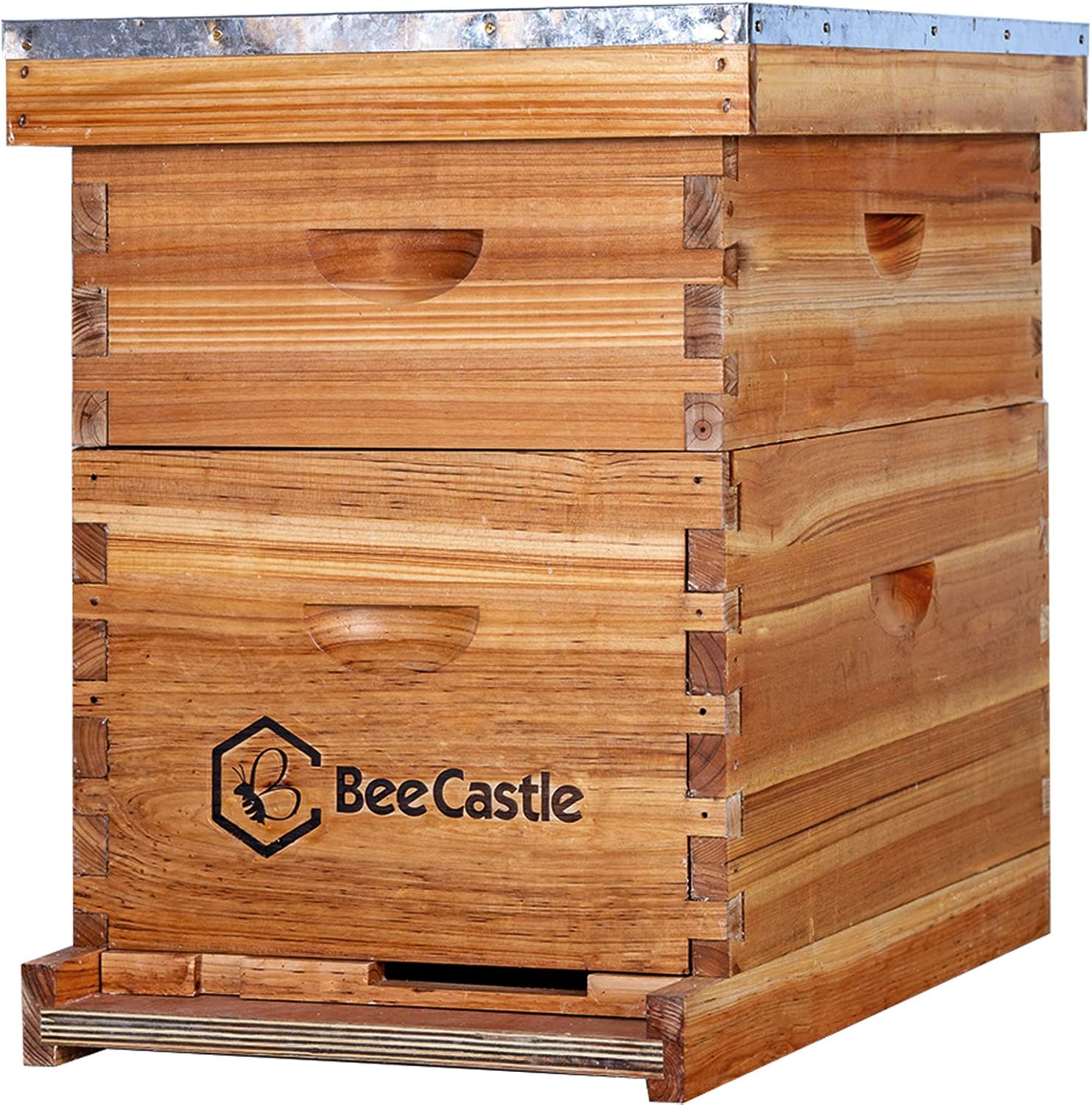
Although the catalog does not use separate subcategory pages for this group, supplies generally fall into several practical types. Hive equipment can include boxes, frames, foundation-related components, covers, stands, and replacement hardware. Check dimensions carefully, since parts that appear similar may not fit every hive configuration.
Inspection and handling tools may include frame tools, hive tools, brushes, and smokers. For these items, shoppers should compare grip design, construction, portability, and how easily each tool can be cleaned or stored between visits.
Protective gear includes suits, jackets, veils, gloves, and related accessories. Coverage, ventilation, closures, visibility, and sizing are important. Choose clothing that can be worn over the layers you normally use while still allowing a secure seal at openings.
Feeding, harvesting, and storage supplies should be evaluated for capacity, access, cleanability, and the way each item fits into the rest of the apiary workflow. If a product will contact honey or food-related materials, pay close attention to the manufacturer’s material and care information.
Key features and specifications to compare
Dimensions are among the most important specifications for hive components. Compare the product measurements with the equipment already in use, including frame size, box style, entrances, covers, and stand arrangements. A small mismatch can make installation or routine handling more difficult.
Material is also worth examining. Wood, metal, plastic, fabric, and mesh each have different cleaning, drying, durability, and storage considerations. For tools, inspect the handle and working end. For clothing, compare fabric weight, ventilation, seams, elastic, zippers, and fastening systems.
For powered or specialized equipment, review operating requirements, included accessories, maintenance instructions, and storage needs. Product descriptions can also clarify whether an item is intended for beginners, experienced beekeepers, a particular hive format, or a specific apiary task.
Brands represented in the catalog
The Beekeeping Supplies catalog includes products from BeeCastle, Mann Lake, VIVO, Sigma Lux, Natural Apiary, Honey Keeper, KINGLAKE, WEICHUAN, FOREST BEEKEEPING SUPPLY, Blisstime, BURHAIR, and Foxhound Bee Company. These brands are represented across the catalog, giving shoppers additional product pages to compare by construction, sizing, intended use, and included features. Brand familiarity should complement—not replace—a close look at the individual specifications.
Organizing an apiary supply setup
Keep protective clothing, hand tools, smokers, and replacement parts organized so they are easy to inspect before working with a hive. Store fabric gear clean and dry, and follow the care instructions for laundering or spot cleaning. Tools and hardware should be dried after cleaning to help limit corrosion or material damage.
Before ordering replacement components, compare measurements with the equipment already installed. For protective items, consult the sizing chart and measure as directed rather than relying only on a usual clothing size. If your needs extend beyond hive care, browse the broader Farm & Ranch category. Related options may also be useful in Structures & Hardware for apiary organization and Livestock Supplies for nearby farm-care needs.
Frequently asked questions
What should a beginner compare first?
Start with the equipment needed for your immediate tasks, then compare compatibility, protective coverage, materials, sizing, and care requirements. Avoid buying components without confirming the hive dimensions they support.
How important is protective clothing fit?
Fit is essential. Clothing should provide coverage without restricting movement, and closures should remain secure during normal bending, lifting, and inspection work. Always check the product sizing guidance.
What materials are common in beekeeping supplies?
Common materials include wood, metal, plastic, mesh, and protective fabrics. The best choice depends on the item, cleaning routine, expected wear, and compatibility with existing equipment.
How can hive equipment compatibility be checked?
Compare the listed dimensions and configuration with your current boxes, frames, covers, entrances, and stands. When details are unclear, consult the manufacturer’s specifications before ordering.
How should beekeeping gear be stored?
Clean and dry equipment before storage, keep fabric protection in a dry location, and organize tools so they can be checked before each use. Follow any product-specific care instructions.