

Men’s Boots: Compare Styles and Features
Explore men’s boots by construction, intended use, comfort features, and fit. Compare the specifications that matter for work, outdoor activities, travel, and everyday wear.
3,686 products in catalog
3,686 results
Filters


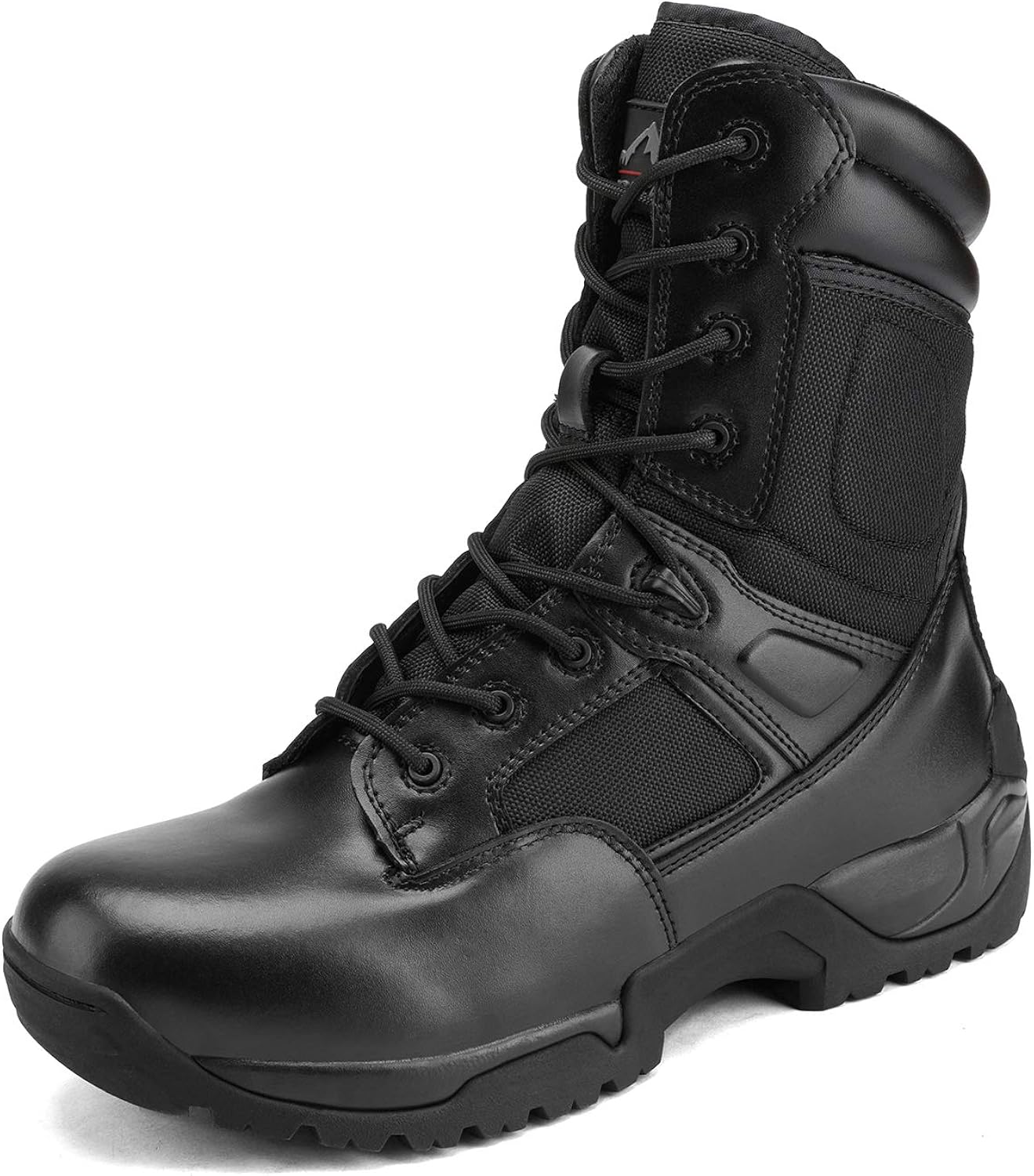
NORTIV 8
NORTIV 8 Men's Military Tactical Work Boots Side Zipper Leather Motorcycle Combat Boots (6-8 Inches)
See current price



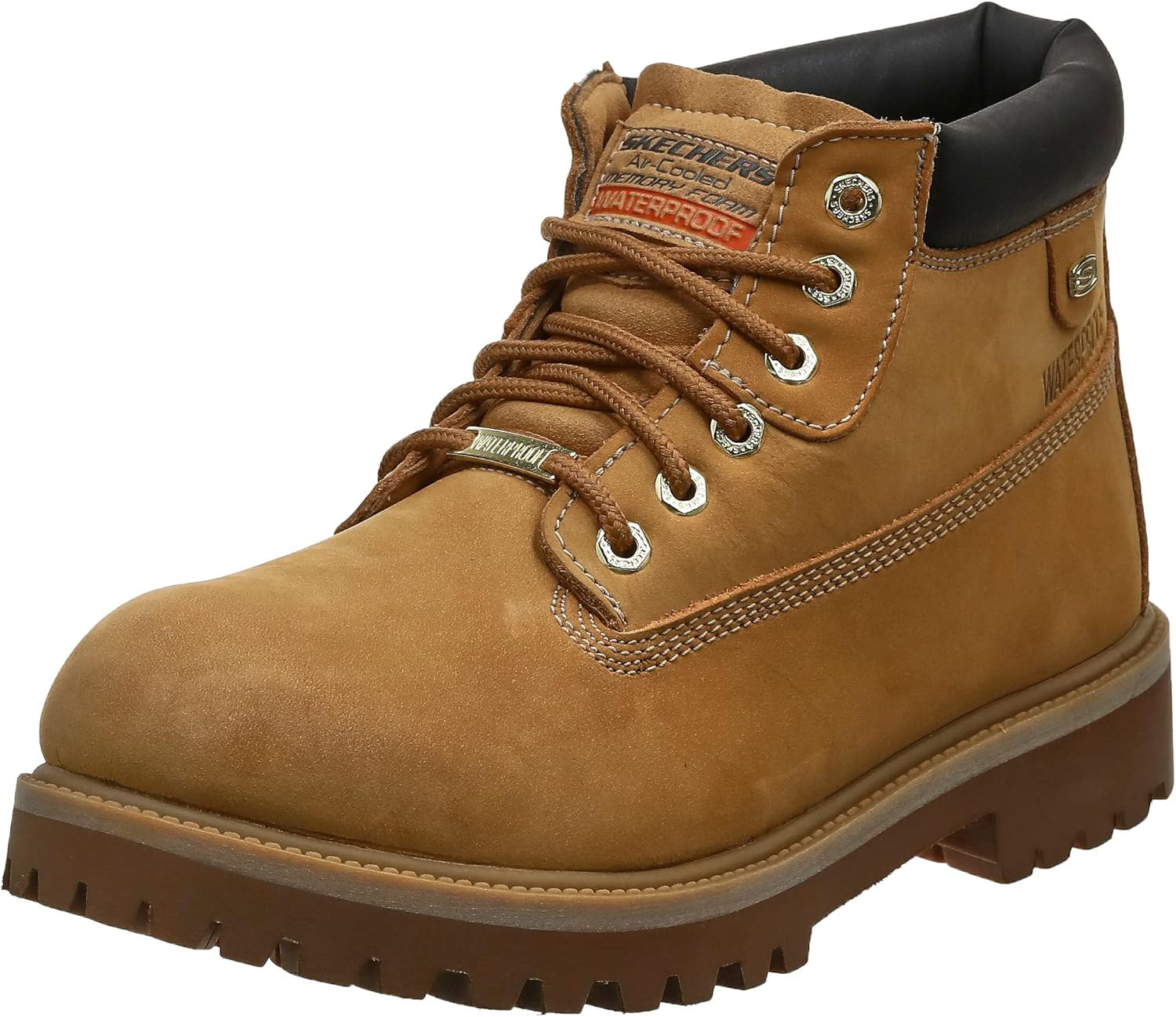
Timberland PRO
Timberland PRO 6IN Direct Attach Men's, Soft Toe, EH, WP/Insulated, MaxTrax Slip-Resistant Work Boot
See current price






Popular brands in Men
Men’s boots can serve very different purposes, from everyday outfits and commuting to job-site use, hiking, and cold-weather wear. The right pair depends on where you plan to wear it, the conditions you expect, and how much support or protection you need.
K-Catalog helps shoppers compare listed specifications and features across men’s boots before visiting Amazon for more information. Start with the intended use, then narrow your choices by materials, construction, fit, and sole design.
How to choose men’s boots
Think about your usual environment before focusing on appearance. A boot for casual city wear may prioritize flexibility and easy styling, while a work or outdoor boot may need stronger protection, more secure traction, and a supportive fit.
Consider these questions:
- Where will you wear them? Match the boot to sidewalks, trails, job sites, travel, or cold and wet conditions.
- What type of weather is likely? Look for features such as water-resistant materials, waterproof construction, insulation, or moisture-managing linings when appropriate.
- How much walking is involved? Cushioning, arch support, heel stability, and overall weight can affect comfort over long periods.
- What clothing will they complement? Work boots, Chelsea-style boots, combat-inspired designs, hiking boots, and western-influenced silhouettes create different looks.
- How should they fit? Leave enough room for your toes to move without allowing excessive heel lift. If you wear thick socks, account for them when selecting a size.
For a wider look at the category, browse the Boot Shop catalog.
Common men’s boot styles
Because this catalog does not divide men’s boots into separate subcategories, compare each product’s intended use and specifications rather than relying on the name alone.
Work and utility boots are designed around durability, stability, and protection. Compare toe construction, outsole grip, upper materials, ankle coverage, and any stated safety features. These boots may feel more structured than casual footwear, so fit and break-in expectations are important.
Hiking and outdoor boots typically emphasize traction, underfoot support, and resistance to changing conditions. Pay attention to outsole pattern, waterproofing details, cushioning, ankle height, and whether the design is intended for light day hikes or more demanding terrain.
Cold-weather boots may include insulation, weather-resistant uppers, deeper tread, and taller shafts. Check how the manufacturer describes warmth and moisture protection, and consider whether the boot accommodates the socks you normally wear in winter.
Casual and fashion boots include versatile options for everyday outfits. Compare leather or synthetic construction, shaft height, closure type, sole flexibility, and interior cushioning. A simpler design may work well across multiple outfits, while a more distinctive silhouette can make the boots a focal point.
Motorcycle and rugged lifestyle boots often use substantial uppers, ankle coverage, and firm soles. Compare the closure system and level of structure with your comfort needs, especially if you expect to wear the boots for extended periods.
Features and specifications to compare
Product pages may describe similar features in different ways, so check the full specification details where available.
- Upper material: Leather, suede, textile, and synthetic materials differ in appearance, flexibility, care needs, and resistance to moisture.
- Lining and insulation: These affect warmth, comfort, and how the boot feels with different socks.
- Outsole: Examine tread depth, rubber composition, flexibility, and the type of surface the sole is meant to handle.
- Water protection: Distinguish between water-resistant materials and fully waterproof construction when conditions are a major concern.
- Closure: Laces allow adjustment around the foot and ankle; zippers, pull tabs, and slip-on designs can make boots easier to put on.
- Cushioning and support: Look for removable footbeds, padded collars, shanks, heel cushioning, and other features that match your walking habits.
- Shaft height and opening: These affect ankle support, coverage, styling, and how easily the boot fits over or under trousers.
- Sizing information: Review the listed size system, width options, and brand guidance. Sizing can vary between designs, so measure your foot if you are unsure.
Brands represented in the catalog
The men’s boot catalog includes products from Timberland, Columbia, Sorel, UGG, Belleville Shoe Mfg. Company, Dr. Martens, GM GOLAIMAN, Bruno Marc, Rockport, HARLEY-DAVIDSON FOOTWEAR, Salomon, and NORTIV 8. These brands cover a range of outdoor, work, casual, fashion, and rugged footwear options. Compare the specifications of individual products rather than choosing by brand name alone.
Fit, care, and everyday use
Try boots with the socks you expect to wear most often. Your toes should not press against the front, and your heel should remain reasonably secure while walking. Lace-up boots can usually be adjusted in separate zones, while pull-on boots depend more heavily on the shape of the shaft and opening.
Follow the care instructions for the upper material. Leather, suede, textile, and synthetic finishes may require different cleaning methods. Allow damp boots to dry naturally, avoid excessive heat that can damage materials or adhesives, and inspect the outsole and stitching periodically if the boots see demanding use.
If a boot will be used for work, confirm that its listed protective features match your workplace requirements. For outdoor use, prioritize traction, weather protection, and support over appearance alone.
Frequently asked questions
How do I choose the right men’s boot style?
Start with the main use: work, hiking, cold weather, commuting, casual wear, or rugged activities. Then compare the features designed for that environment.
Are waterproof and water-resistant boots the same?
No. Water-resistant materials can help handle light moisture, while waterproof construction is intended to provide a higher level of protection. Check the product’s specific description.
Should men’s boots feel tight at first?
A secure fit is appropriate, but boots should not pinch your toes or create painful pressure points. Allow room for natural movement and the socks you plan to wear.
What sole is suitable for outdoor use?
Look for a tread pattern and rubber outsole described for the surfaces and conditions you expect. Deeper or more aggressive tread can be useful on uneven or slippery terrain, but flexibility and comfort also matter.
How can I compare boots for long periods of walking?
Focus on cushioning, footbed design, heel stability, weight, ankle support, and fit. A comfortable upper and appropriate sock thickness can also make a noticeable difference.
Can one pair of boots work for multiple settings?
Yes, versatile casual or outdoor designs may suit several situations. Compare their weather protection, appearance, comfort, and durability against your most frequent use before deciding.