

Bottle-Feeding Supplies for Babies
Compare bottle-feeding products by design, nipple flow, materials, compatibility, and care requirements. Explore options for everyday feeding, expressed milk, formula, and on-the-go routines.
1,445 products in catalog
1,445 results
Filters


Tommee Tippee
Tommee Tippee Closer to Nature Slow Flow Baby Bottle Nipples, Newborns+ – 2pk
See current price


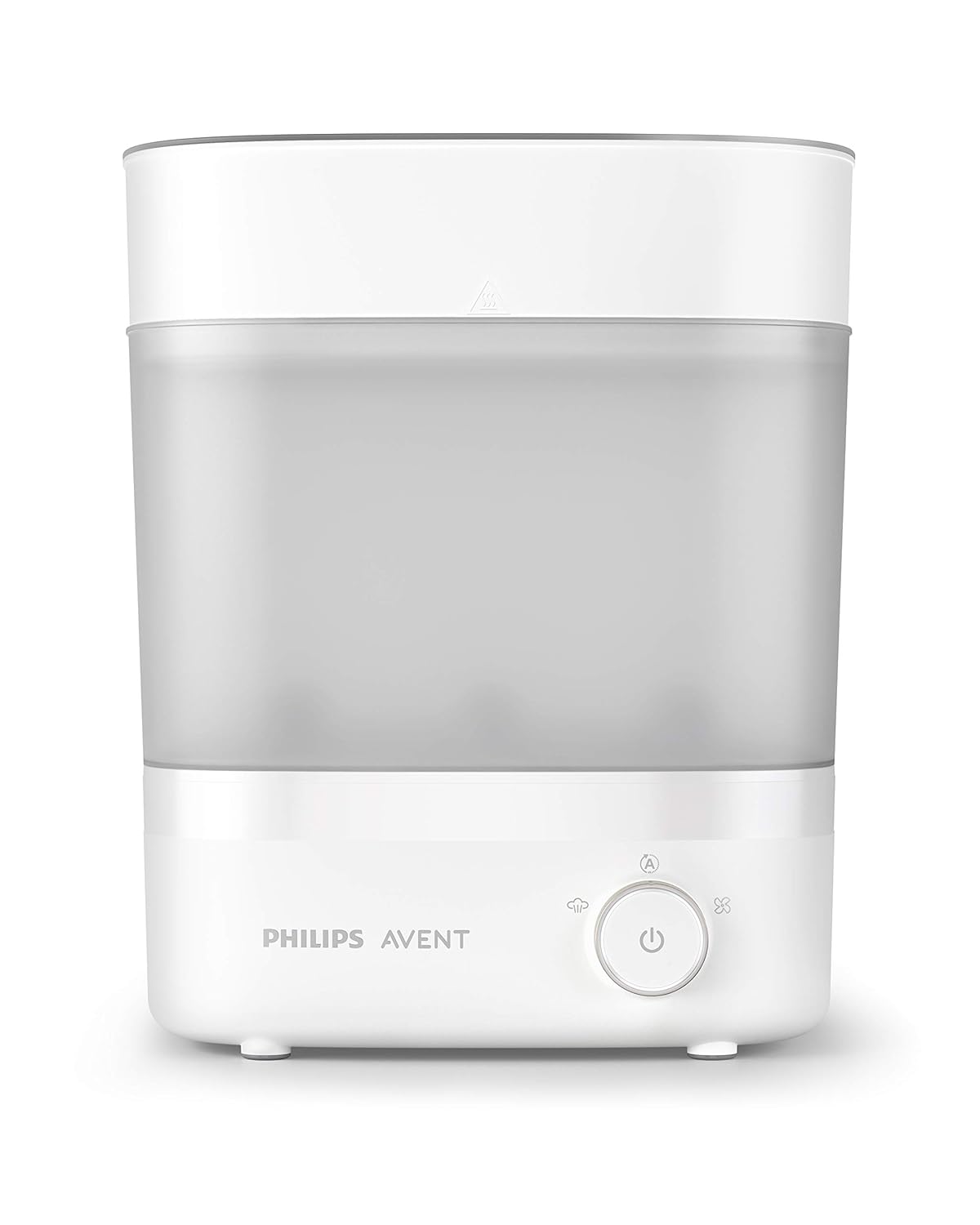

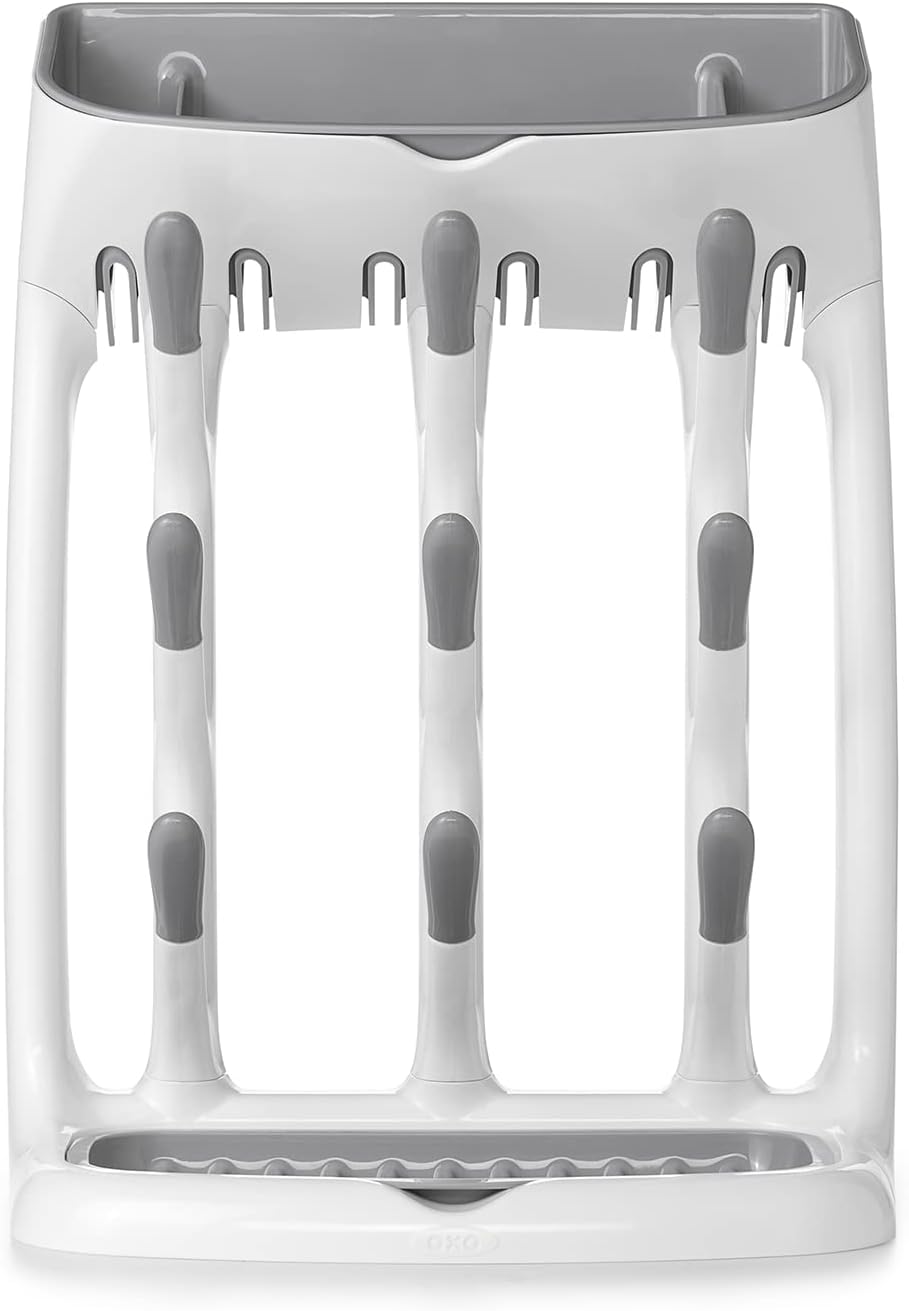
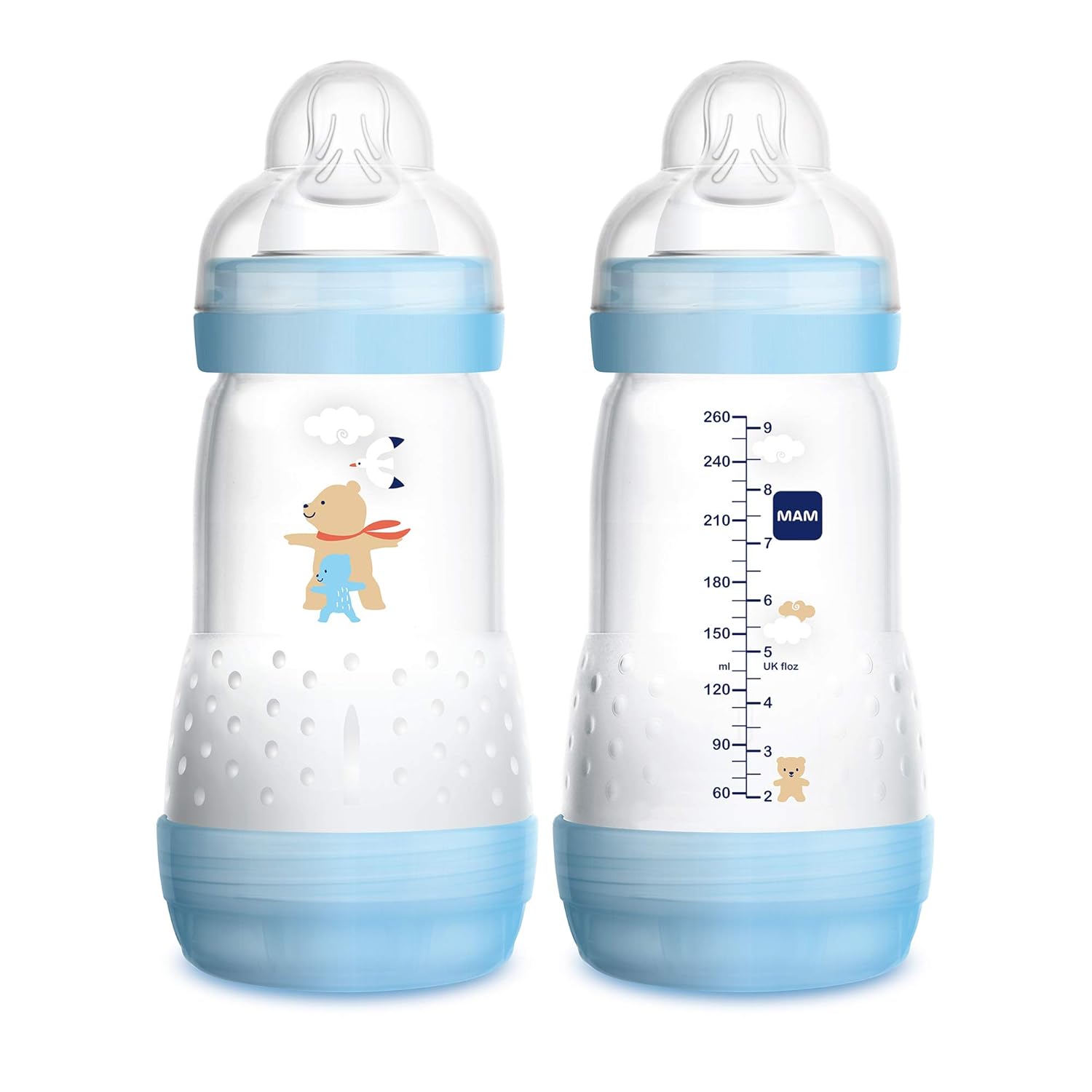


Munchkin
Munchkin® High Capacity Drying Rack and Shine™ Stainless Steel Bottle Brush
See current price


Popular brands in Bottle-Feeding
Choosing bottle-feeding products involves more than selecting a bottle shape. Nipple flow, materials, venting, capacity, cleaning, and compatibility can all affect how well a product fits your baby's feeding routine and your caregiving setup.
K-Catalog brings together bottle-feeding options so shoppers can compare specifications and features before visiting Amazon for the latest product details.
How to choose bottle-feeding products
Start with the feeding method and routine. Some families need bottles mainly for formula, while others use them for expressed breast milk or occasional supplemental feeding. If several caregivers will prepare bottles, straightforward assembly and clear measurement markings may be especially useful.
Consider these factors before narrowing your choices:
- Nipple flow: Flow levels are designed for different stages and feeding preferences. Use the manufacturer's guidance rather than choosing solely by age.
- Bottle size and shape: A compact bottle may suit shorter feeds or travel, while a larger format may reduce the need for frequent refills.
- Materials: Compare options such as plastic, glass, or other materials based on weight, durability, handling, and care instructions.
- Cleaning routine: Look at the number of parts, opening size, and whether components can be cleaned using the methods recommended by the manufacturer.
- Compatibility: Check whether nipples, collars, caps, valves, and accessories are intended to work together.
Bottle types and feeding setups
Bottle design varies considerably. Standard bottles are often a practical starting point for everyday use, while wide-neck designs may be preferred by caregivers who want a broader nipple shape. Angled or vented designs are made with different approaches to air management, so compare the construction and cleaning requirements carefully.
Some products are sold as individual bottles, while others may include multiple nipples, caps, or accessories. A coordinated set can help establish a consistent routine, but individual replacement parts may matter just as much when building a long-term setup.
For feeding beyond bottles, browse Solid Feeding when preparing for spoon-fed foods, and see Breastfeeding for products related to nursing and expressed milk.
Key features and specifications to compare
Nipple design and flow
Nipples can differ in shape, material, softness, and flow. A slower flow may be appropriate for some early feeding routines, while a faster flow may suit later stages when recommended. Always follow the product instructions and watch for signs that the nipple flow is not working well for the baby.
Vents and air-management systems
Some bottles include vents, valves, or other components intended to manage air during feeding. These systems can add parts to the cleaning process, so compare the potential convenience with the effort required to disassemble, wash, and reassemble them correctly.
Measurement and handling
Graduation markings should be easy to read and appropriate for the way bottles are prepared. Shape, grip, cap design, and leak-resistant construction can also affect how practical a bottle is for caregivers, diaper bags, and nighttime use.
Accessories and replacement parts
Check what is included and which components can be replaced. Bottles are easier to maintain when nipples, caps, rings, and valves are readily matched to the same system. Avoid assuming that parts from different product lines are interchangeable.
Brands in the catalog
The Bottle-Feeding catalog includes products from Dr. Brown's, Philips AVENT, Philips, Munchkin, Tommee Tippee, Playtex, NUK, OXO, Nuby, Evenflo Feeding, Medela, and Boon. These brands may offer different bottle formats, nipple designs, accessory systems, and care instructions, so compare the specifications of individual products rather than relying on the brand name alone.
Cleaning, storage, and everyday safety
Follow the manufacturer's instructions for washing, sanitizing, drying, and storing each bottle and its components. Small valves and nipple openings can retain residue, so inspect them during cleaning and make sure parts are fully dry before storage.
Check nipples, seals, caps, and bottles regularly for wear, clouding, cracks, stretching, or other damage. Replace components according to the manufacturer's guidance or sooner if they no longer appear to be in good condition. Prepare and store formula or expressed milk according to current professional guidance, and do not use a bottle or accessory in a way that conflicts with its instructions.
For related cleanup and mealtime needs, Bibs & Burp Cloths can help with feeding messes, while Food Storage covers storage-oriented products. Families moving toward table foods can also compare Highchairs & Booster Seats and Baby Foods.
Frequently asked questions
How do I choose the right nipple flow?
Compare the manufacturer's flow guidance with the baby's feeding stage and behavior. If feeding seems unusually difficult, fast, or frustrating, consult a pediatric professional and review the nipple instructions.
Are all bottle parts interchangeable?
No. Compatibility can vary by bottle line, size, and component design. Confirm that nipples, rings, caps, and valves are made for the specific bottle system.
Which bottle material should I choose?
Compare plastic, glass, and other available materials by weight, durability, handling, and care requirements. The best fit depends on the caregiver's routine and preferences.
How many bottle-feeding accessories are needed?
The useful selection depends on feeding frequency, washing access, travel, and whether bottles are shared between caregivers. Compare sets with individual products and consider replacement parts.
How should bottles be cleaned?
Follow the product's care instructions, fully disassemble removable parts, clean each component, and allow everything to dry thoroughly before reassembly and storage.