

Bread & Dough: Frozen Loaves, Rolls and Dough
Compare frozen bread and dough by format, ingredients, preparation requirements, dietary needs, and storage. K-Catalog helps you review product specifications before visiting Amazon.
152 products in catalog
152 results
Filters
Availability
Brand
Price
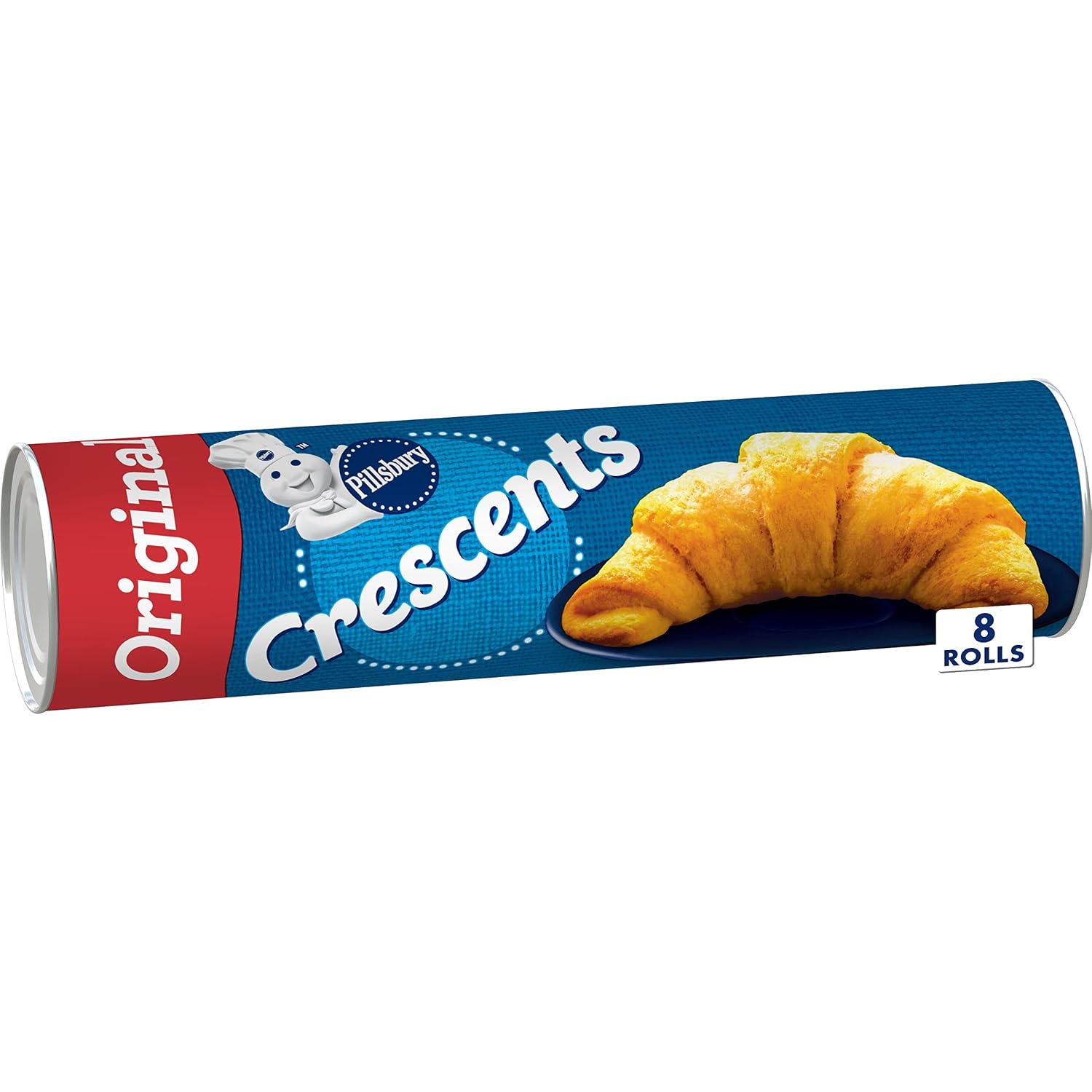


Pepperidge Farm Inc
Pepperidge Farm, Texas Toast, Garlic, 8 slices, 11.25 oz (Frozen)
See current price

365 By Whole Foods Market
365 by Whole Foods Market, Bagels Everything 6 Count, 18 Ounce
See current price


365 By Whole Foods Market
365 by Whole Foods Market, Bread Sprouted Wheat Honey Oat Organic, 22 Ounce
See current price

SOLA
SOLA Non GMO & Keto Certified Bread, Golden Wheat, 1g Net Carb, 14 OZ Loaf (3 Pack)
See current price


T MARZETTI - FROZEN
New York Texas Toast, Garlic Toast with Cheese, 13.5 oz (Frozen)
See current price
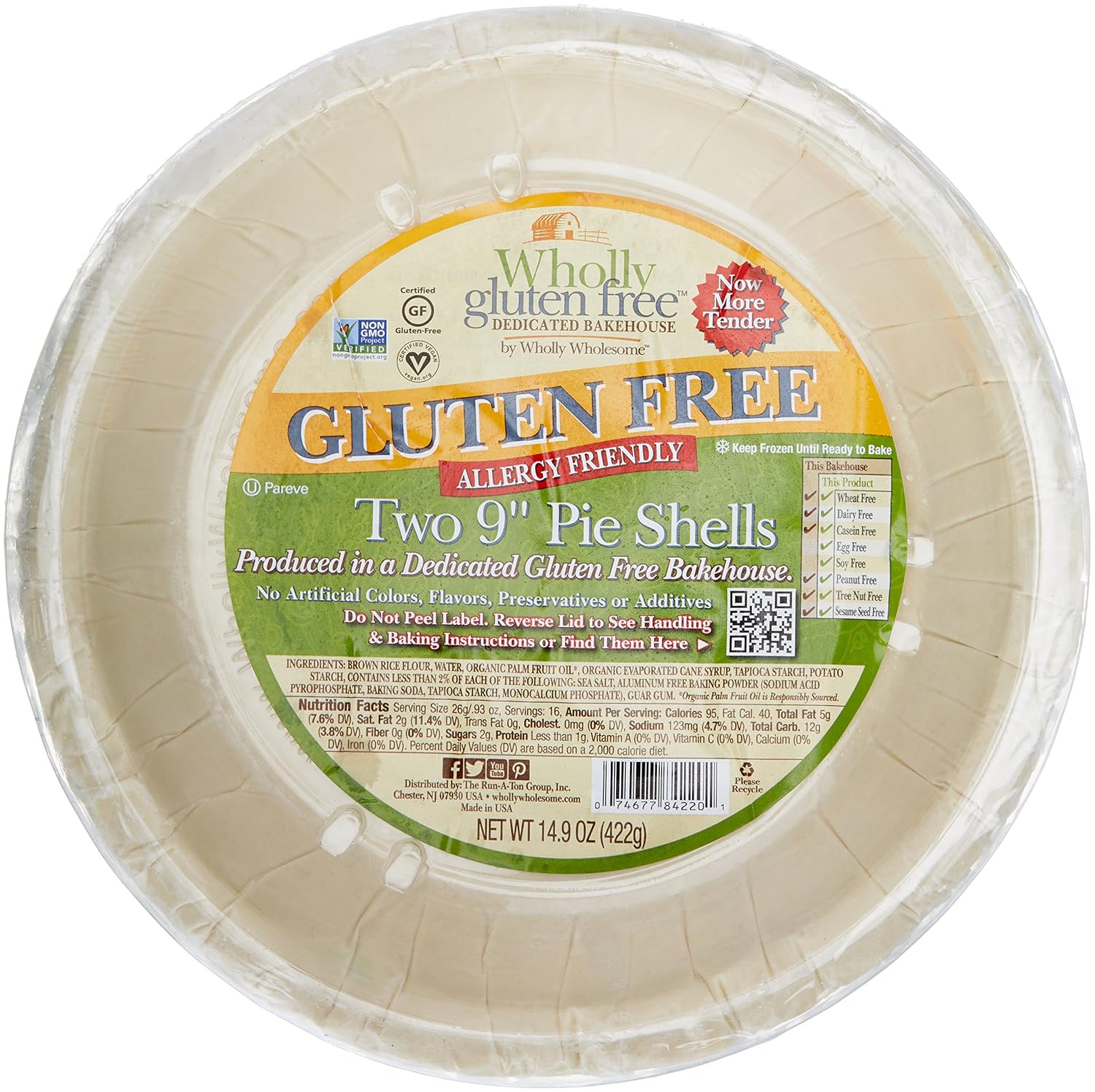


365 By Whole Foods Market
365 by Whole Foods Market, Bread Sourdough California, 24 Ounce
See current price


365 By Whole Foods Market
365 by Whole Foods Market, Pizza Crust Cauliflower Gluten And Grain Free, 8 Ounce
See current price

365 By Whole Foods Market
365 by Whole Foods Market, Bread Sprouted Whole Wheat Organic, 22 Ounce
See current price
Popular brands in Bread & Dough
Frozen bread and dough can make everyday meals, snacks, and baking projects more convenient. The category may include ready-to-heat baked goods as well as dough that needs proofing, shaping, or baking, so the preparation instructions matter as much as the ingredient list.
Use the product details to compare formats, serving plans, dietary preferences, and freezer requirements. A product suited to quick breakfasts may not be the right choice for a planned baking project, while dough intended for a specific recipe may offer more flexibility than a fully baked loaf.
How to choose frozen bread and dough
Start by deciding how you want to use the product. Ready-to-eat or heat-and-serve bread is generally the simplest option for sandwiches, toast, sides, or quick meals. Frozen dough can be more useful when you want freshly baked results and have time to follow preparation instructions.
Consider these questions before choosing:
- What format fits the meal? Look for loaves, rolls, biscuits, flatbreads, or other formats that match the way you plan to serve them.
- How much preparation is involved? Check whether the product needs thawing, proofing, shaping, baking, or only reheating.
- How will it be stored? Confirm that your freezer has enough room and that the package can be kept securely sealed after opening.
- What ingredients should be avoided? Review allergen statements and ingredient details rather than relying only on the product name.
- How much do you need at once? Package size and individual portions can affect waste, convenience, and serving flexibility.
Common types to compare
Frozen bread products vary considerably in their level of preparation. Fully baked products are convenient when speed is the priority. Rolls and individual portions can work well for family meals or packed lunches, while larger loaves may be more practical for slicing and sandwiches.
Frozen dough is a different choice. It may require a longer preparation window, but it can suit shoppers who prefer to bake closer to serving time. Compare the instructions carefully, since thawing and proofing requirements can influence both the schedule and the final texture.
Biscuits and similar breakfast or side-dish products may be selected for quick preparation, while flatbreads can be useful for wraps, pizzas, or meal accompaniments. Check the intended cooking method and whether the product is designed for an oven, toaster, or another appliance before purchasing.
Key features and specifications
The ingredient panel is one of the most useful comparison points. Look for details about flour or grain ingredients, sweeteners, oils, preservatives, and other components that matter to your household. If a particular eating plan is important, verify the full nutrition and allergen information for the specific product.
Preparation instructions deserve close attention. Compare the recommended temperature, cooking time, thawing directions, and whether the product should be cooked from frozen. For dough, check proofing guidance and any notes about shaping or rise time. These details help determine whether the product fits your available equipment and schedule.
Also compare package format and portioning. Individually separated pieces may be convenient when you need only part of a package, while a larger format may be preferable for regular household use. Packaging instructions can also explain how to reseal or store unused portions.
Brands represented in the catalog
The Bread & Dough catalog includes products from 365 By Whole Foods Market, Conagra, Food For Life, Vermont Bread, Julian Bakery, Mason Dixie Biscuit Co., Great Low Carb Bread Co., Silver Hills Bakery, General Mills, Calise Bakery, and Coles. Amazon.com Services, Inc. is also represented in the catalog.
These brands cover a range of bread and dough styles, ingredients, and preparation approaches. Treat brand name as a starting point rather than a substitute for checking the individual listing. Formulation, package format, and instructions can differ between products from the same company.
Planning, storage, and preparation tips
Make freezer space before ordering, especially for products in larger or less flexible packaging. Keep frozen bread and dough stored according to the package directions, and avoid repeatedly thawing and refreezing products unless the instructions specifically allow it.
For dough, plan backward from serving time. Account for thawing, proofing, baking, and cooling rather than focusing only on the oven time. Use the package directions as the primary guide because preparation needs vary by product.
For baked bread, allow the product to cool or rest as directed before slicing. Store leftovers in the manner recommended on the package to help maintain texture. If you have dietary restrictions or food allergies, inspect the current listing and packaging information every time, since formulations and labeling can change.
If you are planning a larger frozen-food order, you can also browse Pizza, Meals & Entrees, Meats, Vegetables, Seafood, and Ice Cream & Novelties. The broader Frozen category can help you continue comparing related freezer items.
Frequently asked questions
Is frozen bread ready to eat?
Some frozen bread is fully baked and only needs thawing or reheating, while other products require baking. Check the preparation instructions for the specific listing.
What is the difference between frozen bread and frozen dough?
Frozen bread has typically already been baked, whereas frozen dough still needs steps such as thawing, proofing, shaping, and baking. The product instructions determine the exact process.
How can I choose bread for a dietary need?
Review the complete ingredient list, nutrition information, and allergen statement. Do not rely solely on terms in the product title or front-of-package description.
What should I check before buying frozen dough?
Confirm the required thawing and proofing time, cooking temperature, equipment, package size, and storage instructions. Make sure the preparation process fits your schedule.
Can frozen bread be used for more than sandwiches?
Yes. Depending on the format, it may work for toast, breakfast plates, side dishes, wraps, snacks, or meal accompaniment. Compare the product shape and preparation method with your intended use.