
Car Seats for Infants, Toddlers, and Children
Compare car seats by child fit, installation method, size, and everyday features. Use the catalog to review specifications and find options suited to your vehicle and routine.
578 products in catalog
578 results
Filters





Evenflo
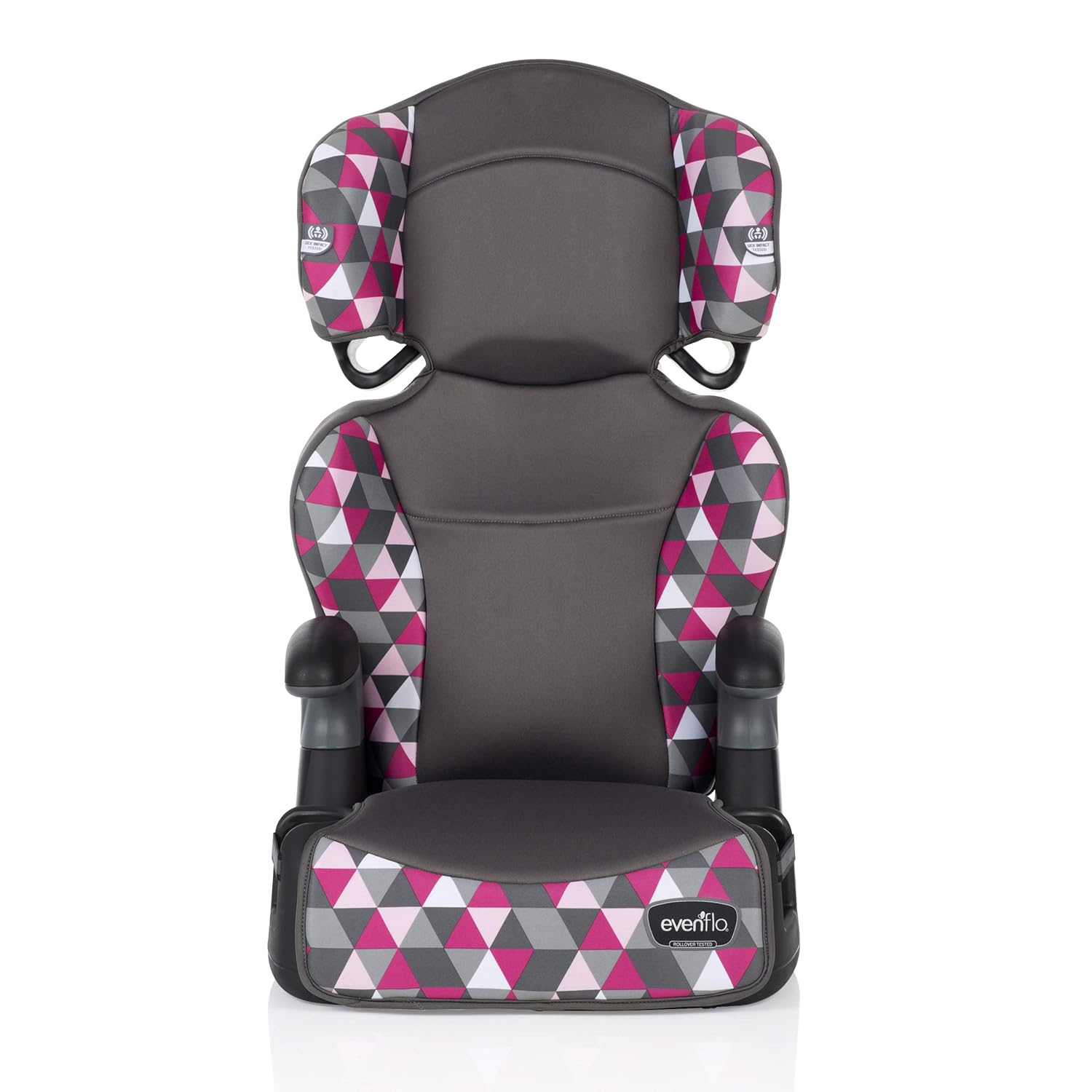
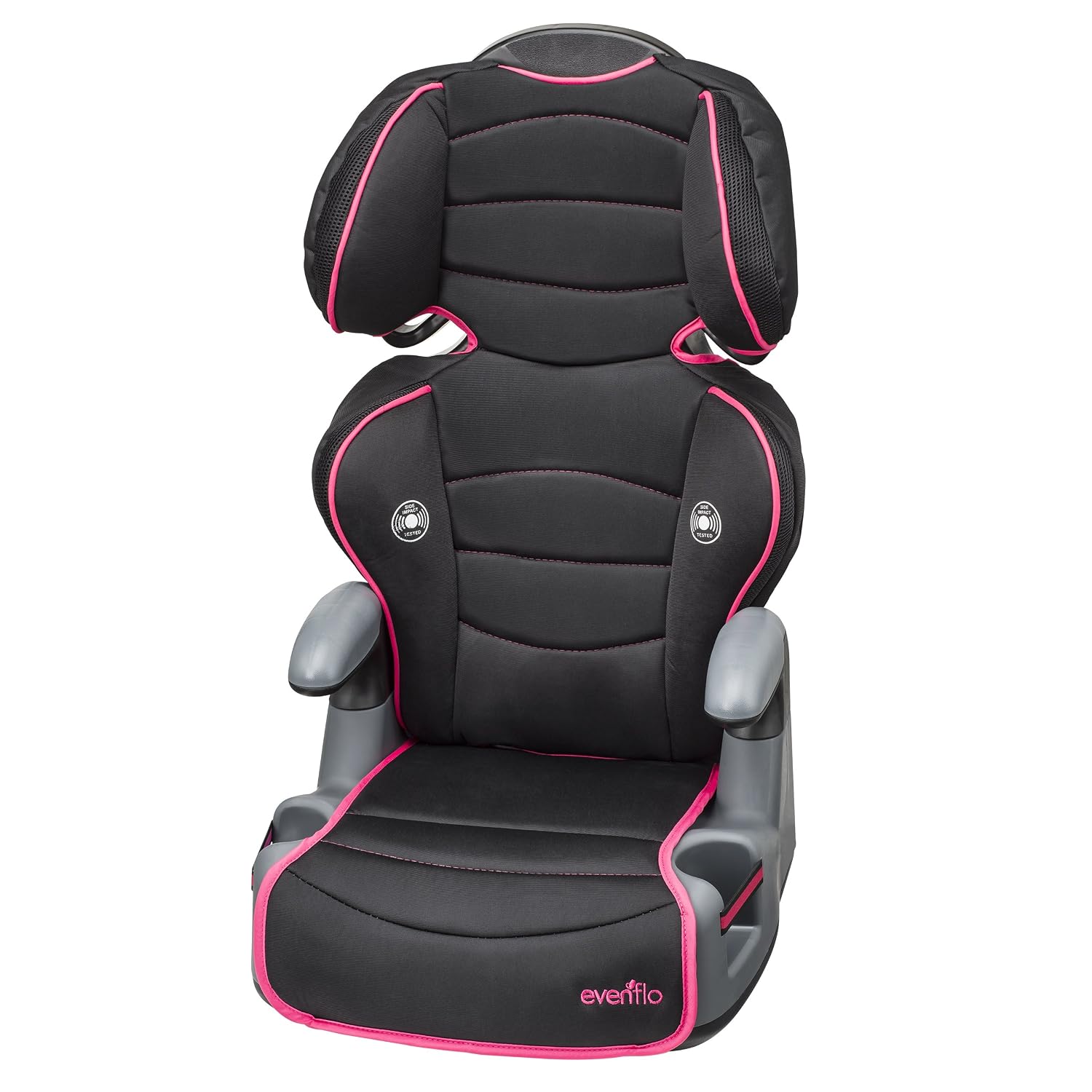
Evenflo Big Kid Highback 2-in-1 Belt-Positioning Booster Car Seat, Bristol Pink
See current price



Evenflo
Evenflo Big Kid AMP High Back Car Seat Booster, Green Angles (Discontinued by Manufacturer)
See current price

Evenflo
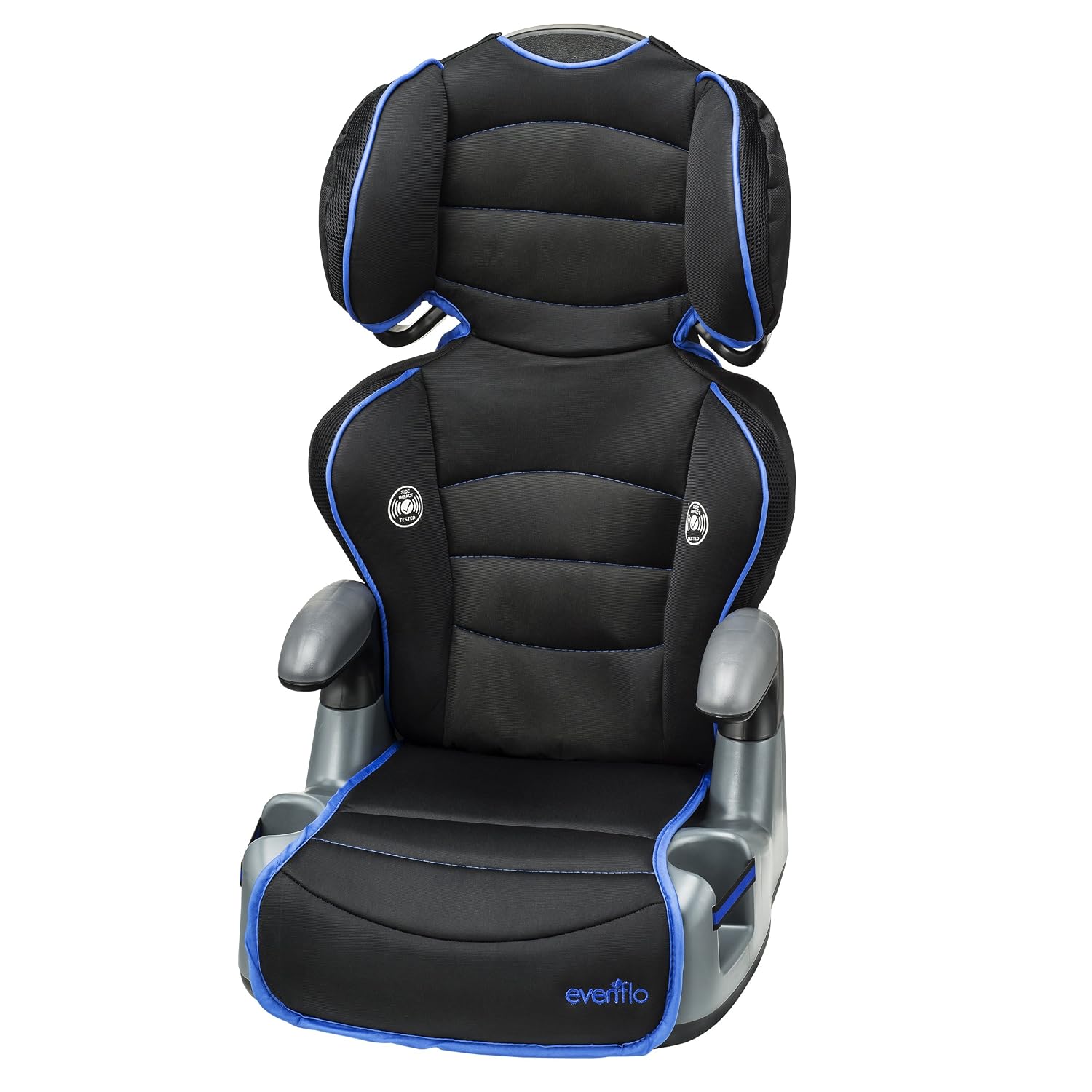
Evenflo Big Kid Highback 2-in-1 Belt-Positioning Booster Car Seat, Boston Blue
See current price


Popular brands in Car Seats
Choosing a car seat means balancing child fit, vehicle compatibility, installation, and convenience. The right option should match the child’s current size and developmental stage while working securely in the vehicle where it will be used.
K-Catalog helps shoppers compare listed specifications and features across car seats. For broader shopping, browse the Car Seats & Accessories category or explore Accessories for related products.
How to choose a car seat
Start with the child’s height, weight, and age guidance in the manufacturer’s specifications. These limits vary by seat, so compare the product details rather than relying on a general label such as “infant” or “toddler.” A seat that accommodates more than one stage may be useful, but a specialized seat can sometimes be easier to carry or configure for a particular need.
Also consider who will install and move the seat. A heavier seat may be less convenient to transfer between vehicles, while a compact design can leave more room for passengers or other car seats. If several caregivers use the vehicle, look for an installation approach that everyone can follow consistently.
Main types of car seats
Infant car seats
Infant seats are designed for babies and typically use a rear-facing configuration. Many are selected for their portability and compatibility with a dedicated base, although the exact base and stroller features depend on the product. Check whether the seat includes the components needed for your intended setup.
Convertible car seats
Convertible seats can generally be used in more than one direction as a child grows, subject to the manufacturer’s height and weight limits. They can reduce the need to replace a seat during early childhood, but their larger frame may be less convenient to move between vehicles.
All-in-one car seats
All-in-one designs aim to cover several stages, potentially including rear-facing, forward-facing, and booster use. Compare the adjustment range, installation requirements, harness configuration, and overall size. A broad usage range does not automatically mean the seat will be the best fit for every vehicle.
Booster seats
Booster seats are intended for children who have outgrown a harnessed seat but still need help positioning the vehicle’s seat belt correctly. Compare the listed fit requirements, belt-routing design, back style, and whether the seat is intended for use with a lap-and-shoulder belt.
Features and specifications to compare
- Installation method: Check whether the seat uses lower anchors, a vehicle seat belt, or both, and review the instructions for the specific installation method.
- Harness adjustments: Look at harness height, buckle placement, padding, and how easily the system can be adjusted as the child grows.
- Size and weight: Measure the available seating area and consider front-to-back space, width, and seat weight—especially when using multiple seats.
- Recline positions: Recline settings can affect fit and comfort, but the permitted positions may vary by mode and child size.
- Cleaning: Removable or washable covers can make routine care easier. Check which parts may be removed and how they should be cleaned.
- Travel features: If the seat will be moved often, compare carrying handles, folding elements, portability, and compatibility with other travel equipment where specified.
- Expiration and replacement guidance: Review the manufacturer’s care, service-life, and replacement information before selecting a seat for long-term use.
Brands represented in the catalog
The catalog includes car seats from Graco, Evenflo, BRITAX, Chicco, Diono, Safety 1st, Maxi-Cosi, Cosco, Mifold, Baby Trend, Disney, and Peg Perego. These brands may cover different seat types, sizes, installation systems, and design priorities, so compare individual product specifications rather than choosing by brand name alone.
Installation and everyday-use tips
Read the product manual and vehicle manual before installation. Confirm that the seat sits firmly, follows the permitted recline and direction settings, and does not interfere with nearby belts or other occupants. If a seat is moved between vehicles, reinstall it carefully rather than assuming the previous setup transfers unchanged.
Inspect the harness, buckle, cover, and base regularly for damage or missing parts. Avoid adding aftermarket cushions, inserts, or accessories unless the manufacturer identifies them as compatible. Keep the seat’s labels and instructions available so height, weight, cleaning, and replacement guidance can be checked as the child grows.
Frequently asked questions
Should an infant use a rear-facing car seat?
Follow the seat’s instructions and applicable local requirements. Compare the rear-facing height and weight limits, and keep the child rear-facing for the period recommended by the manufacturer and safety authorities.
Is a convertible seat better than an infant seat?
Neither is universally better. An infant seat may suit families who value portability, while a convertible seat may suit those seeking a longer-use option. Compare fit, size, installation, and daily handling.
How do I know whether a car seat will fit my vehicle?
Check the seat’s dimensions, required installation method, recline needs, and available vehicle space. Confirm compatibility in both the vehicle manual and the car seat instructions.
Can one car seat be used in multiple vehicles?
It may be possible if each vehicle supports the required installation method and the seat can be installed correctly. Recheck the fit every time it is moved.
When should a car seat be replaced?
Review the manufacturer’s expiration, damage, and replacement guidance. A seat may also need replacement after a qualifying collision or if important parts, labels, or instructions are missing.