

Carriers & Accessories for Baby Travel
Compare baby carriers and accessories by carrying style, fit, support, and everyday practicality. Explore specifications to find options suited to newborn care, outings, travel, or active use.
411 products in catalog
411 results
Filters


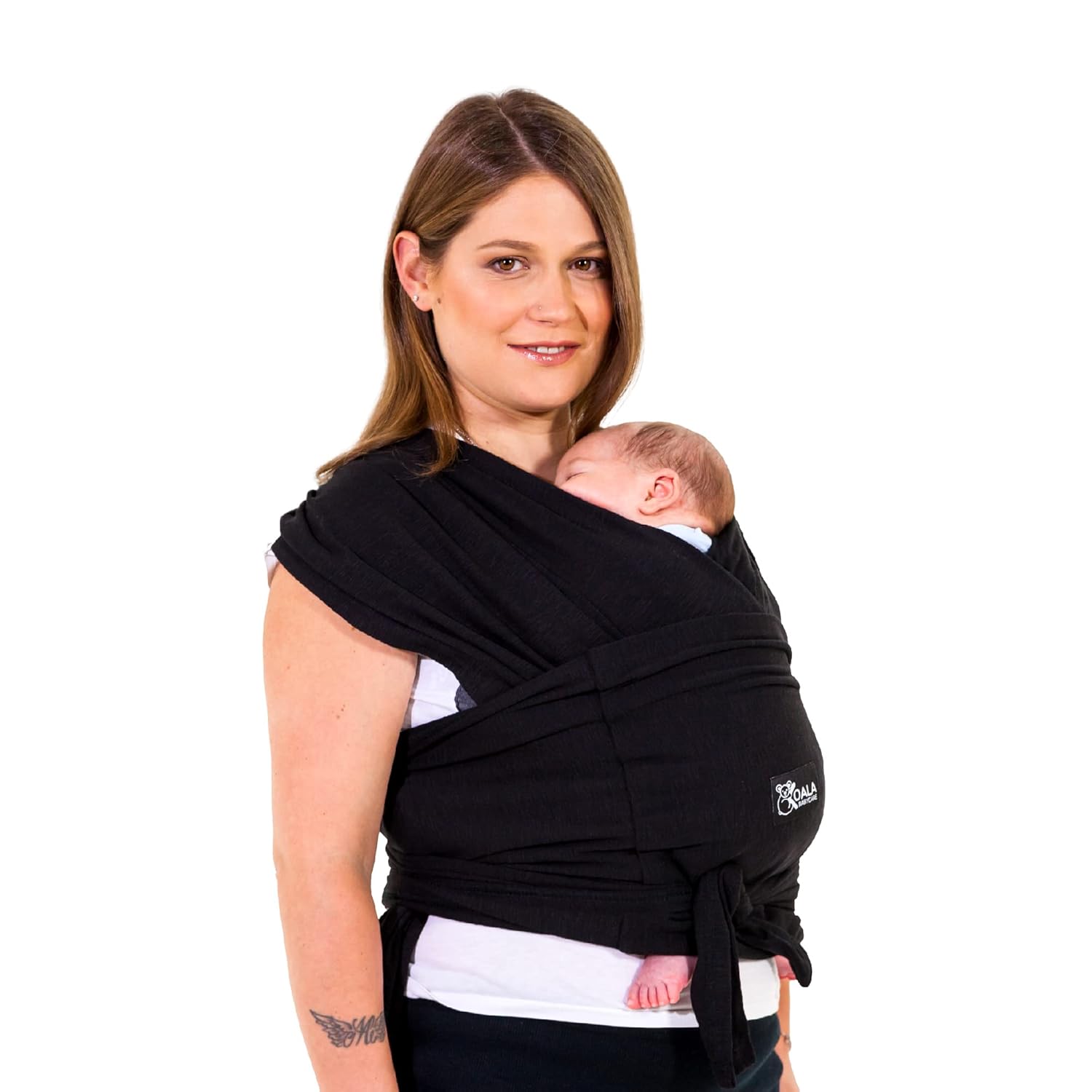


Ergobaby
Ergobaby Embrace Cozy Newborn Baby Wrap Carrier (7-25 Pounds), Ponte Knit, Pure Black
See current price


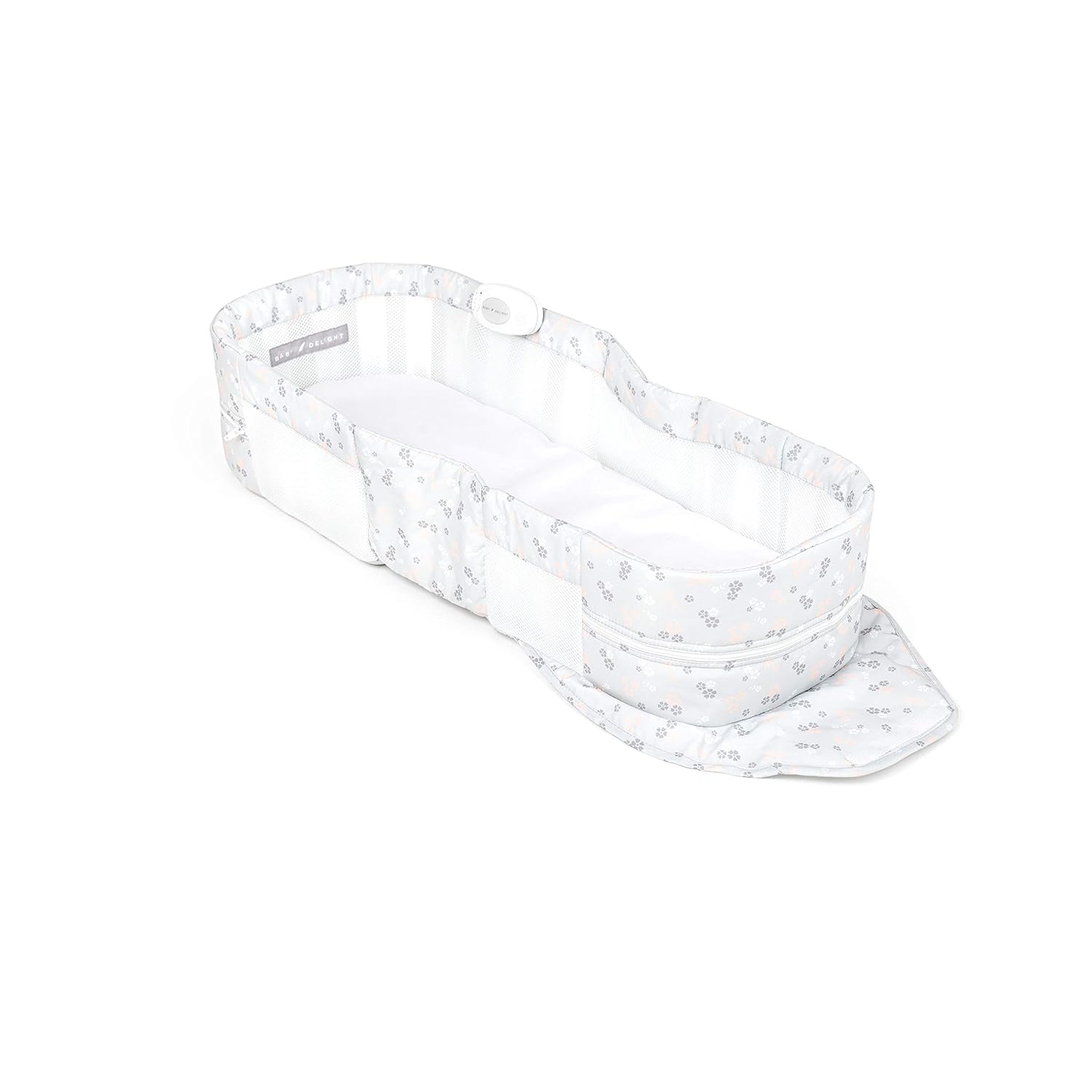
Baby Delight
Baby Delight Snuggle Nest Harmony Portable Infant Lounger | Unique Patented Design | Floral
See current price


Popular brands in Carriers & Accessories
Choosing a baby carrier involves more than selecting a style. The right option should support your child appropriately, feel comfortable for the wearer, and work with the routines where it will be used. Accessories can add convenience, weather protection, storage, or coverage during outings.
K-Catalog helps shoppers compare listed specifications and features across carriers and related baby travel products. Before choosing, consider your child’s size and developmental stage, the carrying positions allowed, how the carrier adjusts, and how easily it can be cleaned or transported.
How to choose a baby carrier
Start with fit and support. A carrier should hold your child securely while allowing the wearer to maintain a comfortable, balanced posture. Look for adjustable straps, waist belts, panels, or seating areas that can be adapted as your child grows, when the product specifications indicate those features.
Your own comfort matters as much as the carrier’s design. Padded shoulder straps, lumbar support, a supportive waistband, and adjustable load distribution may be useful for longer walks. For quick errands, a lighter and simpler carrier may be easier to put on and remove.
Also consider how the carrier will be used:
- Daily errands: prioritize easy adjustment, straightforward access, and compact storage.
- Hands-free household use: look for a secure fit and a design that distributes weight comfortably.
- Travel: consider packability, washable materials, and compatibility with your usual clothing.
- Outdoor walks: check for supportive construction, sun or weather coverage, and practical storage.
Common carrier styles
Carrier construction affects both the wearing experience and the learning curve. Soft wraps and slings can be flexible and close-fitting, while structured carriers may offer more defined support and adjustment points. Some designs are intended for front carrying, while others may support hip or back carrying when the child meets the stated requirements.
When comparing products, check the manufacturer’s recommended child size, weight range, carrying positions, and minimum age. Do not assume that similar-looking carriers have the same limits or adjustment options.
For additional travel planning, browse the broader Travel Gear category. Related products such as Shopping Cart Covers and Travel Beds may also help with specific outings, though they serve different purposes from a wearable carrier.
Features and specifications to compare
Product pages may differ considerably in the details they provide. Focus on specifications that affect fit, safety, comfort, and convenience:
- Adjustability: Examine shoulder straps, waist belts, buckles, panels, and leg-position adjustments.
- Carrying positions: Confirm whether the design supports front, hip, or back carrying and under what conditions.
- Child support: Look for information about head and neck support, seat design, and the recommended developmental stage.
- Materials: Consider softness, breathability, padding, fabric feel, and whether the materials suit warm or cool conditions.
- Care: Check washing instructions, removable components, and drying requirements before choosing a carrier for frequent use.
- Storage and portability: A foldable design, included pouch, or accessible pocket may be useful when traveling.
- Coverage: Hoods, covers, or panels can help with shade and privacy, but they should not obstruct airflow or visibility.
Accessories should be judged by compatibility as well as appearance. Check attachment methods, dimensions, intended carrier type, and whether the accessory is designed for a particular season or use case.
Brands represented in the catalog
The catalog includes products from Ergobaby, BabyBjörn, moby, TULA, LILLEbaby, Infantino, Boba, Three Little Tots, Osprey, The Peanut Shell, Solly Baby, and SUNVENO. Brand names can help narrow a comparison, but the most suitable choice depends on the individual product’s specifications, fit adjustments, materials, and care instructions.
Compare products within the same brand as well as across brands. A familiar brand may offer several construction styles, so the product details are more useful than the brand name alone when deciding between options.
Fit, care, and safety reminders
Read the product instructions before first use and follow the stated age, size, weight, and carrying-position guidance. Make sure all fasteners are fully secured, inspect fabric and hardware regularly, and check that your child’s face and airway remain visible and unobstructed. A carrier should not replace attentive supervision.
For a better fit, adjust the carrier while standing securely and begin with shorter periods of use. Recheck the fit when changing layers of clothing or switching between wearers. Follow the care label, especially for structured products with padding, buckles, or removable supports.
Frequently asked questions
What type of baby carrier should I choose?
Choose based on the carrying positions you need, your child’s size and developmental stage, how often you will wear the carrier, and which adjustment features feel practical for the wearer.
Can one carrier be used from infancy through toddlerhood?
Some carriers are designed to adjust across multiple stages, while others have narrower requirements. Check the specific product’s minimum age, weight range, and support instructions rather than assuming a carrier is suitable for every stage.
Are baby carriers suitable for travel?
Many can be useful for travel because they leave the wearer’s hands free. For trips, compare packability, comfort during extended wear, washing instructions, and whether the carrier works with the clothing and activities planned.
What should I look for in carrier accessories?
Check whether the accessory fits the carrier, how it attaches, what conditions it is intended for, and whether it adds useful coverage, storage, warmth, or convenience without affecting visibility or airflow.
How should a baby carrier be cleaned?
Follow the product’s care instructions. Washing methods vary by fabric, padding, buckles, and removable components, so avoid using a cleaning method that is not approved for the specific carrier.