![Plantronics Voyager 510 Bluetooth Headset [Retail Packaging] (Discontinued by Manufacturer)](https://m.media-amazon.com/images/I/41XB1238FJL._AC_.jpg)
Plantronics
Plantronics Voyager 510 Bluetooth Headset [Retail Packaging] (Discontinued by Manufacturer)
See current price

Compare cell phone headsets by fit, microphone design, Bluetooth compatibility, comfort, and controls. Use the specifications to narrow down options for work, driving, travel, and everyday calls.
26 products in catalog
26 results
Plantronics
See current price
![Jawbone Noise Shield Bluetooth Headset (Black) [Retail Packaged]](https://m.media-amazon.com/images/I/31F4cMqjdEL._AC_.jpg)

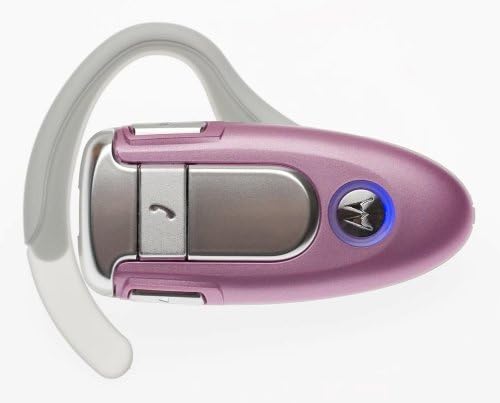
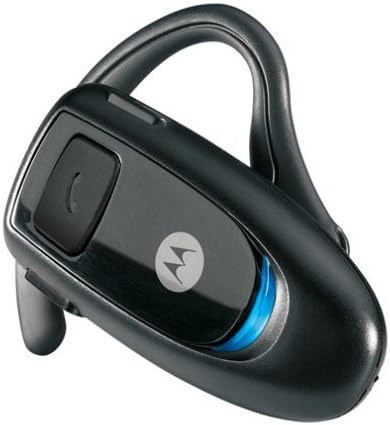
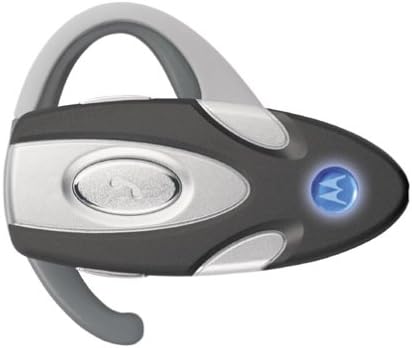
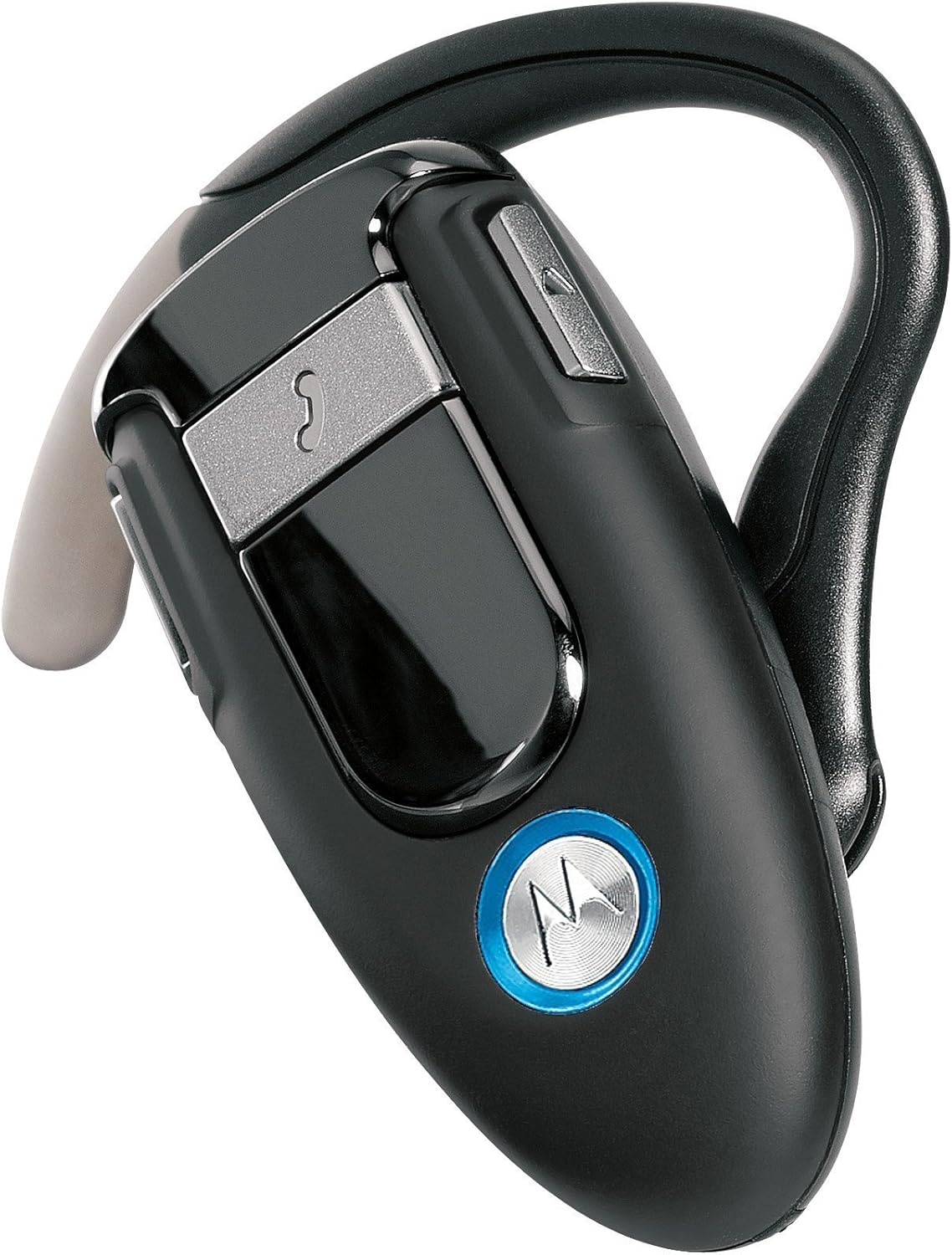
Motorola
See current price


Motorola
See current price

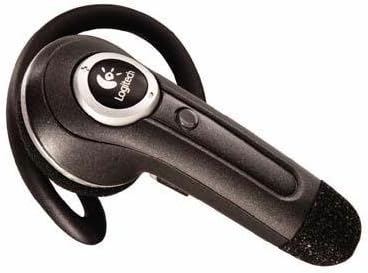


Cell phone headsets provide a hands-free way to manage calls and, depending on the model, listen to music, podcasts, navigation prompts, or other phone audio. The right choice depends on how you plan to use the headset, how long you will wear it, and which phone or devices you need to connect.
This category sits within Bluetooth, so wireless connectivity is central to the selection process. Compare the listed specifications and features carefully, since headsets can differ substantially in design, controls, microphone setup, and intended use.
Start with your primary use. A headset for occasional calls may prioritize a compact design and straightforward controls, while a headset for work or frequent conversations may need a comfortable fit, a clear microphone, and battery capacity suited to longer sessions.
Consider these questions before comparing individual products:
Cell phone headsets are available in several form factors, each with practical advantages and trade-offs.
Single-ear headsets leave one ear open to surrounding sounds. They can be useful for calls during work or travel when awareness of nearby conversations and activity matters.
In-ear headsets are compact and easy to carry. Fit is especially important because ear shape varies, and an insecure or uncomfortable fit can become distracting during extended use.
On-ear and over-ear headsets generally use a larger frame and may be preferable for users who want a more substantial wearing style. Compare the headband, ear cushions, weight, and adjustment range when comfort is a priority.
Some models are designed primarily for calls, while others are intended for both calling and general audio. Product descriptions and specifications can help clarify whether a headset’s controls and audio features match your needs.
Bluetooth compatibility: Check the listed Bluetooth version or compatibility information against the devices you plan to use. A headset may connect to a phone but offer different functionality with computers or other equipment.
Microphone design: Microphone placement affects convenience and may influence how clearly your voice is captured. Boom microphones are more prominent, while built-in microphones can support a less noticeable profile. Look for any listed microphone or call-management features rather than assuming they are included.
Battery and charging: Compare the manufacturer’s stated talk time, listening time, standby information, charging method, and charging duration where provided. Actual use can vary based on settings, connected devices, and usage patterns.
Controls: Review whether the headset includes buttons or touch controls for answering calls, ending calls, muting, changing volume, or controlling audio. Control placement matters when you want to operate the headset without reaching for your phone.
Fit and comfort: Look for adjustable components, included ear pieces, cushioning, and the overall wearing style. A lightweight design may be helpful for long calls, but the best fit depends on personal preference and how securely the headset stays in place.
Noise-related features: Some products list noise reduction, noise cancellation, or environmental-noise management. Check the exact feature description and distinguish between reducing sound picked up by the microphone and reducing sound heard by the wearer.
The catalog includes cell phone headsets from Motorola, Shan, Jawbone, Plantronics, logitech, Cardo Systems, and Jabra. These brands may offer different designs and feature sets, so comparing specifications within the category is more useful than choosing by brand name alone. Pay attention to the product’s fit, connectivity details, microphone configuration, and intended use.
Before selecting a headset, confirm that your phone supports the connection type listed for the product. If you plan to switch between a phone and a computer, check whether the headset supports the type of device switching you need rather than assuming every Bluetooth model handles it in the same way.
For frequent calls, consider how the headset’s controls work while it is being worn. A clear mute function and easy call controls can be more valuable than extra audio features in a work setting. For travel or commuting, portability, charging convenience, and a secure fit may deserve more attention.
Keep the microphone and speaker openings free from dust and debris, and follow the manufacturer’s charging and cleaning instructions. Store a compact headset in a case or protected compartment when possible, and check the fit again if you change ear tips or other included accessories.
Compatibility depends on the phone’s supported connection standards and the headset’s specifications. Check both devices before buying, especially if the headset will also be used with a computer or tablet.
The best style depends on personal fit and preference. Compare weight, ear pressure, cushioning, adjustability, and the manufacturer’s wearing guidance for extended use.
A boom microphone may be preferred by users who want a more prominent microphone position, but performance depends on the headset’s design and listed microphone features. Compare the specifications rather than relying on the form factor alone.
Look for listed controls for answering calls, ending calls, muting, adjusting volume, and managing audio. Confirm which controls are supported with your specific phone or device.
Battery life matters most when you use the headset away from a charger or for long calls. Compare the stated talk time, listening time, charging method, and charging duration with your routine.