

Condiments & Salad Dressings
Compare condiments and salad dressings by flavor, ingredients, texture, dietary preferences, and intended use. Explore catalog listings to find options suited to everyday meals, recipes, and entertaining.
1,155 products in catalog
1,155 results
Filters


Hidden Valley
Hidden Valley Original Ranch Seasoning and Salad Dressing Mix, 16 Ounce
See current price


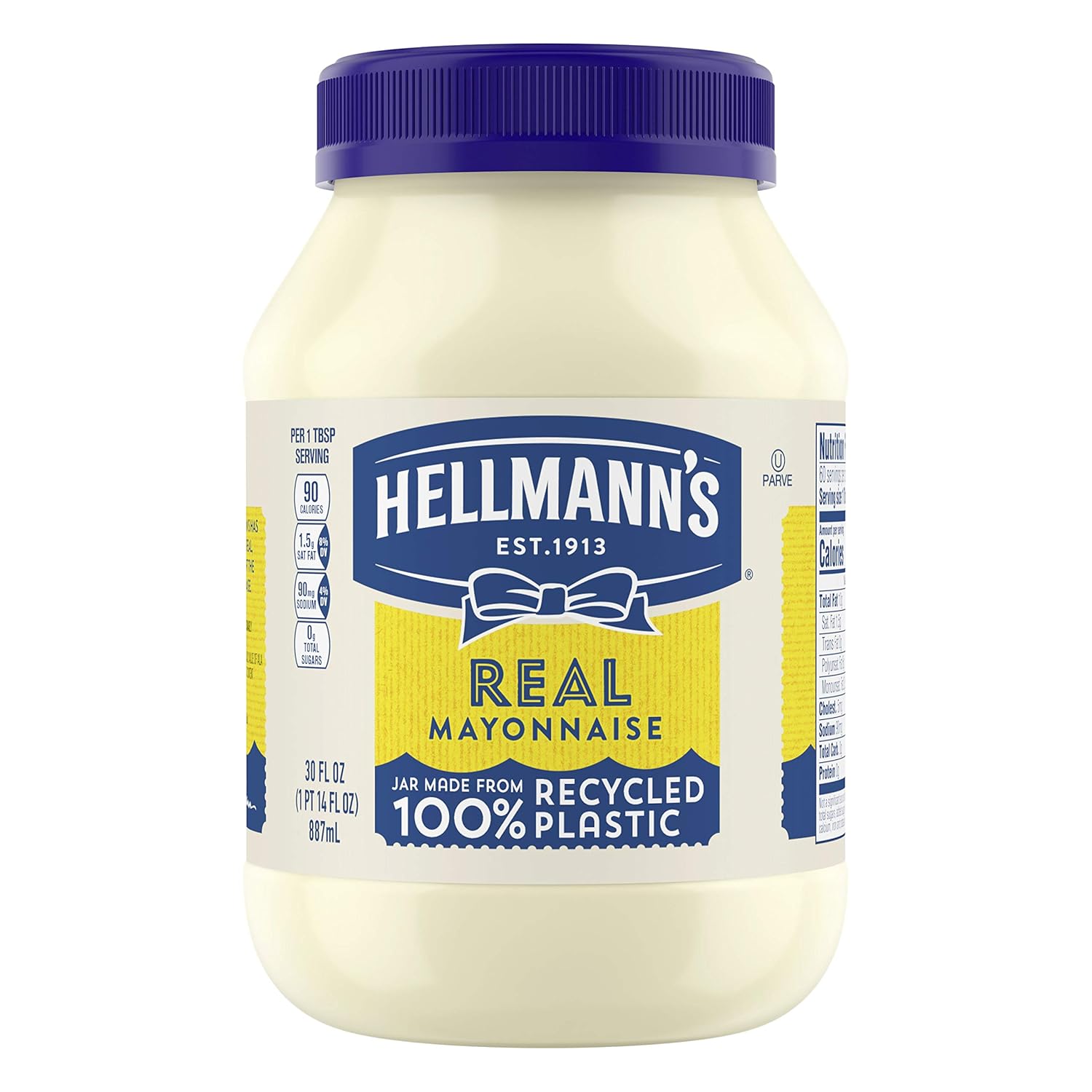

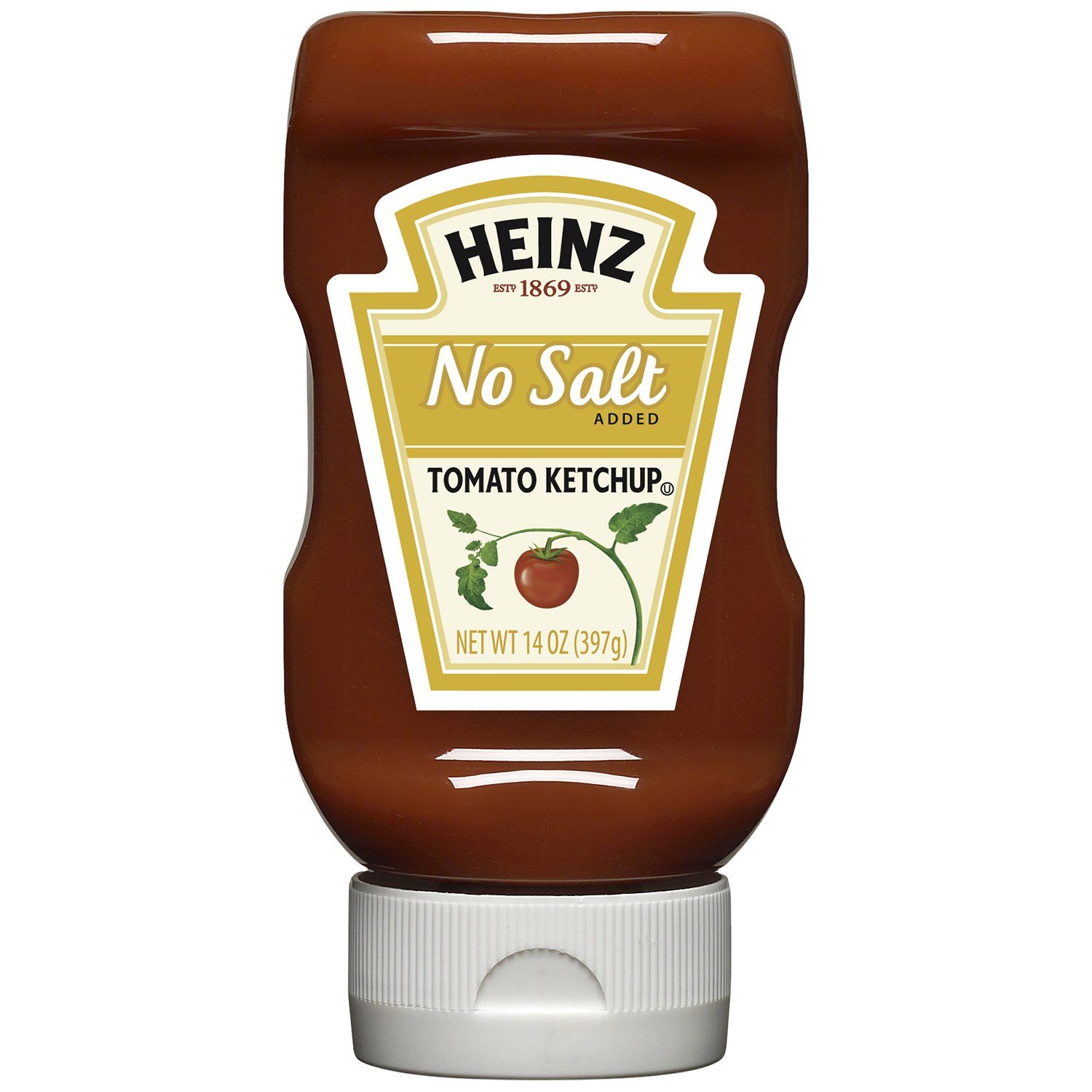


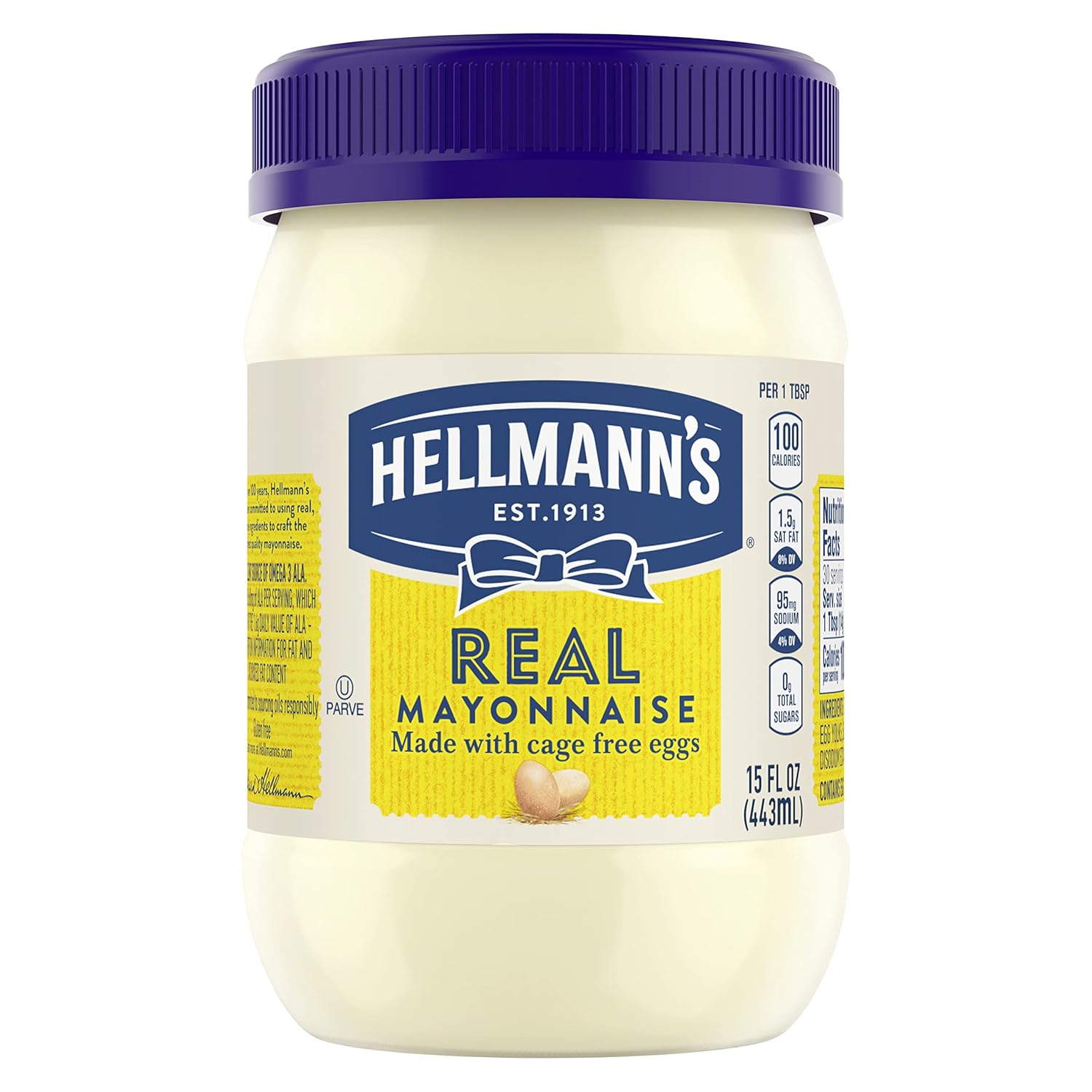


Popular brands in Condiments & Salad Dressings
Condiments and salad dressings can add moisture, acidity, sweetness, heat, or a distinctive finishing flavor to a meal. This category includes familiar staples for sandwiches and salads as well as specialty options for dipping, marinating, cooking, and serving.
When comparing products, start with how you plan to use them. A dressing for leafy greens may need a pourable texture, while a spread or dipping sauce may work better when it is thicker. Ingredient lists, allergen statements, package size, and storage instructions can help narrow the selection.
How to choose condiments and dressings
Think about the meals and serving occasions you have in mind before choosing a product. A versatile condiment can be useful for sandwiches, burgers, wraps, vegetables, and snacks, while a more distinctive dressing may be better suited to a specific salad or recipe.
Consider these factors:
- Flavor profile: Compare savory, tangy, creamy, sweet, smoky, spicy, and herb-forward options.
- Texture: Decide whether you want a smooth spread, a pourable dressing, a chunky blend, or a thicker dip.
- Ingredients: Check the ingredient list for oils, sweeteners, vinegars, dairy ingredients, eggs, preservatives, and flavorings as relevant to your preferences.
- Dietary requirements: Look for label information that aligns with vegetarian, vegan, gluten-free, allergen-conscious, or other dietary needs, and verify the package details before purchasing.
- Container design: Bottles, jars, squeeze containers, and single-serving formats offer different levels of convenience and control.
Common types to compare
Condiments and dressings cover several useful formats. Mayonnaise-style spreads are often chosen for sandwiches, salads, and creamy sauces. Mustard-based products can provide sharpness or heat, while ketchup-style condiments generally add sweetness and acidity. Relishes, chutneys, and other textured toppings can bring contrast to sandwiches, grilled foods, and snack plates.
Salad dressings may be creamy, oil-based, vinegar-forward, or built around herbs and spices. Some are designed primarily for greens, while others can also work as dips, marinades, grain-bowl toppings, or ingredients in recipes. Reading the product description and serving suggestions can clarify the intended use.
For complementary pantry ingredients, browse Pantry Staples, or compare nearby options in Sauces, Gravies & Marinades.
Key specifications and label details
The front label can help identify the general style, but the nutrition panel and ingredient list provide more useful comparison points. Check serving information, fat and sodium content, added sugars, and any details that matter for your eating preferences. Product descriptions may also identify whether an item is intended for dipping, spreading, mixing, or cooking.
Packaging and storage deserve attention as well. Look for the package format that suits your household and check whether refrigeration is required after opening. If a product is being purchased for a recipe, confirm that its flavor and consistency match the dish rather than assuming similar products will perform the same way.
For recipes that need extra flavor, compare this category with Herbs, Spices & Seasonings and Cooking & Baking.
Brands represented in the catalog
The catalog includes products from Sun Maid, Kraft-Heinz, Unilever, McCormick & Company, Inc., Conagra, 365 By Whole Foods Market, Walden Farms, Hidden Valley, Primal Kitchen, Amazon.com Services LLC., B&G Foods, and Kraft. Brand availability can vary by product type and listing, so compare the specific ingredients, format, and package information for each option rather than relying on the brand name alone.
Practical shopping tips
If you are stocking a pantry, prioritize flavors that work across several meals. For occasional entertaining or packed lunches, container size and ease of serving may matter more. A squeeze bottle can make portioning convenient, while a jar may be useful for thicker spreads or recipes that call for spoonfuls.
For a complete meal plan, consider how the condiment will pair with the other ingredients. A rich dressing may balance crisp vegetables, while a sharp or spicy condiment can add contrast to mild proteins, grains, or sandwiches. Related pantry categories such as Canned, Jarred & Packaged Foods and Pasta & Noodles can help when selecting ingredients for broader meal preparation.
Frequently asked questions
What is the difference between a condiment and a salad dressing?
A condiment is generally served as a topping, spread, dip, or flavor accent, while a salad dressing is formulated primarily to coat salad ingredients. Some products can serve both purposes.
How do I choose a dressing for a salad?
Match the dressing’s flavor and texture to the ingredients. Creamy dressings can complement sturdy vegetables, while vinaigrette-style options may suit leafy greens, grains, or lighter salads. Check the product description for suggested uses.
What should I check for dietary restrictions?
Review the full ingredient list, allergen information, nutrition panel, and any relevant package claims. Formulations can differ between products, so verify the specific listing and label.
Does packaging affect which condiment is best?
It can. Squeeze containers may make serving and portioning easier, while jars can suit thicker products and recipe use. Choose a format that matches how frequently and where you plan to use it.
Can salad dressing be used for more than salads?
Many dressings can also work as dips, marinades, sandwich toppings, or sauces, depending on their flavor and consistency. Confirm the product’s suggested uses before substituting it in a recipe.