
Anastasia Stephen (Author)
BIG Letter Tracing for Preschoolers and Toddlers ages 2-4: Homeschool Preschool Learning Activities for 3 year olds
See current price

Compare curriculum support materials for planning lessons, reinforcing skills, and organizing classroom instruction. Review formats, subject coverage, grade fit, and practical features before choosing.
204 products in catalog
204 results
Anastasia Stephen (Author)
See current price
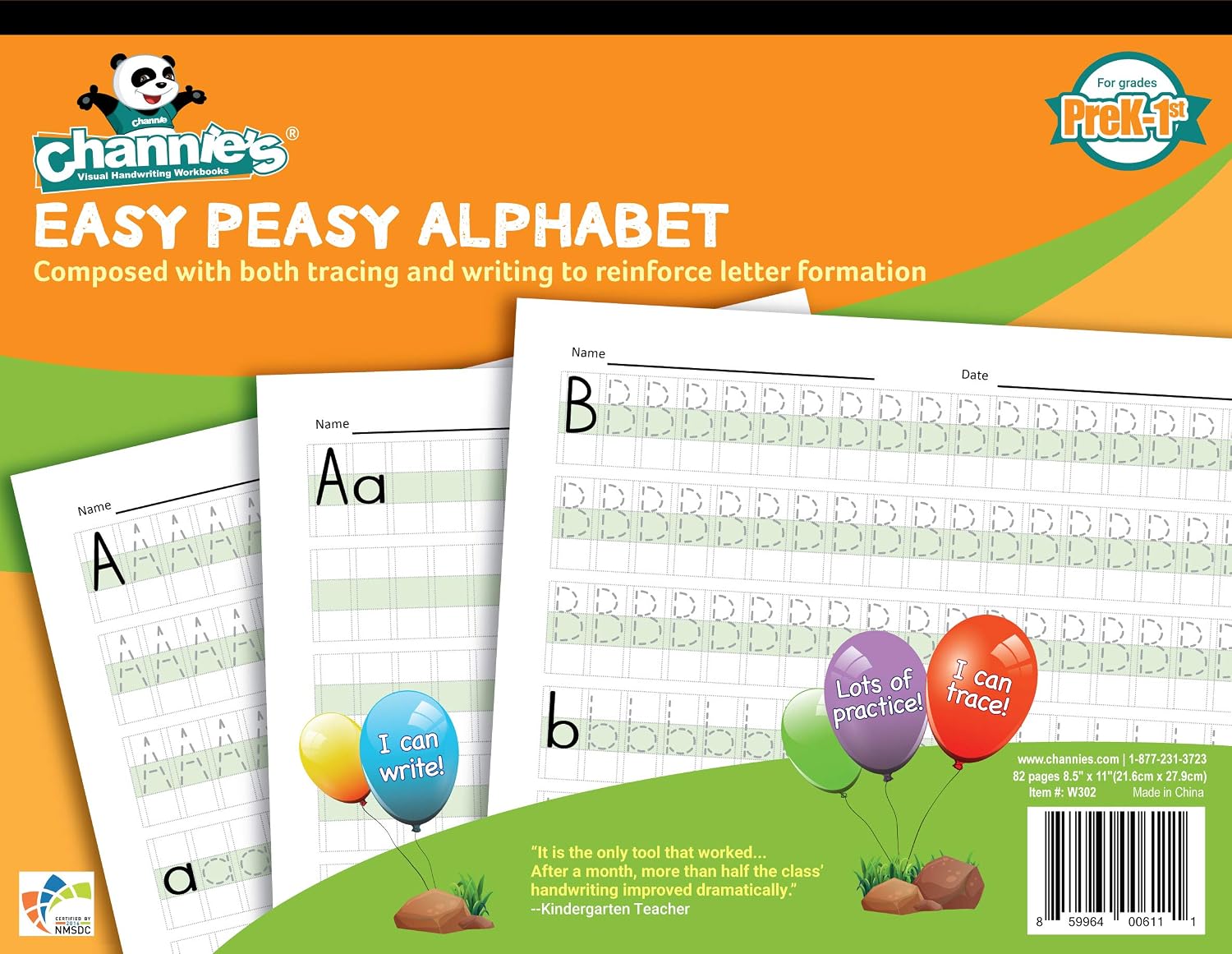

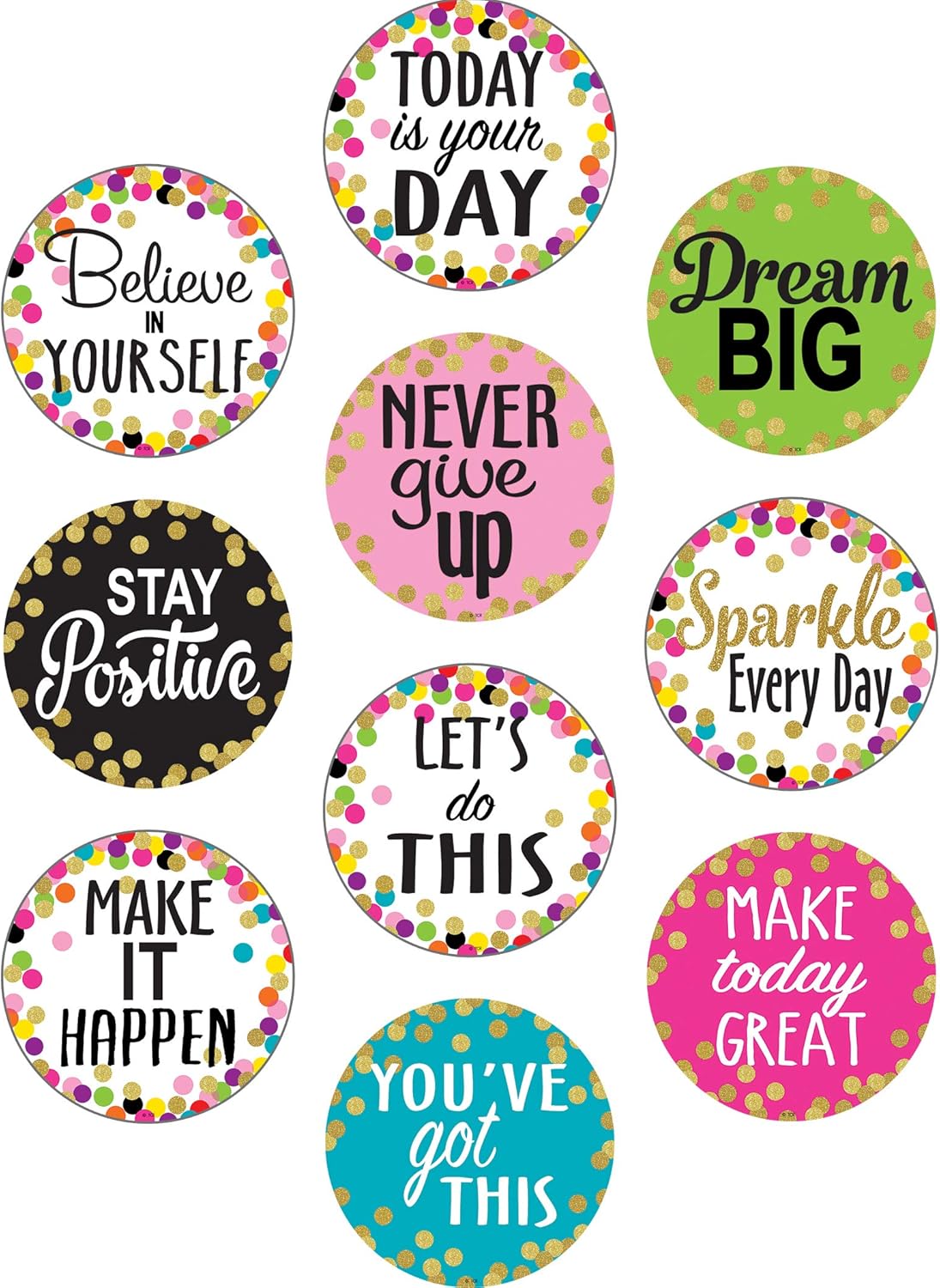


Learning Resources, Inc
See current price


Teacher Created Resources
See current price


Nancy Faber (Composer), Randall Faber (Composer)
See current price


Learning Resources
See current price

Carson Dellosa Education (Compiler)
See current price

Teacher Created Resources
See current price


Learning Resources
See current price


Carson Dellosa Education
See current price


Curriculum support materials can help educators supplement core instruction, reinforce important skills, and prepare lessons for different learning needs. The right resource depends on the subject, grade level, teaching format, and amount of preparation support required.
This K-Catalog category brings together curriculum-focused products within the Education Store. Use the available product specifications and features to compare resources that fit your classroom goals.
Start with the learning objective rather than the product format. A resource designed for independent practice may not suit a guided lesson, while a teacher reference may be more useful during planning than during student work time.
Consider these factors:
Curriculum support is a broad category, so products may serve different stages of instruction. Teacher guides and planning resources can help organize lessons, sequence activities, and connect instruction to specific learning goals. Practice materials are useful for reinforcing concepts after instruction or providing additional work for students who need it.
Hands-on learning resources can support demonstrations, stations, and small-group activities. Visual classroom materials may help make key concepts easier to reference throughout the school day. Assessment-oriented resources can help educators check understanding and identify areas that need further instruction.
For materials intended to shape the classroom environment, compare this category with Classroom Decorations. Curriculum support should remain focused on instruction, practice, or planning, while decorative products may serve a broader display or organization purpose.
Product details can reveal whether a resource will work in a particular teaching routine. Compare the format, intended audience, subject area, and recommended use before focusing on appearance or packaging.
Useful specifications may include:
If a product will be shared among multiple students or educators, durability and ease of organization may matter as much as the instructional content. For remote, hybrid, or take-home use, also check whether the format works without specialized equipment or additional materials.
The curriculum support selection includes materials from Teacher Created Resources, Carson Dellosa Education, Learning Resources, Educational Insights, Trend Enterprises, Creative Teaching Press, ETA hand2mind, Edupress, Eureka, Evan-Moor Educational Publishers (Author), Schoolgirl Style, and Carson Dellosa Education (Compiler). These brands are well represented in the catalog, but the best choice still depends on the specific resource, grade fit, subject, and classroom application.
Compare individual product specifications rather than selecting by brand alone. A single brand may offer resources in different formats and for different teaching purposes.
Before choosing, identify where the material will be used and who will use it. A resource for a busy classroom may need clear instructions, quick setup, and easy storage. A resource for intervention or tutoring may benefit from targeted practice and flexible pacing.
Check the complete component list if the product is a kit or activity set. Confirm that any required accessories, writing tools, manipulatives, or display hardware are suitable for the planned use. For printed resources, consider readability, page layout, and whether the content can be used comfortably by the intended learners.
It can also help to compare a resource with existing lesson plans. Materials that reinforce concepts already being taught are usually easier to integrate than those requiring an entirely separate instructional sequence.
Curriculum support may include teacher references, lesson supplements, practice materials, activity resources, visual aids, and hands-on tools. The exact format and instructional purpose vary by product.
Review the stated grade or age guidance, then compare the expected reading level, skill complexity, and independence required. Match those details to the learners who will use the resource.
Some are designed mainly for teacher planning and instruction, while others provide student practice or activities. Product descriptions and specifications can help clarify the intended user.
Review the component list, preparation requirements, storage needs, group size, and any additional supplies required. Confirm that the activities match the subject and learning objective.
Many curriculum support resources can work in small-group settings, but suitability depends on the instructions, number of components, and level of teacher guidance required. Compare those details for the intended classroom routine.