

Cycling Gear and Equipment
Compare cycling equipment by fit, compatibility, materials, and intended use. This guide explains the main gear categories and the specifications that matter for road, trail, commuter, and recreational riding.
11,605 products in catalog
11,605 results
Filters


Master Lock
Master Lock Bike Lock Cable, Combination Bicycle Lock, Cable Lock for Outdoor Equipment, Black
See current price


Schwinn
Pearhead Schwinn Replacement Bike Tire, Multiple Bike Styles, Multiple Size Options
See current price






Popular brands in Cycling
Cycling equipment covers everything from bikes and replacement components to helmets, clothing, tools, storage, and ride accessories. The right choices depend on where you ride, how often you ride, your bicycle’s compatibility requirements, and the level of comfort or protection you expect.
K-Catalog helps shoppers compare listed products by specifications and features before visiting Amazon for current product information. Use the details below as a practical starting point, then check each product listing carefully for fit, sizing, compatibility, and included components.
How to choose cycling equipment
Start with the type of riding you do most often. Road cycling generally places more emphasis on low weight, efficient rolling, aerodynamic clothing, and equipment that suits paved surfaces. Trail and mountain riding can call for stronger protection, durable components, wider tires, and accessories that cope with uneven terrain. Commuters may prioritize visibility, weather resistance, carrying capacity, and easy maintenance.
Recreational riders often benefit from versatile equipment that is simple to install and comfortable for regular outings. If you ride in more than one setting, look for products whose specifications clearly describe the conditions and bicycle types they support.
Before choosing, consider:
- Compatibility: Check wheel size, tire dimensions, drivetrain setup, brake type, axle format, mounting points, and the manufacturer’s fit guidance.
- Fit and sizing: Helmets, gloves, clothing, shoes, and protective equipment should match the relevant sizing chart rather than relying only on a usual apparel size.
- Materials and construction: Compare frame or component materials, shell construction, padding, fasteners, seals, and surface finishes where those details are provided.
- Use conditions: Think about pavement, gravel, trails, rain, temperature, storage, and the amount of maintenance you are prepared to perform.
- Installation: Confirm whether a product is ready to use or requires tools, adjustments, adapters, or additional parts.
Main types of cycling products
Bikes and riding equipment
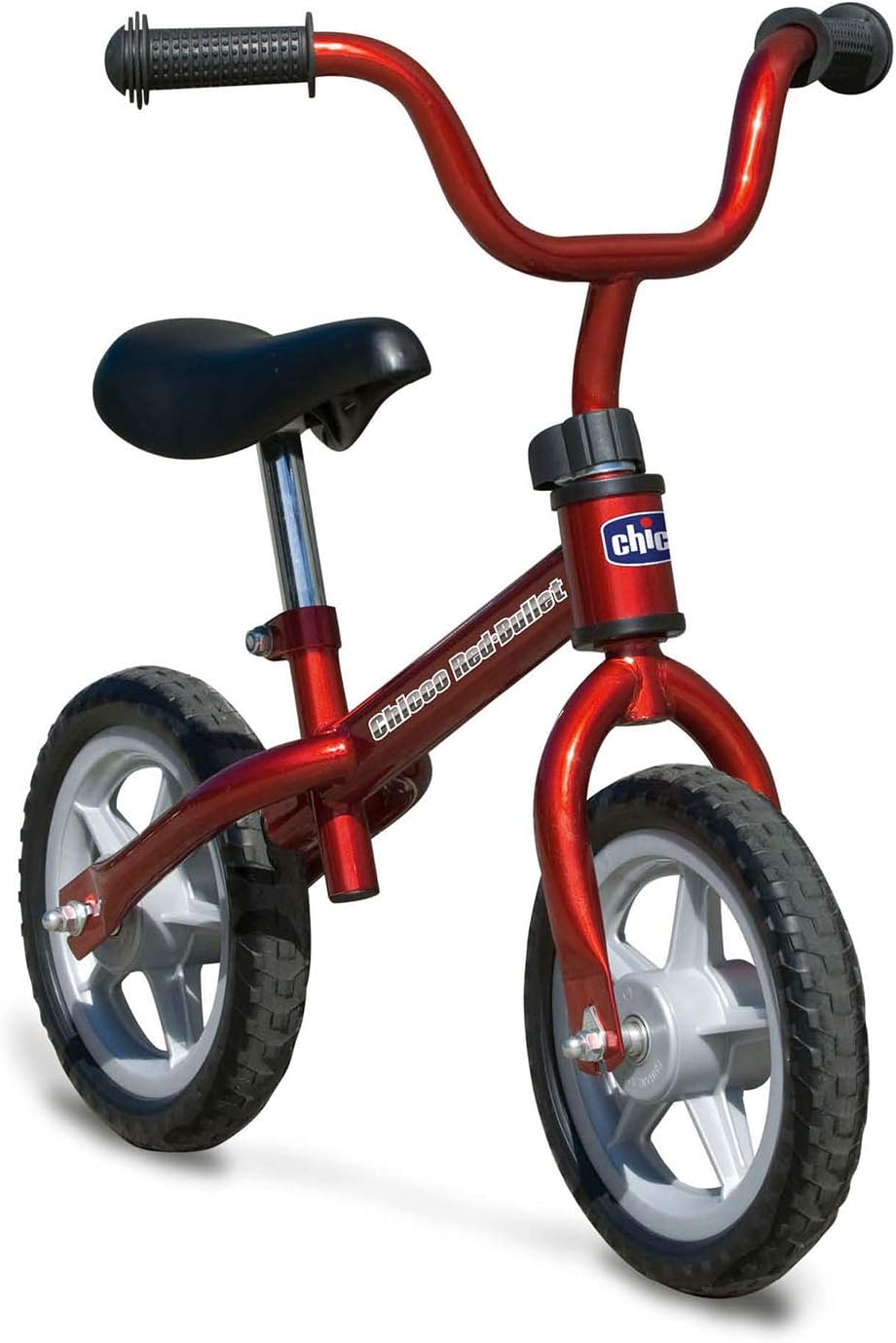
A bicycle’s intended use affects nearly every other purchase. Road, gravel, mountain, hybrid, commuter, and recreational designs can differ in riding position, tire clearance, gearing, braking systems, and mounting options. When comparing a bicycle, pay attention to frame size, wheel and tire specifications, gear range, brake design, suspension features where applicable, handlebar configuration, and the available size range.
For accessories, choose products that match the bicycle’s structure. A rack, fender, bottle cage, pump, or bag may require particular mounting points or clearance around the frame, wheels, brakes, and drivetrain.
Components and replacement parts
Replacement components should be selected by exact compatibility, not appearance alone. Drivetrain parts may need to match the number and type of gears, chain compatibility, and shifting system. Braking components should correspond to the bicycle’s brake format and mounting arrangement. Wheels, tires, tubes, pedals, saddles, grips, cables, and chains also require careful attention to dimensions and connection standards.
If replacing an existing part, compare its markings and measurements with the product specifications. A product described for a similar bicycle may still be unsuitable if its interface, size, or adjustment range differs.
Helmets and protective gear
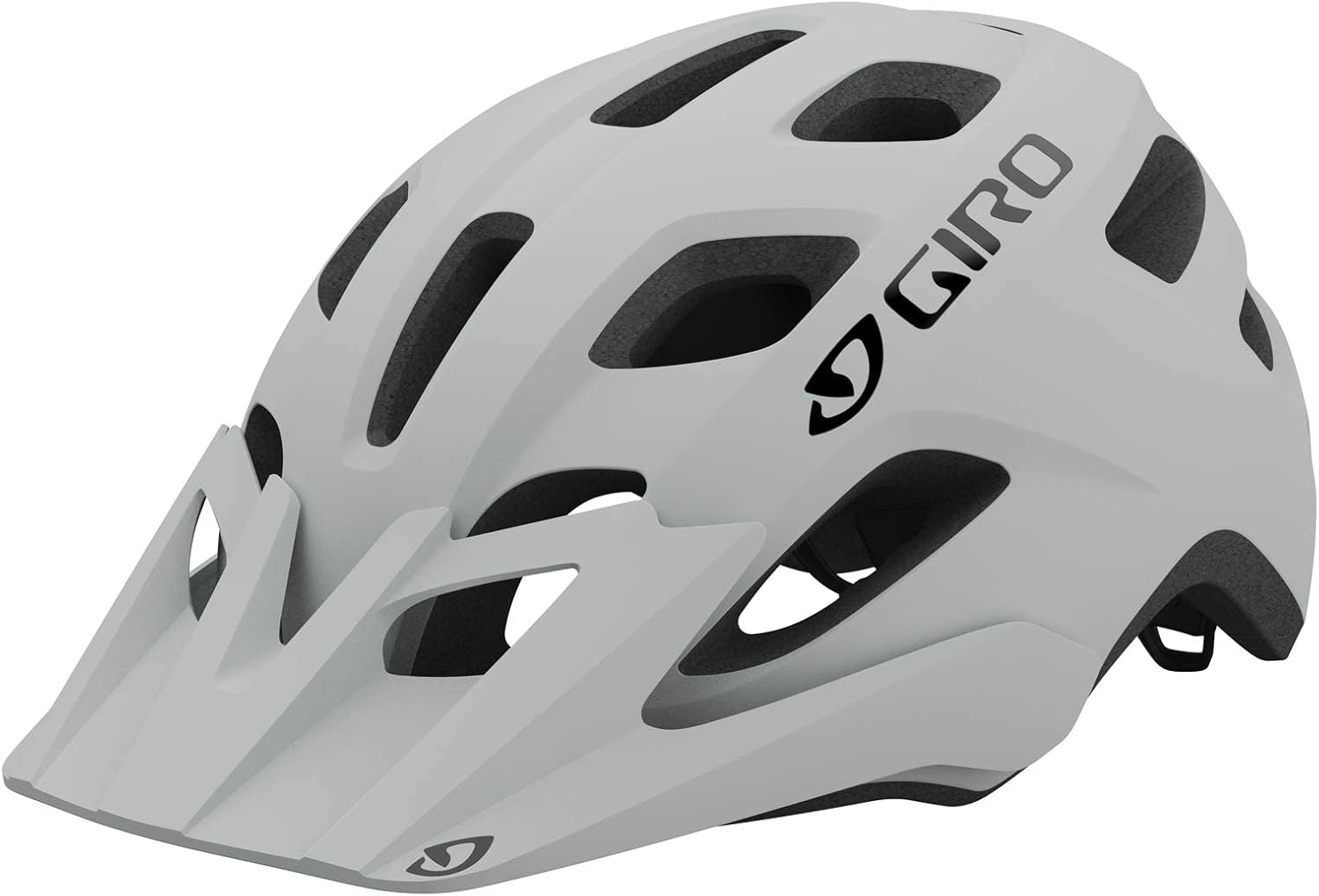
A helmet should fit securely and sit correctly on the head without excessive movement or pressure. Compare the stated size range, adjustment system, ventilation layout, retention design, and safety certification information. Protective gear for trail or higher-risk riding may include gloves, knee protection, elbow protection, eye protection, and reflective elements.
Replace protective equipment after a significant impact or when the manufacturer’s care guidance indicates that it should no longer be used. Avoid modifying helmets or protective products in ways that could affect their intended fit or construction.
Clothing and comfort accessories
Cycling clothing is designed around movement, ventilation, and riding posture. Compare fabric type, stretch, insulation, moisture management, seams, closures, pockets, and visibility features. For changing weather, layering can be more useful than choosing one heavy garment. Gloves can improve grip and comfort, while padded shorts or a suitable saddle may help reduce discomfort on longer rides.
Shoes and pedals must be considered together. Check the pedal interface, closure system, sole construction, intended riding style, and whether cleats or other hardware are included.
Tools, maintenance, and storage
Basic maintenance equipment can help with inflation, cleaning, adjustments, and roadside repairs. Compare pump valve compatibility, pressure gauge details, tool functions, portability, and storage method. A home workshop setup may favor a larger tool selection, while a ride kit should be compact and easy to carry.
Storage products include racks, stands, bags, baskets, and cases. Check weight capacity, attachment method, bicycle compatibility, dimensions, weather protection, and whether the product is intended for transport or stationary storage.
Key specifications to compare
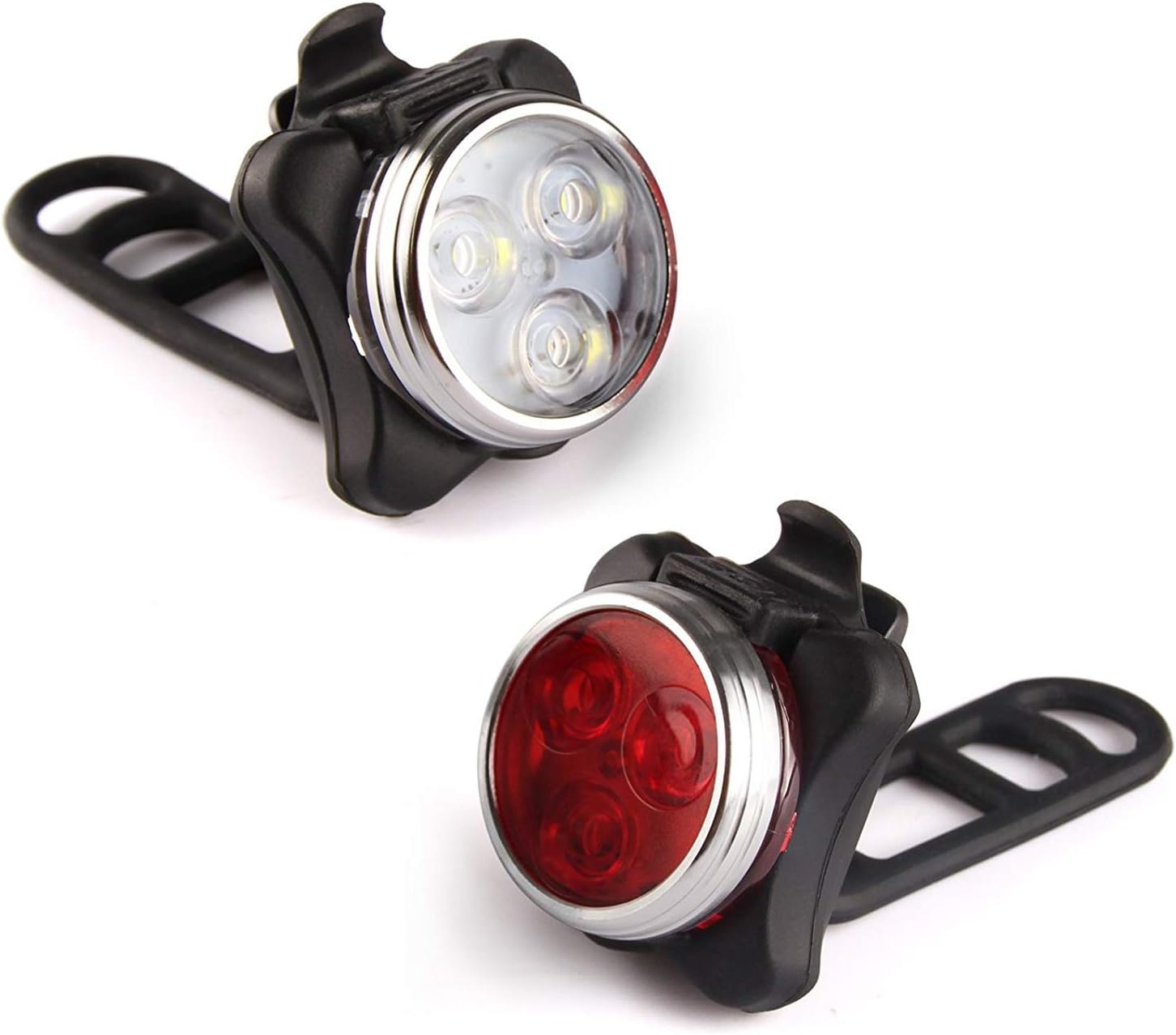
Specifications are most useful when they answer a practical question. For tires and tubes, compare size markings, width, valve type, tread pattern, construction, and intended surface. For lights and electronics, review mounting method, controls, power source, visibility features, weather resistance, and charging requirements when listed.
For racks, bags, and baskets, check capacity, dimensions, closure style, attachment points, and clearance from moving parts. For tools and pumps, confirm the supported components and valve standards. For saddles, grips, handlebars, and other contact points, compare dimensions, mounting format, padding or material, and adjustment range.
Do not assume that products from the same general category are interchangeable. Bicycle standards can vary across models and riding styles, so the original component’s measurements and the bicycle manufacturer’s compatibility guidance are important references.
Brands represented in the catalog
The Cycling catalog includes products from brands such as SHIMANO, Giro, Bell, Park Tool, Retrospec, Topeak, Continental, Sunlite, ROCKBROS, SRAM, Schwinn, and SCHWALBE. These brands appear across different parts of the category, including components, helmets, tools, tires, accessories, and bicycles.
Brand familiarity can help narrow a search, but specifications should guide the final comparison. Check the exact product description, compatibility details, sizing information, included parts, and care instructions for the item you are considering.
Practical tips for safer, easier rides
Inspect tires, brakes, wheels, and fasteners before riding, especially after storage or maintenance. Keep tires inflated according to the bicycle or tire manufacturer’s guidance, and use the correct pump connection. Clean the drivetrain and other moving parts as appropriate for the product materials and riding conditions.
When installing a component, follow the manufacturer’s instructions and use the correct tools. Avoid forcing parts that do not align, and confirm that wheels, pedals, handlebars, saddles, racks, and accessories are securely fastened before use. Carrying capacity should not exceed the stated limit for a rack, bag, basket, or child-related accessory.
For related outdoor activities, browse Team Sports, Water Sports, Golf, Leisure Sports & Game Room, Skates, Skateboards & Scooters, and Boating & Sailing. The broader Sports catalog can also help when comparing equipment across activities.
Frequently asked questions
How do I choose cycling gear for my riding style?
Identify where and how you ride most often, then prioritize the relevant features. Road riders may focus on efficiency and low weight, trail riders on protection and durability, and commuters on visibility, weather resistance, and carrying options.
How can I check whether a replacement part will fit?
Compare the original part’s dimensions, attachment method, and compatibility markings with the listing specifications. Check wheel, tire, drivetrain, brake, axle, and mounting standards rather than relying on product appearance.
What should I compare when choosing a cycling helmet?
Review the size range, adjustment system, retention design, ventilation, shell construction, and stated safety certification information. The helmet should sit securely and follow the manufacturer’s fitting instructions.
Are cycling accessories universal?
Many are not. Racks, bags, bottle cages, lights, pumps, pedals, and other accessories can depend on frame mounts, dimensions, valve types, pedal interfaces, or clearance around the bicycle. Always verify compatibility before purchase.
What cycling tools are useful to keep on a ride?
A compact pump or inflator, a compatible repair kit, tire tools, and basic adjustment tools can be useful, depending on the bicycle and the type of ride. Choose equipment that supports your bicycle’s specific valves and components.
How should cycling equipment be maintained?
Follow the care instructions for each product, keep moving parts clean, inspect fasteners and wear points, and store equipment in a dry location when appropriate. Replace damaged safety equipment and components that no longer function correctly.