
Schmidt Spiele
Schmidt Spiele Vlogging Camera, 4K Digital Camera for YouTube 0425-SGSY-002
See current price

Compare digital cameras by sensor, lens design, image quality, controls, video capability, and portability to find a model that matches the way you shoot.
872 products in catalog
872 results
Schmidt Spiele
See current price


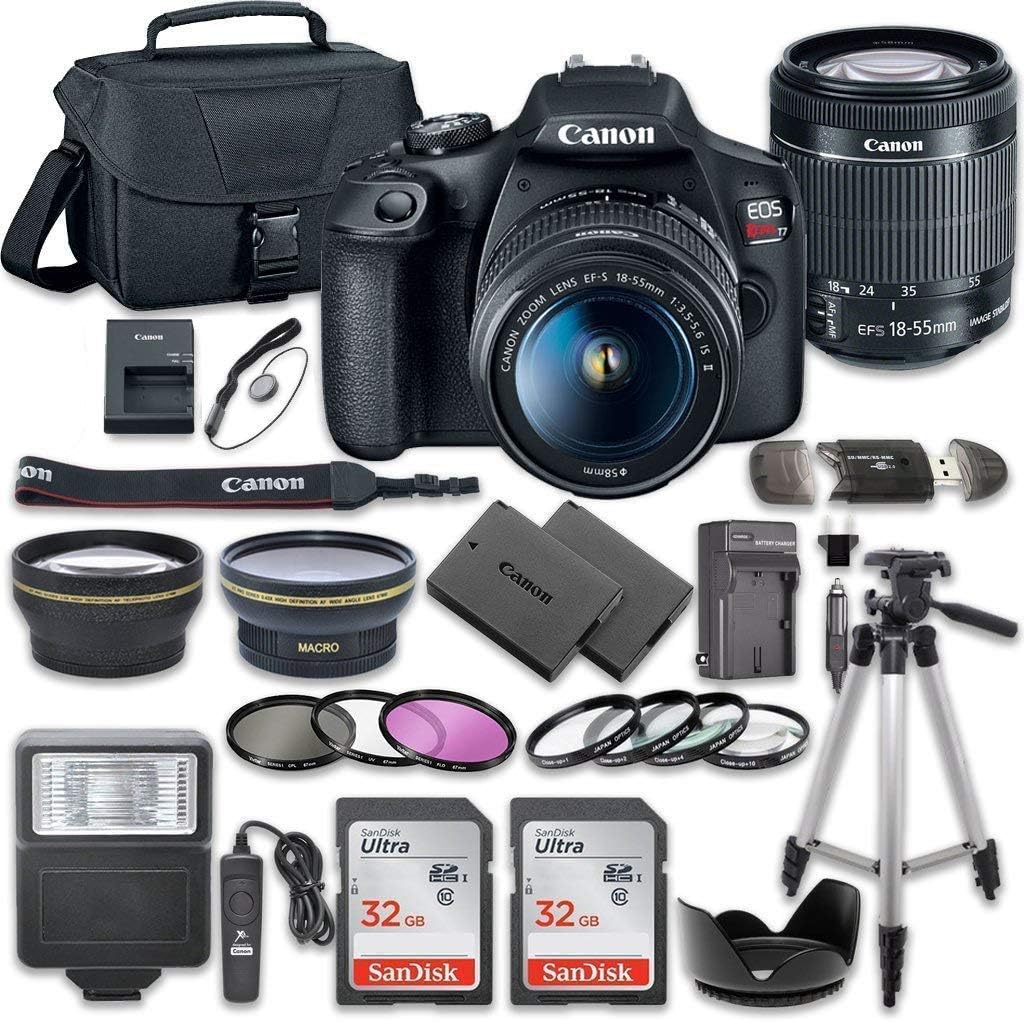

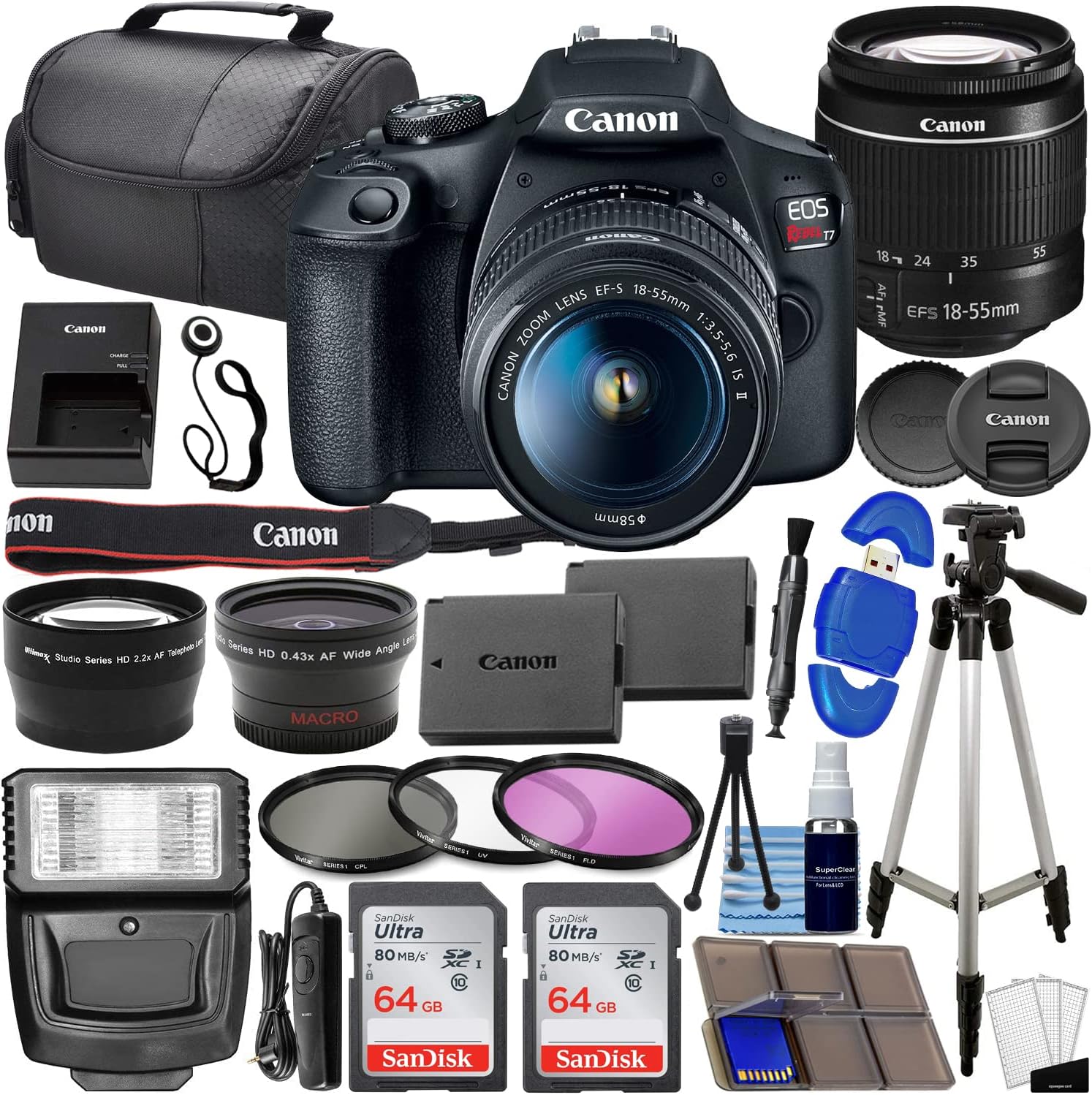

VTech
See current price

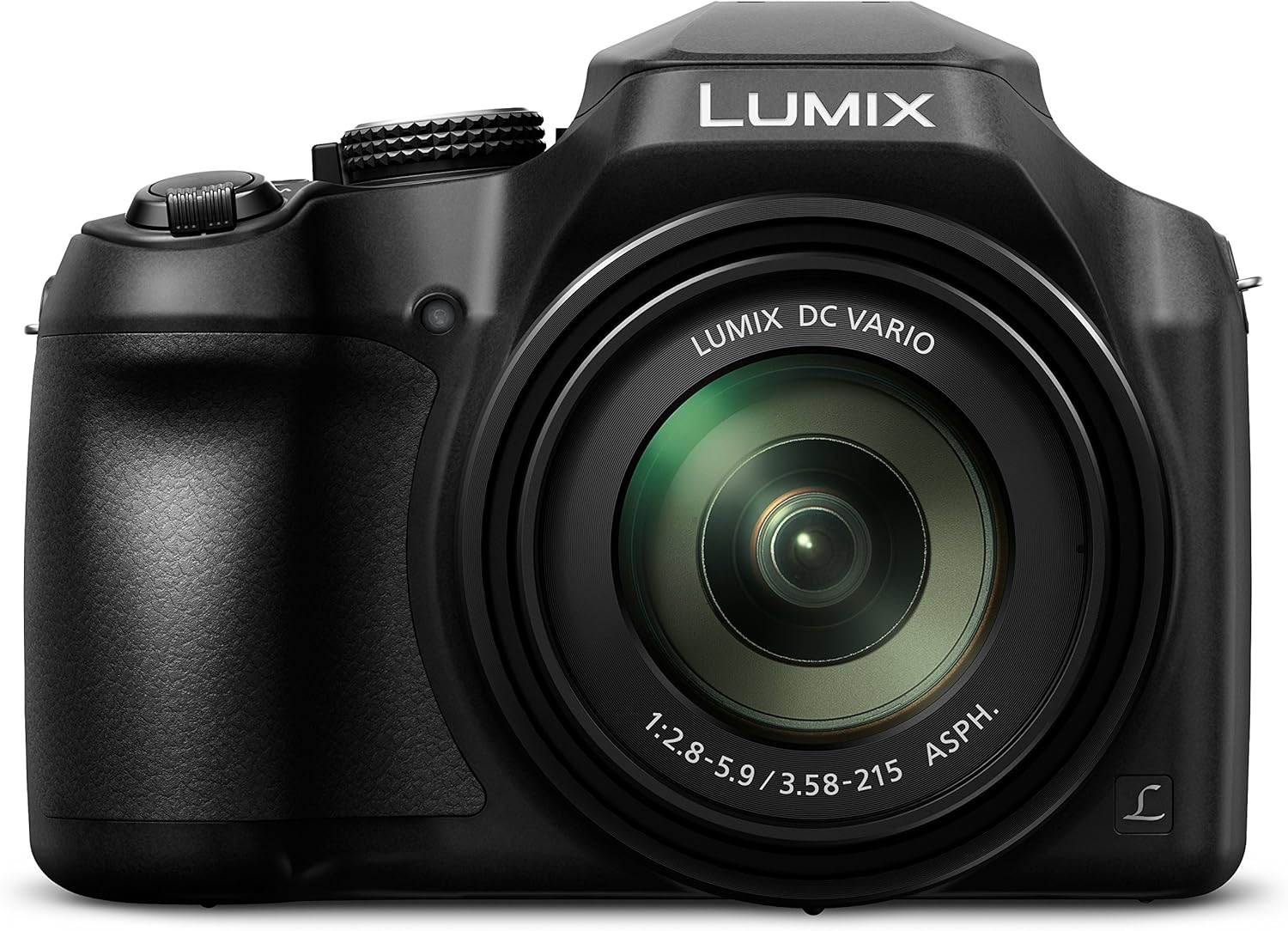

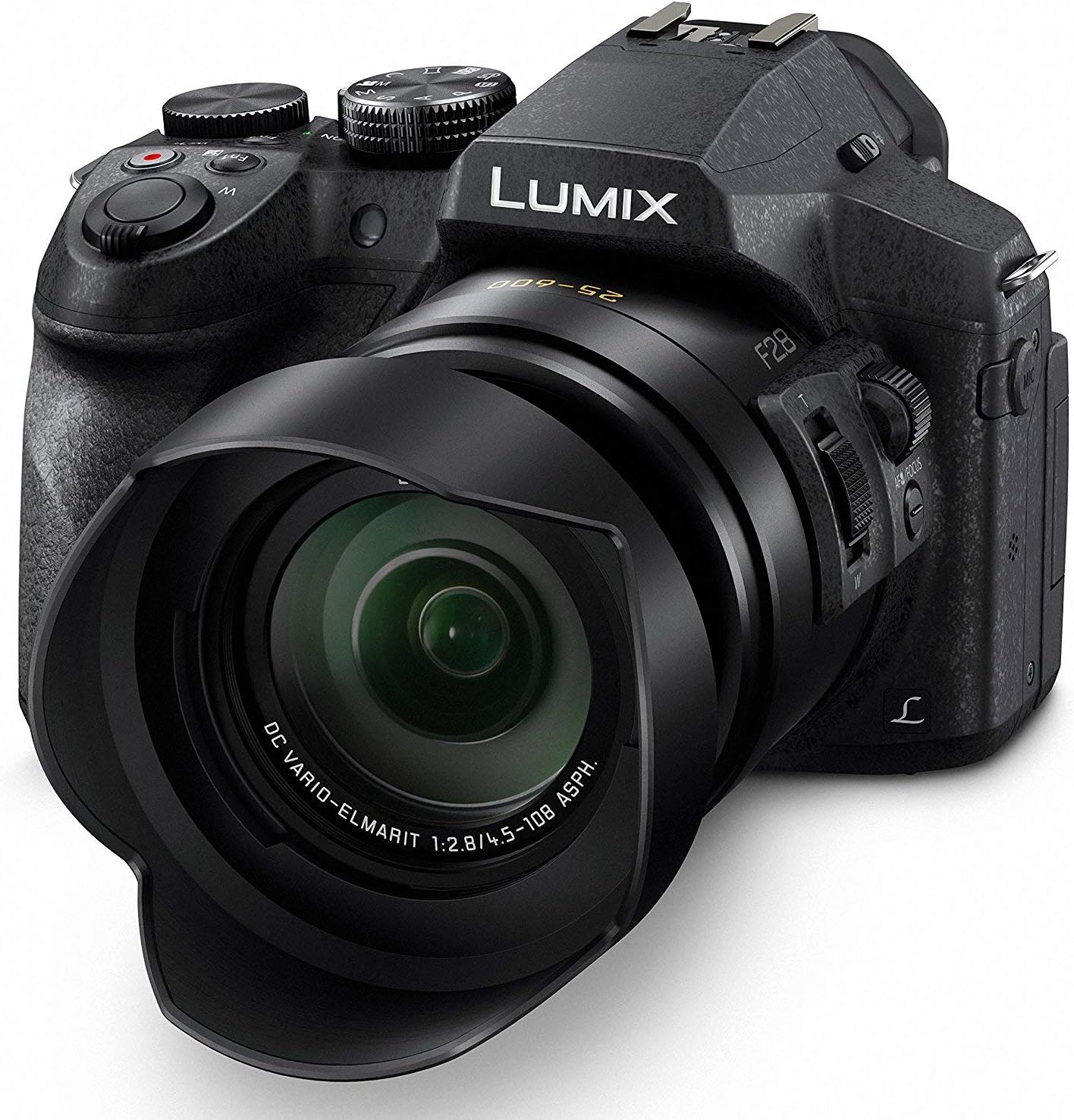

Canon
See current price
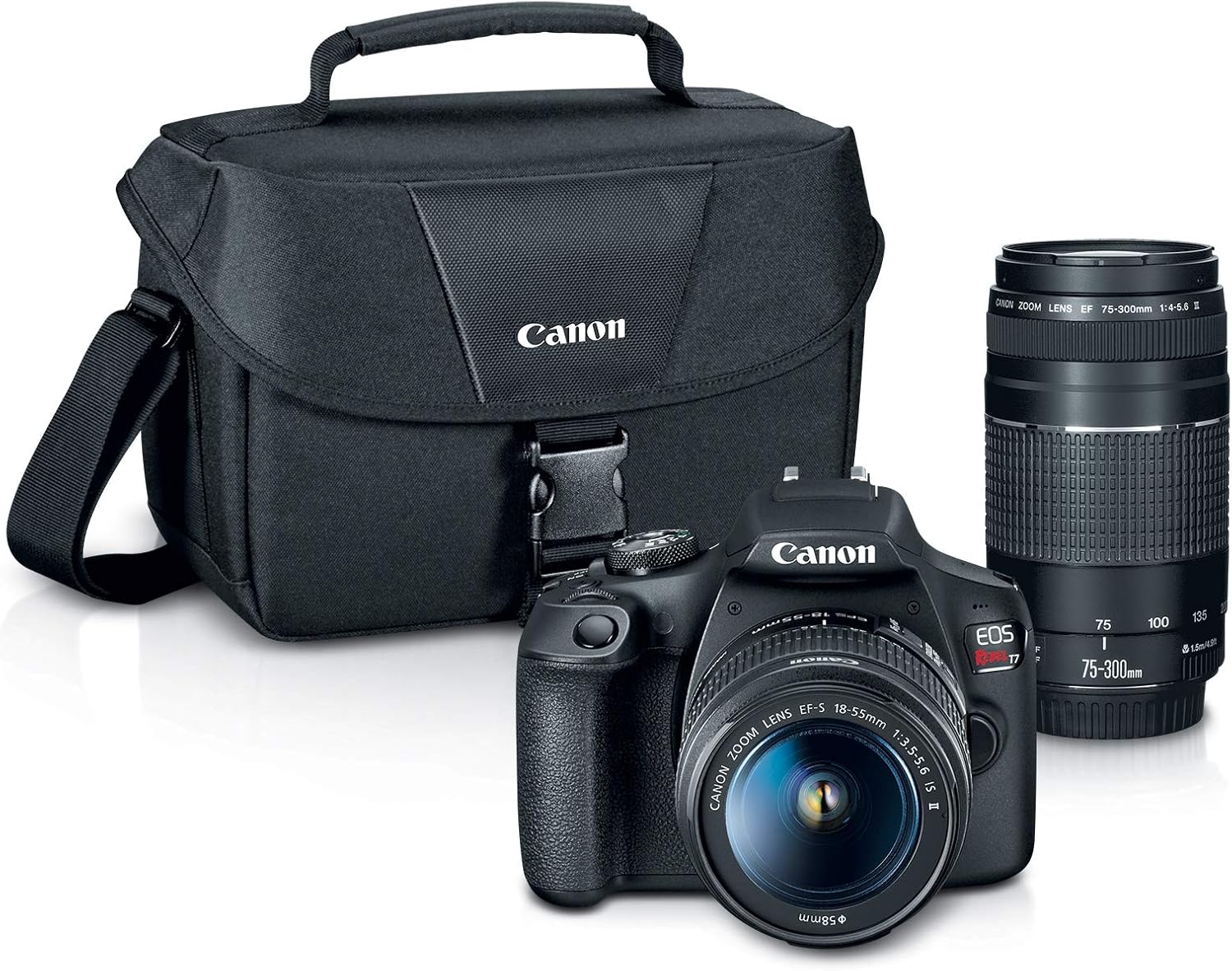
Canon
See current price
![Canon Digital SLR Camera Kit [EOS Rebel T6] with EF-S 18-55mm and EF 75-300mm Zoom Lenses - Black, Full-Size](https://m.media-amazon.com/images/I/71DQ4o+cDpL._AC_SL1000_.jpg)


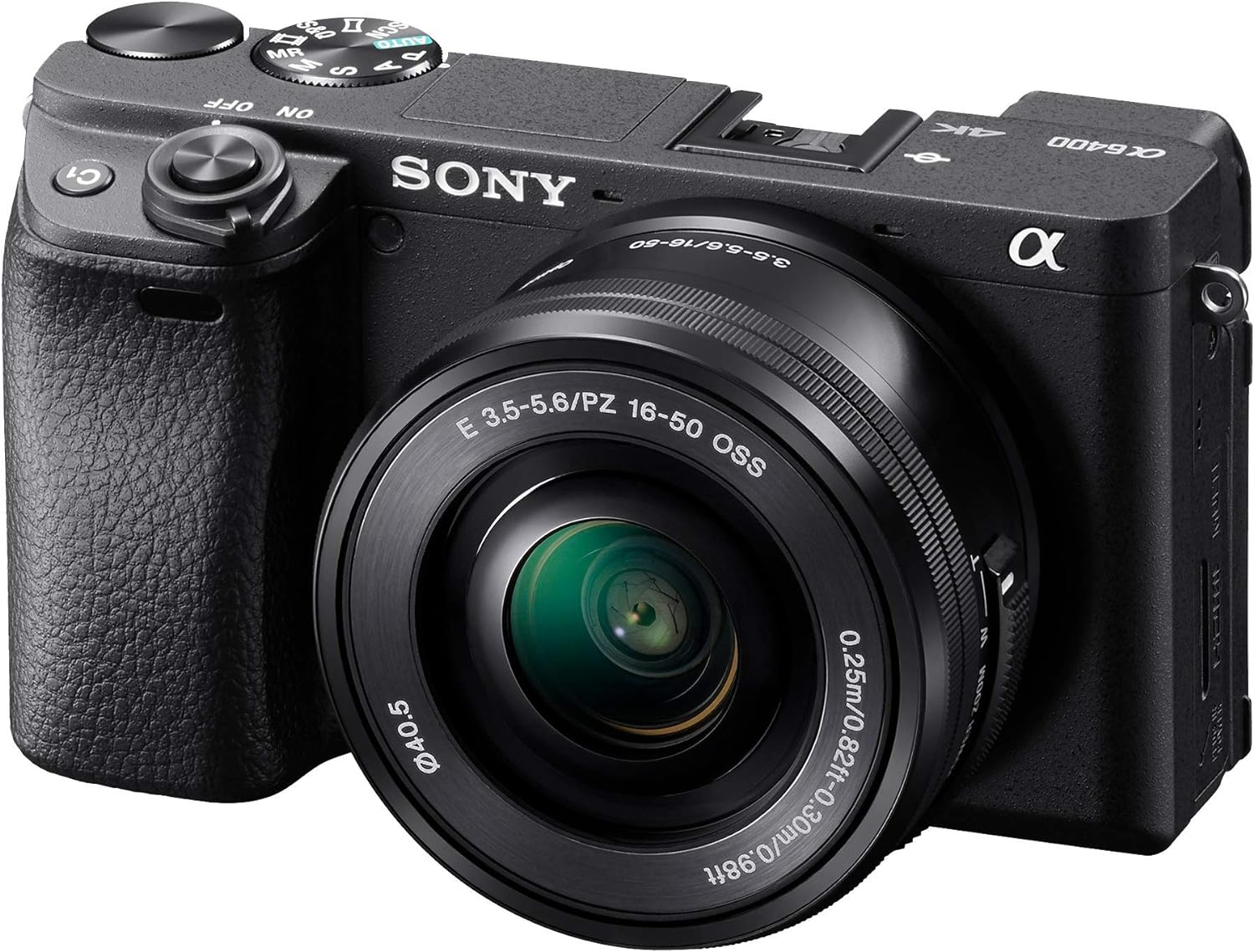


Digital cameras range from compact models made for everyday carry to interchangeable-lens systems designed for more control. The right choice depends on whether you value portability, optical reach, creative settings, fast operation, or high-quality video.
Use this catalog to compare specifications and features across digital cameras from brands including Canon, Nikon, Sony, Panasonic, Olympus, Fujifilm, KODAK, Samsung, Ricoh, Zink, CamKing, and Polaroid. Availability and product details can change, so check the complete listing before making a decision.
Start with the subjects and situations you photograph most often. A compact camera may suit travel, family events, and casual snapshots, while an interchangeable-lens camera gives you more flexibility for portraits, landscapes, sports, and low-light work.
Consider these questions before comparing individual models:
Digital cameras are available in several formats, and their differences affect both the shooting experience and the accessories you may need.
Compact cameras are convenient for everyday photography. Their built-in lenses avoid the need to carry or change lenses, and an optical zoom can help frame distant subjects. Compare body size, zoom range, flash options, screen design, stabilization, and battery charging method.
Bridge-style models sit between compact cameras and interchangeable-lens systems. They often combine a fixed lens with a broad zoom range and a larger handgrip. They can be useful for travel, wildlife viewing, and events when changing lenses is not practical. Compare the widest aperture, minimum focus distance, electronic viewfinder, stabilization, and telephoto reach.
Mirrorless cameras use interchangeable lenses and typically provide electronic viewing and extensive control options. They may be a strong fit for photographers who want a relatively flexible system and access to different lenses. Compare sensor format, autofocus behavior, viewfinder quality, screen movement, continuous shooting capabilities, and lens availability.
DSLRs use an optical viewfinder and interchangeable lenses. Their familiar grip and direct controls can appeal to photographers who prefer a traditional camera layout. When comparing models, review sensor size, autofocus points and modes, viewfinder coverage, screen articulation, battery format, and compatibility with the lenses you plan to use.
Sensor specifications influence image detail, depth of field, and performance in challenging light, but they should be considered alongside the lens and the camera’s processing features. Check sensor format, effective resolution, sensitivity range, and available image formats.
The lens is equally important. For fixed-lens cameras, compare focal-length range, maximum aperture, close-focus ability, and optical stabilization. For interchangeable-lens cameras, confirm the lens mount and consider the types of lenses available for the system.
Other useful specifications include:
A camera is only part of a working kit. Browse [Camera & Photo]( /category/electronics-camera-photo/ ) for related equipment, or compare [Accessories]( /category/camera-photo-accessories/ ) when you need items such as memory cards, batteries, filters, or remote controls. A suitable [Camera Bag or Case]( /category/bags-cases/ ) can help protect the body and lenses during storage and transport.
For steadier shooting, especially with longer lenses or slower shutter speeds, compare options in [Tripods & Monopods]( /category/tripods-monopods/ ). If you are creating portraits, product images, or video, [Lighting & Studio]( /category/lighting-studio/ ) equipment can help you control illumination and reduce harsh shadows.
The digital camera catalog includes products associated with Canon, Nikon, Sony, Panasonic, Olympus, Fujifilm, KODAK, Samsung, Ricoh, Zink, CamKing, and Polaroid. Brand names can indicate different lens systems, controls, connectivity options, and product designs, so compare the specifications of individual cameras rather than relying on the brand alone.
For specialized viewing beyond standard photography, [Binoculars & Scopes]( /category/binoculars-scopes/ ) may be useful for observing distant subjects. [Video Surveillance]( /category/video-surveillance/ ) is a separate category to consider when the primary goal is monitoring rather than general-purpose photography.
Compact cameras generally prioritize portability, while bridge cameras provide more zoom in a larger body. Compare dimensions, weight, grip design, and lens coverage for your needs.
Not necessarily. They offer more room to grow but may require learning lens selection and manual controls. A compact camera can be simpler when convenience matters most.
Sensor design, lens quality, focus performance, stabilization, exposure control, and shooting conditions all matter. Resolution alone does not describe the complete image-making experience.
Yes, if you plan to record video. Check resolution, frame rates, autofocus during recording, stabilization, microphone connections, screen movement, and file-storage requirements.
Check the lens mount, memory-card format, battery system, connectivity standards, and compatibility with any accessories you already own. This is especially important when choosing an interchangeable-lens system.