

Electric Basses for Comparing Features and Specs
Compare electric basses by pickup design, scale length, construction, electronics, and playability. This catalog helps beginners, returning players, and experienced musicians narrow their options.
39 products in catalog
39 results
Filters

Yamaha
Yamaha TRBX174 DBM Agathis Body, Electric Bass Guitar, 4-String, Dark Blue Metallic
See current price


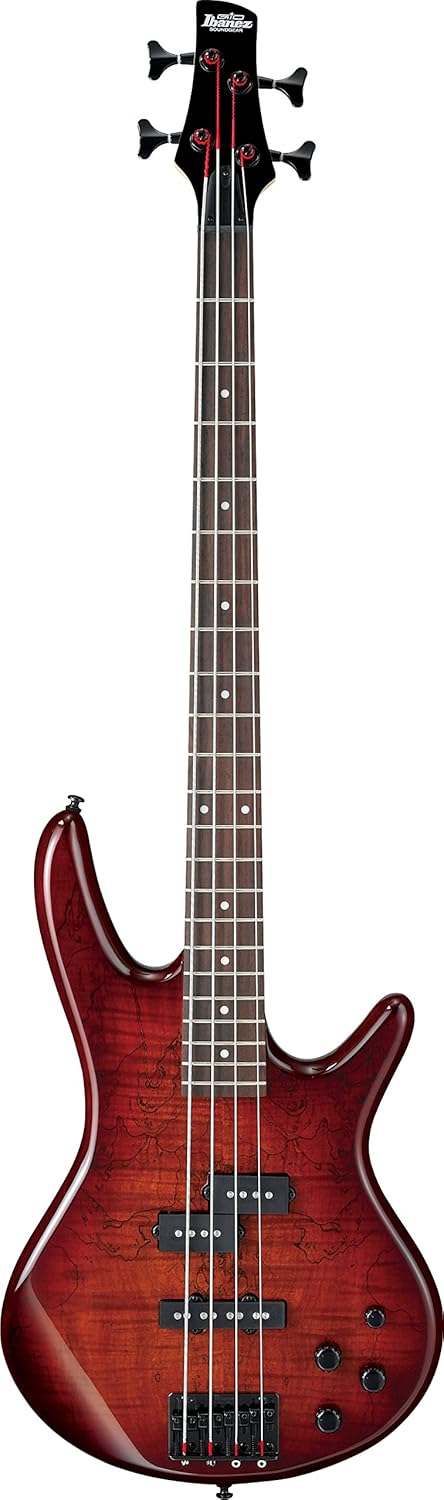


Polar Aurora
Polar Aurora NEW Full Size 4 Strings Blue Electric Bass Guitar+ Amp Cord+ Gigbag…
See current price
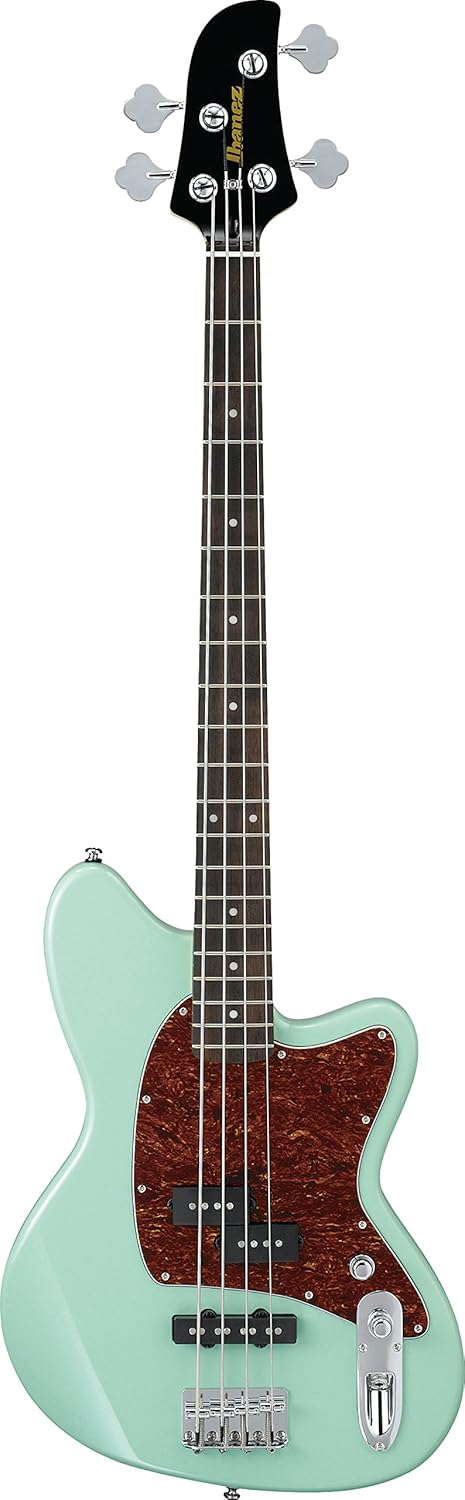


Fender
Squier by Fender Affinity Series Jazz Bass - Laurel Fingerboard - Brown Sunburst
See current price


Fender
Squier by Fender Vintage Modified Jaguar Beginner Short Scale Electric Bass Guitar - Silver
See current price
Popular brands in Electric Basses
Electric basses are available in a wide range of designs for practice, recording, rehearsals, live performance, and learning. The right choice depends on how the instrument feels in your hands, the sound you want, and whether it works well with your existing amplifier and accessories.
Use this page to compare specifications and features across the catalog, then check each product listing for details such as included accessories, dimensions, finish, and electronics.
How to choose an electric bass
Start with the way you expect to play. A beginner may prioritize a comfortable neck, straightforward controls, and a complete setup that is easy to understand. An experienced player may focus more closely on pickup combinations, neck construction, bridge design, and the range of available tones.
Consider these questions before comparing individual models:
- What sound do you want? Pickup type and electronics have a major effect on the character and flexibility of a bass.
- How will you play it? A bass used for home practice may have different priorities from one carried to rehearsals or performances.
- What feels comfortable? Neck shape, fingerboard width, scale length, body balance, and overall weight can affect playability.
- What equipment do you already own? Check compatibility with your amplifier, cable, strap, tuner, and other accessories.
For a broader look at instruments in this family, browse the Bass Guitars category.
Main electric bass types and configurations
Electric basses can differ significantly even when they share a similar body shape. Comparing the construction and electronics is more useful than choosing by appearance alone.
Passive and active electronics
Passive basses generally use a simpler control layout and do not require an onboard battery for their basic electronics. They can suit players who prefer a direct, uncomplicated setup. Active basses use powered onboard circuitry, often providing additional tone-shaping controls. If a model includes active electronics, confirm the battery type, access method, and whether it can still operate in passive mode.
Pickup configurations
Common pickup arrangements include a single split-style pickup, two separate pickups, or combinations designed to offer broader tonal control. More pickups and controls do not automatically mean a better instrument; they may simply provide more ways to shape the sound. Look for clear information about pickup type, placement, switching, volume controls, and tone controls.
Four-string and extended-range designs
Four-string basses are a familiar starting point for many players and work well for general practice and common playing situations. Extended-range basses add extra strings for a wider register, but they may require adapting to a broader neck and different string spacing. Match the instrument to your technique and the music you plan to play.
Key specifications to compare
Scale length and neck design
Scale length affects string tension, spacing, and the reach between frets. A shorter scale may feel more compact, while a longer scale can provide a different playing response. Neck width, profile, fingerboard radius, fret count, and fret material are also worth comparing, especially if you are choosing an instrument for a specific technique.
Body, neck, and hardware
Compare the listed body and neck materials, neck attachment method, fingerboard material, bridge design, tuning machines, and finish. These details can influence balance, durability, maintenance, and the overall feel of the instrument. Also check the product dimensions and weight where provided, particularly if the bass will be transported regularly.
Controls and connectivity
Review the control layout and output connection before buying. Confirm that the bass uses a standard instrument cable and that its controls offer the adjustment range you need. For active models, look for battery information and understand how the battery compartment is accessed.
Brands in the catalog
The electric bass selection includes instruments and accessories associated with Fender, Ibanez, Z ZTDM, GLARRY, Sterling by Music Man, Yamaha, Polar Aurora, Loud car horn, Donner, Costzon, AXE HEAVEN, and Goplus. Brand names can help narrow a search, but specifications vary between individual products, so compare the actual construction, electronics, dimensions, and included items for each listing.
Setup, compatibility, and care tips
Use an amplifier or compatible bass practice system rather than connecting an instrument to equipment that is not designed for its output. A suitable strap can improve comfort when playing while standing, and a properly sized case or gig bag can help protect the instrument during storage and transport.
Keep the bass away from excessive heat, moisture, and sudden environmental changes. Wipe the strings and instrument after playing, store it securely, and check tuning before use. If a model has active electronics, remove or check the battery during extended storage. For setup concerns such as buzzing, uncomfortable action, or tuning problems, consult a qualified instrument technician.
Frequently asked questions
Is an electric bass suitable for a beginner?
Yes. Beginners should generally look for comfortable playability, an understandable control layout, reliable tuning hardware, and compatibility with a suitable practice amplifier.
What is the difference between passive and active bass electronics?
Passive electronics use the instrument’s pickups and controls without onboard powered circuitry. Active electronics use a battery-powered preamp or tone circuit and may provide additional tonal adjustment.
How many strings should an electric bass have?
A four-string bass is a practical choice for many general playing needs. Bassists who need a wider range may prefer an extended-range model, provided the wider neck and string spacing feel comfortable.
Does scale length affect how a bass feels?
Yes. Scale length influences string tension, fret spacing, and the reach required between notes. Compare the listed scale length with your preferred playing comfort.
Do electric basses need an amplifier?
An amplifier or compatible bass practice system is normally needed to hear the instrument at a useful volume. Check the output connection and equipment compatibility before setting up.
What should I compare besides the appearance?
Focus on pickups, electronics, scale length, neck and fingerboard details, bridge and tuners, body and neck materials, dimensions, weight, and any included accessories.