

Embroidery Supplies, Kits & Tools
Explore embroidery kits, hoops, threads, needles, and tools for decorative stitching projects. Compare materials, included supplies, project style, and usability before choosing.
481 products in catalog
481 results
Filters






Aunt Martha's
Aunt Martha's 401 European Delights Embroidery Transfer Pattern Book, Over 25 Iron On Patterns
See current price


Popular brands in Embroidery
Embroidery supplies can support anything from a small beginner project to detailed decorative work on fabric, clothing, home accents, or gifts. The right choice depends on whether you want an all-in-one kit, individual materials, a particular stitch style, or tools that can be reused across multiple projects.
K-Catalog helps shoppers compare embroidery products by their listed specifications and features, then continue to Amazon to check the current price and purchase details. Since embroidery overlaps with several needlework techniques, it also helps to understand how related categories differ.
How to choose embroidery supplies
Start by deciding whether you want a guided project or a flexible supply collection.
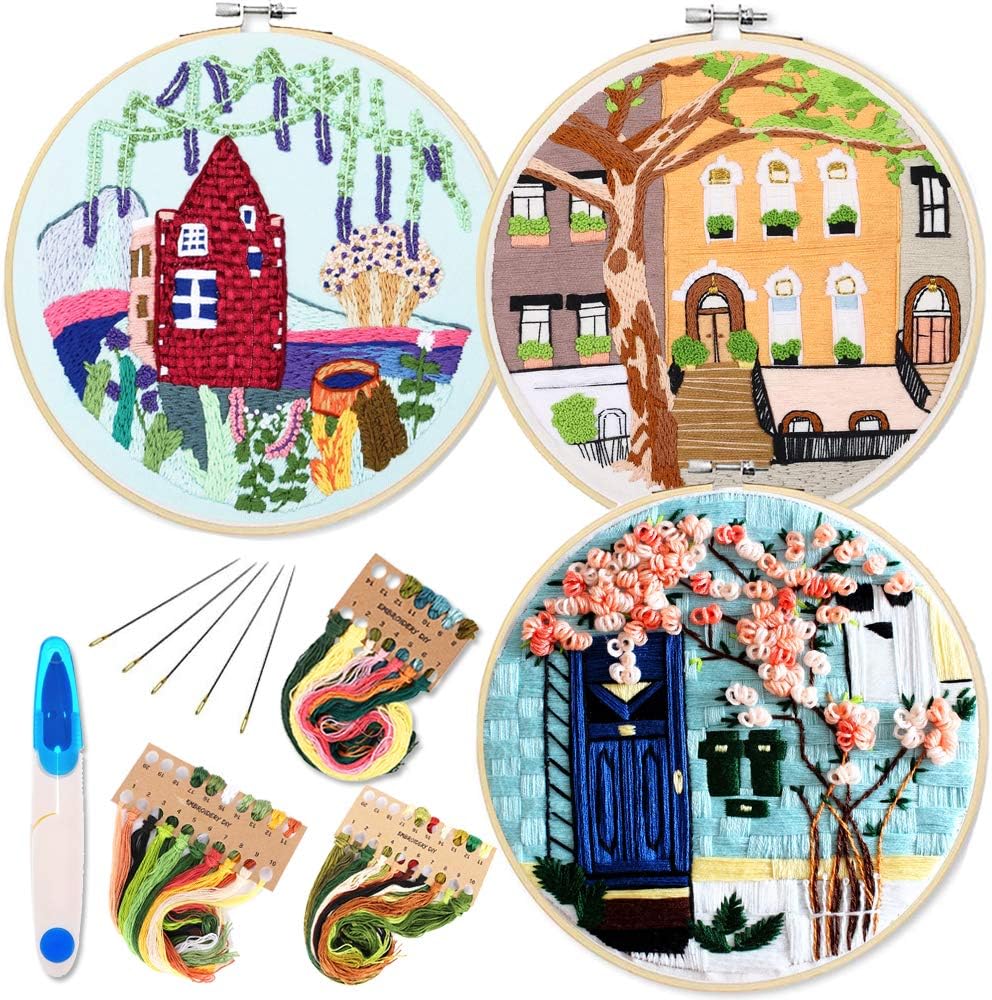
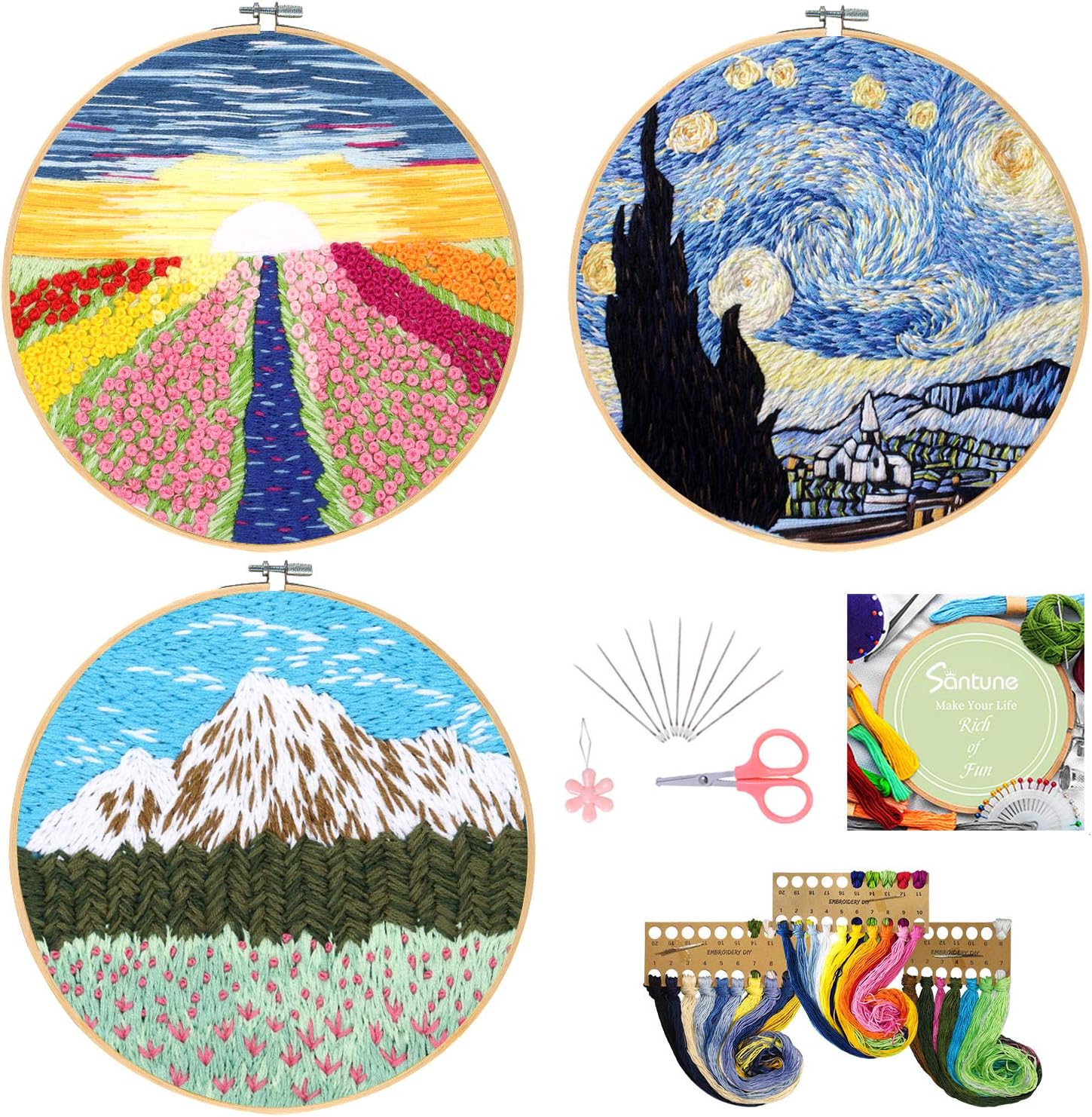
- Embroidery kits are useful when you want a coordinated design, fabric, thread, needle, and instructions in one package. They can be a practical starting point for learning or completing a themed project.
- Individual supplies make more sense when you already have a pattern or want to choose your own colors, fabric, and finishing method.
- Starter sets may be convenient for beginners, while larger assortments can suit crafters who expect to work on multiple designs.
- Specialty tools are worth comparing when you need a particular hoop style, thread organizer, needle type, or finishing accessory.
If you are new to needlework, browse the broader Needlework category to compare embroidery with other techniques and supplies.
Common embroidery project types
Traditional surface embroidery uses thread and stitches placed through fabric to create lines, shapes, lettering, or decorative motifs. Kits may be printed, stamped, or based on a separate pattern that you transfer to the fabric yourself.
Hoop embroidery is popular for displaying completed designs and for keeping fabric taut while stitching. Smaller hoops can be easier to handle for compact designs, while larger frames may provide more working space. For clothing and fabric items, consider whether the hoop, fabric, and thread are appropriate for the material you plan to decorate.
Embroidery can also overlap with nearby crafts. Cross-Stitch generally uses counted stitches on an even-weave fabric, while Needlepoint commonly covers a broader canvas-based stitching approach. Punch Needle & Rug Punch uses a punch tool to form loops or textured stitches rather than conventional needle embroidery.
Features and specifications to compare
Pay close attention to what is included rather than judging a kit by its theme or packaging alone. Useful details include:
- Fabric type and size: Check the material, weave, color, and finished design dimensions. Confirm that the fabric is suitable for the intended stitch style.
- Thread details: Look for the thread type, color selection, organization method, and whether enough thread is supplied for the listed design.
- Needle information: Compare the needle type, size, and quantity, especially if you have a preferred needle or need tools for thicker fabric.
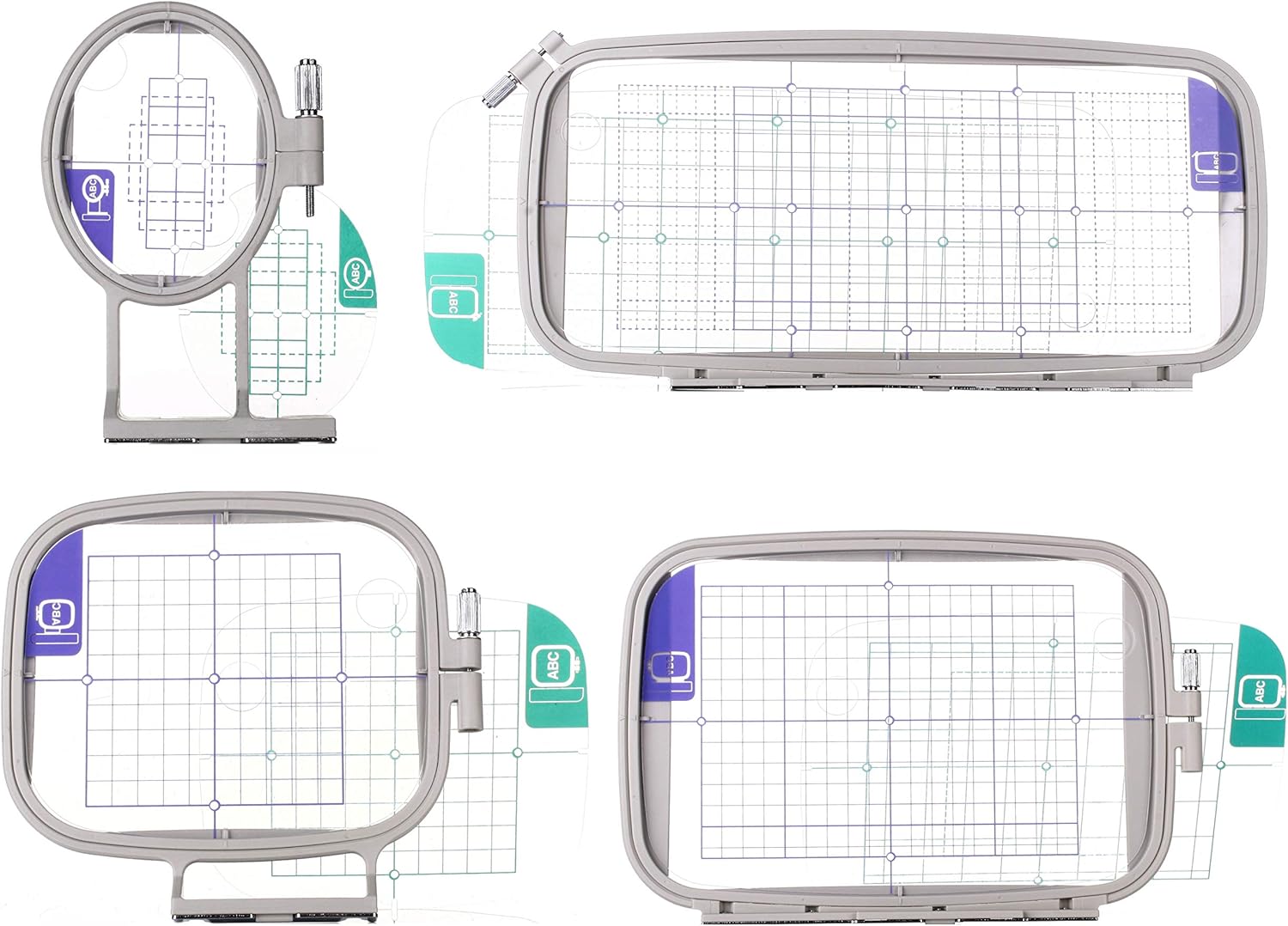
- Hoop or frame: Review the diameter, construction, closure, and whether a hoop is included. A secure grip can help keep the fabric evenly stretched.
- Instructions and pattern format: Beginners may prefer printed, stamped, or clearly illustrated instructions. Experienced stitchers may want a chart or pattern they can adapt.
- Storage: Thread cards, compartments, bags, or cases can make a set easier to organize between sessions.
Also check whether the product is a complete kit or a collection of supplies. A kit may not include scissors, a pattern-transfer tool, or display hardware, so the included-items list matters.
Brands represented in the catalog
The embroidery catalog includes products from Caydo, Pllieay, Embroidex, KISSBUTY, YOUYOUTE, Nuberlic, KEKE, Xiazuo, SENDIA, DOITEM, and Louise Maelys. It also includes listings associated with Inc. Peter Pauper Press (Author). Compare these products by their materials, included components, project instructions, and intended use rather than by brand name alone.
Related needlework options
Shoppers interested in textured or fabric-based crafts may also want to compare Needle Felting Supplies for sculptural wool projects, Latch Hook for looped-yarn designs, or Felt Applique Kits for adding felt shapes to fabric.
These techniques use different tools and materials, so confirm that a product matches your preferred method before ordering. A conventional embroidery needle and thread set will not necessarily substitute for the specialized tools used in felting, latch hook, or punch needle work.
Practical tips for selecting and using supplies
Check the project dimensions against your available hoop or workspace. If you are decorating clothing or household textiles, consider how the finished item will be handled and cleaned. Some fabrics may require gentle care, and loose thread ends should be secured on the back of the work.
For a first project, a clear design with a manageable number of materials can make it easier to learn basic stitches and maintain even tension. For an ongoing craft collection, prioritize reusable tools, organized thread storage, and supplies that can work with multiple fabrics and patterns.
Frequently asked questions
What is usually included in an embroidery kit?
Contents vary, but a kit may include fabric, embroidery thread, needles, a hoop, a pattern, and instructions. Always check the individual product listing for the exact components.
Is embroidery suitable for beginners?
Yes. Beginners can start with a clearly explained kit and a simple design, then build skills with basic stitches, thread handling, and fabric tension.
Do embroidery kits include a hoop?
Some do and some do not. Review the included-items list and the product specifications to confirm whether a hoop or frame is part of the set.
What should I compare when buying embroidery thread?
Compare the fiber or thread type, colors, amount supplied, organization, and compatibility with the fabric and pattern you plan to use.
How is embroidery different from cross-stitch?
Embroidery can use many freeform stitches and surface designs. Cross-stitch typically relies on counted X-shaped stitches worked on an even-weave fabric.
Can embroidery supplies be used for other needlework?
Some basic items, such as scissors or storage accessories, may be versatile, but needles, fabric, thread, and tools are often technique-specific. Check compatibility before combining supplies.