
Essence cosmetics
essence | Lash Princess False Lash Effect Mascara | Gluten & Cruelty Free
See current price

Compare eye makeup by formula, finish, application style, wear, and shade. Explore options from familiar beauty brands and narrow your choices by the features that fit your routine.
4,935 products in catalog
4,935 results
Essence cosmetics
See current price

Maybelline New York
See current price


Maybelline New York
See current price

NYX PROFESSIONAL MAKEUP
See current price

NYX PROFESSIONAL MAKEUP
See current price

Maybelline
See current price
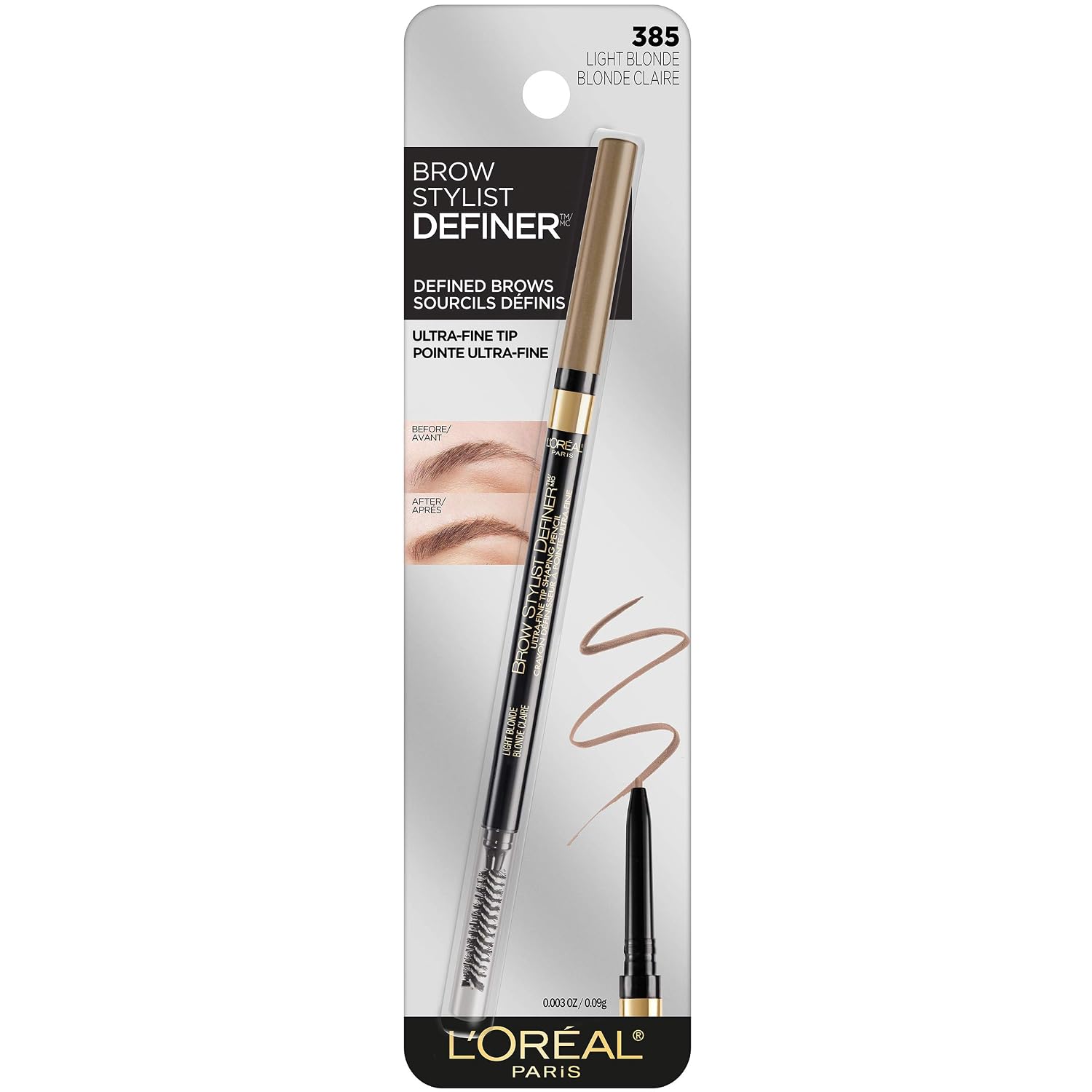

NYX PROFESSIONAL MAKEUP
See current price

NYX PROFESSIONAL MAKEUP
See current price

L'Oreal Paris
See current price


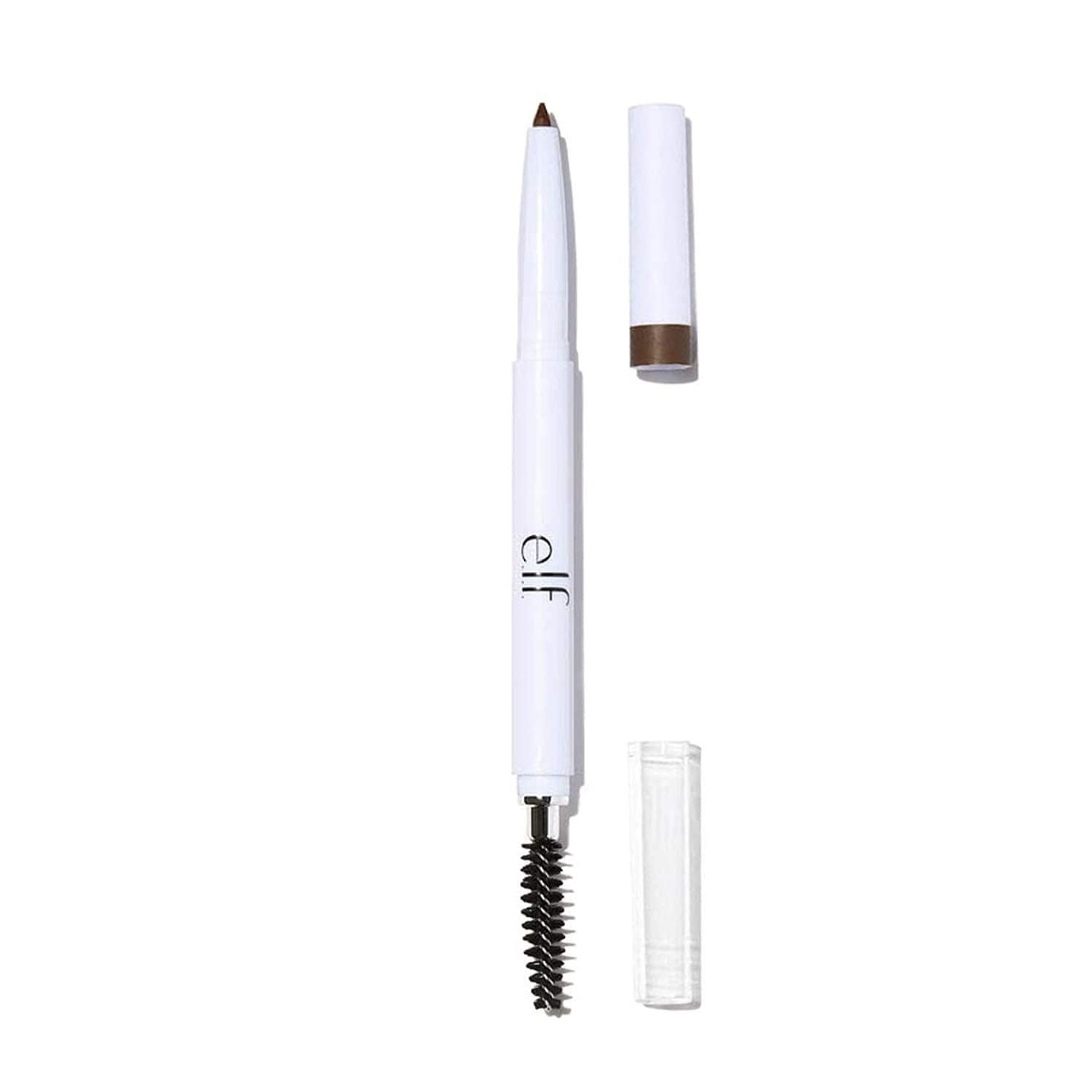


COVERGIRL
See current price


Maybelline New York
See current price


Maybelline New York
See current price
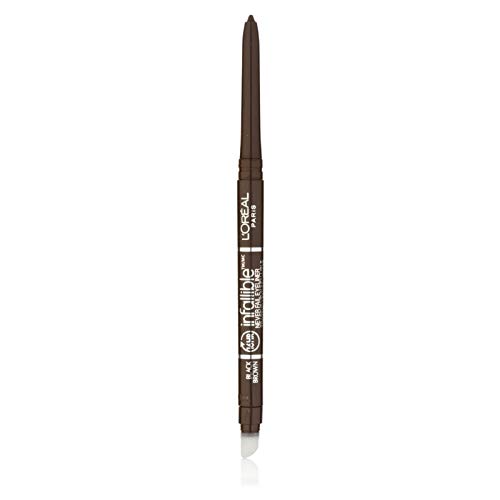
Eye makeup can change the look of your entire face, whether you want subtle definition, a bold color effect, or a quick everyday routine. The right product depends on more than shade: formula, applicator, finish, wear, and removal all affect how it performs for you.
This K-Catalog category brings together eye-focused makeup to compare by specifications and features. For products across the wider category, visit Makeup, or browse related Makeup Palettes and Makeup Sets.
Start with the result you want and how much time you typically spend applying makeup. A simple routine may call for mascara and a neutral shadow, while a more defined look may involve eyeliner, layered shadow, or brow products.
Consider these factors before choosing:
Eye products serve different purposes, and several types can be combined in one routine.
For a complete look, you may also want to compare Face and Lips products. Makeup Remover can help when selecting formulas that fit your cleansing routine.
Packaging details can reveal how a product is intended to be used. For mascara, examine the wand shape, bristle arrangement, formula claim, and whether the product is designed for volume, length, curl, or definition. For eyeliner, compare tip style, color intensity, finish, and whether it is sharpened or self-contained.
With eyeshadow, pay attention to the texture and format. Powders are often easy to layer and blend, while creams and sticks may offer a faster application. If you plan to combine shades, consider whether the finishes work together and whether the packaging is practical for storage or travel.
Shade selection matters especially around the eyes. Compare swatches or shade descriptions when available, and consider whether you want a soft everyday color, a neutral base, a vivid accent, or a darker shade for definition. If eye sensitivity is a concern, review the ingredient list and follow the product’s use instructions.
The catalog includes eye makeup from brands such as Maybelline New York, L'Oreal Paris, COVERGIRL, Rimmel, NYX PROFESSIONAL MAKEUP, E.l.f., Revlon, Maybelline, wet n wild, Benefit, Essence cosmetics, and Clinique. Comparing several brands can make it easier to find differences in shade selection, applicator design, formula type, and packaging.
Brand familiarity can be a useful starting point, but the product’s individual specifications still matter. Check the listed format, finish, shade, and application features rather than assuming every product from one brand performs the same way.
Use clean tools and avoid sharing eye makeup or applicators. Follow the label’s directions, especially for products used close to the lash line. Replace products according to their packaging guidance, and stop using any item that causes discomfort or irritation.
When comparing waterproof or long-wear options, also consider how they will be removed. Avoid rubbing the eye area aggressively; a suitable remover and gentle technique may be more comfortable. Store products closed and away from excessive heat or moisture to help maintain their intended texture.
For additional beauty categories, browse Body products alongside your makeup choices.
Compare the brush shape, formula purpose, finish, buildability, and wear features. Choose based on whether you want more length, volume, curl, or natural definition.
That depends on your preferred control and look. Pencils can be versatile for softer definition, while liquid formats may suit sharper lines; gel formulas offer another balance of control and intensity.
Start with the finish and texture you prefer, then compare shade range, blendability, pigmentation, and format. A compact may suit multi-shade looks, while a single shadow or stick can simplify application.
They can be useful when resistance to moisture or transfer is important. Consider whether you are comfortable using a remover suited to longer-wearing formulas.
Review the ingredient list and usage instructions, avoid sharing products, and discontinue use if irritation occurs. Products should be applied carefully and kept away from direct contact with the eye itself.