
Muryobao
Muryobao Women's Ponytail Sun Hat UV Protection Foldable Mesh Wide Brim Beach Fishing Hat
See current price

Compare fishing rods, reels, tackle, storage, and accessories by specifications and intended use. K-Catalog helps you narrow the options before visiting Amazon for current product details.
8,395 products in catalog
8,395 results
Muryobao
See current price
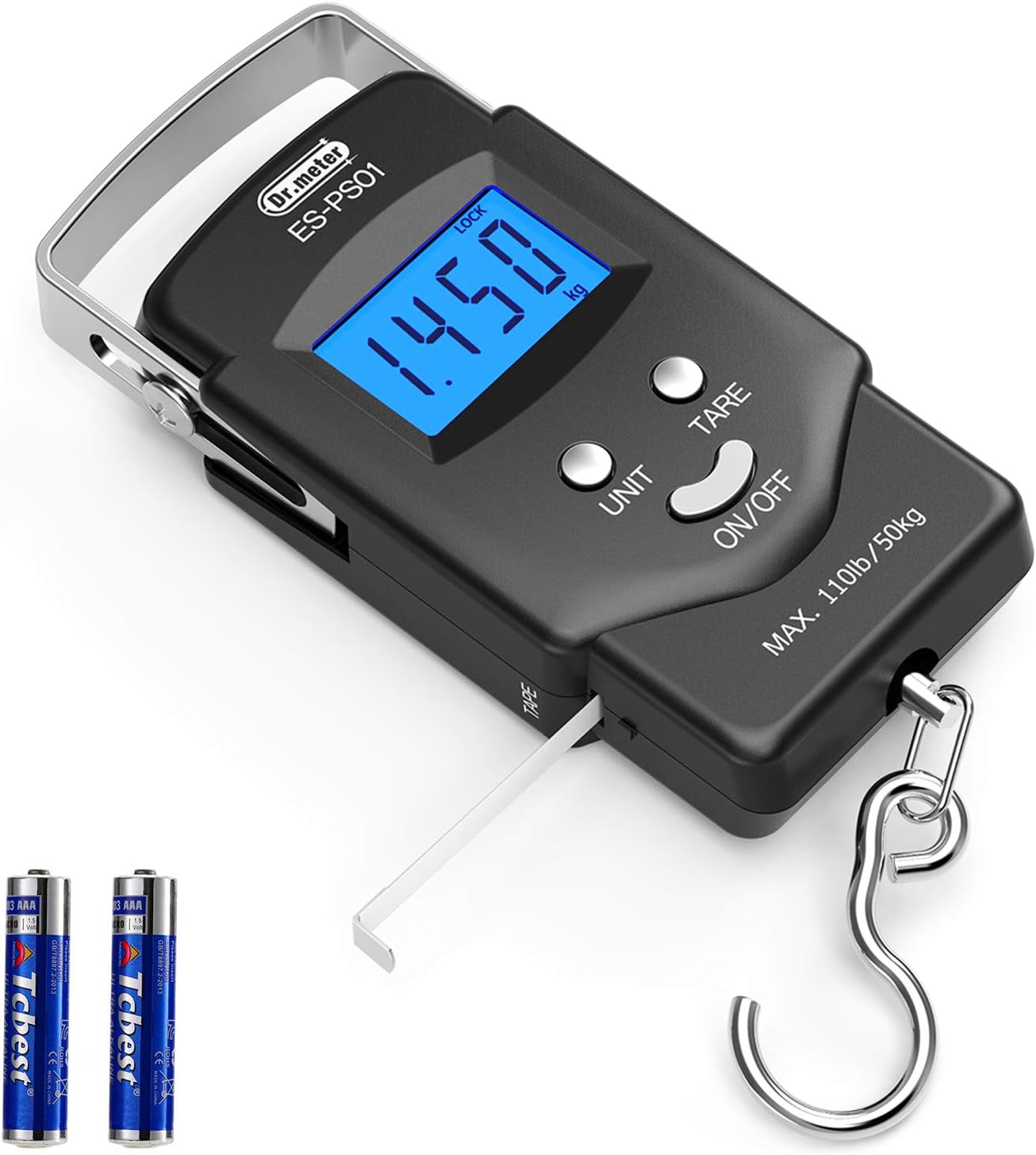




Boomerang Tool Company
See current price


Fishing equipment covers a wide range of gear, from rods and reels to line, lures, hooks, tackle boxes, and boating accessories. The right setup depends on where you fish, the species you target, your preferred technique, and how often you use the equipment.
Use this catalog to compare product specifications and features rather than choosing based on appearance alone. Pay attention to compatibility across your rod, reel, line, terminal tackle, and storage system so the complete setup works together.
Start with the fishing situation. Freshwater ponds, rivers, lakes, and saltwater environments can call for different materials, sizes, and levels of corrosion resistance. Shore fishing, kayak fishing, boat fishing, and ice fishing also place different demands on portability and equipment design.
Consider these questions before comparing individual products:
Although the catalog does not divide Fishing into listed subcategories, products generally fall into several equipment groups. Understanding their roles makes it easier to compare similar items.
A rod’s length, power, and action affect casting, lure control, and how it handles a hooked fish. Shorter rods can be convenient in confined areas, while longer rods may help with casting distance. Power should be suitable for the line, lure, and fish size you expect to encounter.
Reels are commonly compared by their operating style, gear ratio, spool capacity, retrieve direction, and drag adjustment. Spinning reels are often selected for versatility and ease of use. Baitcasting reels may appeal to anglers seeking casting control, while spincast designs can offer a simple format for casual fishing. Always check whether the reel’s capacity and intended line type match the rod.
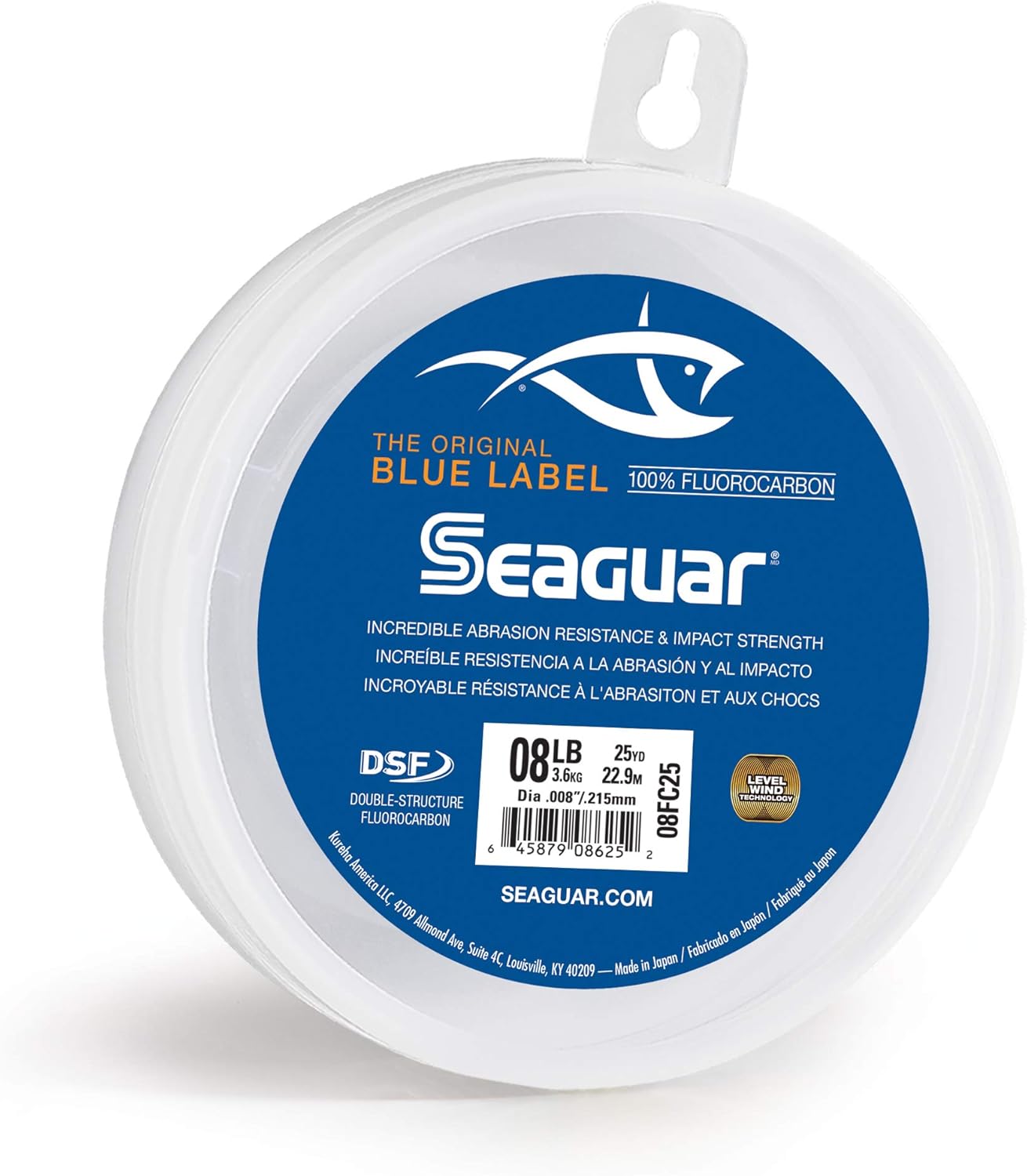
Fishing line varies by material, visibility, stretch, abrasion resistance, and breaking strength. Monofilament, fluorocarbon, and braided lines each have different handling characteristics. The best choice depends on the technique, cover, water conditions, and how the line will be attached to the rest of the rig.
Hooks, swivels, sinkers, floats, leaders, and snaps should be selected as a coordinated system. Compare hook style, size, finish, attachment method, and intended bait or lure. Terminal tackle is small but important: mismatched components can affect presentation, casting, and reliability.
Lures are designed to imitate prey or create movement, sound, flash, or vibration. Compare the lure’s weight, running depth, buoyancy, color, hook arrangement, and recommended technique. Soft plastics may be useful for flexible rigging, while hard baits and spinner-style lures offer different actions.
For bait fishing, consider containers, bait-keeping accessories, rigs, and tools that help with handling. Choose equipment that suits the species and local fishing conditions rather than relying on one lure or presentation for every situation.
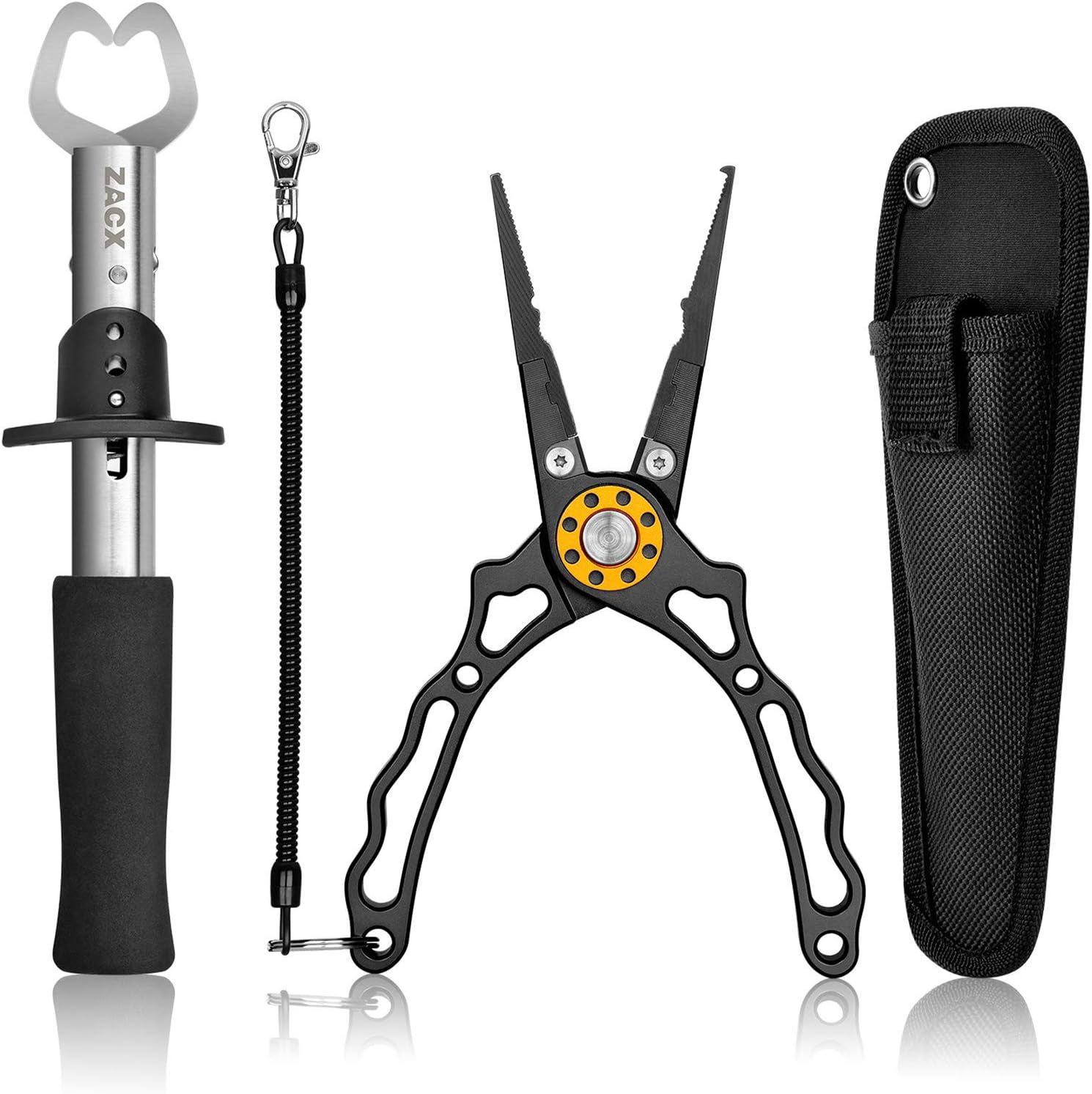
Tackle boxes, bags, trays, rod holders, pliers, line cutters, nets, and measuring tools support organization and day-to-day use. Compare compartment layouts, closure systems, handle design, water resistance, and whether the storage format fits the tackle you already own.
Tools should be comfortable to carry and appropriate for wet conditions. Corrosion-resistant materials can be especially useful around saltwater, but all equipment benefits from rinsing and drying after use.
Product descriptions can use similar terms while offering very different setups. Check the full specification list for:
The Fishing catalog includes products from KastKing, Piscifun, Berkley, PLUSINNO, RUNCL, Magreel, SHIMANO, Sougayilang, Plano, Riptail, Zebco, and Lew's. These brands appear across different types of fishing equipment, so compare the specific product’s construction, intended use, dimensions, and included components rather than choosing by brand name alone.
A balanced setup is usually easier to use than a collection of unrelated components. Match the rod’s power and action with the reel size, line, lure weight, and target species. Check the attachment points and line capacity before heading out, and verify that replacement parts or compatible accessories are available when relevant.
Rinse equipment used in saltwater, dry it before storage, and loosen reel drag when storing a reel if the manufacturer’s instructions recommend doing so. Keep hooks and lures separated from items that can be scratched or damaged. Inspect line for fraying, check knots regularly, and replace worn terminal tackle before it becomes a problem.
For adjacent outdoor interests, browse [Hunting]( /category/hunting-fishing-hunting/), [Shooting]( /category/hunting-fishing-shooting/), [Archery]( /category/archery/), or [Tactical & Personal Defense]( /category/tactical-personal-defense/).