

Fuel System Parts for Performance Builds
Compare fuel system components by vehicle fitment, fuel type, flow requirements, pressure, materials, and connection style before selecting parts for your build.
15 products in catalog
15 results
Filters
Availability
Price
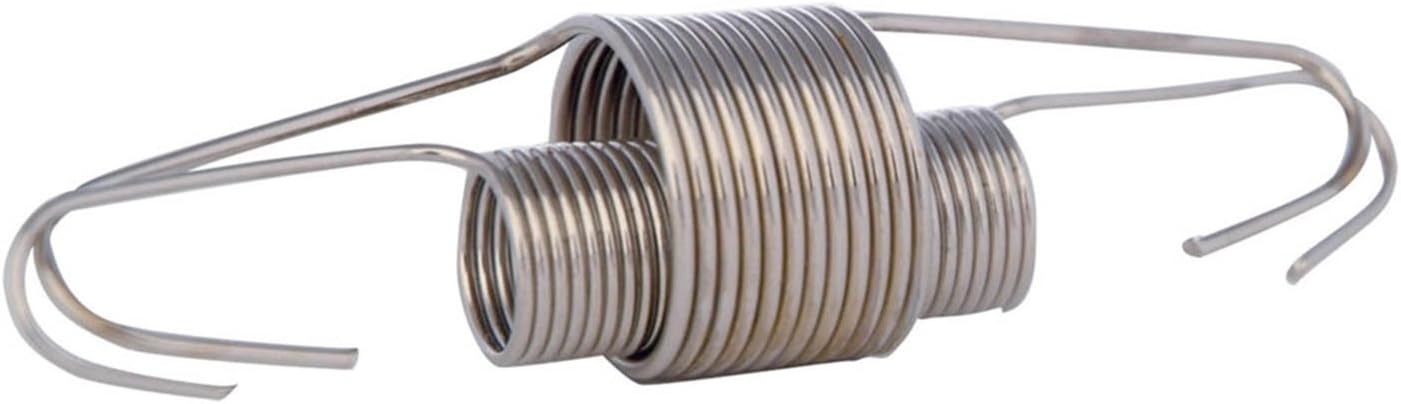

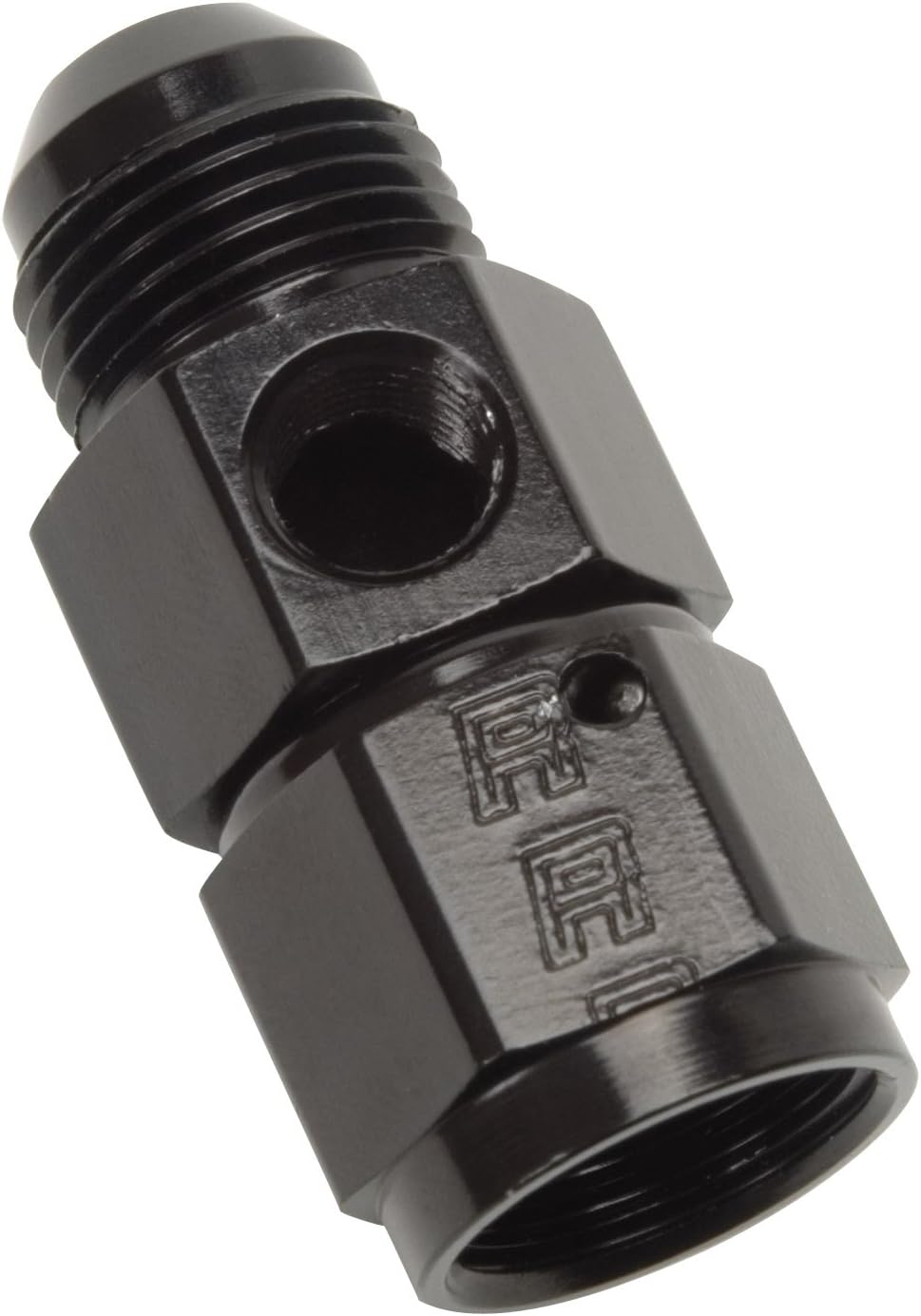


Aeromotive
Aeromotive 12604 Replacement Filter Element, 100-Micron Stainless Mesh, Fits All 2" OD Filter Housings
See current price


Popular brands in Fuel System
Fuel system parts help deliver fuel from the tank to the engine at the pressure and volume required for reliable operation. The right choice depends on the vehicle, engine configuration, fuel type, and whether the goal is a replacement, restoration, or performance-oriented upgrade.
Use this catalog to compare listed specifications and features across fuel system components. Always confirm compatibility with the vehicle and the rest of the fuel delivery system before purchasing, then check the current product information on Amazon.
How to choose Fuel System parts
Start with the vehicle’s year, make, model, engine, and fuel system design. A component intended for a carbureted setup may not work with electronic fuel injection, while a part designed for a specific fuel pressure range may be unsuitable for another application.
Consider the complete system rather than choosing one component in isolation. The pump, regulator, injectors or carburetor, filter, fuel lines, fittings, and electrical connections all need to work together. For modified engines, compare the required fuel flow and operating pressure with the specifications of every major component.
Key questions to answer include:
- Is the part for a stock replacement, restoration, or modified performance application?
- Does it match the vehicle’s fuel type and fuel system design?
- Are the inlet and outlet sizes compatible with the existing lines and fittings?
- Is the electrical connector, mounting style, or installation location correct?
- Does the component provide the required flow and pressure for the engine?
Common Fuel System component types
Fuel system shopping can involve several distinct parts, each with a different role:
- Fuel pumps move fuel from the tank toward the engine. Compare pump style, flow capacity, pressure, voltage, mounting, and whether the design is intended for in-tank or external installation.
- Fuel pressure regulators help control pressure delivered to the engine. Check adjustment range, fuel compatibility, return-style or bypass configuration, and port sizes.
- Fuel filters remove contaminants before they reach sensitive components. Compare filtration specifications, flow direction, housing material, serviceability, and connection type.
- Fuel lines, hoses, and fittings connect system components. Verify inner diameter, thread standard, hose compatibility, routing needs, and resistance to the intended fuel or additives.
- Carburetor and injection components meter fuel for combustion. Match the component to the engine’s induction system, control method, fuel pressure, and calibration requirements.
For related components, browse Filters and Engines & Engine Parts. These categories can help when a fuel system project also involves engine airflow, filtration, or replacement parts.
Specifications and features to compare
Flow and pressure are especially important for performance applications. A pump or regulator must suit the engine’s demand and the system’s operating pressure. Higher capacity is not automatically better if the rest of the system cannot support it or if pressure control is not appropriate.
Fitment and dimensions determine whether installation is practical. Compare overall size, mounting provisions, port locations, thread type, connector design, and clearance around nearby components. For universal parts, careful measurement is often more important than appearance.
Materials and fuel compatibility also matter. Check whether the component is intended for the fuel used in the vehicle, including applications involving fuel blends or additives. Look for specifications covering housing material, seals, hose construction, and corrosion resistance when those details are provided.
Service and installation requirements can affect the total project. Consider access to the component, wiring needs, required fittings, replacement elements, and whether additional parts are needed for a complete installation.
Brands represented in the catalog
The Fuel System catalog includes products from Holley, Edelbrock, RUSSELL/EDEL, Aeromotive, FAST, and Mr. Gasket. It also includes filtration-related offerings from Wix, WIX Racing Filters, and Spectre. These brands are represented across different types of automotive components, so compare the specifications of each individual product rather than relying on brand name alone.
When a fuel system project overlaps with electrical controls or ignition components, see Ignition & Electrical. For broader performance upgrades, Exhaust Systems & Parts and the parent Performance Parts & Accessories category may also be useful.
Installation and compatibility tips
Before ordering, record the existing component’s dimensions, connection sizes, pressure requirements, and electrical details. Photographing hose routing and connector placement can make it easier to compare replacement parts, but measurements and vehicle-specific documentation should take priority.
Relieve fuel pressure and follow the vehicle manufacturer’s safety procedures before opening the fuel system. Work in a well-ventilated area away from ignition sources, use suitable protective equipment, and inspect hoses and seals during installation. After assembly, check for leaks before operating the vehicle normally.
A fuel system change can affect engine tuning and emissions equipment. If the project changes fuel delivery substantially, confirm that the engine management, regulator settings, and related components are suitable. See Emission System when emissions-related compatibility is part of the project.
Frequently asked questions
How do I know which Fuel System part fits my vehicle?
Use the vehicle year, make, model, engine, fuel system type, dimensions, connection details, and manufacturer fitment information. For universal parts, verify measurements and specifications carefully.
What is more important: fuel flow or pressure?
Both matter. The pump must provide suitable flow, while the regulator and other components must maintain the required operating pressure. The correct balance depends on the engine and fuel system design.
Can a performance fuel pump be installed in any vehicle?
Not necessarily. Check fuel type, pressure, flow, voltage, mounting location, line size, wiring, and compatibility with the regulator and engine management system.
Should I replace the fuel filter when changing another component?
Inspect the filter and consider its service condition, flow requirements, and compatibility with the rest of the system. A restricted or unsuitable filter can undermine a fuel system upgrade.
Are fittings and fuel lines interchangeable?
No. Thread standards, hose sizes, sealing methods, materials, and fuel compatibility can differ. Match every connection to the component and fuel system requirements.