

Furniture Hardware
Compare furniture hardware for repairs, upgrades, protection, and new builds. Review dimensions, materials, attachment methods, and compatibility before choosing components for your project.
1,569 products in catalog
1,569 results
Filters


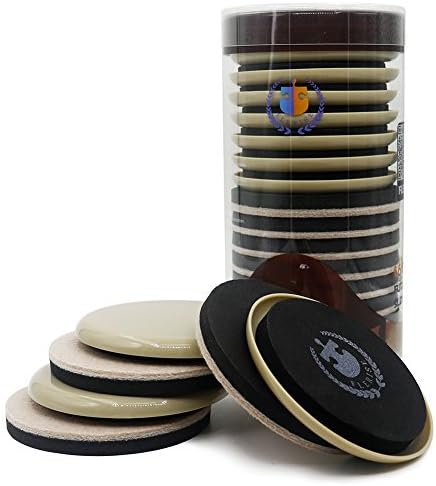
Super Sliders
Super Sliders 9 1/2" x 5 3/4" Reusable XL Heavy Furniture Sliders for Carpet, Brown (8 Pack)
See current price



Amazon Commercial
AmazonCommercial Moving Storage -Packing Blanket, 40" x 74, 6-Pack
See current price


Popular brands in Furniture Hardware
Furniture hardware includes the small components that help furniture move, stand securely, connect, open, close, or avoid damage. The right choice depends on the furniture’s construction, the surface or frame it attaches to, and the amount of weight or repeated use it must handle.
K-Catalog brings together listings from brands such as Shepherd Hardware, SOFTTOUCH, Yelanon, X-Protector, Slipstick, Super Sliders, Anwenk, Ezprotekt, Furnigear, MelonBoat, GorillaGrit, and Buddy4baby. Compare the available specifications and features, then check the product details for the exact fit.
How to choose furniture hardware
Start by identifying the job the hardware needs to perform. A replacement foot, furniture glide, caster, connector, or protective pad may look similar across listings but differ in dimensions, mounting style, material, and intended surface.
Check these details before selecting a product:
- Furniture type: Tables, chairs, cabinets, sofas, beds, and shelving can require different attachment methods and clearances.
- Mounting method: Common options include screw-in, nail-on, adhesive-backed, bolt-on, clip-on, and press-fit designs.
- Dimensions: Match the hardware’s diameter, height, width, hole spacing, thread, or shaft size to the furniture and any existing part.
- Weight support: For legs, casters, brackets, and connectors, look for load information that suits the combined weight of the furniture and its contents.
- Floor or surface compatibility: Rubber, felt, plastic, metal, and other materials can behave differently on wood, tile, carpet, vinyl, and concrete.
- Appearance: Exposed hardware may need to coordinate with the furniture’s finish, shape, and overall style.
If replacing an existing component, remove it carefully and measure it rather than relying only on the furniture’s general description.
Common types of furniture hardware
Furniture hardware can be grouped by its purpose. Furniture glides and floor protectors are designed to reduce scratching, noise, or friction beneath legs and other contact points. Felt, rubber, plastic, and other materials may be suited to different flooring conditions.
Casters and wheels add mobility to chairs, carts, cabinets, worktables, and other furniture. Compare wheel size, mounting style, swivel or fixed movement, brake features, and clearance. A larger wheel may handle some floor transitions more easily, while a low-profile design may be important where space is limited.
Furniture legs, feet, and levelers can replace worn supports or adjust the height and stability of a piece. Pay attention to thread size, base dimensions, adjustment range, and how the component connects to the furniture frame.
Connectors, brackets, and joining hardware help assemble or reinforce furniture. These may be useful for repairs, flat-pack construction, reinforcement, or custom projects. Confirm that the connector’s shape and fastener requirements match the material thickness and the joint layout.
For nearby projects, compare Cabinet Hardware for handles, pulls, and cabinet-specific components, or browse Shelf Brackets & Supports when the primary need is supporting a shelf.
Specifications and features to compare
Material affects durability, appearance, grip, and resistance to moisture or abrasion. Metal hardware may be selected for structural use, while soft pads and flexible materials are often used where furniture contacts a floor or wall. Review the listed material and finish instead of assuming that similarly shaped products perform the same way.
For adhesive products, check the recommended surface and preparation requirements. Adhesive-backed pads may be convenient for smooth, clean surfaces, but uneven, dusty, oily, or textured surfaces can affect attachment. Mechanical fasteners may be more appropriate for components exposed to frequent movement or higher loads.
Also compare package contents, installation hardware, color, shape, and whether the item is intended for indoor, outdoor, dry, or damp environments. If a listing provides templates, diagrams, or compatibility notes, use them to verify fit before installation.
Installation and care tips
Measure twice before drilling, screwing, or applying adhesive. Mark the attachment points and check that the hardware will not interfere with drawers, doors, hinges, wiring, or nearby furniture parts. For casters and legs, confirm that the furniture remains balanced and that all supports contact the floor properly.
Clean surfaces according to the hardware instructions and allow adhesive products to set as directed. Periodically inspect screws, bolts, glides, and wheels for loosening or wear. Replace damaged pieces rather than continuing to use hardware that makes furniture unstable or allows it to scrape the floor.
If your project involves entrances or locking points, Door Hardware & Locks is a more specialized category. For bathroom installations, Bathroom Hardware may contain components designed for that setting.
Brands in the catalog
The catalog includes furniture hardware from Shepherd Hardware, SOFTTOUCH, Yelanon, X-Protector, Slipstick, Super Sliders, Anwenk, Ezprotekt, Furnigear, MelonBoat, GorillaGrit, and Buddy4baby. Use brand names as one way to narrow a search, but compare the specifications of each individual listing because fit, materials, mounting style, and intended use can vary.
Frequently asked questions
What should be measured before buying furniture hardware?
Measure the existing component and the attachment area. Depending on the product, this may include diameter, height, thread size, hole spacing, shaft size, or furniture material thickness.
Are furniture glides suitable for every floor?
No. Select the glide material and design for the floor type and the furniture’s movement. Soft or felt surfaces may suit some hard floors, while other applications may need a harder or more durable contact material.
How do I choose furniture casters?
Compare mounting style, wheel dimensions, swivel or fixed movement, brake options, clearance, and load information. Make sure the furniture frame can support the selected caster.
Can adhesive-backed hardware replace screws?
It depends on the application. Adhesive may work for lightweight protective pads on suitable, clean surfaces, but components exposed to movement, impact, or significant load may require mechanical fastening.
What if I cannot find an exact replacement?
Compare the original part’s measurements, mounting method, material, and function with alternative listings. A compatible replacement must fit the furniture and provide appropriate support, clearance, and stability.