

Grocery & Gourmet Food Buying Guide
Compare grocery and gourmet food products by category, ingredients, format, dietary needs, and storage requirements. Use the catalog to narrow options and check detailed specifications before shopping.
83,636 products in catalog
83,636 results
Filters
Availability
Brand
Price


Burt's Bees
Burt's Bees 100% Natural Moisturizing Lip Balm, Pomegranate with Beeswax and Fruit Extracts - 2 Tubes
See current price



Celsius, Inc.
CELSIUS Sparkling Fuji Apple Pear, Functional Essential Energy Drink 12 Fl Oz (Pack of 12)
See current price


Talking Rain Beverage Company
Sparkling Ice, Strawberry Watermelon Sparkling Water, Zero Sugar Flavored Water, with Vitamins and Antioxidants, Low Calorie Beverage, 17 fl oz Bottles (Pack of 12)
See current price


Twinings North America, Inc.
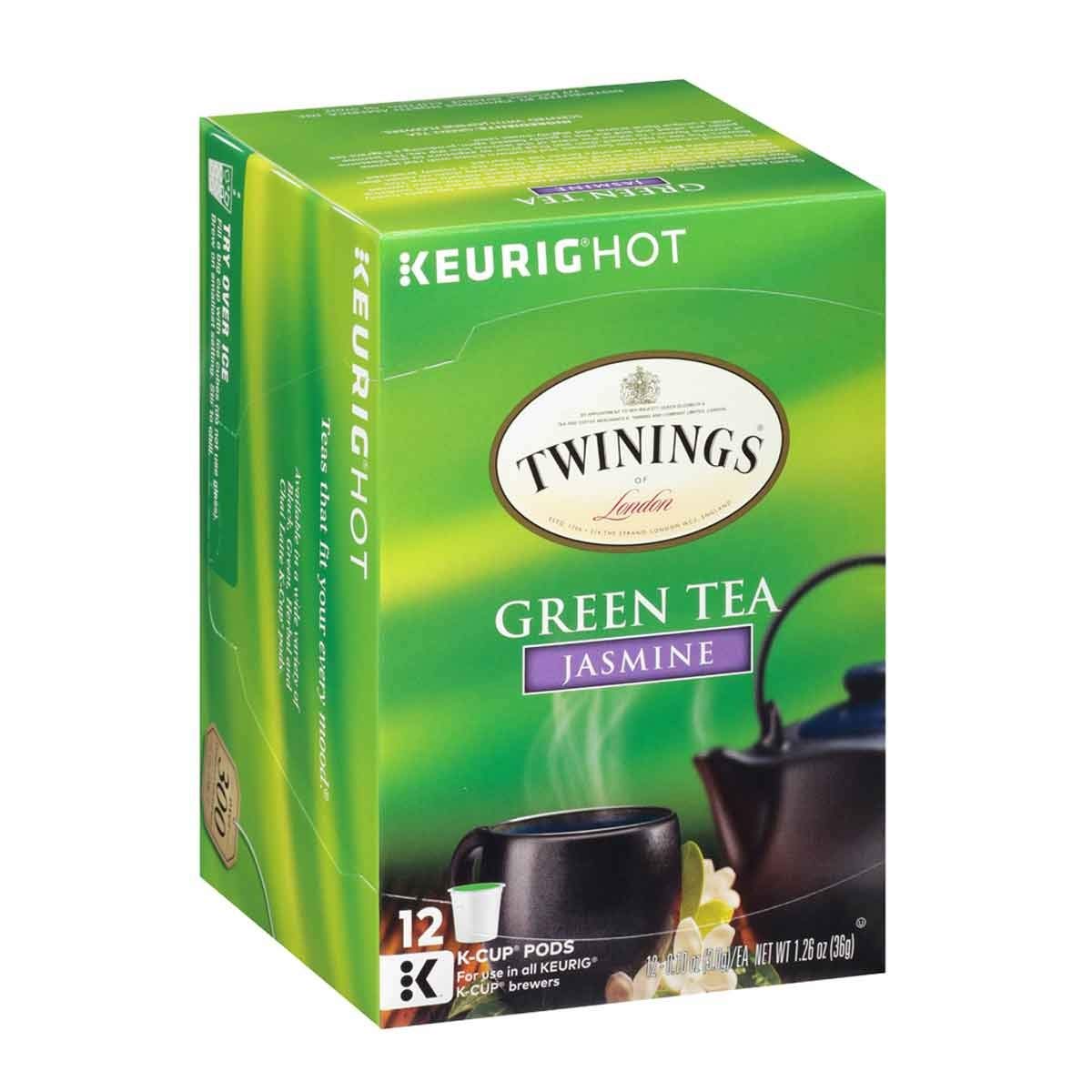
Twinings of London Jasmine Green Tea K-Cup Pods for Keurig, 12 Count
See current price




Twinings North America, Inc.
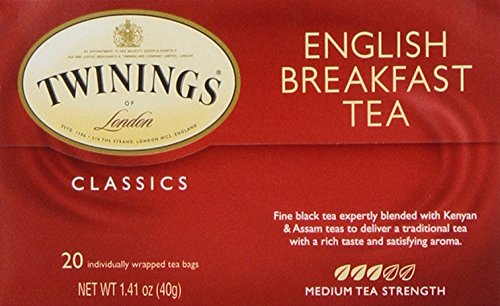
Twinings of London Green Tea Bags, Nightly Calm, 20 Count
See current price


Popular brands in Grocery & Gourmet Food
Grocery and gourmet food covers everyday essentials, specialty ingredients, ready-to-eat options, snacks, beverages, and giftable food assortments. The right choice depends on more than flavor: ingredients, package format, serving needs, dietary preferences, storage, and delivery considerations can all affect which product fits your household.
Use the category links to browse by the type of food you need, then compare product specifications carefully. K-Catalog is an independent catalog that helps shoppers review available options before clicking through to Amazon for current availability and purchase details.
How to choose grocery and gourmet food
Start with the reason you are buying. A pantry restock calls for versatile staples and practical package sizes, while meal planning may make frozen, prepared, or shelf-stable foods more convenient. If you are shopping for a gift, presentation, variety, and dietary compatibility may matter more than buying a single everyday ingredient.
Consider these factors before comparing individual products:
- Intended use: Decide whether the item is for cooking, snacking, entertaining, breakfast, beverages, or gifting.
- Ingredients: Check the full ingredient list for allergens, sweeteners, preservatives, artificial colors, or ingredients you prefer to avoid.
- Dietary needs: Look for information relevant to vegetarian, vegan, gluten-free, kosher, organic, low-sugar, or other eating preferences. Verify the product label because formulas can change.
- Package format: Compare cans, jars, pouches, boxes, bottles, multipacks, variety packs, and individually wrapped portions according to how you plan to use and store the food.
- Storage: Note whether the item is shelf-stable, refrigerated, frozen, or intended for prompt use after opening.
- Portion and serving information: Serving size can help you compare similar products and plan for a household, event, or office pantry.
- Delivery suitability: Perishable, frozen, fragile, or temperature-sensitive products may require more attention to delivery timing and storage after arrival.
For any food item, read the product page for the most current label, package details, and handling instructions rather than relying only on a category name or product image.
Browse popular grocery categories
The catalog’s broadest sections are useful starting points when you know the general type of food but not the exact product. Pantry Staples includes ingredients and everyday foods commonly used for cooking and stocking a kitchen. Snacks & Sweets is suited to individual treats, lunchbox items, entertaining, and variety packs.
For coffee, tea, juices, mixes, and other drink options, browse Beverages. Shoppers planning breakfast can compare Breakfast Foods and Breakfast Cereal separately, since cereal format, flavor, texture, and nutrition information may differ considerably between products.
Other sections help when freshness, preparation, or meal type is the priority:
- Breads & Bakery for baked goods and bread products.
- Dairy, Eggs & Plant-Based Alternatives for refrigerated staples and non-dairy substitutes.
- Frozen for foods designed to remain frozen until preparation or serving.
- Produce for fruits, vegetables, and related fresh options.
- Meat & Seafood for animal-protein products that may have specific storage and preparation requirements.
- Deli & Prepared Foods for ready-to-serve or minimally prepared meal components.
For longer-lasting ingredients and cooking projects, Canned, Packaged & Baking can be a practical place to compare mixes, canned foods, and baking supplies. Food & Beverage Gifts is more appropriate when packaging, assortment, and presentation are central to the purchase.
The catalog also includes Fresh Flowers & Live Indoor Plants alongside grocery and gift-oriented products. For adult shoppers, Alcoholic Beverages should be evaluated with attention to applicable laws, delivery rules, and age requirements.
Key specifications to compare
Ingredients and nutrition
Compare products by the details that matter most to your diet. The nutrition panel can help you review serving size, calories, fat, carbohydrates, fiber, sugars, protein, sodium, and other listed nutrients. Ingredient order is also useful because ingredients are generally listed by predominance, but the package label remains the best source for current information.
Allergen statements deserve particular attention. A product may contain a major allergen, be made on shared equipment, or use an ingredient that is not obvious from the product name. If someone in your household has a serious allergy, confirm the current manufacturer labeling and contact the manufacturer when needed.
Format and quantity
A large package is not automatically the best fit. Compare the number of servings, individual portioning, net weight or volume, and whether the food can be resealed. Single-serve packages may be convenient for work, travel, school, or controlled portions, while larger containers can suit regular cooking or family use.
For variety packs, check exactly what is included rather than assuming the assortment from the product title or image. For baking ingredients and pantry staples, consider whether you need one specific ingredient or a kit containing multiple components.
Preparation and use
Check whether a product is ready to eat, requires cooking, needs refrigeration after opening, or has special preparation instructions. Frozen foods may require an oven, stovetop, microwave, or another appliance. Prepared foods can be convenient, but compare serving format and reheating instructions to your routine.
Beverages may be sold as ready-to-drink products, concentrates, powders, pods, or mixes. Compare the preparation method, serving yield, container type, and any equipment required. For coffee and tea in particular, the format may determine compatibility with your brewer or preferred preparation method.
Packaging and storage
Packaging affects convenience, freshness, portability, and waste. Cans and jars can work well for pantry storage, while pouches may be easier to portion or carry. Glass containers can be more fragile during handling, and frozen or refrigerated products need storage space available when they arrive.
Review storage instructions before ordering perishable goods. Make sure your refrigerator, freezer, or pantry has enough room, and consider whether the item will be used before its quality declines. For products bought in bulk, calculate how quickly your household can reasonably consume them.
Brands represented in the catalog
The catalog includes products from brands and food companies such as 365 By Whole Foods Market, Conagra, McCormick & Company, Inc., Whole Foods Market, General Mills, PRODUCE, Sun Maid, Nestle, Unilever, and Hershey's. Amazon.com Services LLC. and Amazon.com Services, Inc. are also represented in the catalog.
Brand familiarity can help you find a preferred flavor or product style, but it is still important to compare the specific item. Formulas, package sizes, varieties, and labeling can differ within the same brand. Use the ingredient list, nutrition facts, preparation instructions, and package description to make a product-level comparison rather than choosing solely by brand name.
Shopping tips for different needs
Everyday pantry shopping
Create a list based on meals you actually prepare. Compare versatile staples, package sizes, and storage requirements before adding several similar items to your cart. Resealable packaging may be useful for ingredients used gradually, while individually portioned foods can simplify lunches and snacks.
Dietary and allergen-conscious shopping
Use dietary labels as a starting point, not a substitute for reading the complete product information. Check for cross-contact statements, sweeteners, sodium, and ingredients that may be important to your household. When comparing plant-based alternatives, review the base ingredient, protein content, flavoring, and intended use; products designed for cooking may perform differently from those intended for drinking or eating directly.
Entertaining and gifting
For a gathering, compare serving format, assortment, preparation time, and storage needs. Variety packs can provide different flavors, while a focused assortment may be better for a recipient with known preferences. Food gifts should also be checked for allergens, dietary restrictions, and whether the recipient can store the contents promptly.
Related shopping needs may lead you to Home & Kitchen for cookware, serving items, and food-storage solutions, or Health & Household for household supplies and personal wellness products. These categories can complement a grocery purchase without replacing the food-specific comparison details above.
Frequently asked questions
What should I compare first when buying grocery products?
Start with intended use, ingredients, dietary requirements, package format, and storage conditions. Then compare serving information, preparation instructions, and the product’s current description.
How do I compare similar packaged foods?
Check the serving size, net quantity, ingredient list, nutrition panel, allergen statement, package type, and storage instructions. Comparing these details is more reliable than comparing product names alone.
Are pantry foods always shelf-stable?
No. Some pantry-oriented foods may require refrigeration after opening or have specific storage instructions. Review the label and product details before storing an item at room temperature.
What should I check when ordering frozen or refrigerated food?
Confirm that you have suitable storage space, review handling instructions, and consider delivery timing. Check the product page for the current details about preparation and storage.
How can I choose food as a gift?
Look for an appealing assortment, practical packaging, and clear information about ingredients and dietary compatibility. Also consider whether the recipient can store or use the products within the recommended period.
Where can I check current product details before buying?
Use K-Catalog to compare listed specifications and features, then click through to Amazon to review the current product information, availability, and purchase options.