

Meat Substitutes: Compare Types and Features
Compare meat substitutes by texture, ingredients, nutrition, preparation, and storage. Explore options for plant-based meals, familiar recipes, and convenient pantry or freezer staples.
178 products in catalog
178 results
Filters
Availability
Brand
Price

Conagra
Gardein Gluten-Free Ultimate Plant-Based Beefless Ground Crumbles, Vegan, Frozen, 13.7 oz.
See current price


BEYOND MEAT
Beyond Meat Beyond Breakfast Sausage Plant-Based Breakfast Patties, Spicy 7.4 oz
See current price


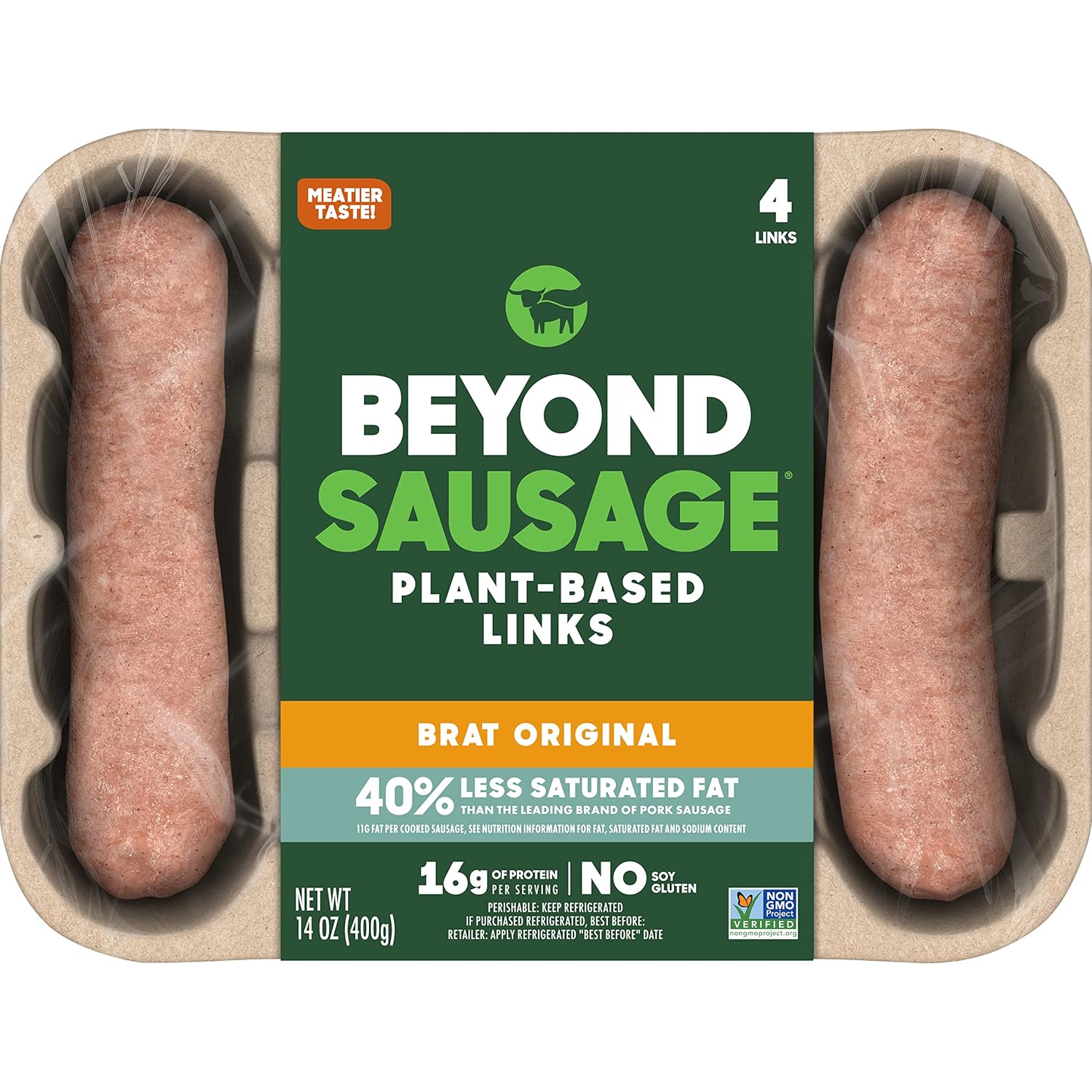
BEYOND MEAT
Beyond Meat Beyond Sausage Plant-Based Dinner Sausage Links, Brat Original 14 oz
See current price
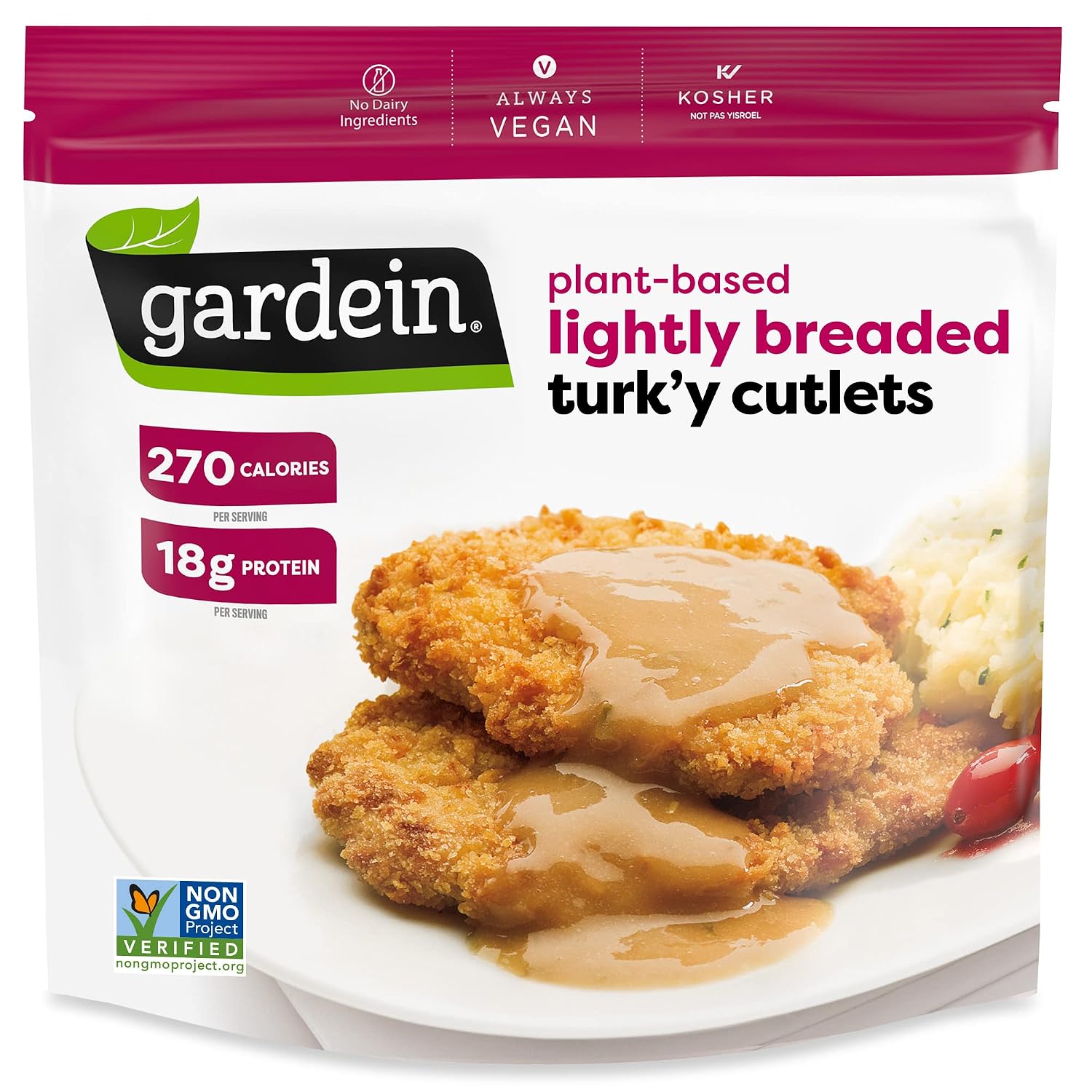


BEYOND MEAT
Beyond Meat Beyond Meatballs Italian Style Plant-Based Meatballs 12 ct, 10 oz (Frozen)
See current price
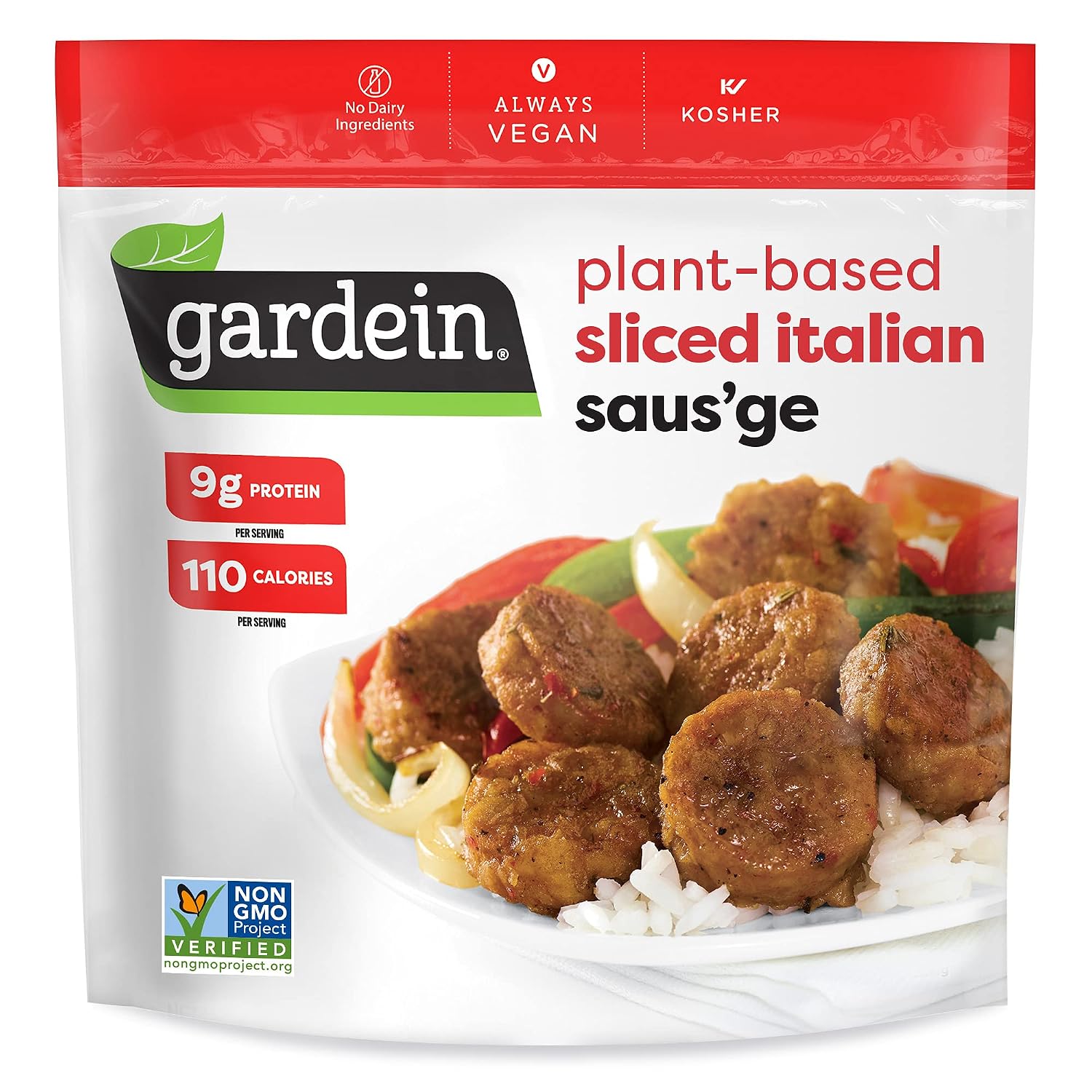

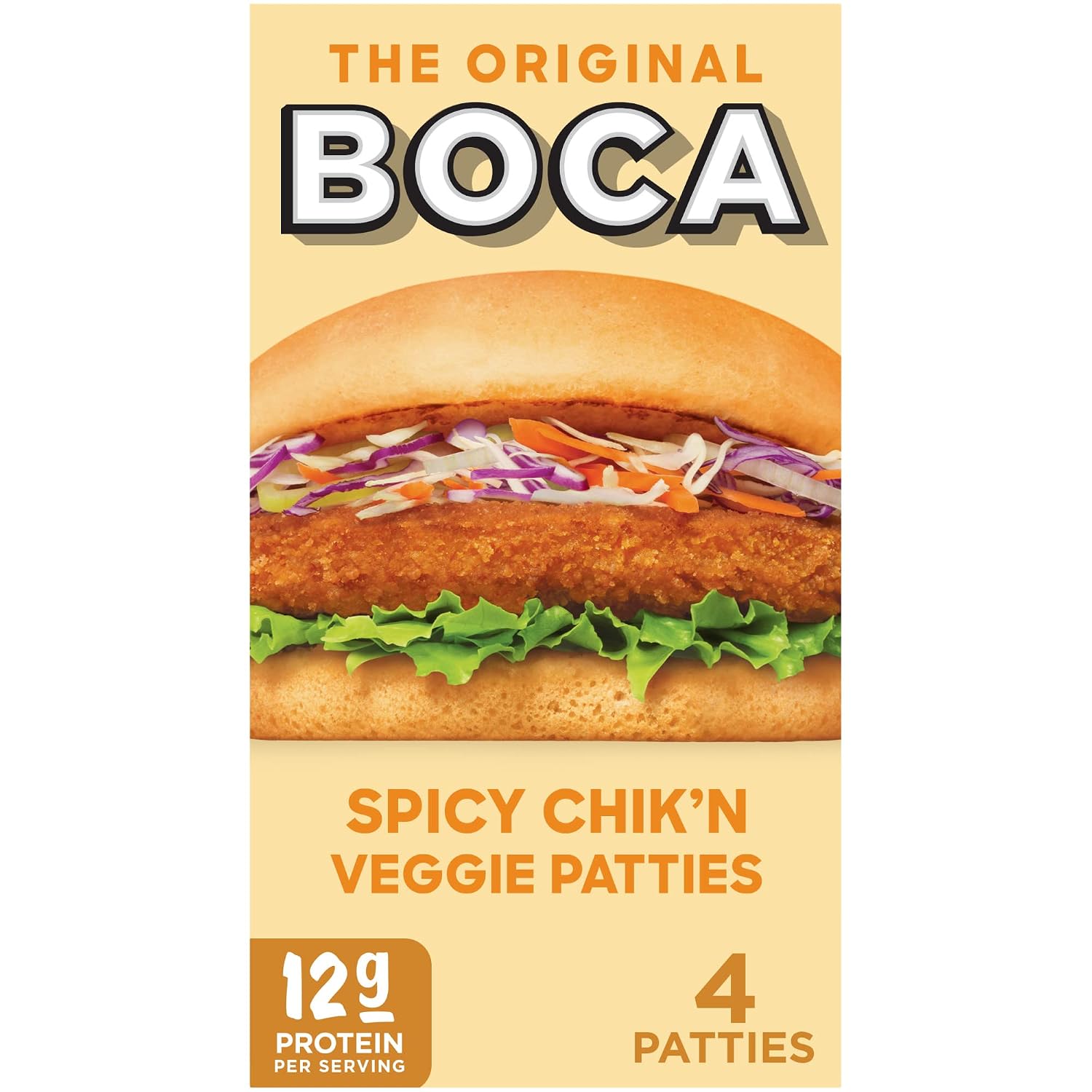

365 By Whole Foods Market
365 by Whole Foods Market, Meatballs Plant Based, 10.5 Ounce
See current price


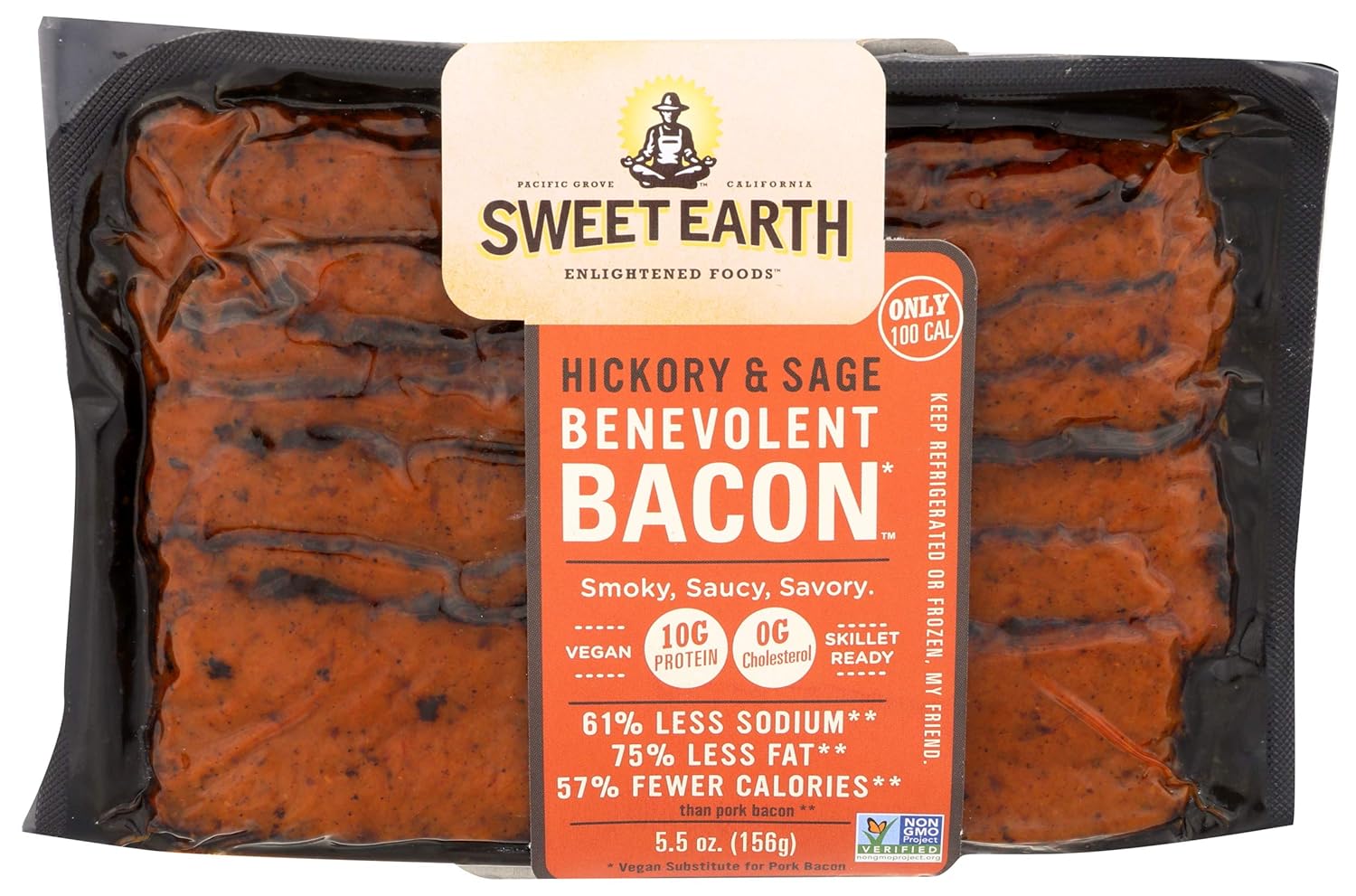
Sweet Earth
Sweet Earth Benevolent Bacon, Hickory and Sage Plant Based Protein, 0.34375 lb
See current price


Loma Linda
Loma Linda Blue - Plant-Based - Simple Franks- Kosher, 1.25 Pound (Pack of 12)
See current price
Popular brands in Meat Substitutes
Meat substitutes can help recreate the texture and convenience of familiar meals while fitting vegetarian, vegan, flexitarian, or plant-focused eating patterns. The category includes products designed for recipes such as tacos, pasta, sandwiches, stir-fries, and bowls, along with options that can stand on their own as a main dish.
When comparing products, start with the way you plan to use them. A product that works well in a sauce may not have the structure needed for grilling or shaping into a patty. Ingredient preferences, preparation time, storage requirements, and dietary needs also matter.
How to choose meat substitutes
Consider these factors before selecting a product:
- Intended recipe: Crumbles suit sauces, chili, tacos, and casseroles, while chunks or formed products may work better in stir-fries, sandwiches, and plated meals.
- Texture: Some shoppers prefer a firm, chewy bite that resembles meat, while others want a softer texture that blends into a recipe.
- Ingredients: Check the full ingredient list for soy, wheat, pea protein, legumes, coconut, seasonings, and other ingredients relevant to your preferences or dietary restrictions.
- Nutrition: Compare protein, fiber, sodium, saturated fat, and serving information on the package. A plant-based label does not automatically mean every product has the same nutritional profile.
- Preparation: Look at whether the product is ready to heat, requires cooking, or is intended to be added directly to a recipe.
- Storage: Fresh, refrigerated, shelf-stable, and frozen products can have very different storage needs. Confirm the format before ordering and plan freezer space when necessary.
Meat substitute types to explore
The catalog’s most prominent subcategory is Meatballs, Chunks & Crumbles, covering versatile formats for everyday cooking. Crumbles can replace ground meat in tacos, pasta sauce, stuffed vegetables, and casseroles. Chunks can add texture to curries, rice dishes, salads, and stir-fries. Meatballs are convenient for sandwiches, appetizers, and meals with sauce.
Beyond a specific format, meat substitutes are often chosen by their protein base and culinary purpose. Soy-based products may have a dense, savory texture, while pea- or wheat-based products can have a different bite and cooking response. Legume- and vegetable-forward products may be suited to shoppers who want a less meat-like texture. Read the product description and preparation instructions rather than assuming all substitutes cook the same way.
For complementary grocery shopping, browse Dairy, Eggs & Plant-Based Alternatives for other plant-based foods. Pantry Staples can help round out recipes with grains, sauces, beans, and seasonings.
Key specifications to compare
Packaging and product details can make a noticeable difference in how well an item fits your routine. Compare:
- Serving format and size: Determine whether the package is intended for one meal, several portions, or recipe preparation across multiple days.
- Protein source: Soy, pea, wheat, mycoprotein, and blended formulas may differ in texture, allergens, and cooking performance.
- Seasoning level: Plain products offer more flexibility, while seasoned options may be convenient for quick meals but less adaptable to delicate recipes.
- Allergen information: Check for soy, wheat, gluten, sesame, tree nuts, and shared-facility statements when relevant.
- Cooking method: Pan-frying, baking, microwaving, simmering, and grilling can produce different results. Follow the package directions for the specific product.
- Frozen or shelf-stable format: Choose based on available storage and how soon you expect to use the product.
Brands represented in the catalog
The catalog includes products from BEYOND MEAT, IMPOSSIBLE FOODS, Loma Linda, Dr. Praeger’s Sensible Foods Inc, Green Leaf Foods, Atlantic Natural Foods LLC, and 365 By Whole Foods Market. Other represented names include Conagra, Kellogg’s, Kellogg Company, Hain Celestial, and Amazon.com Services, Inc. Brand availability can vary by product type, ingredients, and package format, so compare the individual specifications instead of choosing by brand name alone.
Preparation and storage tips
Use a clean cooking surface and follow the handling instructions on the package, especially for products that require refrigeration or cooking. Avoid assuming that a meat substitute can be eaten straight from the package unless the label says it is ready to eat. For frozen products, check whether thawing is recommended or whether they can be cooked from frozen.
When adapting a recipe, adjust liquids and seasoning gradually. Crumbles may absorb sauce differently from ground meat, while chunks may need enough cooking time to warm through without becoming dry. For meal planning, consider portioning opened products into airtight containers and following the package guidance for refrigeration or freezing.
Frequently asked questions
Are meat substitutes suitable for vegetarian or vegan diets?
Some are, but formulas vary. Check the product label for animal-derived ingredients and confirm that the product meets your dietary requirements.
What is the difference between meatless crumbles and chunks?
Crumbles are small pieces suited to sauces, fillings, and mixed dishes. Chunks are larger pieces that can provide a more distinct bite in stir-fries, bowls, salads, and similar meals.
Do meat substitutes contain common allergens?
They can contain soy, wheat, gluten, sesame, or other allergens depending on the formula. Always review the ingredient and allergen statements before purchasing.
Can meat substitutes be frozen?
Some products are sold frozen, while others require refrigeration or pantry storage. Follow the package instructions for storage, thawing, and use after opening.
How should shoppers compare meat substitutes for nutrition?
Compare the serving information, protein, fiber, sodium, saturated fat, and ingredient list. Choose the profile that best matches your meal plan and dietary preferences.