

Girls' Clothing
Explore girls’ clothing for school, play, everyday wear, and special occasions. Compare materials, sizing, construction, and care details to find practical options for her wardrobe.
15,163 products in catalog
15,163 results
Filters
Availability
Brand
Price

Fruit of the Loom
Fruit of the Loom Girls' Tag Free Cotton Brief Underwear Multipacks
See current price

Carter's Simple Joys - Private Label
Simple Joys by Carter's Toddlers and Baby Girls' Loose-Fit Flame Resistant Fleece Footed Pajamas, Pack of 3
See current price

Carter's Simple Joys - Private Label
Simple Joys by Carter's Toddlers and Baby Girls' Snug-Fit Footed Cotton Pajamas, Pack of 3
See current price

Hanes Girls 7-16 Underwear
Hanes Girls' Camisole, 100% Cotton Tagless Cami, Toddler Sizing, Multiple Packs & Colors Available
See current price


Interloop North America*LDP*Hosiery Division III
Amazon Essentials Unisex Kids and Toddlers' Cotton Low Cut Sock, 14 Pairs
See current price


Carter's Simple Joys - Private Label
Simple Joys by Carter's Toddlers and Baby Girls' Fleece Full-Zip Hoodies, Pack of 2
See current price

Amazon Essentials
Amazon Essentials Girls and Toddlers' Leggings (Previously Spotted Zebra), Multipacks
See current price

Fruit of the Loom Children's Apparel
Fruit of the Loom Toddler Girls' Tag-Free Cotton Underwear
See current price


Doctor Unicorn
Doctor Unicorn Soft Unicorn Hooded Bathrobe Sleepwear - Unicorn Gifts for Girls
See current price
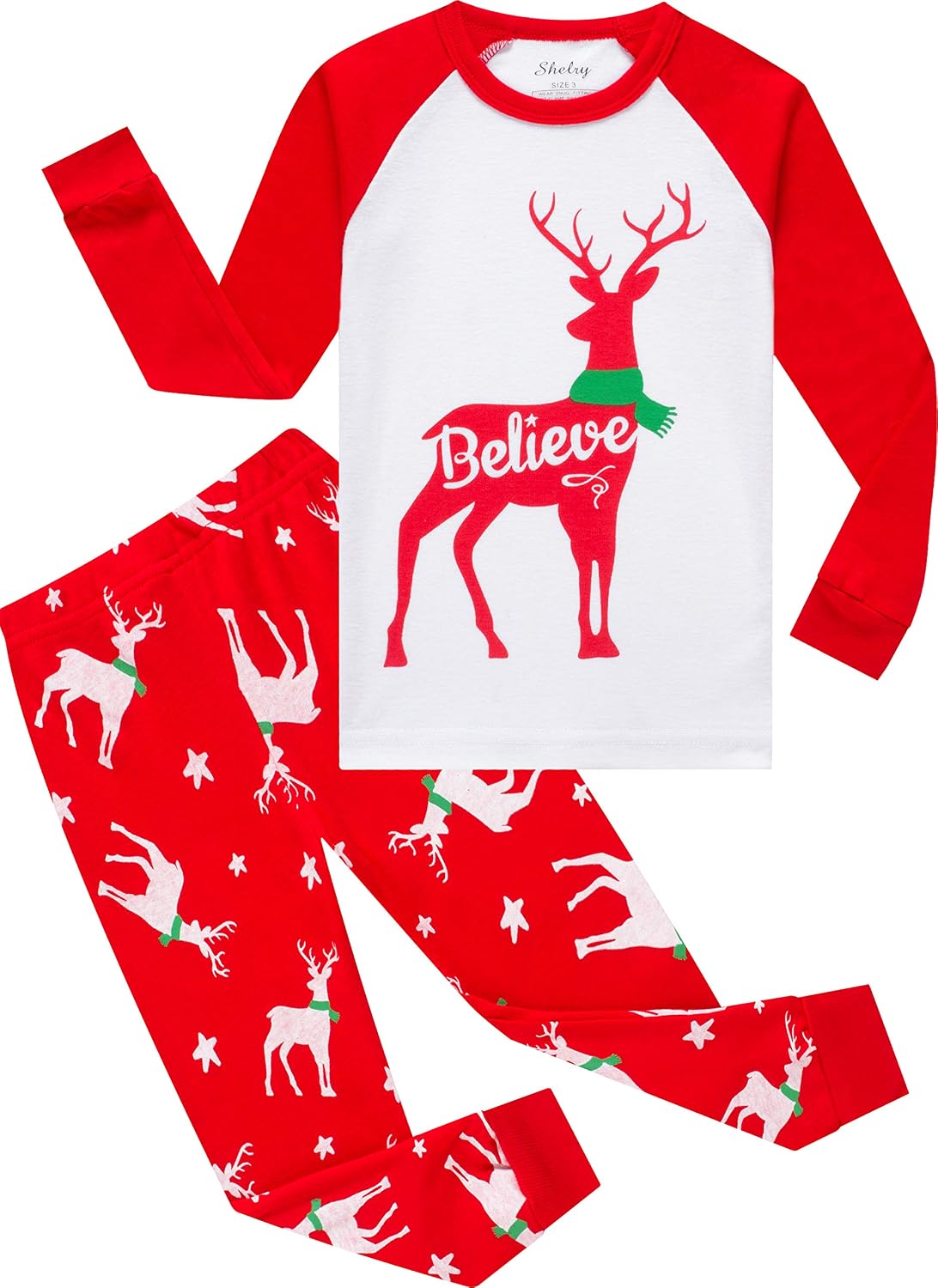
shelry
Boys Dinosaur Pajamas Glow In The Dark Pjs Toddler Sleepwear Children Cotton 2 PCs Clothes
See current price

shelry
Boys Dinosaur Pajamas Glow In The Dark Pjs Toddler Sleepwear Children Cotton 2 PCs Clothes
See current price

shelry
Boys Dinosaur Pajamas Glow In The Dark Pjs Toddler Sleepwear Children Cotton 2 PCs Clothes
See current price

shelry
Boys Dinosaur Pajamas Glow In The Dark Pjs Toddler Sleepwear Children Cotton 2 PCs Clothes
See current price

shelry
Boys Dinosaur Pajamas Glow In The Dark Pjs Toddler Sleepwear Children Cotton 2 PCs Clothes
See current price
shelry
Boys Dinosaur Pajamas Glow In The Dark Pjs Toddler Sleepwear Children Cotton 2 PCs Clothes
See current price

shelry
Boys Dinosaur Pajamas Glow In The Dark Pjs Toddler Sleepwear Children Cotton 2 PCs Clothes
See current price
shelry
Boys Dinosaur Pajamas Glow In The Dark Pjs Toddler Sleepwear Children Cotton 2 PCs Clothes
See current price

shelry
Boys Dinosaur Pajamas Glow In The Dark Pjs Toddler Sleepwear Children Cotton 2 PCs Clothes
See current price

shelry
Boys Dinosaur Pajamas Glow In The Dark Pjs Toddler Sleepwear Children Cotton 2 PCs Clothes
See current price

shelry
Boys Dinosaur Pajamas Glow In The Dark Pjs Toddler Sleepwear Children Cotton 2 PCs Clothes
See current price
Popular brands in Clothing
Girls’ clothing needs to balance comfort, durability, fit, and personal style. A useful wardrobe may include relaxed everyday pieces, polished outfits for events, warm layers, sleepwear, and clothing suited to school or active play.
K-Catalog helps shoppers compare listed products by their specifications and features before clicking through to Amazon for current availability and purchase information. Since the catalog includes a broad range of girls’ apparel, it helps to start with the garment’s intended use, then narrow the options by fabric, construction, sizing, and care requirements.
How to choose girls’ clothing
Begin with the occasion and conditions in which the garment will be worn. Clothing for school may need a neat appearance and easy care, while playwear should allow comfortable movement and tolerate frequent washing. Special-occasion clothing often prioritizes details such as color, silhouette, embellishment, or a more formal finish.
Consider how the item will work with the rest of her wardrobe. A versatile top, cardigan, skirt, pair of leggings, or casual dress may be easier to wear regularly when it coordinates with several existing pieces. For seasonal shopping, think about whether the garment is intended as a standalone layer or whether it should fit comfortably over or under other clothing.
Useful questions to ask include:
- Is the fabric comfortable for extended wear?
- Does the cut allow sitting, running, bending, and other everyday movement?
- Will the garment suit the intended weather or indoor setting?
- Is the care routine realistic for the household?
- Does the size information match the child’s current measurements?
Clothing types for different needs
Because this is a broad girls’ clothing category, shoppers can compare apparel for many parts of a child’s routine. Everyday basics are useful for school, home, and casual outings, while dresses, skirts, coordinated outfits, and dressier tops can suit celebrations or family occasions.
Tops and bottoms are often selected separately so the fit and style can be adjusted to the child’s preferences. Leggings, shorts, pants, jeans, and skirts may serve different purposes depending on the season and activity. Dresses and jumpsuits can simplify outfit planning, although their fit should be checked at the shoulders, waist, and hem.
Outer layers such as jackets, coats, sweaters, hoodies, and cardigans add flexibility when temperatures change. Look for details that match the intended use, including closures that are easy to manage, cuffs that stay in place, and enough room for comfortable layering.
Sleepwear and loungewear should be evaluated for softness, ease of movement, and suitability for the sleeping environment. For school-specific needs, compare the clothing category with Girls’ School Uniforms to explore more structured options.
Complete an outfit with related categories such as Girls’ Shoes, Girls’ Accessories, or Girls’ Jewelry. A watch from Girls’ Watches may also complement an outfit when a child needs a practical accessory for daily routines.
Key features and specifications to compare
Fabric and comfort
Fabric affects softness, breathability, stretch, warmth, and care. Cotton and cotton blends are commonly considered for everyday comfort, while stretch fibers can make fitted garments easier to move in. Synthetic fabrics may offer quick drying or wrinkle resistance, but comfort depends on the weave, finish, and garment construction.
Check the product description for the listed material composition rather than relying on the appearance of a product image. For sensitive skin, examine seams, tags, elastic, and decorative elements that may cause irritation.
Fit and sizing
Sizing can vary by brand, garment type, and intended fit. Compare the listed size chart with current measurements, paying attention to chest, waist, hip, inseam, shoulder, and garment length when those details are provided. A child who is between sizes may need a decision based on the garment’s cut, stretch, and whether layering is expected.
Also consider the difference between fitted, relaxed, slim, oversized, and adjustable designs. Adjustable waistbands, stretch panels, and elastic cuffs may extend the usable fit, while rigid fabrics and tailored shapes usually require more precise sizing.
Construction and usability
Look at seams, hems, closures, pockets, waistbands, and lining. Reinforced areas can matter for frequently worn clothing, while smooth seams and soft linings may improve comfort. Buttons, snaps, zippers, and pull-on designs each offer different levels of convenience for dressing independently.
For active children, check whether the garment allows a full range of movement and whether embellishments could become uncomfortable during play. For formal wear, examine how decorative details are attached and whether the piece includes a lining or built-in structure.
Care requirements
Review washing, drying, ironing, and cleaning instructions before choosing. Easy-care garments may be especially practical for school and everyday rotation. Some fabrics, colors, prints, and embellishments require more careful handling, so compare maintenance requirements with how often the garment is likely to be worn.
Brands represented in the catalog
The catalog includes clothing from Amazon Essentials, Spotted Zebra, Disney, The Children’s Place, Arshiner, Sunny Fashion, Vopawetty, The Children’s Place Children’s Apparel, UNICOMIDEA, Doctor Unicorn, DKNY, and Starter. These brands cover a range of casual, character-themed, dressy, school-oriented, and activewear styles.
Brand name alone does not determine whether a garment is the right choice. Compare each item’s fabric, measurements, construction, care instructions, and intended use. Product details are more useful when matched to the child’s current needs and the way the clothing will be worn.
Practical shopping tips
Keep the child’s current wardrobe in mind before adding a new item. A garment that coordinates with existing colors and layers may receive more use than a distinctive piece that works only for one occasion. For growing children, avoid choosing a size based solely on the hope that it will fit later; excessive room can affect comfort and movement.
For seasonal purchases, compare insulation, sleeve length, coverage, and layering space. In warmer conditions, look for breathable construction and comfortable cuts. In cooler conditions, consider whether the item works with sweaters, tights, leggings, coats, or other layers.
Check product images alongside written specifications. Images can show the silhouette, print, and finishing details, while the description and size chart provide information needed for a more reliable comparison. If a garment is intended for school, confirm that its color, length, coverage, and design meet the applicable dress requirements.
Frequently asked questions
How should girls’ clothing be sized?
Use the product-specific size chart and compare it with current measurements. Pay attention to the garment’s cut, stretch, and intended amount of layering, since sizing can differ between brands and styles.
What fabric is most comfortable for everyday wear?
Comfort depends on the child and the garment, but shoppers often compare softness, breathability, stretch, and seam construction. Check the listed fiber content and look for features that reduce rubbing or restriction.
How can clothing be chosen for active play?
Prioritize flexible fabrics, comfortable waistbands, secure closures, and a cut that allows running, bending, and climbing. Durable construction and care instructions are also important when the item will be washed frequently.
What should be checked before buying special-occasion clothing?
Review the fit at the shoulders, chest, waist, and hem, along with the fabric, lining, closures, and decorative details. Confirm that the garment is comfortable enough for the length of the event.
How can girls’ clothing be made easier to maintain?
Compare washing and drying instructions before choosing. Everyday garments with straightforward care requirements may be more practical, while embellished, lined, or delicate pieces may need additional attention.
What other categories can complete an outfit?
Shoppers can compare girls’ shoes, accessories, jewelry, watches, and school uniforms alongside clothing. Matching the item to the occasion, season, and daily routine helps create a more useful wardrobe.