

Glass Care for Clearer Automotive Windows
Compare automotive glass-care products for cleaning, water repellency, polishing, and glass protection. Check specifications and application details to find a suitable option for your vehicle.
88 products in catalog
88 results
Filters
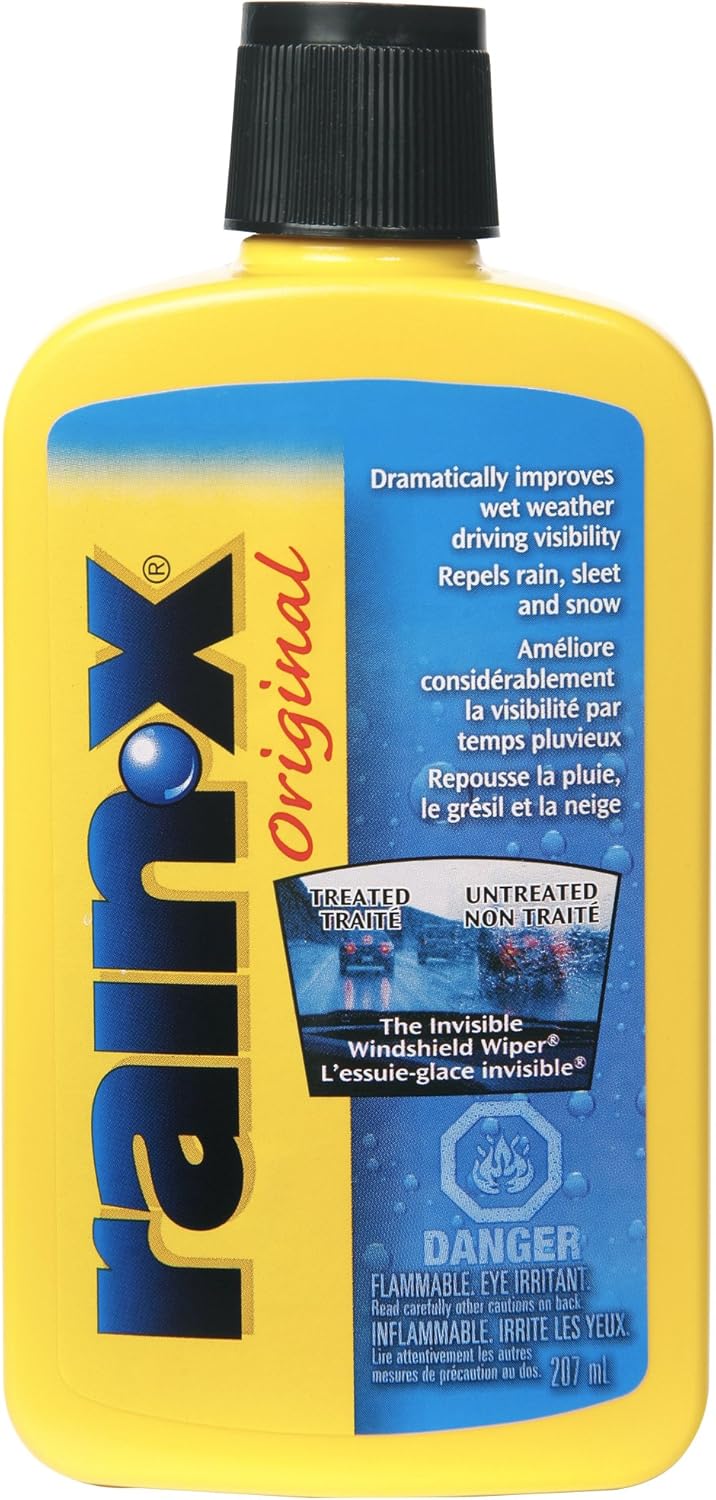

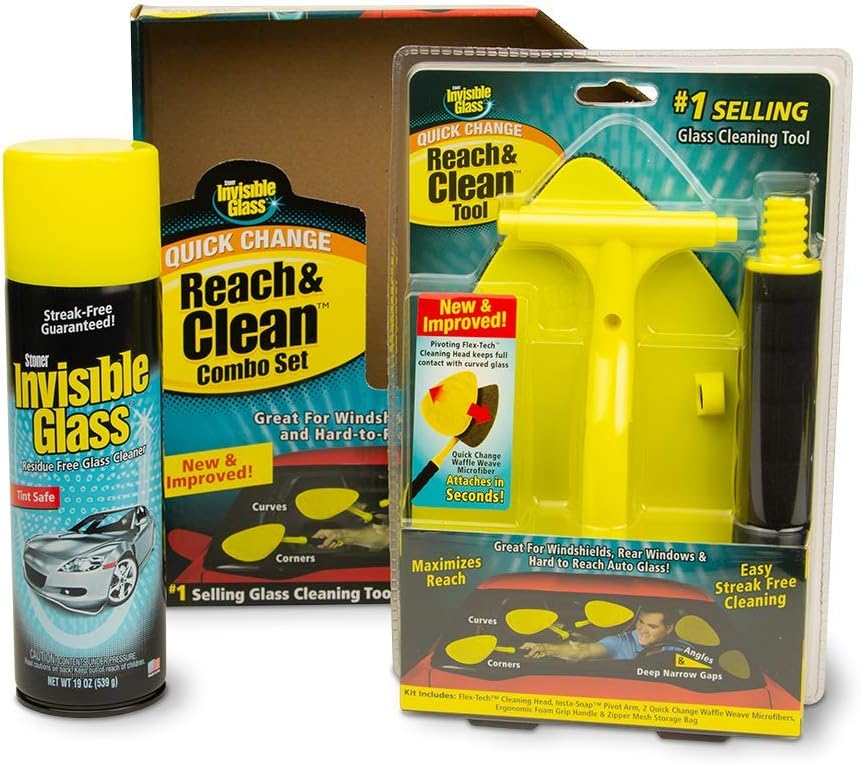


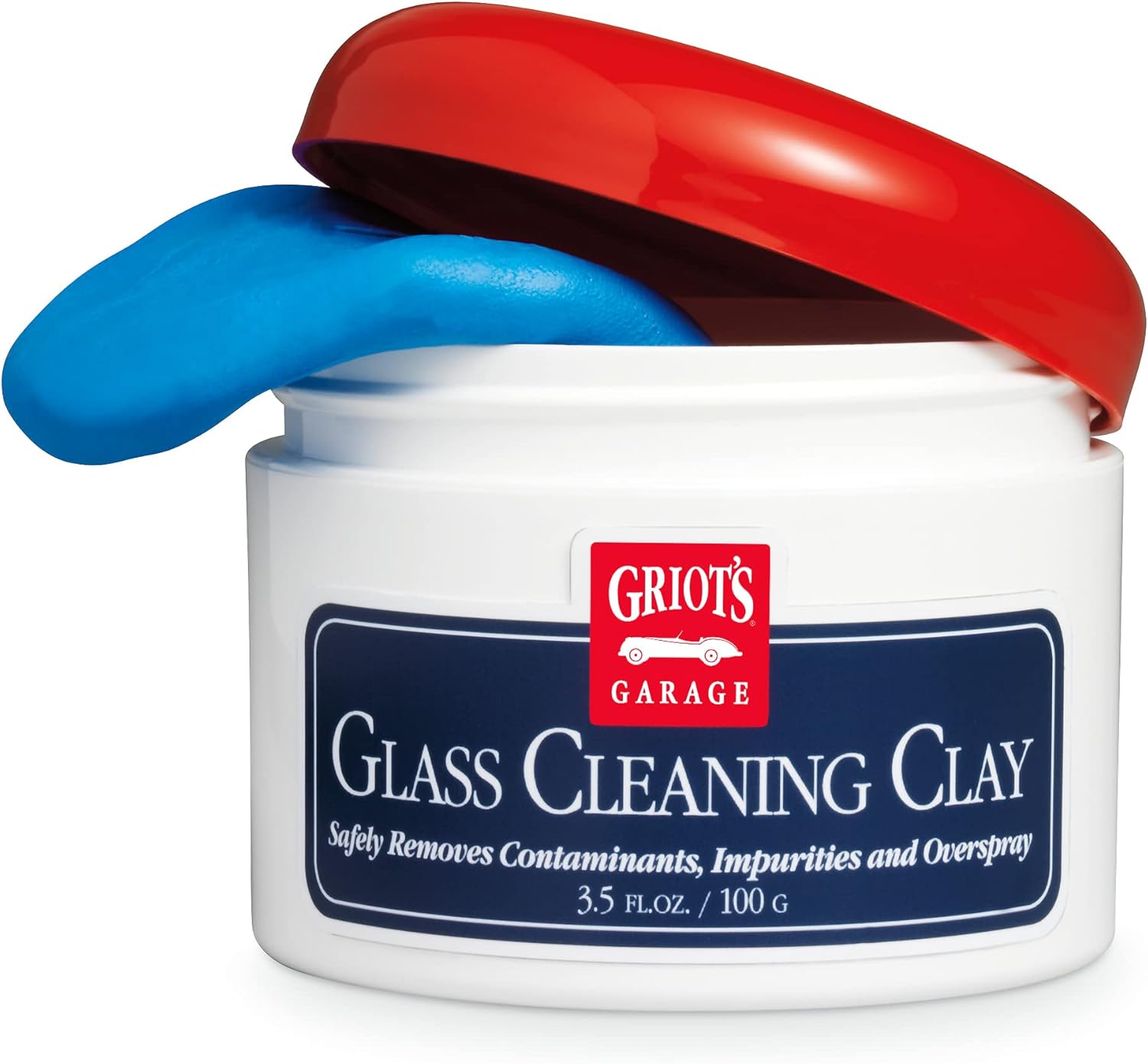


Gtechniq
Gtechniq Auto G6 Perfect Glass - High Performance Ingredients Leaves No Smears or Streaks, 500ml
See current price
Popular brands in Glass Care
Clear automotive glass supports visibility and helps your vehicle look well maintained. Glass-care products can address everyday film, fingerprints, road residue, mineral deposits, light wiper haze, and rain-related visibility issues, depending on the product’s intended use.
This K-Catalog category brings together products to compare by purpose, surface compatibility, application method, and care requirements. For broader vehicle maintenance, browse Car Care or explore related areas such as Exterior Care and Interior Care.
How to choose glass-care products
Start with the condition you want to address rather than choosing by product format alone. A cleaner may be intended for routine interior or exterior use, while a polish or treatment may target more persistent residue or improve water behavior on the glass.
Consider these questions before comparing products:
- Which surface needs attention? Check whether the product is designed for windshields, side windows, mirrors, glass sunroofs, or interior glass.
- What type of result is needed? Cleaning, polishing, water repellency, and long-term surface protection are different functions.
- How is it applied? Sprays, wipes, liquids, concentrates, and applicator-based treatments can require different preparation and removal steps.
- Is preparation required? Some treatments work best on clean, residue-free glass, and certain products may call for a dry or lightly damp surface.
- How often will it be used? A simple cleaner may suit regular maintenance, while a treatment may be chosen for less frequent application.
Always read the product instructions and confirm that the intended surface matches your vehicle’s glass and any existing coating.
Main types of glass-care products
Glass care generally falls into several practical groups, even when a product combines more than one function.
Glass cleaners
Cleaners are intended to remove dust, fingerprints, road film, smoke residue, and other everyday buildup. Compare whether a formula is positioned for interior glass, exterior glass, or both. A low-residue finish can be especially important on the inside of the windshield, where streaks may become distracting in direct light.
Water-repellent treatments
Rain-repellent products are designed to alter how water behaves on the glass. Compare the application process, the surfaces covered, curing or drying guidance, and expected maintenance. Proper glass preparation is often important because residue can interfere with an even application.
Glass polish and stain removers
Polishing products may be useful for more stubborn deposits, mineral spotting, or haze that ordinary cleaning does not remove. Check the product’s stated use and any warnings before applying it to coated, tinted, treated, or specialty glass.
Protective coatings and treatments
Coatings can provide a more treatment-focused approach than routine cleaning. Compare durability guidance, preparation steps, removal requirements, and whether the product is intended for professional-style application or routine vehicle care.
Specifications and features to compare
Product labels and catalog listings can differ, so review the full specification details where available. Useful points of comparison include:
- Intended glass surfaces and whether the product is for interior, exterior, or multipurpose use
- Formula type, such as spray, liquid, wipe, concentrate, polish, or coating
- Application and removal instructions
- Included applicators, towels, pads, or other accessories
- Compatibility with tinted glass, existing treatments, plastics, rubber, paint, or trim
- Drying, curing, ventilation, and storage guidance
- Cleaning strength or treatment purpose stated by the manufacturer
- Container design and handling requirements
Avoid applying a glass product to nearby materials unless the instructions specifically allow it. Overspray can affect dashboards, upholstery, trim, or painted surfaces.
Brands represented in this catalog
The Glass Care catalog includes products from Rain-X, Invisible Glass, Meguiars, Griot's Garage, Aquapel, Aebitsry, Autoglym, X XINDELL, Hendlex, Quick Sheen, PPG Industries, and Gtechniq. These brands may focus on different combinations of cleaning, polishing, water repellency, and protective treatment, so compare the individual product specifications rather than relying on brand name alone.
For tools, applicators, and supporting equipment, see Tools & Equipment. Products that may help with bonding, sealing, or related surface work are grouped under Fillers, Adhesives & Sealants.
Application and care tips
Work in a shaded, well-ventilated area when the instructions call for it, and avoid applying products to hot glass unless the label permits it. Use a clean, suitable microfiber cloth or the recommended applicator to reduce the chance of spreading residue.
Clean one section at a time and inspect the glass from different angles before moving on. If a treatment requires curing or drying, follow that guidance before exposing the vehicle to moisture or using the wipers. Keep incompatible products separate: a strong cleaner or abrasive polish may affect an existing water-repellent treatment.
For a complete maintenance routine, related options include Finishing and Tire & Wheel Care, depending on the part of the vehicle being serviced.
Frequently asked questions
Can glass cleaner be used on every vehicle surface?
Not necessarily. Check the label before using it on tinted glass, plastics, screens, mirrors, trim, paint, or upholstery. A product intended for automotive glass may still have surface-specific limits.
Should glass be cleaned before applying a water-repellent treatment?
Usually, preparation is important because dirt, oils, and old residue can prevent an even application. Follow the product’s cleaning and drying instructions.
What is the difference between a cleaner and a glass coating?
A cleaner is primarily used to remove contamination. A coating or treatment is applied to modify or protect the surface and may involve additional preparation, drying, or curing steps.
How can streaks on interior glass be reduced?
Use a suitable glass product, a clean lint-free cloth, and a small amount of product rather than oversaturating the surface. Work in sections and check the result under different lighting.
Can products be combined in a glass-care routine?
They can be, but compatibility matters. Confirm that a cleaner, polish, and protective treatment are suitable for use together and follow the recommended order and preparation steps.